

 Pregledaj u prostoru
 Pošalji
 Podeli
 Detalji o delu

 Преузми
 Slični predmeti
 Rendgenski snimak
 Slajdovi
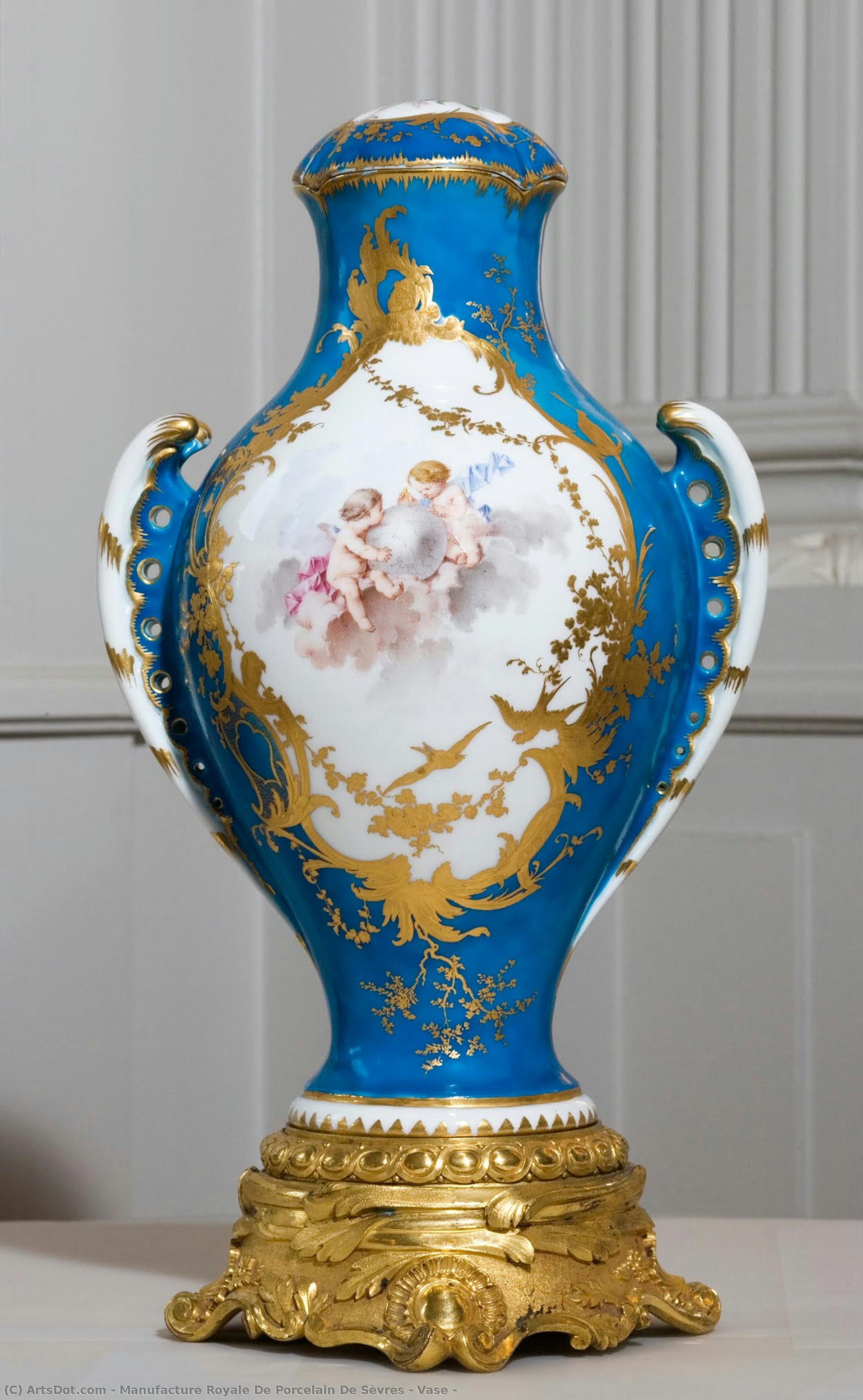
Vase


 Pročitaj više
Ručno rađena uljana reprodukcija
Ručno oslikano uljanim bojama na platnu u dimenzijama i okviru po vašem izboru, izrađeno po porudžbini od strane naših umetnika. ( Kupi print Kupi digitalnu sliku)




































Izaberite jednu od naših unapred definisanih veličina koje odgovaraju originalnim proporcijama umetničkog dela.

Можете унети сопствене димензије како бисте прилагодили дело одређеном оквиру или простору. Ако одабрана величина не одговара пропорцијама оригинала, слика ће бити исечена или проширена додатним елементима који се ручно насликавају. Дигитални prikaz ће вам бити послат на одобрење пре почетка производње.
Имајте на уму да преглед на екрану не одражава стварно исецање или проширење. Само приказ (mockup) ће тачно приказати коначну композицију.
Иако су доступне прилагођене величине, препоручујемо да одаберете димензију из дефинисане листе како бисте сачували оригиналне пропорције.
Nakon narudžbine, tim ArtsDot.com će klijentu putem e-pošte poslati uputstva i dostaviti prikaz predloženog rešenja
Isporuka širom sveta () za 3/4 nedelje umesto uobičajenih 5 nedelja. (7 септембар). Bez kompromisa po pitanju kvaliteta.

Besplatna ekspresna dostava širom sveta

Visokokvalitetno laneno platno

Kompletno osiguranje transporta

Garancija povraćaja carine i uvoznih dažbina

Garancija vernosti boja

Politika povraćaja u roku od 100 dana (isključivo u slučaju nedostataka)

Garancija povrata novca od 100%

Popust pri grupnoj kupovini
 Opcija sa staklom dostupna je samo za dimenzije manje od 110 cm

Vase
Tehnika reprodukcije
Dimenzije reprodukcije
-


Konačna cena
$ 288
Srodna umetnička dela
Biografija umetnika
The Legacy of Royal Porcelain: Manufacture Royale de Sèvres
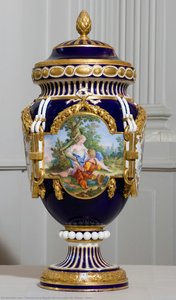
The story of the Manufacture Royale de Sèvres is inextricably linked to the opulence and artistic ambition of 18th-century France, a period defined by Louis XV’s pursuit of refined beauty and Marie Antoinette's patronage of the arts. While not a single artist in the traditional sense, the *Manufacture* represents a collective genius – a workshop where innovation in ceramic technology met with unparalleled decorative skill. Its origins trace back to 1740, when Vincent Mariette established a soft-paste porcelain factory near Sèvres, just outside Paris. However, it was under the direction of Robert Du Paquier that the enterprise truly began its ascent, attracting skilled artisans and chemists dedicated to unlocking the secrets of hard-paste porcelain, then dominated by the East.From Imitation to Innovation: Early Years & Royal Patronage
Initially, the factory focused on emulating the coveted Chinese porcelain imported into Europe. These early pieces, though beautifully painted, were largely imitative. The turning point came with the acquisition of secret formulas and techniques from exiled Jesuit fathers who had worked in China. This knowledge allowed Sèvres to develop its own distinctive soft-paste porcelain – renowned for its delicate translucence and vibrant colors. In 1756, Louis XV took direct control of the factory, renaming it the *Manufacture Royale de Sèvres*. This royal patronage was transformative. The King provided not only financial support but also a constant stream of commissions, demanding increasingly elaborate designs and pushing the boundaries of ceramic artistry. Jean-Baptiste Pillement, a master flower painter, became a key figure during this period, his rococo style defining much of the factory’s early aesthetic. The focus shifted from mere imitation to original creations, incorporating motifs inspired by nature, mythology, and the latest trends in painting and sculpture.Technological Breakthroughs & Artistic Flourishing
The latter half of the 18th century witnessed a series of remarkable technological advancements at Sèvres. The development of *bleu celeste* – an intensely vibrant cobalt blue – became a signature color, highly prized for its depth and luminosity. Equally significant was the invention of *rose pompadour*, a delicate pink hue achieved through meticulous control of firing temperatures and enamel composition. These colors, along with others like *vert céladon* and *jaune jonquille*, were applied to an astonishing range of forms: vases, pots-pourris, ewers, cups, saucers, and elaborate sculptural pieces. The factory also pioneered new techniques in gilding, employing intricate designs inspired by the work of goldsmiths. Artists like François Boucher and Jean-Honoré Fragonard contributed designs for painted decorations, further elevating the status of Sèvres porcelain as a symbol of aristocratic taste. The *crayons bleus* service commissioned by Madame de Pompadour exemplifies this period – each piece uniquely decorated with scenes inspired by her country estate.The Revolution & Beyond: Adapting to Changing Times
The French Revolution brought upheaval to the Manufacture Royale. Royal commissions ceased, and the factory faced an uncertain future. However, it managed to survive by adapting its production to meet the demands of a new clientele. Simpler designs became more prevalent, reflecting the changing aesthetic sensibilities of the era. During the Napoleonic period, Sèvres continued to flourish, producing elaborate services for the Emperor and his court. The factory’s reputation extended beyond France, with pieces sought after by collectors across Europe and America. Throughout the 19th and 20th centuries, Sèvres remained a center of ceramic innovation, experimenting with new forms and techniques while upholding its tradition of exquisite craftsmanship. Today, the Manufacture Royale de Sèvres continues to produce porcelain, honoring its rich history and legacy as one of the world’s most prestigious ceramic workshops.Historical Significance & Enduring Influence
The *Manufacture Royale de Sèvres* holds a unique place in the history of art and design. It wasn't simply a factory producing luxury goods; it was a crucible of artistic collaboration, technological innovation, and royal patronage. The pieces created at Sèvres defined the aesthetic of the Rococo and Neoclassical periods, influencing ceramic production across Europe and beyond. The factory’s commitment to quality and craftsmanship set a new standard for porcelain artistry, inspiring generations of artists and artisans. Its influence can be seen in the collections of major museums worldwide, and its pieces continue to command high prices at auction. More than just objects of beauty, Sèvres porcelain represents a pivotal moment in French history – a testament to the power of art to reflect and shape cultural values.- The development of soft-paste porcelain techniques.
- Pioneering new enamel colors like *bleu celeste* and *rose pompadour*.
- Establishing a model for royal patronage of the arts.
- Influencing ceramic design across Europe.
Osnovne informacije
- Artistic Movement Or Style: Porcelain Manufacturing
- Date Of Death: Living
- Full Name: Manufacture Royale De Porcelain De Sèvres
Povezani članci
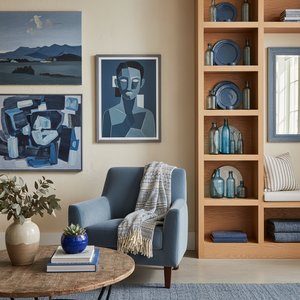
Slate Blue Masterpieces: 10 Iconic Paintings & Timeless Home Decor Ideas
Immerse yourself in the captivating world of slate blue! Explore 10 iconic paintings by Monet, Van Gogh & Renoir. Discover their stories, techniques & find museum-quality art reproductions for your home at .

Serene Blue Backgrounds: Discover Soulful Art to Transform Your Space with Timeless Elegance
Transform your home with soulful blue art. From serene Monet impressions to modern textured sculptures, discover curated masterpieces designed to inspire calm. Explore expert art consultations and bespoke hand-painted reproductions to create your personal sanctuary.
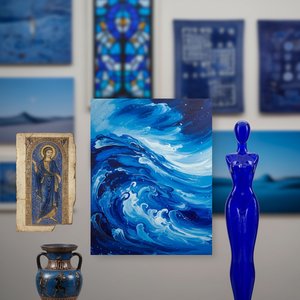
The Allure of Azure: Exploring the Symbolic & Aesthetic Depths of Blue in Art History
Explore the rich history of blue in art! Discover its symbolism, from ancient pigments to modern masterpieces by Kandinsky & Seurat. Uncover the psychological impact and cultural meanings behind this captivating hue.

Rokoko: 10 Remek Dela Koja Su Definisala Eleganciju i Ukus
Otkrijte 10 remek dela koja su definisala rokoko umetnost! Uronite u svet Boucher-a, Watteau-a i Fragonarda. Istorija, stil i inspiracija za vaš dom. Kvalitetne reprodukcije i kuratorski odabiri na ArtsDot.com!
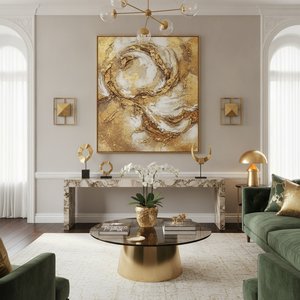
Golden Glow: How to Use Metallic Gold Artworks to Elevate Your Home Decor with Timeless Luxury
Discover how to elevate your home with the timeless elegance of metallic gold artworks. From sculptural metal pieces to gilded oil paintings, learn expert interior design tips for integrating luxurious gold accents into your space with sophistication and grace.