

 Pregledaj u prostoru
 Pošalji
 Podeli
 Detalji o delu

 Преузми
 Slični predmeti
 Rendgenski snimak
 Slajdovi
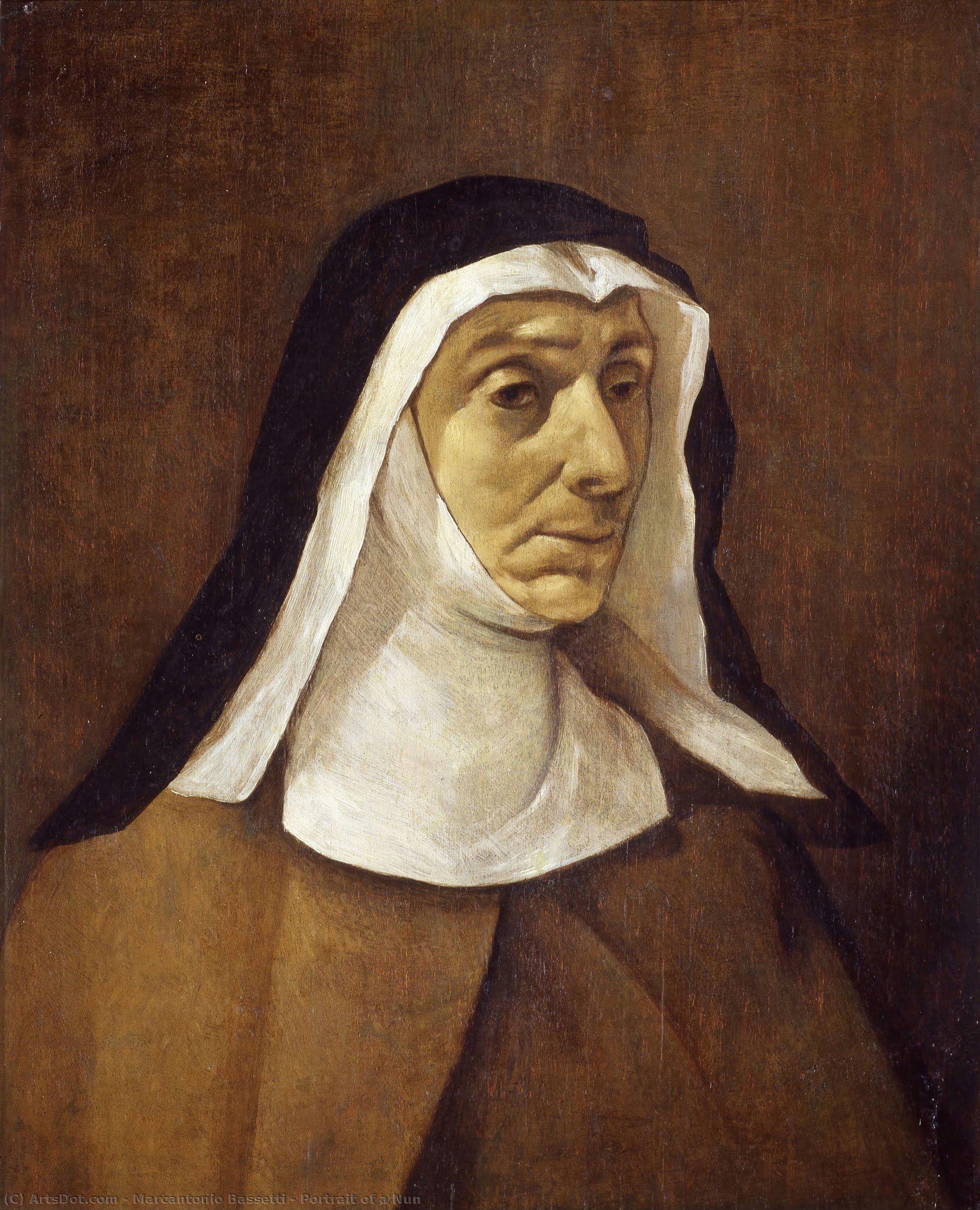
Portrait of a Nun


 Pročitaj više
Ručno rađena uljana reprodukcija
Ručno oslikano uljanim bojama na platnu u dimenzijama i okviru po vašem izboru, izrađeno po porudžbini od strane naših umetnika. ( Kupi print Kupi digitalnu sliku)




P118B $10

P118H $10

P118W $10

P438Z $10

P508JH $12

P508YH $12

P805H $10

P805Z $10

P919BZ $10

P919G $10

P919XJ $10

P959ZH $10

P968JZ $12

W106C $8

W218G $10

W218JH $8

W218Y $10

W307PJ $10

W316G $10

W316PJ $8

W316Y $10

W398PJ $8

W4111J $10

W500HY $15

W500JH $15

W692G $12

W849H $8

W940BG $15

W953PJ $8




Izaberite jednu od naših unapred definisanih veličina koje odgovaraju originalnim proporcijama umetničkog dela.

Можете унети сопствене димензије како бисте прилагодили дело одређеном оквиру или простору. Ако одабрана величина не одговара пропорцијама оригинала, слика ће бити исечена или проширена додатним елементима који се ручно насликавају. Дигитални prikaz ће вам бити послат на одобрење пре почетка производње.
Имајте на уму да преглед на екрану не одражава стварно исецање или проширење. Само приказ (mockup) ће тачно приказати коначну композицију.
Иако су доступне прилагођене величине, препоручујемо да одаберете димензију из дефинисане листе како бисте сачували оригиналне пропорције.
Nakon narudžbine, tim ArtsDot.com će klijentu putem e-pošte poslati uputstva i dostaviti prikaz predloženog rešenja
Isporuka širom sveta () za 3/4 nedelje umesto uobičajenih 5 nedelja. (2 септембар). Bez kompromisa po pitanju kvaliteta.

Besplatna ekspresna dostava širom sveta

Visokokvalitetno laneno platno

Kompletno osiguranje transporta

Garancija povraćaja carine i uvoznih dažbina

Garancija vernosti boja

Politika povrata u roku od 60 dana (samo u slučaju nedostataka)

Garancija povrata novca od 100%

Popust pri grupnoj kupovini
 Opcija sa staklom dostupna je samo za dimenzije manje od 110 cm

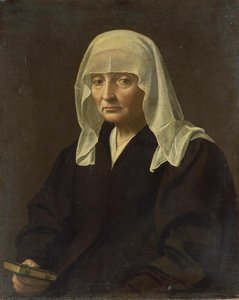
Portrait of a Nun
Tehnika reprodukcije
Dimenzije reprodukcije
-


Konačna cena
$ 263
A Gaze Across Centuries: The Haunting Presence of Bassetti’s Nun
In the quiet intimacy of Marcantonio Bassetti’s Portrait of a Nun, the viewer is not merely an observer but a participant in a profound psychological encounter. Painted around 1600, this work serves as a breathtaking window into the spiritual and emotional intensity of the early seventeenth century. The subject, a nun captured in a moment of startling alertness, commands the frame with an expression that oscillates between divine contemplation and human vulnerability. Her eyes, wide and unblinking, seem to pierce through the veil of time, establishing a direct, almost confrontational connection with anyone who stands before her. This piercing gaze, paired with a mouth slightly parted as if caught in a breath of surprise or silent prayer, imbues the portrait with a living, breathing quality that is rare even among the masters of the Venetian tradition.
The technical mastery displayed in this piece reflects Bassetti’s deep immersion in the chiaroscuro techniques perfected by the great Venetian luminaries. The artist utilizes a dramatic interplay of light and shadow to sculpt the nun's features, pulling her face forward from a textured, somber background. The stark white of her habit acts as a brilliant focal point, contrasting sharply against the earthy, umber tones of the surrounding space. Every brushstroke contributes to a sense of tactile depth; one can almost feel the weight of the heavy fabric and the subtle tension in the subject's posture. This deliberate use of light does more than just illuminate the subject—it creates an atmosphere of sanctity and introspection, elevating a simple portrait into a spiritual meditation.
Beyond its aesthetic brilliance, the painting carries a profound historical and symbolic weight. As a product of the transition from Mannerism to the Baroque, the work embodies the era's shift toward heightened emotional realism and dramatic movement. The nun’s habit is not merely clothing but a symbol of her devotion and renunciation of the secular world, yet Bassetti refuses to strip her of her humanity. Through his nuanced rendering of her expression, he captures the internal struggle between earthly existence and divine calling. For the discerning collector or interior designer, this piece offers more than just decoration; it provides a sophisticated anchor for a room, bringing a sense of historical gravity, intellectual depth, and an enduring, soulful elegance to any curated space.
Srodna umetnička dela
Biografija umetnika
A Venetian Echo in Verona’s Canvas
Marcantonio Bassetti (1588–1630) stands as a pivotal figure within the transition from the late Renaissance to the burgeoning dynamism of the early seventeenth century. Born in the historic city of Verona, Italy, his artistic journey was deeply rooted in the fertile intellectual landscape of his homeland. His formative training began under the tutelage of Felice Ricci, yet it was the magnetic influence of Venice that truly sculpted his creative vision. Immersed in a city pulsating with innovation, Bassetti absorbed the stylistic legacies of luminaries such as Tintoretto, Veronese, and Jacopo Bassano. This Venetian heritage instilled in him a profound appreciation for dramatic composition and a masterful command of chiaroscuro—the evocative interplay of light and shadow that would become a hallmark of his oeuvre.
As his career progressed, Bassetti’s artistry moved beyond mere representation toward an intense pursuit of emotional truth. His time in Rome between 1616 and 1620 proved transformative, as he encountered the revolutionary naturalism championed by Caravaggio and Orazio Borgianni. This encounter with the Roman Baroque movement refined his ability to use light not just as a tool for visibility, but as a medium for spiritual revelation. In his hands, figures emerge from deep, velvety darkness, illuminated by radiant, focused light that conveys profound psychological complexity and visceral immediacy. He did not simply paint biblical narratives; he sought to capture the very essence of devotion and the weight of human experience.
Mastery of Light and Devotion
The breadth of Bassetti’s work reflects the dual pillars of his era: religious fervor and the dignity of the individual. His religious commissions are characterized by a solemnity that commands respect, as seen in notable works such as St. Peter and Saints, created for the San Tommaso Church in Verona. In these sacred scenes, he utilized the dramatic tension of the Baroque style to invite viewers into moments of quiet contemplation and divine encounter. His ability to render the textures of fabric, the weathered skin of saints, and the ethereal glow of heavenly light made him a sought-after painter for ecclesiastical institutions seeking to inspire awe in their congregations.
Beyond the altar, Bassetti’s talent extended into the intimate realm of portraiture, where he applied his mastery of detail to capture the character and wisdom of his subjects. His works often serve as windows into the seventeenth-century soul, blending meticulous observation with a sense of timelessness. Some of his most enduring contributions to the art historical canon include:
- Saint Anthony of Padua: A profound Baroque portrait that utilizes masterful chiaroscuro to capture a moment of quiet, solitary devotion.
- Adoration of the Shepherds: A dramatic 1621 masterpiece that showcases his ability to weave complex biblical narratives through rich details and intense light.
- Portrait of an Old Man with Book: A captivating study of age and intellect, demonstrating his skill in portraying human wisdom through precise, textured execution.
Though his life was tragically short, ending in 1630, Marcantonio Bassetti left behind a legacy that bridges the gap between the structured elegance of Mannerism and the raw, emotional power of the Baroque. His work remains a testament to a period of immense artistic transition, where the shadows of the past met the brilliant, dramatic light of a new era.
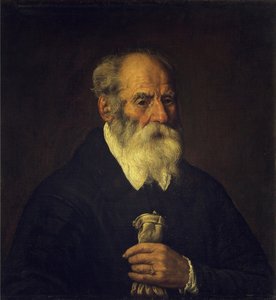
Marcantonio Bassetti
1588 - 1630 , Italy
Osnovne informacije
- Artistic Movement Or Style: Venetian Painting
- Artists Or Movements Influenced By This Artist: ['Renaissance']
- Artists Who Influenced This Artist:
- Tintoretto
- Veronese
- Jacopo Bassano
- Caravaggio
- Graziano Borgianni
- Date Of Birth: Verona, Italy (1588)
- Date Of Death: 1630
- Full Name: Marcantonio Bassetti
- Nationality: Italian
- Notable Artworks:
- Dead Christ Supported by Virgin Mary & Mary Magdalene
- Portrait of an Old Man with Gloves
- Adoration of the Shepherds
- Place Of Birth: Verona
Povezani članci

White on Canvas: 10 Masterpieces & Timeless Elegance for Your Home Decor
Explore 10 iconic white paintings by Monet, Whistler & Rothko! Discover the stories behind these serene masterpieces and their impact on art history. Find museum-quality reproductions for your home decor at .

Jacopo Tintoretto: 25 Remek-dela Venecijanskog Majstora | Reprodukcije i Inspiracija za Dom
Uronite u svet Jacopa Tintoreta! Otkrijte 25 remek-dela venecijanskog renesansnog majstora. Istražite dramatične kompozicije, bogate boje i istoriju umetnosti na ArtsDot.com. Reprodukcije slika za luksuzni enterijer.

Barok Majstor dela: Top 10 Umjetničkih Remeka za Vaš Dom
Otkrijte 10 remek dela koja su definisala baroknu umetnost! Karavagio, Bernini i više – istražite priče iza ovih ikoničnih slika. Inspiracija za vaš dom? Pogledajte kolekciju na ArtsDot.com!
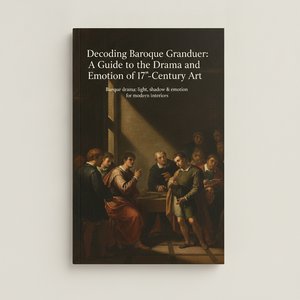
Decoding Baroque Grandeur: A Guide to the Drama and Emotion of 17th-Century Art
Explore the breathtaking drama of 17th-century Baroque art. Our expert guide decodes the use of chiaroscuro, emotional intensity, and historical grandeur to help you appreciate and curate timeless masterpieces for your collection.

The Dramatic Flourish: Exploring the Baroque Movement's Enduring Legacy in Art History
Explore the dramatic world of Baroque art! Discover iconic artists like Caravaggio & Rubens, defining techniques, and its lasting impact on art history. Expert insights for collectors & enthusiasts at ArtsDot.

