

 Pošalji
 Podeli
 Detalji o delu

 Преузми
 Slični predmeti
 Slajdovi
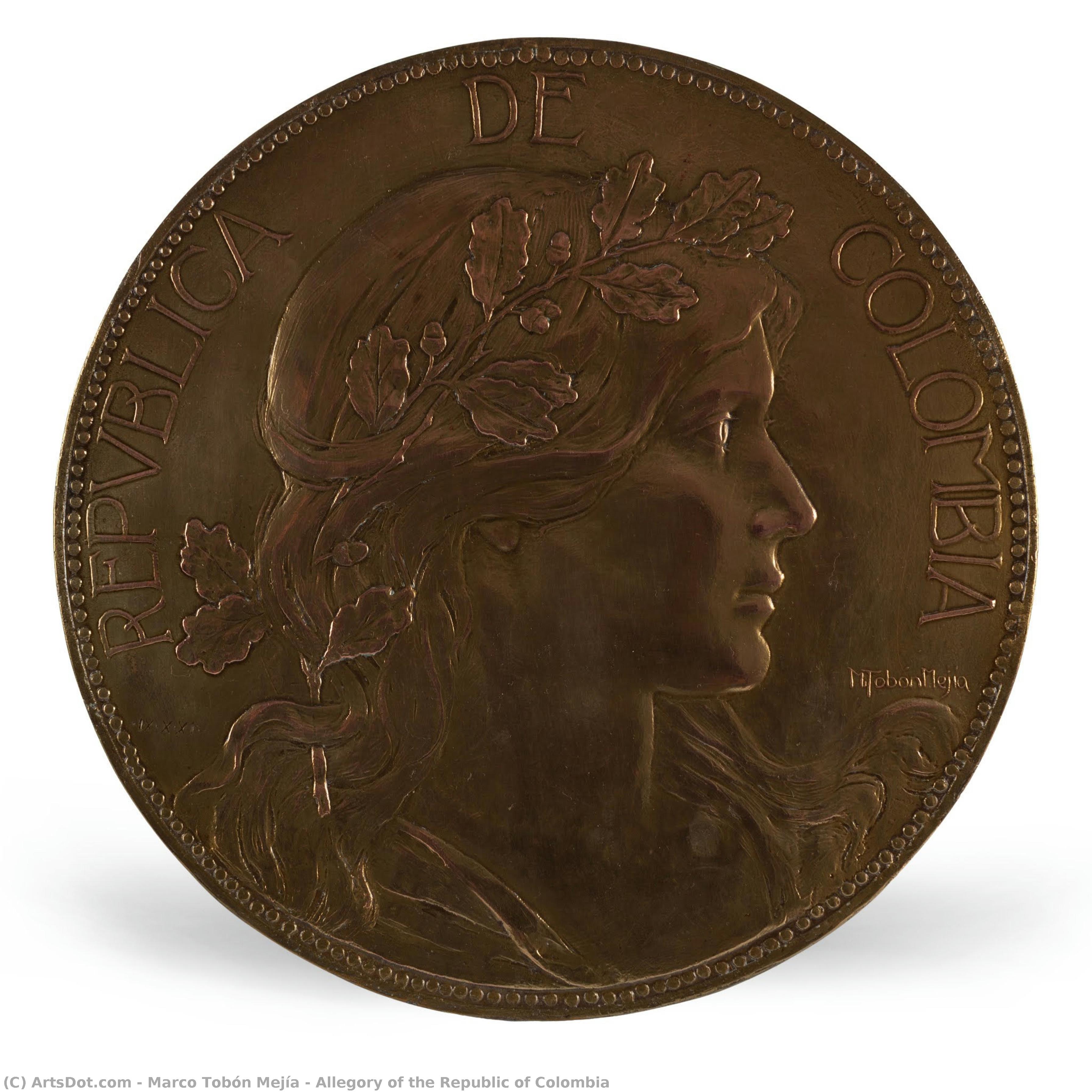
Allegory of the Republic of Colombia


 Pročitaj više
Giclee štampa / Umetnički otisak
Giclée štampa ili print na platnu muzejskog kvaliteta uz brzu proizvodnju i fleksibilne opcije završne obrade. ( Kupi ručno naslikanu sliku Kupi digitalnu sliku)




































Izaberite jednu od naših unapred definisanih veličina koje odgovaraju originalnim proporcijama umetničkog dela.

Možete uneti sopstvene dimenzije kako biste umetničko delo prilagodili specifičnom okviru ili prostoru. Ako odabrani format ne odgovara proporcijama originalne slike, mi ćemo ili iscrtati deo dela ili proširiti sliku pomoću ogledane ivice ili jednobojnog popunjavanja. Digitalni prikaz će vam biti poslat na odobrenje pre početka proizvodnje.
Imajte na umu da pregled na ekranu ne odražava stvarno iscrtavanje ili proširivanje. Samo će prikaz (mockup) precizno pokazati finalnu kompoziciju.
Iako su prilagođene dimenzije dostupne, preporučujemo da odaberete dimenziju sa unapred definisane liste kako biste očuvali originalne proporcije.
Dostava širom sveta () za 2 nedelje umesto uobičajenih 4/5 nedelja. (5 септембар)

Besplatna ekspresna dostava širom sveta

Visokokvalitetno laneno platno

Kompletno osiguranje transporta

Garancija povraćaja carine i uvoznih dažbina

Garancija vernosti boja

Politika povrata u roku od 60 dana (samo u slučaju nedostataka)

Garancija povrata novca od 100%

Popust pri grupnoj kupovini
 Opcija sa staklom dostupna je samo za dimenzije manje od 110 cm

Allegory of the Republic of Colombia
Giclee štampa / Umetnički otisak
Dimenzije reprodukcije
-


Konačna cena
$ 62
The Weight of Allegory: Marco Tobón Mejía’s Coin – A Portrait of Colombia
This exceptional bronze coin, meticulously rendered by Colombian sculptor Marco Tobón Mejía, offers a profound glimpse into the artistic sensibilities of early 20th-century Latin America. More than just a monetary device, it is a potent allegory—a visual embodiment of the Republic of Colombia itself, crafted with the delicate balance of neoclassicism and the evocative curves characteristic of Art Nouveau. The image captures a moment frozen in time: a woman’s face, regal yet approachable, staring directly at the viewer, demanding attention and inviting contemplation.
- The Artist's Vision: Marco Tobón Mejía (1876-1933), born in Santa Rosa de Osos, was a pivotal figure bridging two distinct artistic movements. His training under Francisco Antonio Cano instilled a rigorous classical foundation, while his experiences abroad – particularly in Cuba where he produced illustrations for *Le Figaro* – exposed him to the flowing lines and naturalistic forms of Art Nouveau. This synthesis is powerfully evident in this coin’s design.
- Neoclassical Influence: The woman's profile, rendered with a precise attention to detail, speaks directly to the neoclassical tradition, emphasizing order, dignity, and idealized beauty – values often associated with republican ideals. Her posture conveys strength and authority, reflecting the aspirations of a young nation seeking to establish itself on the world stage.
- Art Nouveau’s Organic Touch: Yet, this is not merely a cold, formal representation. The swirling leaf design encircling her head introduces the organic forms favored by Art Nouveau, softening the rigidity of the neoclassical style and imbuing the image with a sense of vitality and connection to nature – a recurring theme in Colombian art and folklore.
Symbolism Woven into Bronze
The coin’s iconography is rich with symbolic meaning. The woman herself represents the nation—a female figure frequently employed in allegorical representations of republics, embodying virtues such as justice, wisdom, and patriotism. The crown signifies sovereignty and leadership, while the leaves evoke Colombia's lush landscapes – a deliberate nod to the country’s abundant natural resources and its connection to the earth. The writing on the background, likely denoting denomination or origin, further anchors the piece within its historical context, reminding us of the coin’s function as both a symbol and a tool of commerce.
- Female Allegory: The use of a female figure in this way was common during the early 20th century, reflecting broader societal views on femininity and its role within the nation.
- Natural Symbolism: The inclusion of leaves is significant given Colombia’s rich biodiversity and the importance of agriculture to the country's economy and identity.
Craftsmanship and Technique
This reproduction captures the exquisite craftsmanship that characterized Tobón Mejía’s work. Bronze casting, a technique perfected over centuries, allowed for remarkable detail and durability. The surface finish is smooth and polished, highlighting the subtle variations in tone within the metal – a testament to the artist's skill and the precision of the foundry. The level of detail—from the delicate folds of her garment to the intricate veins of the leaves—demonstrates Tobón Mejía’s mastery of his chosen medium.
A Legacy of Artistic Innovation
Marco Tobón Mejía’s “Allegory of the Republic of Colombia” stands as a remarkable achievement, showcasing a unique synthesis of artistic styles and symbolic thought. This reproduction offers an opportunity to own a piece of Colombian art history—a tangible connection to a pivotal moment in the nation's cultural development. Its enduring appeal lies not only in its aesthetic beauty but also in the profound questions it raises about identity, power, and the relationship between humanity and nature.
Srodna umetnička dela
Biografija umetnika
Marco Tobón Mejía: A Colombian Sculptor Bridging Neoclassicism and Art Nouveau
Marco Tobón Mejía (1876-1933) stands as a pivotal figure in Colombian art history, recognized primarily for his sculptural contributions that skillfully blended the grandeur of neoclassicism with the organic fluidity of Art Nouveau. Born in Santa Rosa de Osos, Colombia, near Medellín, Tobón’s artistic journey began with meticulous drawing and painting under the tutelage of Francisco Antonio Cano, establishing a foundational understanding of artistic principles before venturing into broader explorations of form and technique. His early career encompassed involvement in *Lectura y Arte*, showcasing his commitment to disseminating artistic ideas within his homeland, and he gained considerable acclaim for his decorative illustrations for publications like *Le Figaro* during his time in Cuba—a period marked by exposure to European artistic currents. From 1910 until his untimely death in Paris in 1933, Tobón dedicated himself principally to sculpting in bronze, electroplate, and pewter, achieving international renown alongside celebrated artists such as Auguste Rodin, Aristide Maillol, and Antoine Bourdelle. These collaborations fostered a dialogue between artistic styles and techniques, profoundly influencing Tobón’s oeuvre. He meticulously studied the works of these masters, absorbing their approaches to capturing human form and conveying emotion through sculptural expression.- Early Life & Artistic Training: Tobón's formative years instilled in him a disciplined aesthetic sensibility and a dedication to mastering drawing and painting fundamentals. His studies with Cano provided invaluable insight into classical artistic traditions, shaping his subsequent stylistic choices.
- Cuban Influence & Decorative Illustration: Tobón’s residency in Cuba exposed him to the vibrant artistic landscape of Europe, fostering his talent for decorative illustration—a skill honed during his collaborations with *Le Figaro*.
- Parisian Atelier & Artistic Partnerships: The Parisian atelier became a crucible of innovation, where Tobón engaged in fruitful partnerships with Rodin, Maillol, and Bourdelle. These encounters propelled him to refine his sculptural vision and embrace stylistic experimentation.
Notable Sculptures & Artistic Style
Tobón’s artistic style is characterized by a harmonious fusion of neoclassic rigor and Art Nouveau elegance. He favored monumental sculptures in bronze, often depicting idealized figures—particularly female nudes—infused with grace and anatomical precision reminiscent of Rodin's explorations of human form. Simultaneously, he embraced the flowing lines and organic motifs emblematic of Art Nouveau, evident in his reliefs and decorative pieces. His meticulous attention to detail and masterful manipulation of material contributed to the enduring beauty and expressive power of his sculptures. Among his most celebrated works are *Poetry* (La Poesía), a stunning marble nude honoring José Asunción Silva—a testament to Tobón’s ability to convey profound emotion through sculptural form—and *The Silence*, another monumental sculpture residing at the Colombian National Museum, reflecting a contemplative aesthetic rooted in classical ideals. Furthermore, he created sculptures commemorating prominent figures like José María Córdova and Pedro Justo Berrío, cementing his legacy as a sculptor committed to honoring national history and culture.- Poetry (La Poesía): Dedicated to Silva, this marble sculpture exemplifies Tobón’s neoclassical mastery in capturing idealized beauty and conveying emotional depth.
- The Silence: Located at the Colombian National Museum, this monumental sculpture embodies Tobón's contemplative artistic vision and reflects his engagement with classical sculptural traditions.
- Monument to the Flag: Created for November 11th Park, this sculpture commemorates Colombia’s national holiday and showcases Tobón’s ability to translate symbolic ideas into tangible form.
Legacy & Recognition
Marco Tobón Mejía's sculptures continue to inspire artists and art enthusiasts alike, serving as enduring symbols of Colombian artistic heritage. His stylistic synthesis—a harmonious blend of neoclassicism and Art Nouveau—demonstrates his profound understanding of artistic principles and his unwavering commitment to excellence. Recognized internationally for his sculptural achievements, Tobón’s work resides in prestigious museums across Colombia and beyond, guaranteeing that his contribution to the art world will endure for generations to come. His sculptures stand as monuments to beauty, grace, and intellectual contemplation—a testament to the transformative power of artistic vision.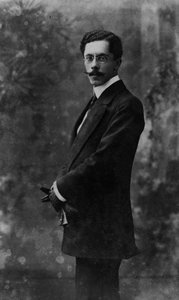
marco tobón mejía
1876 - 1933 , Colombia
Osnovne informacije
- Artistic Movement Or Style: Neoclassical & Art Nouveau
- Artists Or Movements Influenced By This Artist: ['Neoclassical Architecture']
- Artists Who Influenced This Artist:
- Auguste Rodin
- Aristide Maillol
- Antoine Bourdelle
- Date Of Birth: 1876
- Date Of Death: 1933
- Full Name: Marco Tobón Mejía
- Nationality: Colombian
- Notable Artworks:
- Poetry
- The Silence
- Monument to the Flag
- Place Of Birth: Santa Rosa de Osos, Colombia
Povezani članci

Bronze Sculptures That Defined Art History | ArtsDot
Journey through art history with our Top 10 bronze sculptures! Explore masterpieces by Rodin, Michelangelo & more. Discover stories behind iconic statues and find museum-quality reproductions for your home decor at ArtsDot.com.

The Enduring Form: Exploring Themes & Techniques in Sculpture Across Historical Periods
Explore the rich history of sculpture from ancient masterpieces to contemporary innovations. Discover key techniques, influential artists & investment potential for discerning art collectors.

Bronze Age to Modern Masters: 10 Sculptures That Redefined Art | ArtsDot
Journey through art history with 10 legendary bronze sculptures – from Michelangelo's David to Rodin’s Thinker. Explore the stories, techniques & timeless beauty of these masterpieces. Find museum-quality reproductions & elevate your home decor on ArtsDot.com.

The Enduring Form: Sculpture Across History, Technique & Emotional Resonance
Explore the rich history of sculpture with ArtsDot. Discover key techniques, influential artists & investment potential for discerning collectors. Expert insights into valuing and collecting timeless masterpieces.
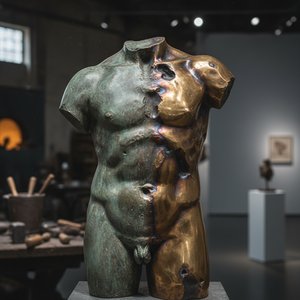
Nasleđe bronze: Istorija, tehnike i savremene interpretacije skulpture – vodič za kolekcionare
Istražite bogatu istoriju bronze i tehnike livenja skulptura. Saveti za kolekcionare, investiciono vrednovanje i savremene interpretacije aluminijumske bronze. ArtsDot – stručnjaci za umetnost.

