 Pregledaj u prostoru
 Pošalji
 Podeli
 Detalji o delu

 Преузми
 Slični predmeti
 Rendgenski snimak
 Slajdovi
 Stats
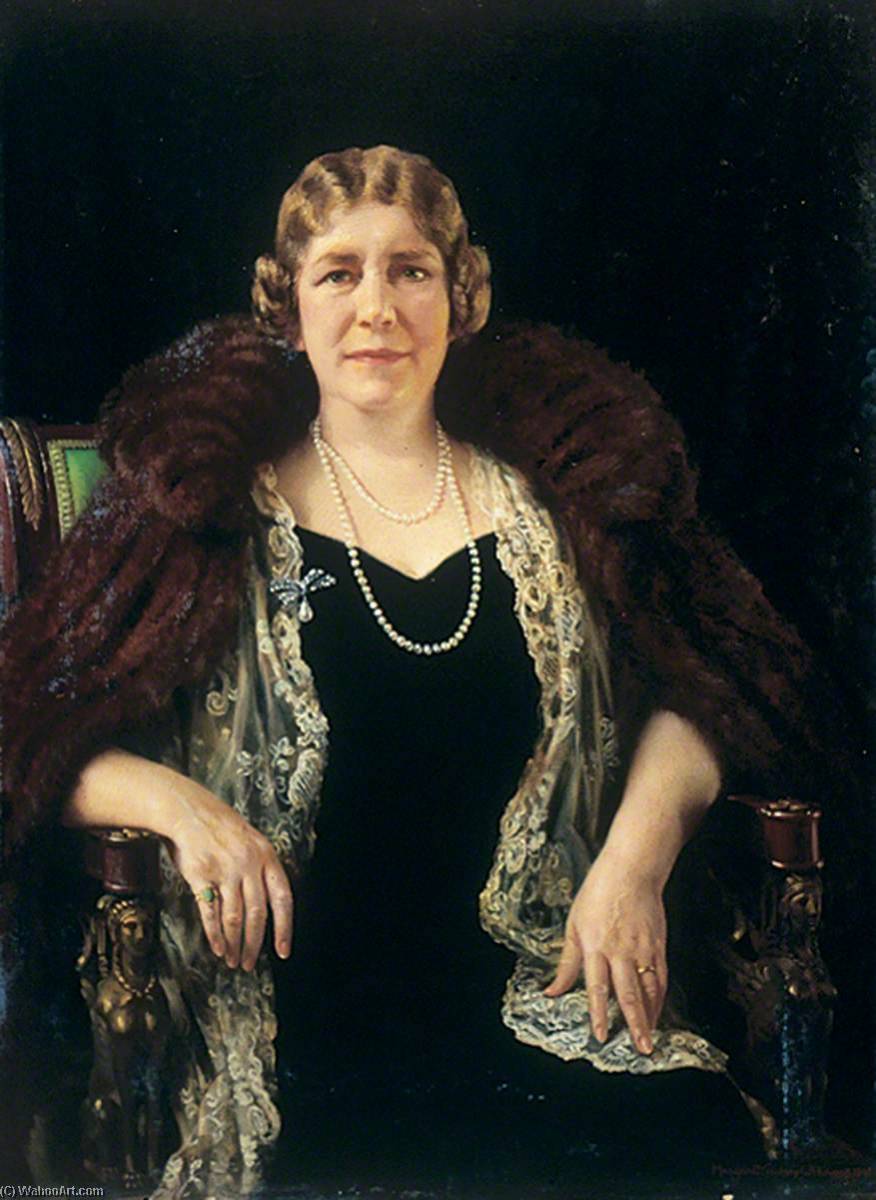
StatsЛеди Сноудон
 Akril na platnu
- Umetnost za zidove
- Romantic Portraiture
 1944
1944 102.0 x 76.0 cm
 Leeds Art Gallery
 Pročitaj više
Ručno rađena uljana reprodukcija
Ručno oslikano uljanim bojama na platnu u dimenzijama i okviru po vašem izboru, izrađeno po porudžbini od strane naših umetnika. ( Switch to Print Switch to Digital Image)




P118B $10

P118H $10

P118W $10

P438Z $10

P508JH $12

P508YH $12

P805H $10

P805Z $10

P919BZ $10

P919G $10

P919XJ $10

P959ZH $10

P968JZ $12

W106C $8

W218G $10

W218JH $8

W218Y $10

W307PJ $10

W316G $10

W316PJ $8

W316Y $10

W398PJ $8

W4111J $10

W500HY $15

W500JH $15

W692G $12

W849H $8

W940BG $15

W953PJ $8




Izaberite jednu od naših unapred definisanih veličina koje odgovaraju originalnim proporcijama umetničkog dela.

Можете унети сопствене димензије како бисте прилагодили дело одређеном оквиру или простору. Ако одабрана величина не одговара пропорцијама оригинала, слика ће бити исечена или проширена додатним елементима који се ручно насликавају. Дигитални prikaz ће вам бити послат на одобрење пре почетка производње.
Имајте на уму да преглед на екрану не одражава стварно исецање или проширење. Само приказ (mockup) ће тачно приказати коначну композицију.
Иако су доступне прилагођене величине, препоручујемо да одаберете димензију из дефинисане листе како бисте сачували оригиналне пропорције.
Nakon narudžbine, tim ArtsDot.com će klijentu putem e-pošte poslati uputstva i dostaviti prikaz predloženog rešenja
Isporuka širom sveta () za 3/4 nedelje umesto uobičajenih 5 nedelja. (8 септембар). Bez kompromisa po pitanju kvaliteta.

Besplatna ekspresna dostava širom sveta

Visokokvalitetno laneno platno

Kompletno osiguranje transporta

Garancija povraćaja carine i uvoznih dažbina

Garancija vernosti boja

Politika povraćaja u roku od 100 dana (isključivo u slučaju nedostataka)

Garancija povrata novca od 100%

Popust pri grupnoj kupovini
 Opcija sa staklom dostupna je samo za dimenzije manje od 110 cm

Леди Сноудон
Tehnika reprodukcije
Dimenzije reprodukcije
-


Konačna cena
$ 263
Lady Snowdon - A Portrait of Elegance Captured in Oil
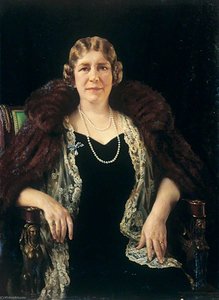
Margaret Lindsay Williams’ Lady Snowdon is more than just a painting; it's a testament to the artist’s mastery of portraiture and her ability to distill the essence of a woman into a single, unforgettable image. Completed in 1944 during the tumultuous years of World War II, this oil on canvas masterpiece transcends its historical context to offer a timeless exploration of grace and sophistication. Measuring 102 x 76 cm and currently residing at the Leeds Art Gallery in Leeds, United Kingdom, Lady Snowdon remains a captivating subject for art historians and collectors alike.- Subject Matter: The portrait depicts Lady Snowdon, wife of Lord Snowdon (Anthony Armstrong-Jones), capturing her regal poise amidst a backdrop of understated elegance.
- Style & Technique: Williams employs a dramatic chiaroscuro technique—the skillful manipulation of light and shadow—to sculpt the figure’s form and imbue it with depth. This approach emphasizes Lady Snowdon's facial features, highlighting her gaze and conveying an aura of quiet confidence.
- Medium: Painted in oil on canvas, Williams utilizes rich pigments to achieve luminous colors and intricate textural details. The artist’s meticulous brushstrokes contribute to the painting’s overall impression of refined artistry.
Historical Context & Artistic Influences
Created during a period marked by global conflict and societal upheaval, Lady Snowdon reflects the artistic sensibilities prevalent in Britain at the time. Williams draws inspiration from Impressionist painters like Claude Monet and Edgar Degas, particularly their exploration of light and movement—elements subtly incorporated into the composition to convey Lady Snowdon’s inner serenity. The painting's formal restraint serves as a counterpoint to the anxieties of wartime Europe, presenting an image of dignified beauty amidst uncertainty.Symbolism & Emotional Resonance
The choice of black dress symbolizes mourning and solemnity, yet Lady Snowdon wears pearls—a traditional emblem of purity and virtue—suggesting resilience and inner strength. The fur stole draped over her shoulders adds to the portrait’s opulent aesthetic, representing wealth and status while simultaneously hinting at warmth and comfort. More profoundly, Williams captures a moment of contemplative stillness, inviting viewers to contemplate Lady Snowdon's character and conveying an emotional resonance that transcends time.A Legacy of Artistic Excellence
Margaret Lindsay Williams’ Lady Snowdon stands alongside other notable portraits from the era—including Thomas Cantrell Dugdale’s depiction of William Temple and Augustus Edwin John’s portrait of David Davies—demonstrating the enduring power of oil painting as a medium for conveying psychological depth and artistic brilliance. Its meticulous craftsmanship and evocative portrayal continue to inspire admiration and serve as a reminder of Williams' contribution to British art history. A reproduction of Lady Snowdon would undoubtedly grace any discerning collection, offering a glimpse into a moment of refined beauty preserved forever on canvas.Srodna umetnička dela
Biografija umetnika
Margaret Lindsay Williams: A Life in Portraiture
Margaret Lindsay Williams (1888-1960) was a celebrated Welsh artist renowned for her striking portraits of British royalty, European nobility, and American presidents. Though highly successful during her lifetime, her work experienced a period of relative obscurity before being rediscovered as an important figure in 20th-century portraiture.
Early Life and Education
Born in Cardiff, Wales, Margaret Lindsay Williams was the eldest daughter of Samuel A. Williams, a shipbroker, and Martha Margaret Lindsay, of Scottish descent. From the age of nine, she resided at 9 Windsor Road, Barry. Her artistic talent became evident early on, winning a gold medal for art at Cardiff School of Art in 1904. She continued her studies at the Pelham Street School of Painting in Kensington (1905), preparing for entry into the prestigious Royal Academy.
Royal Academy and Early Career
Williams enrolled at the Royal Academy School in 1906, quickly distinguishing herself. In 1911, she achieved a remarkable feat – winning a gold medal for her painting The City of Refuge , becoming both the youngest artist and the first from Wales to receive this honor. Supported by her father, she established her own studio at Eaton Terrace in St John's Wood that same year. A travel scholarship followed in 1912, allowing her to study in Italy and Holland under the guidance of John Singer Sargent .
Artistic Development and Style
Williams’ style evolved from early academic training towards a distinctive approach to portraiture. She skillfully captured not only physical likeness but also the personality and status of her sitters. Her work demonstrates a mastery of technique, with meticulous attention to detail and a refined use of color. While primarily known for portraits, she also explored religious themes and imaginative compositions during and after World War I.
Wartime Experiences and Commissions
At the outbreak of World War I, Williams actively sought an appointment as an official war artist with the Welsh Division in France. Despite support from David Lloyd George , her request was denied due to prevailing societal norms regarding women’s roles during wartime. She contributed illustrations for a prose anthology supporting Welsh troops and later undertook large-scale commissions, including depictions of scenes at Cardiff Royal Infirmary and Cardiff City Hall.
Major Achievements and Notable Works
- Welsh National Service at Westminster Abbey (1918): Her most ambitious work – a 20x16 foot canvas featuring approximately 150 portraits, including Queen Alexandra and Princess Victoria.
- Portraits of Royalty: She painted numerous portraits of Queen Alexandra, Queen Mary, Princess Margaret, and at least five portraits of Queen Elizabeth II .
- Presidential Portrait: Commissioned to paint a near life-size portrait of President Warren Harding in 1922.
- St Paul's Cathedral Thanksgiving Service (1933): A large group portrait including King George V and Queen Mary, commemorating the cathedral’s re-opening.
Later Life and Legacy
Williams continued to receive commissions from prominent families in Wales and London throughout the mid-20th century. She painted portraits of figures like Henry Ford and Field Marshal Slim. Although celebrated during her lifetime, her work faded from prominence after her death in 1960. Today, there is a growing recognition of her talent and contribution to British portraiture, with renewed interest in her life and artistic achievements.
Influences
Margaret Lindsay Williams was significantly influenced by John Singer Sargent’s approach to portraiture. Her work also reflects the academic traditions of the Royal Academy and a broader engagement with contemporary artistic trends.
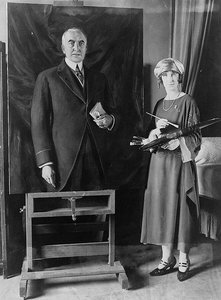
Margaret Lindsay Williams
1888 - 1960
Osnovne informacije
- Birth_Date: 1888
- Birth_Place: Cardiff, Wales
- Death_Date: 1960
- Influenced: None, 'influenced_by': 'John Singer Sargent', 'movement': 'Portraiture, Figurative Art', 'name': 'Margaret Lindsay Williams', 'nationality': 'Welsh', 'notable_works':
Povezani članci
Porodica u sliku: Vekovni portret generacija – inspirativni vodič za mame
Otkrijte kako da sa profesionalnim umetnikom stvorite generacijski porodični portret koji čuva ličnu baštinu. Naš tim stručnjaka garantuje autentičnost, kvalitet i pouzdanost – vašim najdražim trenucima u platnom obliku.
Sir Joshua Reynolds' Masterpieces: 25 Portraits of Power & Refinement | ArtsDot
Explore 25 captivating portraits by Sir Joshua Reynolds, a master of British art. Discover stories behind his iconic paintings, elegant style & historical influence. Find museum-quality reproductions and elevate your home decor on ArtsDot.com.
Evolving Portraits: Personalized Art as a Chronicle of Family Life Across Generations
Create a timeless family legacy with custom portraits! ArtsDot connects you with skilled artists for heirloom-quality paintings & prints. Explore styles, commission your unique artwork today.
The Enduring Legacy of Family Portraiture: A Historical & Artistic Exploration
Explore the rich history of family portraiture with ArtsDot. Discover artistic styles, symbolism & collecting insights. Commission a custom oil painting or appraise your existing artwork today!
Elegant Art: 10 Masterpieces for a Refined Home |
Indulge in elegance with our Top 10 artworks! Explore masterpieces by Monet, Rembrandt & more. Discover timeless beauty, rich history & inspiring color palettes for your home decor. Find museum-quality art reproductions at .