


 Pregledaj u prostoru
 Pošalji
 Podeli
 Detalji o delu

 Преузми
 Slični predmeti
 Rendgenski snimak
 Slajdovi
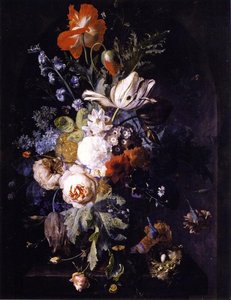
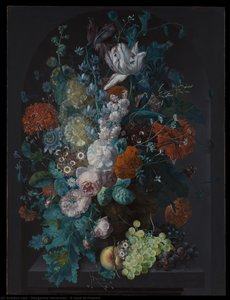
A Vase of Flowers
 1716
1716 79.0 x 60.0 cm
 Metropolitan Museum of Art
 Pročitaj više
Giclee štampa / Umetnički otisak
Giclée štampa ili print na platnu muzejskog kvaliteta uz brzu proizvodnju i fleksibilne opcije završne obrade. ( Kupi ručno naslikanu sliku Kupi digitalnu sliku)




































Izaberite jednu od naših unapred definisanih veličina koje odgovaraju originalnim proporcijama umetničkog dela.

Možete uneti sopstvene dimenzije kako biste umetničko delo prilagodili specifičnom okviru ili prostoru. Ako odabrani format ne odgovara proporcijama originalne slike, mi ćemo ili iscrtati deo dela ili proširiti sliku pomoću ogledane ivice ili jednobojnog popunjavanja. Digitalni prikaz će vam biti poslat na odobrenje pre početka proizvodnje.
Imajte na umu da pregled na ekranu ne odražava stvarno iscrtavanje ili proširivanje. Samo će prikaz (mockup) precizno pokazati finalnu kompoziciju.
Iako su prilagođene dimenzije dostupne, preporučujemo da odaberete dimenziju sa unapred definisane liste kako biste očuvali originalne proporcije.
Dostava širom sveta () za 2 nedelje umesto uobičajenih 4/5 nedelja. (24 август)

Besplatna ekspresna dostava širom sveta

Visokokvalitetno laneno platno

Kompletno osiguranje transporta

Garancija povraćaja carine i uvoznih dažbina

Garancija vernosti boja

Politika povrata u roku od 60 dana (samo u slučaju nedostataka)

Garancija povrata novca od 100%

Popust pri grupnoj kupovini
 Opcija sa staklom dostupna je samo za dimenzije manje od 110 cm

A Vase of Flowers
Giclee štampa / Umetnički otisak
Dimenzije reprodukcije
-


Konačna cena
$ 62
Opis predmeta
Artistic Background
Margareta Haverman was an 18th-century flower painter from the Northern Netherlands. Born into a family of artists, she was trained in the art of painting from a young age. Her work is characterized by its attention to detail and use of vibrant colors, which are evident in "A Vase of Flowers". This painting is now part of the collection at the Metropolitan Museum of Art in New York. The composition of the painting features a beautiful arrangement of flowers in a vase, set against a dark background. The use of light and shadow creates a sense of depth and dimensionality, drawing the viewer's eye into the painting. The flowers themselves are rendered with great care, their petals and leaves exhibiting a range of colors from soft pastels to vibrant hues. Key Features of the painting include:- The use of oil paint to create a rich and textured surface
- The arrangement of flowers in a vase, which creates a sense of balance and harmony
- The dark background, which provides contrast and highlights the colors of the flowers
To learn more about Margareta Haverman and her work, visit ArtsDot.com, which features a range of articles and resources on this talented artist.
Srodna umetnička dela






Biografija umetnika
Margaretha Haverman: A Delicate Touch in Dutch Botanical Art
Margaretha Haverman (bapt. 28 October 1693 – after 1739) stands as a singular figure within the annals of 18th-century Dutch art, primarily recognized for her masterful depictions of flowers—a genre that reflects the burgeoning scientific interest in botany during her lifetime.
Born in Breda to Daniël Haverman, a captain serving with the Danish army who relocated to Amsterdam as director of a boys’ school, Margaretha’s upbringing instilled in her an appreciation for intellectual pursuits alongside artistic talent. Notably, Jan van Huysum's biography recounts that Haverman was considered his sole pupil—a claim substantiated by Van Huysum himself, though debated regarding the veracity of the circumstances surrounding their association.
Van Huysum’s influence extended beyond mentorship; he famously expressed reservations about accepting male pupils due to concerns about revealing his artistic methods. This preference highlights Haverman's position as an exception—a woman navigating a predominantly male artistic landscape, albeit one where her presence was viewed with caution by some contemporaries.
Her acceptance into the Académie royale de peinture et de sculpture in 1722 proved pivotal, yet simultaneously fraught with complication. While acknowledging Haverman’s ambition and talent, Van Huysum defended his reputation against accusations of accepting female assistance—a stance indicative of societal biases prevalent at the time. The ensuing controversy underscored the pressures faced by artists striving for recognition within a conservative academic environment.
Despite limited surviving documentation regarding her life beyond marriage to Jacques de Mondoteguy in 1721 and subsequent relocation to Paris, Haverman’s artistic legacy persists through two authenticated flower paintings: “A Vase of Flowers,” housed at the Metropolitan Museum of Art, and “Flowers in a Vase,” residing in the Statens Museum for Kunst. These works exemplify Haverman's meticulous technique—characterized by subtle gradations of color and an uncanny ability to capture the ephemeral beauty of botanical specimens.
Her paintings are frequently documented in estate inventories, demonstrating their importance within the artistic circles of her era. Though overshadowed by Van Huysum’s fame, Haverman’s contribution to Dutch botanical art remains significant—a testament to a woman artist who defied convention and achieved renown through dedication to her craft.
margareta haverman
1693 - 1723
Osnovne informacije
- Artistic Movement Or Style: Botanical Painting
- Artists Or Movements Influenced By This Artist: ['European Art History']
- Artists Who Influenced This Artist: ['Jan van Huysum']
- Date Of Birth: October 28, 1693
- Full Name: Margaretha Haverman
- Nationality: Dutch Republic
- Notable Artworks: ['A Vase of Flowers']
- Place Of Birth: Breda, Netherlands

