

 Pregledaj u prostoru
 Pošalji
 Podeli
 Detalji o delu

 Преузми
 Slični predmeti
 Rendgenski snimak
 Slajdovi
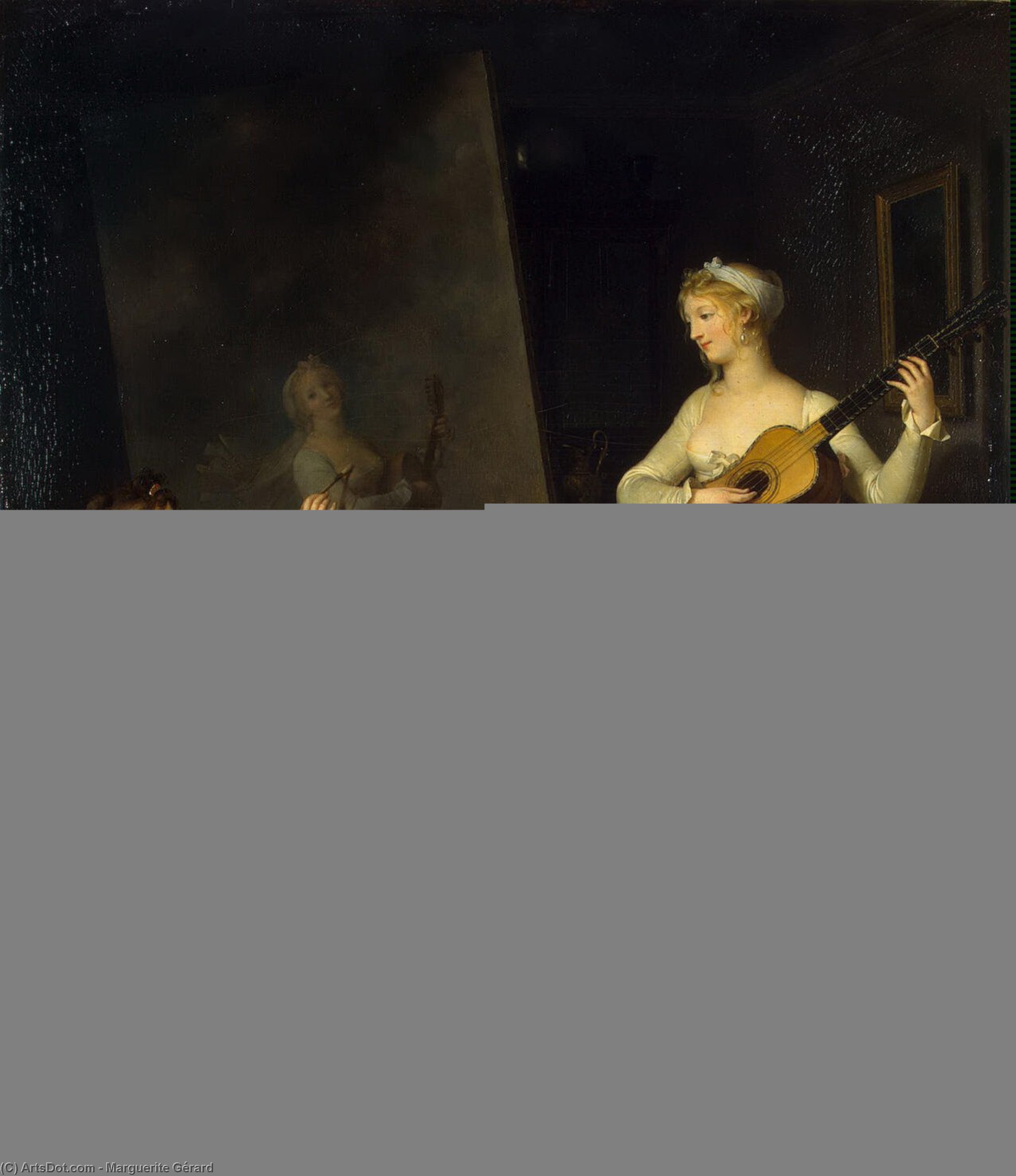
Artist Painting a Portrait of a Musician
 Oil On Canvas
- WallArt
- Neoclassical/Romantic
 1803
1803 61.0 x 52.0 cm
 Hermitage Museum
 Pročitaj više
Kupite digitalnu sliku visoke rezolucije i poboljšanog kvaliteta, koja je znatno superiornija od onoga što vidite u online prikazu.
Svaka datoteka je pedantno pripremljena od strane naših stručnjaka koristeći napredne alate i profesionalnu ručnu retušu. Osiguravamo da svaka slika ima izuzetnu oštrinu, preciznu reprodukciju boja i fine detalje.
Konačna datoteka se dostavlja putem e-pošte u roku od 72 sata, optimizovana za neposrednu upotrebu u profesionalnim, izdavačkim i štamparskim okruženjima. To je isti kvalitet kojem veruju vrhunski studiji dizajna, izdavači i galerije.
Digitalna slika
Preuzmite datoteku visoke rezolucije za ličnu upotrebu, štampanje i kreativne projekte. ( Kupi print Kupi ručno naslikanu sliku)
Uključeno uz svaku porudžbinu digitalne slike
Profesionalna digitalna isporuka, zagarantovana
Kada odaberete ArtsDot.com, ne dobijate samo sliku – vi primate profesionalno unapređeno digitalno umetničko delo, izrađeno sa najvećom preciznošću i uz garanciju zadovoljstva. Evo svega što automatski dolazi uz vašu porudžbinu:

Brza dostava putem e-pošte
Vaša digitalna slika visoke rezolucije biće vam poslata putem e-pošte u roku od 72 sata od poručivanja – spremna za trenutnu upotrebu.

Digitalna datoteka unapređena veštačkom inteligencijom
Vaše umetničko delo je profesionalno optimizovano korišćenjem naprednih AI alata i ručne obrade, čime se osiguravaju maksimalni detalji, oštrina i preciznost boja.

Besplatna ponovna isporuka doživotno
Slučajno ste obrisali ili izgubili svoju datoteku? Ne brinite – poslaćemo vam je ponovo u bilo kom trenutku, potpuno besplatno.

Bez troškova uvoza – zauvek
Uživajte u svojim umetničkim delima trenutno, bez carine, dažbina ili troškova dostave – digitalni download je uvek bez poreza.

Garancija vernosti boja
Uz pomoć profesionalnih alata i upravljanja bojama, osiguravamo da vaša digitalna slika što vernije odražava originalne boje.

Garancija zadovoljstva u roku od 60 dana
Ako niste zadovoljni svojom digitalnom slikom, revidirat ćemo je ili vratiti 100% novca u roku od 60 dana – bez ikakvih pitanja.

100% garancija povrata novca
Niste zadovoljni? Obezbedite pun povrat novca u roku od 60 dana od trenutka kada ste primili svoju digitalnu datoteku – bez suvišnih pitanja.

Popusti na velike porudžbine
Kupite 3 slike, uštedite 10% - Kupite 5 slika, uštedite 15% - Kupite 10+ slika, uštedite 20%. Odlično za kreativne projekte, galerije i agencije.
A Moment of Artistic Intimacy: Marguerite Gérard’s Portrait of a Musician
Marguerite Gérard's "Artist Painting a Portrait of a Musician," completed in 1803, is more than just a depiction of two women engaged in artistic activity; it’s a poignant glimpse into the vibrant intellectual and social life of late 18th-century France. This intimate scene, rendered in soft oils on panel, captures a fleeting moment of shared creativity within an artist's studio – a space brimming with potential and quiet contemplation. The painting immediately draws the viewer in with its muted palette of earthy browns, creams, and subtle pinks, creating a sense of warmth and domesticity that belies the sophisticated artistic sensibilities at play.
Gérard, a pioneering woman artist who navigated the restrictive world of 19th-century art academies, skillfully employs a Neoclassical style infused with Romantic undertones. The composition is meticulously balanced, reminiscent of the portraiture traditions of her mentor, Jean-Honoré Fragonard, yet imbued with a distinctly personal touch. The placement of the musicians – one poised with a guitar, the other lost in the melody of her violin – establishes a palpable connection between them, suggesting a shared passion and perhaps even a nascent collaboration. The inclusion of a dog, curled contentedly at the feet of the seated woman, adds a layer of domestic charm and reinforces the scene’s sense of tranquility.
The Studio as Canvas: Composition and Technique
The painting's strength lies not only in its subject matter but also in Gérard’s masterful technique. She demonstrates a remarkable ability to capture both form and atmosphere, utilizing soft, flowing lines that define the figures’ clothing and instruments with understated elegance. The edges of the forms are deliberately blurred, creating a hazy quality that contributes to the overall sense of intimacy and invites the viewer to step into the scene. Linear elements – the strings of the guitar and violin, the architectural details hinted at in the background – provide subtle anchors within the composition, guiding the eye through the space.
Gérard’s brushwork is remarkably delicate, blending strokes with a remarkable subtlety that results in surfaces that appear both smooth and textured. The use of glazes—thin layers of translucent paint—allows her to build up color gradually, creating nuanced tonal variations and adding depth to the figures' attire and the studio setting. The diffused lighting, emanating from an unseen source on the left, highlights the woman with the guitar while gently illuminating the background figure, further enhancing the sense of intimacy and drama.
Symbolism and Emotional Resonance
Beyond its technical merits, “Artist Painting a Portrait of a Musician” is rich in symbolic meaning. The act of artistic creation itself represents a celebration of intellect, beauty, and human expression. The musicians embody creativity and passion, while the artist’s presence underscores the transformative power of art. The scene evokes a feeling of tranquility, suggesting that art can provide solace and inspiration amidst the complexities of life.
Furthermore, the painting speaks to the social context of its time – a period when women were increasingly gaining recognition as artists despite facing significant obstacles. Marguerite Gérard’s success in a male-dominated field is a testament to her talent and determination. The inclusion of the dog adds another layer of meaning, representing companionship and loyalty—values that resonated deeply within the domestic sphere.
A Legacy of Artistic Innovation
Painted during a pivotal moment in French art history, “Artist Painting a Portrait of a Musician” exemplifies Marguerite Gérard’s unique artistic vision. Her ability to seamlessly blend Neoclassical formality with Romantic sensitivity resulted in works that are both timeless and deeply personal. Reproductions of this captivating scene offer a beautiful opportunity to experience the artistry of a remarkable woman who defied convention and left an enduring legacy on the world of art. ArtsDot’s hand-painted reproductions faithfully capture the delicate brushwork, nuanced colors, and emotional depth of Gérard's original masterpiece, allowing you to bring this intimate moment of artistic creation into your home or office.
Srodna umetnička dela



Biografija umetnika
A Life Dedicated to Art
Marguerite Gérard emerged as a remarkable figure in late 18th and early 19th-century France, a pioneering woman who carved out a successful career as a genre painter at a time when the art world was largely dominated by men. Born in the fragrant town of Grasse in 1761, her path to artistic recognition began not within the hallowed halls of an academy – access denied to most women of her era – but through family connections and the generous mentorship of her brother-in-law, the celebrated Rococo master Jean-Honoré Fragonard. At just eight years old, a move to Paris with her sister Marie-Anne, who was married to Fragonard, irrevocably altered the course of young Marguerite’s life. This relocation placed her at the heart of the Parisian art scene and provided an invaluable opportunity to learn from one of its leading lights.Formative Years and Artistic Collaboration
The atmosphere within the Fragonard household was undoubtedly stimulating, a crucible where artistic talent could flourish. Marguerite quickly became an unofficial apprentice, initially honing her skills by studying Fragonard’s drawings and creating etchings based on his work. This early period of collaboration culminated in 1778 with the production of nine etchings, a project now understood to be largely driven by Gérard herself. Historians believe she was the primary artist behind five of these works, with Fragonard likely offering guidance or producing duplicates for instructional purposes. This collaborative spirit wasn’t merely technical; it fostered a deep artistic kinship that would shape Gérard's style and subject matter. However, lacking formal academic training – specifically, access to life drawing – she consciously steered away from historical or mythological subjects, instead focusing on the intimate world of everyday life.A Distinctive Style: Domesticity and Dutch Influences
Gérard’s artistic development was uniquely informed by her circumstances. Unable to study the nude form, she turned towards genre scenes – depictions of domestic interiors, familial interactions, and moments of quiet contemplation. Her style reveals a clear debt to 17th-century Dutch masters like Gerard ter Borch and Gabriel Metsu, artists renowned for their meticulous attention to detail, subtle use of light, and finely blended brushstrokes. Unlike many female painters who sought legitimacy through references to classical antiquity, Gérard deliberately chose to portray scenes from earlier centuries, evoking a sense of nostalgia and intimacy. Recurring motifs in her work – domestic cats and dogs, musical instruments, books – underscore themes of motherhood, childhood, female companionship, and the simple pleasures of home life. Her paintings are not grand statements but rather quiet observations, imbued with warmth and psychological insight.Recognition and Legacy
Marguerite Gérard’s career spanned over fifty years, a testament to her dedication and talent. She exhibited regularly at the Paris Salon from 1799 to 1824, earning three medals for her artwork and gaining recognition among prominent patrons. Notably, Emperor Napoleon himself purchased *The Clemency of Napoleon* in 1808, a significant endorsement of her growing reputation. Her paintings were highly sought after by wealthy collectors, while engravings of her works broadened her audience considerably. Works like *Lady Reading in an Interior* (1795), with its neoclassical elegance and quiet intellectualism, and *Portrait of Maréchale Lannes, Duchesse de Montebello with Her Children* (1814) demonstrate her skill in both genre painting and portraiture. Perhaps one of the most touching examples of her style is *Sleep my child*, an oil painting portraying motherhood and music with neoclassical elegance. Gérard’s historical significance lies not only in her artistic achievements but also in breaking down barriers for women artists. She proved that success was possible outside the confines of the traditional academic system, paving the way for future generations to pursue their creative ambitions. Her influence extended even within her family; she mentored her nephew, Alexandre-Évariste Fragonard, nurturing his talent with the same care and dedication that had been shown to her. Marguerite Gérard’s legacy endures as a testament to the power of perseverance, artistic vision, and the enduring appeal of intimate scenes from everyday life.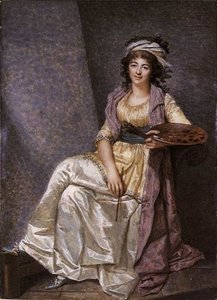
Marguerite Gérard
1761 - 1837 , France
Kratke činjenice
- Artistic Movement Or Style: Genre painting, Rococo
- Artists Or Movements Influenced By This Artist: ['Alexandre-Évariste Fragonard']
- Artists Who Influenced This Artist:
- Jean-Honoré Fragonard
- Gerard ter Borch
- Gabriel Metsu
- Date Of Birth: 1761
- Date Of Death: 1837
- Full Name: Marguerite Gérard
- Nationality: French
- Notable Artworks:
- Lady Reading in an Interior
- Portrait of Maréchale Lannes
- Sleep my child
- The Clemency of Napoleon
- Place Of Birth: Grasse, France

