

 Pošalji
 Podeli
 Detalji o delu

 Преузми
 Slični predmeti
 Slajdovi
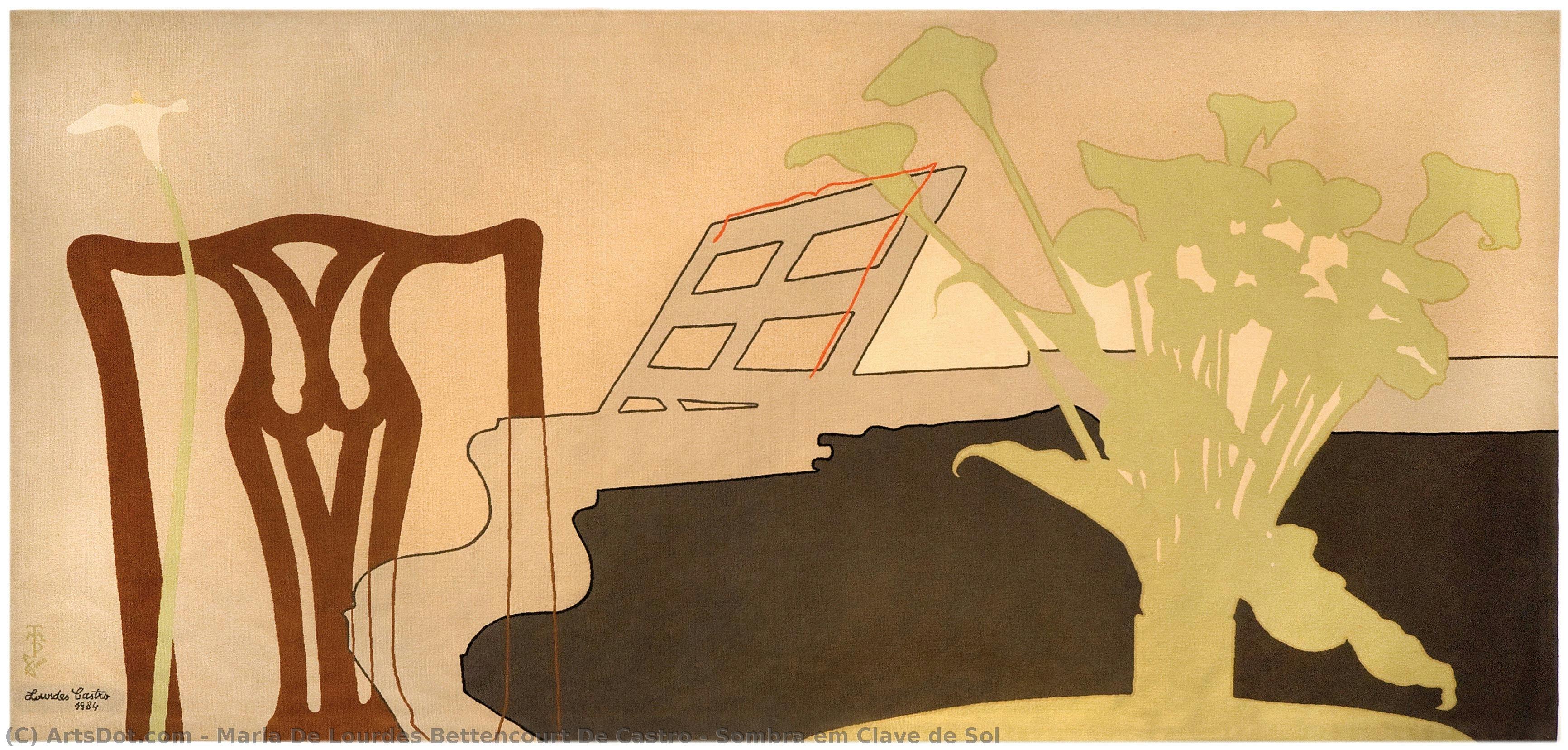
Sombra em Clave de Sol


 Pročitaj više
Ručno rađena uljana reprodukcija
Ručno oslikano uljanim bojama na platnu u dimenzijama i okviru po vašem izboru, izrađeno po porudžbini od strane naših umetnika. ( Kupi print Kupi digitalnu sliku)




































Izaberite jednu od naših unapred definisanih veličina koje odgovaraju originalnim proporcijama umetničkog dela.

Можете унети сопствене димензије како бисте прилагодили дело одређеном оквиру или простору. Ако одабрана величина не одговара пропорцијама оригинала, слика ће бити исечена или проширена додатним елементима који се ручно насликавају. Дигитални prikaz ће вам бити послат на одобрење пре почетка производње.
Имајте на уму да преглед на екрану не одражава стварно исецање или проширење. Само приказ (mockup) ће тачно приказати коначну композицију.
Иако су доступне прилагођене величине, препоручујемо да одаберете димензију из дефинисане листе како бисте сачували оригиналне пропорције.
Nakon narudžbine, tim ArtsDot.com će klijentu putem e-pošte poslati uputstva i dostaviti prikaz predloženog rešenja
Isporuka širom sveta () za 3/4 nedelje umesto uobičajenih 5 nedelja. (28 август). Bez kompromisa po pitanju kvaliteta.

Besplatna ekspresna dostava širom sveta

Visokokvalitetno laneno platno

Kompletno osiguranje transporta

Garancija povraćaja carine i uvoznih dažbina

Garancija vernosti boja

Politika povrata u roku od 60 dana (samo u slučaju nedostataka)

Garancija povrata novca od 100%

Popust pri grupnoj kupovini
 Opcija sa staklom dostupna je samo za dimenzije manje od 110 cm

Sombra em Clave de Sol
Tehnika reprodukcije
Dimenzije reprodukcije
-


Konačna cena
$ 263
A Symphony of Shadow and Thread
In the delicate interplay between light and void, Sombra em Clave de Sol emerges as a profound meditation on presence and absence. Created in 1984 by the visionary Portuguese artist Maria de Lourdes Bettencourt de Castro, this masterpiece transcends its medium to become a poetic dialogue between form and silhouette. The work is not merely a visual arrangement but a rhythmic composition, where the "shadow" referenced in its title acts as a silent protagonist, dancing across a landscape of geometric abstraction. Through a masterful use of limited tones—deep blacks, earthy browns, and a striking, luminous yellow—the artist invites the viewer into a space where the boundaries between object and reflection begin to dissolve.
The piece is a remarkable example of the Portalegre tapestry technique, a prestigious tradition of hand-knotted weaving that reached new heights of experimental expression through Castro’s collaboration with the Manufactura de Tapeçarias de Portalegre. Unlike standard weaves, this method involves a dense, meticulous process where the decorative weft completely envelops the warp threads, creating a rich, tactile surface that can reach up to 10,000 stitches per square decimeter. This extraordinary density allows the tapestry to hold color with an almost painterly depth, transforming the textile into a structural marvel that possesses both the softness of fabric and the permanence of a canvas.
The Architecture of Abstraction
Stylistically, Sombra em Clave de Sol sits at the intersection of minimalism and lyrical abstraction. The composition features stylized, almost architectural elements—a structure reminiscent of a dwelling with rhythmic windows, paired with organic, leaf-like forms that pulse with a bright, sun-drenched yellow. There is a haunting quality to the shapes; an object that suggests a chair, stripped of its utility, stands as a skeletal silhouette against the darker tones. This reduction of form forces the observer to look beyond the literal, finding meaning in the way shadows fall and how light seems to emanately from within the weave itself.
For the discerning collector or interior designer, this work offers an unparalleled opportunity to introduce a sense of historical depth and avant-garde sophistication into a space. The tapestry does not merely hang on a wall; it commands the atmosphere, providing a focal point that is both intellectually stimulating and visually soothing. Its ability to bridge the gap between traditional craftsmanship and 20th-century experimentalism makes it a timeless acquisition. Whether placed in a contemporary gallery setting or a classic study, the piece serves as a window into the soul of Portuguese modernism, offering an enduring emotional resonance that celebrates the beauty found in the simplest of shadows.
Srodna umetnička dela
Biografija umetnika
A Legacy of Shadows and Light: The Life of Lourdes Castro
The history of twentieth-century European art is enriched by the profound, ephemeral presence of Maria de Lourdes Bettencourt de Castro, known globally as Lourdes Castro. Born in the lush landscapes of Funchal, Madeira, in 1930, Castro’s journey was one of constant metamorphosis, moving from the traditional foundations of Lisbon to the avant-garde heart of Paris. Her early years at the School of Art in Lisbon provided her with a rigorous technical foundation, yet it was her departure for France in 1958 that truly ignited her creative spirit. Immersed in the vibrant intellectual atmosphere of Paris, she became a vital member of the influential KWY group, a collective that sought to dismantle the boundaries of conventional art and explore the raw, experimental possibilities of the era.
Castro’s artistic evolution is a fascinating study in the transition from the tangible to the intangible. In the 1950s, her work was characterized by an abstract lyricism, where canvases were alive with vibrant hues and expressive brushstrokes that whispered of Surrealist dreams. However, as she matured, her focus shifted toward a more confrontational and sculptural exploration of space. During the early 1960s, she began creating her celebrated Silver-Teinted Object Constructions. These works utilized metallic pigments to create ethereal, shimmering surfaces, inviting viewers to contemplate the very nature of materiality and perception. This period marked her departure from mere representation toward a profound engagement with the physical properties of light and form.
The Art of the Ephemeral: Technique and Symbolism
Perhaps the most enduring hallmark of Castro’s oeuvre is her mastery over the interplay between presence and absence. She became a virtuoso of the shadow, using silhouettes to create a unique visual language that bridged the gap between reality and illusion. Her work often functioned as a delicate dance of light, where what was omitted from the frame was just as significant as what was depicted. This fascination with the ephemeral is evident in several key areas of her practice:
- Shadow Theatre and Silhouettes: Castro utilized shadows to create portraits that felt both intimate and ghostly, stripping subjects down to their most essential outlines.
- Abstract Minimalism: In works such as her 1984 tapestry Sombra em Clave de Sol, she employed geometric shapes to explore the profound depth found within minimalist compositions.
- Surrealist Imagery: Her ability to blend disparate elements—such as the striking imagery in her Untitled work featuring a black and white cat—demonstrates her connection to the Nouveau Réalisme movement, blending glamour with surrealist tension.
- Geometric Abstraction: Influenced by the legacy of Picasso, her later paintings often utilized geometric structures to explore complex emotional landscapes through light and shadow.
Through these diverse mediums—ranging from silk screens and collages to sculptural assemblages—Castro maintained a consistent preoccupation with the concept of ephemeral reality. She did not merely paint objects; she painted the memory of them, the way they interact with light, and the way they vanish when the light shifts. Her work serves as a bridge between the solid world of objects and the fluid world of perception.
Historical Significance and Artistic Triumph
The significance of Lourdes Castro lies in her refusal to be confined by a single movement or medium. She was an artist who thrived on experimentation, constantly pushing against the edges of what could be considered "art." By integrating elements of shadow theatre, sculpture, and painting, she challenged the viewer to look beyond the surface of the canvas. Her contribution to the KWY group helped redefine the trajectory of Portuguese experimental art, bringing a localized perspective into the broader conversation of European modernism.
Today, Castro is remembered not just as a pioneer of Portuguese abstraction, but as a poet of the visual realm. Her ability to capture the fleeting moment—the way a shadow falls across a wall or the way a metallic surface catches a stray beam of light—ensures her place in the pantheon of great twentieth-century artists. Her legacy continues to inspire contemporary creators who seek to find beauty in the transient, the obscured, and the beautifully unseen.

maria de lourdes bettencourt de castro
1930 - 2022 , Portugal
Osnovne informacije
- Artistic Movement Or Style: Abstract art; Geometric abstraction
- Artists Or Movements Influenced By This Artist:
- Cubism
- Expressionism
- Artists Who Influenced This Artist:
- Pablo Picasso
- Arthur Bual de Almeida
- Date Of Birth: December 9, 1930
- Date Of Death: January 8, 2022
- Full Name: Maria de Lourdes Bettencourt de Castro (Lourdes Castro)
- Nationality: Portuguese
- Notable Artworks:
- Untitled
- Shadow invitation figure
- Place Of Birth: Funchal, Portugal
Povezani članci

Top 10 dela geometrijske apstrakcije koje morate videti | ArtsDot.com
Istražite 10 remek-dela geometrijske apstrakcije – Mondrian, Malevič i Kandinski. Otkrijte priče iza ovih ikoničnih slika i pronađite inspiraciju za dekoraciju enterijera sa ArtsDot.com! Reprodukcije vrhunskog kvaliteta.

Kandinsky's Masterpieces: 25 Paintings That Define Abstract Art | ArtsDot
Journey through Wassily Kandinsky's 25 most iconic abstract paintings. Explore his revolutionary use of color, form & spiritual expressionism. Find museum-quality Kandinsky reproductions and elevate your home decor with ArtsDot.com. Discover all masterpieces on ArtsDot.com!
Beyond Form & Color: Geometric Abstraction's Evolution in 20th/21st Century Art
Explore the evolution of geometric abstraction from Cubism to contemporary art. Discover key artists like Malevich & Mondrian, investment insights, and expert collecting advice at ArtsDot.
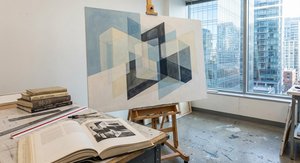
Beyond Form & Color: Geometric Abstraction's Enduring Legacy in Art History
Explore the captivating world of geometric abstraction! Discover its origins, key artists like Malevich & Mondrian, and why this movement remains highly valued by art collectors today. Expert insights at ArtsDot.
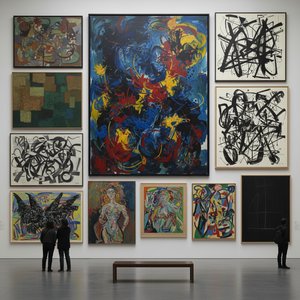
Abstraktni Ekspresionizam: 10 Remek Dela Koja Su Definisala Pokret
Otkrijte 10 remek dela koja su definisala apstraktni ekspresionizam! Istražite dela Pola Krausa, Džejson Poloka i drugih. Saznajte priče iza umetnosti i inspirisanje za dekoraciju doma. Eksplorirajte kolekciju na ArtsDot.com!

