

 Pregledaj u prostoru
 Pošalji
 Podeli
 Detalji o delu

 Преузми
 Slični predmeti
 Rendgenski snimak
 Slajdovi
 Stats
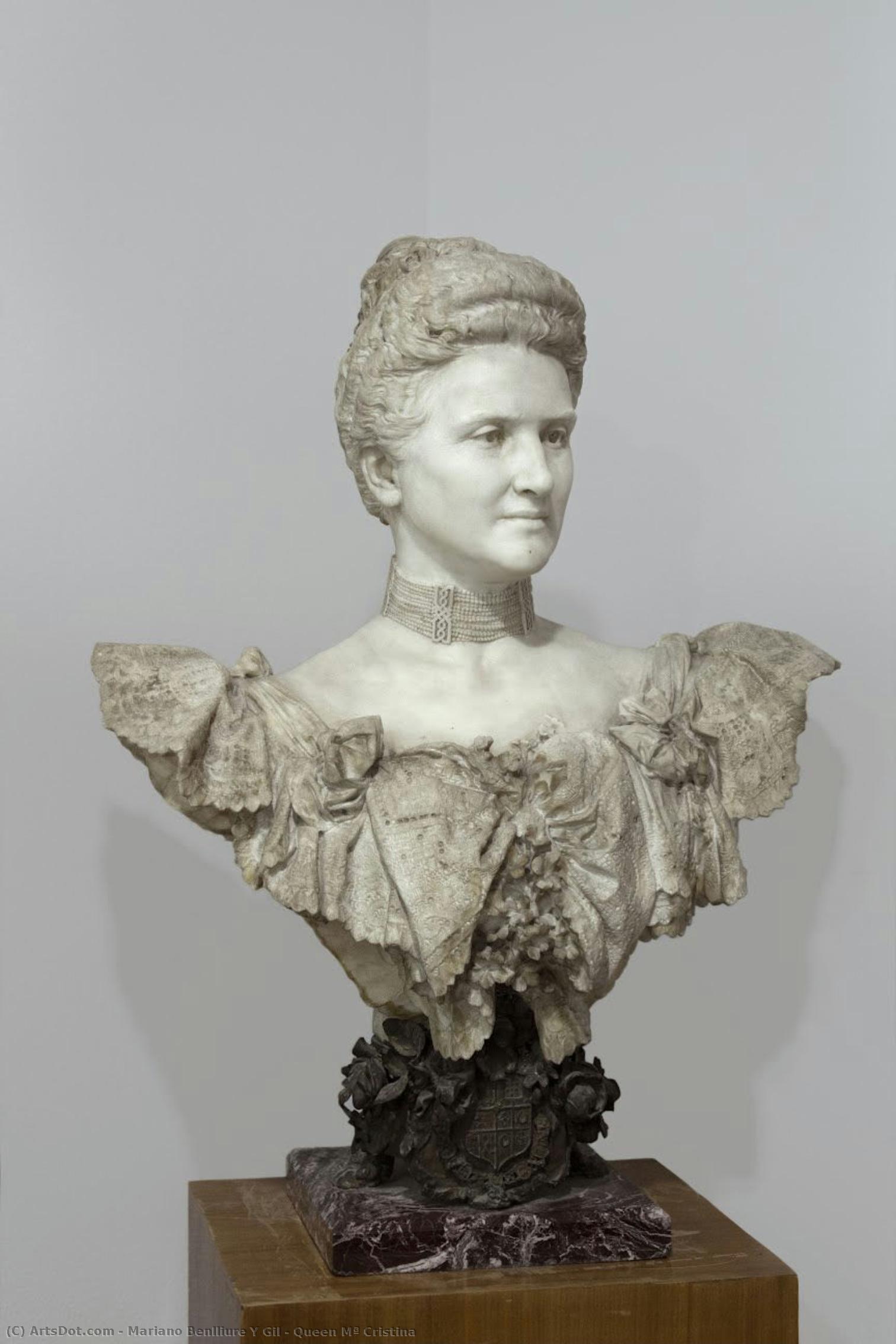
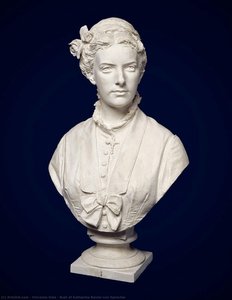
StatsQueen Mª Cristina
 Contemporary Realism
 1898
1898 85.0 x 65.0 cm
 Fakultet likovnih umetnosti Komplutenskog univerziteta u Madridu
 Pročitaj više
Kupite digitalnu sliku visoke rezolucije i poboljšanog kvaliteta, koja je znatno superiornija od onoga što vidite u online prikazu.
Svaka datoteka je pedantno pripremljena od strane naših stručnjaka koristeći napredne alate i profesionalnu ručnu retušu. Osiguravamo da svaka slika ima izuzetnu oštrinu, preciznu reprodukciju boja i fine detalje.
Konačna datoteka se dostavlja putem e-pošte u roku od 72 sata, optimizovana za neposrednu upotrebu u profesionalnim, izdavačkim i štamparskim okruženjima. To je isti kvalitet kojem veruju vrhunski studiji dizajna, izdavači i galerije.
Digitalna slika
Preuzmite datoteku visoke rezolucije za ličnu upotrebu, štampanje i kreativne projekte. ( Switch to Print Kupi ručno naslikanu sliku)
Uključeno uz svaku porudžbinu digitalne slike
Profesionalna digitalna isporuka, zagarantovana
Kada odaberete ArtsDot.com, ne dobijate samo sliku – vi primate profesionalno unapređeno digitalno umetničko delo, izrađeno sa najvećom preciznošću i uz garanciju zadovoljstva. Evo svega što automatski dolazi uz vašu porudžbinu:

Brza dostava putem e-pošte
Vaša digitalna slika visoke rezolucije biće vam poslata putem e-pošte u roku od 72 sata od poručivanja – spremna za trenutnu upotrebu.

Digitalna datoteka unapređena veštačkom inteligencijom
Vaše umetničko delo je profesionalno optimizovano korišćenjem naprednih AI alata i ručne obrade, čime se osiguravaju maksimalni detalji, oštrina i preciznost boja.

Besplatna ponovna isporuka doživotno
Slučajno ste obrisali ili izgubili svoju datoteku? Ne brinite – poslaćemo vam je ponovo u bilo kom trenutku, potpuno besplatno.

Bez troškova uvoza – zauvek
Uživajte u svojim umetničkim delima trenutno, bez carine, dažbina ili troškova dostave – digitalni download je uvek bez poreza.

Garancija vernosti boja
Uz pomoć profesionalnih alata i upravljanja bojama, osiguravamo da vaša digitalna slika što vernije odražava originalne boje.

Garancija zadovoljstva od 100 dana
Ako niste zadovoljni svojom digitalnom slikom, izvršićemo reviziju ili ćemo vam vratiti 100% novca u roku od 100 dana – bez ikakvih pitanja.

100% garancija povrata novca
Niste zadovoljni? Dobijte puni povraćaj novca u roku od 100 dana od prijema digitalne datoteke – bez suvišnih pitanja.

Popusti na velike porudžbine
Kupite 3 slike, uštedite 10% - Kupite 5 slika, uštedite 15% - Kupite 10+ slika, uštedite 20%. Odlično za kreativne projekte, galerije i agencije.
Mariano Benlliure y Gil: A Titan of Spanish Realism
Mariano Benlliure y Gil (1862-1947) stands as one of the most revered figures in Spanish sculpture, a sculptor whose legacy continues to inspire awe and admiration. Born in Valencia, Spain, his artistic journey began amidst familial encouragement—his brother José, also a painter, fostered an early appreciation for visual arts—a formative influence that would shape Benlliure’s distinctive approach to portraying the human form. From his youthful fascination with bullfighting, initially rendered in wax before achieving bronze casting, to his monumental public commissions and intimate portrait busts, Benlliure consistently championed realism blended with a captivating spontaneity, marking him as a pivotal voice within the heroic realist movement of his time.- Early Influences: José Benlliure’s artistic mentorship instilled in Mariano a profound understanding of observation and expressive technique. This connection fueled his initial explorations into bullfighting sculpture, demonstrating an immediate talent for capturing dynamic poses and conveying emotion through form.
- Formal Training & Artistic Pilgrimage: Recognizing the importance of broadening his horizons, Benlliure embarked on a transformative voyage to Rome in 1879, where he encountered the monumental sculptures of Michelangelo—a pivotal experience that solidified his commitment to mastering classical ideals while retaining an individual artistic vision.
- Parisian Engagement & Impressionistic Flair: His time in Paris exposed him to the burgeoning currents of Impressionism, influencing his stylistic choices and encouraging a looser brushstroke technique that contrasted with academic conventions. This fusion resulted in artworks imbued with vibrant color palettes and atmospheric effects.
Notable Works: A Testament to Skill & Vision
Benlliure’s oeuvre encompasses an impressive array of sculptures, each reflecting his unwavering dedication to capturing the essence of human experience. Among his most celebrated creations are *La Marina*, commemorating Álvaro de Bazán III, Marqués de San Cruz—a monumental bronze sculpture that embodies heroic grandeur and commemorates a significant historical figure—and *Odón de Buen*, a portrait bust honoring José María Odón de Buen y Serra, Archbishop of Valencia and Seville. These pieces exemplify Benlliure’s mastery of technique and his ability to imbue stone with palpable emotion.- La Marina: This monumental sculpture captures the solemn dignity of Álvaro de Bazán III, portraying him in a posture that conveys both strength and piety—a testament to Benlliure's skill in conveying complex psychological states through sculptural form.
- Odón de Buen: The portrait bust exemplifies Benlliure’s meticulous attention to detail, capturing the Archbishop’s facial features with remarkable accuracy while subtly hinting at his inner character.
Style & Technique: Bridging Realism and Impressionism
Benlliure's artistic style is characterized by a harmonious blend of heroic realism and impressionistic spontaneity—a distinctive approach that distinguishes him from many of his contemporaries. He meticulously studied anatomical proportions and musculature, striving for an unflinching depiction of the human body—yet simultaneously embraced expressive brushstrokes and vibrant color palettes reminiscent of Impressionist painters like Claude Monet and Pierre-Auguste Renoir. This duality resulted in artworks that resonate with both intellectual precision and emotional depth. The sculptor skillfully utilized subtractive methods – carving away material to reveal the form – ensuring that every detail was rendered with painstaking accuracy, while simultaneously capturing the fleeting effects of light and atmosphere. Marble, bronze (for pedestal details), and wood (pedestal base) were his primary materials, reflecting a commitment to craftsmanship and artistic integrity.Legacy & Enduring Influence
Mariano Benlliure y Gil’s sculptures continue to captivate audiences worldwide—a testament to his enduring artistic vision and technical prowess. His monumental works stand as symbols of Spanish cultural heritage—inspiring admiration for their grandeur, realism, and emotional resonance. Furthermore, his influence extends beyond the realm of sculpture, shaping the aesthetic sensibilities of subsequent generations of artists and enriching the visual landscape of Spain and beyond.Srodna umetnička dela


Biografija umetnika
A Legacy in Bronze and Stone: The Life and Art of Mariano Benlliure y Gil
Mariano Benlliure y Gil, born in Valencia, Spain, on September 8, 1862, emerged as one of the most significant Spanish sculptors of his generation. His story is one woven with familial artistic influence, a passionate pursuit of skill, and an eventual mastery that left an indelible mark on the public art landscape of Spain and beyond. From early inclinations towards depicting the drama of bullfighting – initially rendered in wax and then cast in bronze – Benlliure’s talent was evident from a young age. At just thirteen years old, his *modello* of a picador garnered recognition at the prestigious Exposición Nacional de Bellas Artes in 1876, signaling the arrival of a promising new voice in Spanish art. This early success wasn't merely a youthful flourish; it was the first step on a path that would lead him to embrace sculpture as his primary medium and establish himself as a leading figure in the heroic realist style. Initially exploring painting with studies in Paris, facilitated by his master Francisco Domingo Marqués, a pivotal journey to Rome in 1879 proved transformative. Encountering the monumental works of Michelangelo ignited within Benlliure a fervent dedication to sculpture, forever altering the course of his artistic career.The Shaping of a Style: Naturalism and Impressionistic Echoes
Benlliure’s artistic style is characterized by a compelling blend of meticulous naturalism and an impressionistic spontaneity that breathes life into his creations. He possessed an extraordinary ability to capture the essence of his subjects, imbuing them with both realism and profound artistic expression. This wasn't simply about replicating form; it was about conveying emotion, personality, and narrative through the language of sculpture. His skill became particularly evident in his monumental public works and exquisitely detailed portrait busts. These weren’t merely representations; they were statements—powerful tributes to historical figures and insightful studies of individual character. The tomb of Práxedes Mateo Sagasta within Madrid's Pantheon of Illustrious Men stands as a testament to this ability, while the monument to José de San Martín in Lima, Peru, demonstrates his international acclaim. Other notable works include the monuments dedicated to Álvaro de Bazán and Isabella the Catholic, each a powerful embodiment of Spanish history and national pride. Perhaps his most celebrated achievement is the bronze equestrian statue of Alfonso XII gracing Madrid’s El Retiro park—a dynamic composition that captures both the majesty of the monarch and the energy of the horse. Beyond these grand public statements, Benlliure excelled in sculptural portraits, immortalizing prominent figures like Joaquín Sorolla and León Bonnat with remarkable sensitivity and skill. Works such as “Odón de Buen”, “Queen Mª Cristina”, “Maestro Serrano” and “Ramon y Cajal” further showcase his mastery of portraiture, revealing a deep understanding of human anatomy and expression.Influences and Artistic Development
The foundations of Benlliure’s artistic journey were deeply rooted in family and tradition. His brother, José Benlliure y Gil, a painter himself, played an important role in his early development, fostering a creative environment that nurtured Mariano's burgeoning talent. However, it was the encounter with Michelangelo’s sculptures in Rome that proved to be the defining moment, solidifying his commitment to sculpture and shaping his artistic vision. Beyond this pivotal influence, Benlliure remained deeply connected to Spanish artistic traditions, frequently drawing inspiration from themes related to Spanish history, culture, and folklore. While firmly grounded in realism, he wasn't immune to the currents of modern art; impressionistic tendencies subtly infused his work, adding a sense of spontaneity and vibrancy to his compositions. This delicate balance between tradition and innovation is what sets Benlliure apart. His close friendship with the painter Joaquín Sorolla also played a role in his artistic evolution, influencing his use of light and color—qualities that he skillfully translated into the three-dimensional realm of sculpture.A Lasting Legacy
Mariano Benlliure y Gil is rightfully regarded as one of Spain’s most important sculptors. His contribution to public art is immense, enriching cities with monuments that commemorate historical figures and events, serving as enduring symbols of national identity and cultural heritage. He didn't just create sculptures; he created landmarks—points of reference for generations to come. Beyond his tangible works, Benlliure’s influence extended to subsequent artists, inspiring them with his realistic style, technical skill, and unwavering dedication to his craft. His legacy continues to resonate today, as his sculptures are admired not only for their artistic merit but also for their role in preserving Spain's rich cultural heritage. He passed away in Madrid on November 9, 1947, leaving behind a body of work that stands as a testament to his talent, vision, and enduring impact on the world of sculpture. His sculptures remain powerful reminders of a bygone era, yet their artistic qualities ensure they will continue to captivate and inspire for centuries to come.Notable Works
- The tomb of Práxedes Mateo Sagasta: A solemn tribute within the Pantheon of Illustrious Men, Madrid.
- Monument to José de San Martín: An imposing figure in Lima, Peru, honoring a pivotal South American leader.
- Monument to Álvaro de Bazán: A commanding presence in Plaza de la Villa, Madrid.
- Monument to Isabella the Catholic: A regal tribute in Granada, celebrating a significant historical figure.
- Monument to General Cassola: Located in Parque del Oeste, Madrid, commemorating a military leader.
- Monument to Maria Christina of Bourbon: An elegant sculpture gracing Madrid.
- Equestrian Statue of Alfonso XII: Perhaps his most iconic work, dominating El Retiro park in Madrid.
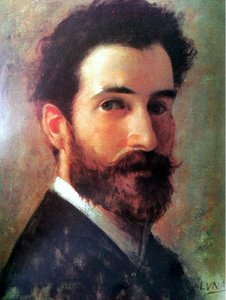
Mariano Benlliure y Gil
1862 - 1947