

 Pregledaj u prostoru
 Pošalji
 Podeli
 Detalji o delu

 Преузми
 Slični predmeti
 Rendgenski snimak
 Slajdovi
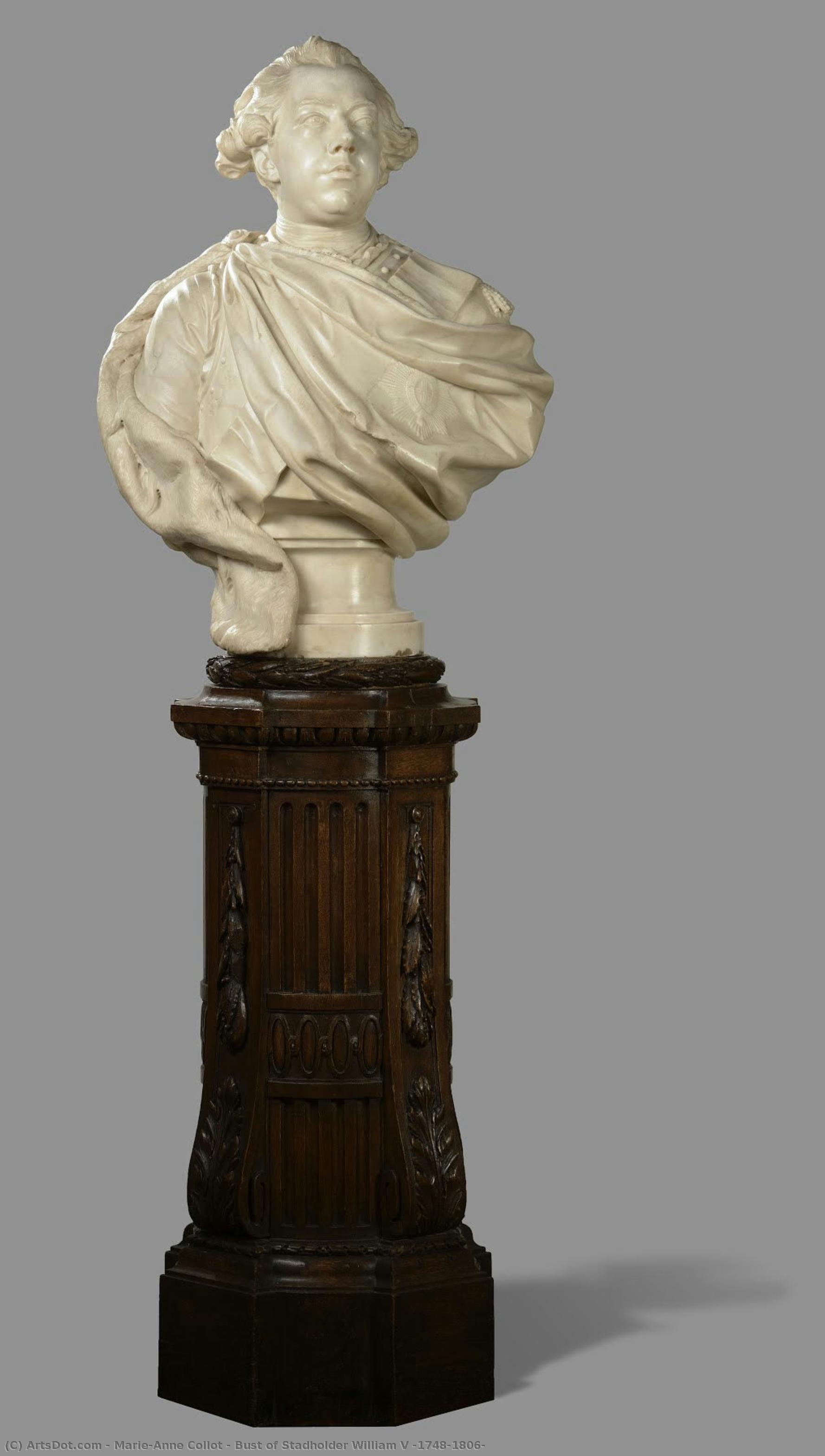
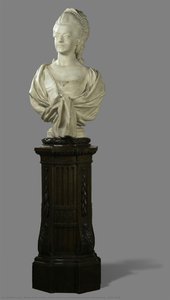
Брус Стадхолера Вильгельма V (1748-1806)


 Pročitaj više
Kupite digitalnu sliku visoke rezolucije i poboljšanog kvaliteta, koja je znatno superiornija od onoga što vidite u online prikazu.
Svaka datoteka je pedantno pripremljena od strane naših stručnjaka koristeći napredne alate i profesionalnu ručnu retušu. Osiguravamo da svaka slika ima izuzetnu oštrinu, preciznu reprodukciju boja i fine detalje.
Konačna datoteka se dostavlja putem e-pošte u roku od 72 sata, optimizovana za neposrednu upotrebu u profesionalnim, izdavačkim i štamparskim okruženjima. To je isti kvalitet kojem veruju vrhunski studiji dizajna, izdavači i galerije.
Digitalna slika
Preuzmite datoteku visoke rezolucije za ličnu upotrebu, štampanje i kreativne projekte. ( Kupi print Kupi ručno naslikanu sliku)
Uključeno uz svaku porudžbinu digitalne slike
Profesionalna digitalna isporuka, zagarantovana
Kada odaberete ArtsDot.com, ne dobijate samo sliku – vi primate profesionalno unapređeno digitalno umetničko delo, izrađeno sa najvećom preciznošću i uz garanciju zadovoljstva. Evo svega što automatski dolazi uz vašu porudžbinu:

Brza dostava putem e-pošte
Vaša digitalna slika visoke rezolucije biće vam poslata putem e-pošte u roku od 72 sata od poručivanja – spremna za trenutnu upotrebu.

Digitalna datoteka unapređena veštačkom inteligencijom
Vaše umetničko delo je profesionalno optimizovano korišćenjem naprednih AI alata i ručne obrade, čime se osiguravaju maksimalni detalji, oštrina i preciznost boja.

Besplatna ponovna isporuka doživotno
Slučajno ste obrisali ili izgubili svoju datoteku? Ne brinite – poslaćemo vam je ponovo u bilo kom trenutku, potpuno besplatno.

Bez troškova uvoza – zauvek
Uživajte u svojim umetničkim delima trenutno, bez carine, dažbina ili troškova dostave – digitalni download je uvek bez poreza.

Garancija vernosti boja
Uz pomoć profesionalnih alata i upravljanja bojama, osiguravamo da vaša digitalna slika što vernije odražava originalne boje.

Garancija zadovoljstva u roku od 60 dana
Ako niste zadovoljni svojom digitalnom slikom, revidirat ćemo je ili vratiti 100% novca u roku od 60 dana – bez ikakvih pitanja.

100% garancija povrata novca
Niste zadovoljni? Obezbedite pun povrat novca u roku od 60 dana od trenutka kada ste primili svoju digitalnu datoteku – bez suvišnih pitanja.

Popusti na velike porudžbine
Kupite 3 slike, uštedite 10% - Kupite 5 slika, uštedite 15% - Kupite 10+ slika, uštedite 20%. Odlično za kreativne projekte, galerije i agencije.
Opis kolekcionarskog dela
Брус Стадхолера Вильгельма V (1748–1806)
Мария Анн Колот, французская скульпторка эпохи Просвещения и ученица Этьена Матисса Фальконета, создала этот выдающийся портретный бюст Стадхолера Вильгельма V из мрамора. Работа выполнена в стиле классицизма, что отражается в строгой линии лица и идеализированной пропорции фигуры. Фальконет был одним из самых влиятельных скульпторов своего времени и оказал огромное влияние на развитие европейской художественной культуры. Этот бюст является свидетельством мастерства Колот и демонстрирует глубокое понимание принципов классической эстетики. Использование мрамора подчеркивает величие и достоинство изображенного человека, создавая ощущение спокойствия и гармонии. Бюст был заказан Екатериной Великой и представляет собой важный памятник эпохи Российского Просвещения.- Стиль: Классицизм
- Материал: Мрамор
- Художник: Мария Анн Колот
- Год создания: 1782
Srodna umetnička dela
Biografija umetnika
William Hogarth: A Moralist of the Brush
William Hogarth, born in London on November 10, 1697, stands as a pivotal figure in British art history – a pioneering satirist, engraver, and painter who fundamentally shifted perceptions of visual storytelling. His life was one of relentless ambition tempered by financial hardship, and his artistic legacy continues to resonate through its sharp social commentary and innovative use of sequential imagery. Hogarth’s career spanned nearly six decades, during which he wrestled with the expectations of a courtly art world while forging a distinctly independent path, ultimately establishing himself as the first great English-born artist to garner international acclaim.Early Life and Artistic Foundations
Jonathan Hogarth, William's father, was a minor classical scholar whose struggles with printers and patrons fueled a lifelong resentment within his son. This early experience instilled in young William a deep distrust of established institutions and a fierce determination to control his own artistic destiny. Despite his father’s limited support, William received an education focused on the classics, which he later acknowledged as largely unproductive. However, his innate talent for drawing was nurtured through visits to a local painter's workshop, where he began to hone his skills in mimicking characters and capturing scenes from everyday life. Crucially, he apprenticed himself to a silversmith at the age of fifteen, an experience that, while initially perceived as unfulfilling, ultimately provided him with invaluable technical training in engraving – a skill that would become central to his artistic practice. This period instilled in him a pragmatic approach to his career and a willingness to experiment outside traditional methods, shaping his distinctive style.The Rise of the Engraver and Moralist
Hogarth’s early success stemmed largely from his skill as an engraver, producing intricate designs for silverware and decorative objects. However, he quickly recognized the potential of engraving to convey narrative and satire – a medium that allowed him to combine meticulous detail with biting social critique. His breakthrough came with *A Scheme Heroicall Enquire into the Vertues of Several Ladies*, a series of engravings depicting the lives of fashionable women in London, published in 1730-31. This work established his reputation as a moralist and satirist, exposing the superficiality and hypocrisy of high society through a series of often unflattering portraits and scenes of debauchery. Following this success, he began to develop his most famous series: *Marriage A Bed of Roses* (1738), *Hearthstone* (1740-42), and the monumental *Rake’s Progress* (1735-38). These eight engravings chronicle the downfall of Tom King, a dissolute rake, from his carefree youth to his eventual ruin, offering a stark moral lesson through vivid imagery and carefully constructed narratives.Technique and Innovation
Hogarth’s artistic technique was characterized by its meticulous detail, precise composition, and innovative use of sequential imagery. He employed a distinctive style of engraving – known as “Hogarthian” – that emphasized sharp contrasts between light and shadow, creating dramatic effects and highlighting the emotional states of his subjects. He meticulously planned each scene, often sketching multiple studies before committing them to plate. Crucially, he broke with traditional portraiture by incorporating narrative elements into his works, presenting a series of interconnected images that told a complete story. This approach, anticipating developments in photography and film, established him as a pioneer of sequential art – a technique that would later influence artists such as Gustave Courbet and Émile Zola. Furthermore, Hogarth’s use of perspective and spatial relationships was remarkably advanced for his time, contributing to the illusionistic quality of his engravings.Legacy and Influence
William Hogarth died in London on October 26, 1764, at the age of 66. While he never achieved the financial success he had hoped for as a history painter or portraitist, his influence on subsequent generations of artists was profound. His satirical works challenged social conventions and exposed hypocrisy, paving the way for later social critics and reformers. His innovative use of sequential imagery influenced the development of caricature and comic strip art. Moreover, his theories about aesthetics – articulated in *An Essay on the Theory of Painting* (1753) – provided a framework for understanding visual perception and artistic representation that resonated with Romantic writers like William Blake and Lord Byron. Today, Hogarth is recognized as one of the most important figures in British art history, celebrated for his sharp wit, technical skill, and enduring contribution to the development of narrative illustration. His works continue to be studied and admired for their social commentary, artistic innovation, and timeless appeal.
marie-anne collot
1745 - 1814 , France
Kratke činjenice
- Artistic Movement Or Style: Moral & satirical engravings/paintings
- Artists Or Movements Influenced By This Artist: ['Romantic literature']
- Date Of Birth: November 10, 1697
- Date Of Death: October 26, 1764
- Full Name: William Hogarth
- Nationality: English
- Notable Artworks: ['A Rake’s Progress']
- Place Of Birth: London, England

