

 Pregledaj u prostoru
 Pošalji
 Podeli
 Detalji o delu

 Преузми
 Slični predmeti
 Rendgenski snimak
 Slajdovi
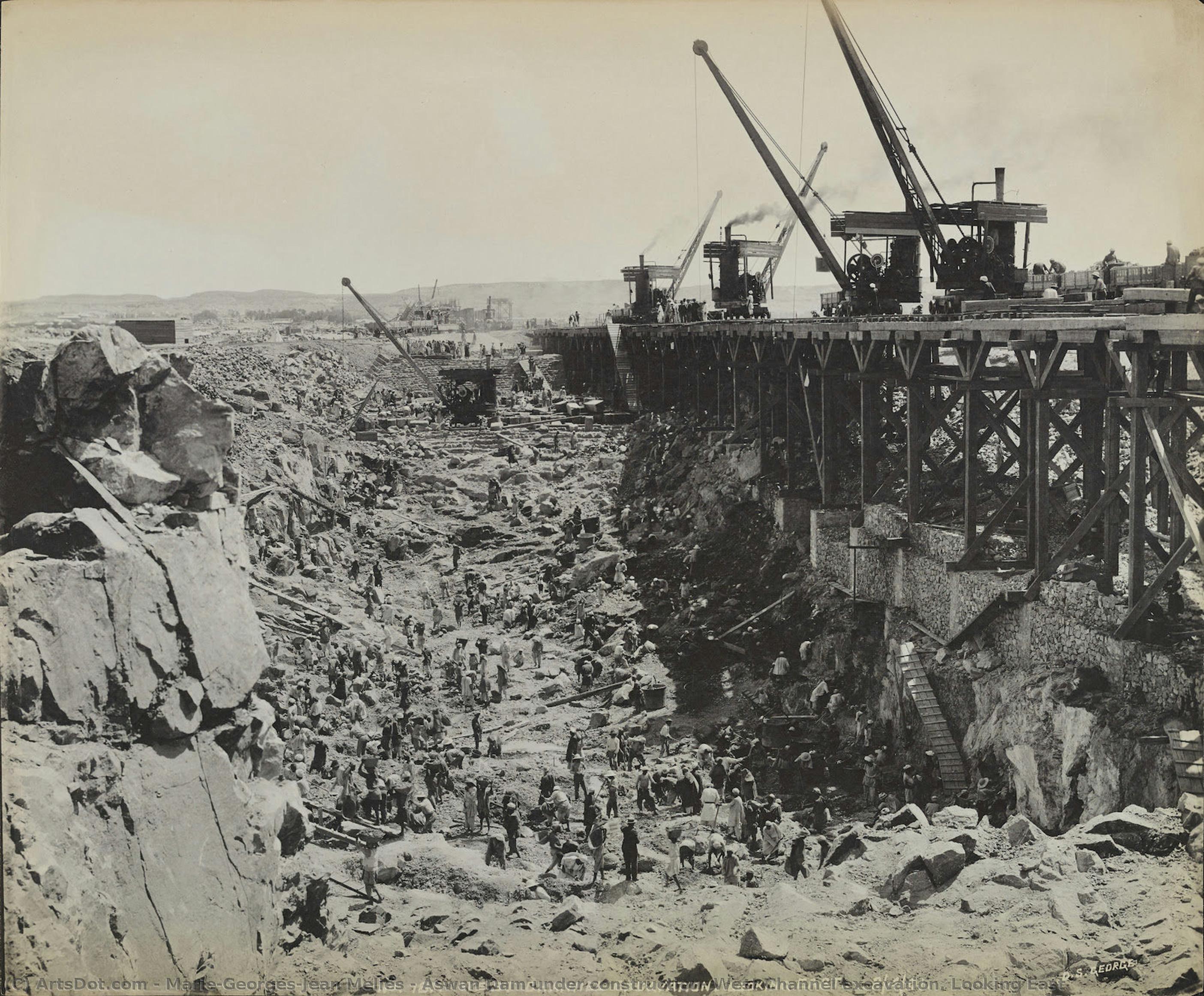
Aswan Dam under construction: West Channel excavation. Looking East
 1901
1901 24.0 x 29.0 cm
 Science Museum
 Pročitaj više
Giclee štampa / Umetnički otisak
Giclée štampa ili print na platnu muzejskog kvaliteta uz brzu proizvodnju i fleksibilne opcije završne obrade. ( Kupi ručno naslikanu sliku Kupi digitalnu sliku)




































Izaberite jednu od naših unapred definisanih veličina koje odgovaraju originalnim proporcijama umetničkog dela.

Možete uneti sopstvene dimenzije kako biste umetničko delo prilagodili specifičnom okviru ili prostoru. Ako odabrani format ne odgovara proporcijama originalne slike, mi ćemo ili iscrtati deo dela ili proširiti sliku pomoću ogledane ivice ili jednobojnog popunjavanja. Digitalni prikaz će vam biti poslat na odobrenje pre početka proizvodnje.
Imajte na umu da pregled na ekranu ne odražava stvarno iscrtavanje ili proširivanje. Samo će prikaz (mockup) precizno pokazati finalnu kompoziciju.
Iako su prilagođene dimenzije dostupne, preporučujemo da odaberete dimenziju sa unapred definisane liste kako biste očuvali originalne proporcije.
Dostava širom sveta () za 2 nedelje umesto uobičajenih 4/5 nedelja. (30 август)

Besplatna ekspresna dostava širom sveta

Visokokvalitetno laneno platno

Kompletno osiguranje transporta

Garancija povraćaja carine i uvoznih dažbina

Garancija vernosti boja

Politika povrata u roku od 60 dana (samo u slučaju nedostataka)

Garancija povrata novca od 100%

Popust pri grupnoj kupovini
 Opcija sa staklom dostupna je samo za dimenzije manje od 110 cm

Aswan Dam under construction: West Channel excavation. Looking East
Giclee štampa / Umetnički otisak
Dimenzije reprodukcije
-


Konačna cena
$ 62
Srodna umetnička dela









Biografija umetnika
Frederic Remington: A Chronicler of the American West
Frederic Sackrider Remington, born in Canton, New York, in 1861, wasn’t merely an artist; he was a vital interpreter of a rapidly vanishing world. His life and work are inextricably linked to the dramatic transformation of the American West during the late 19th century – a period of expansion, conflict, and myth-making. Remington's legacy rests not just on his stunning paintings and illustrations but also on his ability to capture the spirit, both romanticized and brutally honest, of this frontier era. His family’s history—rooted in European immigrant heritage and intertwined with the burgeoning newspaper industry—provided a unique foundation for his artistic pursuits.
Remington's early life was shaped by his father, Seth Remington, a prominent New York journalist and postmaster. This exposure to print media instilled in young Frederic a keen eye for storytelling and visual communication. He received minimal formal art training, relying instead on self-directed study at the Art Students League in New York City and brief stints with instructors like John Henry Niemeyer at Yale University. Despite this lack of traditional schooling, Remington’s artistic talent blossomed through observation and experience—a crucial element in his distinctive style.
Remington's journey to the West began in 1881 when he traveled to Montana Territory, a pivotal moment that ignited his lifelong fascination with the region. He quickly immersed himself in the lives of cowboys, Native Americans, and cavalrymen, documenting their experiences through sketches and drawings. This firsthand exposure proved invaluable, informing his artistic vision and distinguishing him from artists who relied solely on secondhand accounts or romanticized depictions. His early work for *Harper’s Weekly*—illustrations depicting scenes of cattle drives, Indian raids, and frontier life—immediately garnered attention and established his reputation as a skilled storyteller.
The Rise of a Western Icon
Remington's illustrations for *Harper’s Weekly* were not simply decorative; they were meticulously researched narratives. He spent considerable time observing the subjects he depicted, often traveling extensively throughout the Southwest – Arizona, Texas, and New Mexico – to capture authentic details. His depictions of Native Americans, particularly the Cheyenne and Comanche tribes, were groundbreaking for their time, offering a more nuanced portrayal than was typically presented in popular media. However, it’s important to acknowledge that Remington's work, like much art of the era, was inevitably shaped by prevailing stereotypes and romanticized notions of the West.
Remington’s artistic style evolved significantly throughout his career. His early works were characterized by tight compositions, dramatic lighting, and a somewhat academic influence—a debt owed to French realist painters such as Ernest Meissonier and Édouard Detaille. As he matured, his brushwork became looser and more expressive, reflecting the ruggedness of the landscape and the dynamism of his subjects. He also embraced watercolor painting, experimenting with tonalism – a technique emphasizing subtle gradations of tone rather than bright colors—to create atmospheric effects.
Sculpting the Frontier
While primarily known for his paintings and illustrations, Remington was also a talented sculptor. He began sculpting in earnest during the late 1890s, initially experimenting with sand casting techniques before mastering the lost-wax method. His sculptures—often depicting cowboys, Native Americans, and horses—exhibited the same meticulous detail and dramatic flair as his paintings. Sculptures like “The Bronco Buster” exemplify his ability to capture movement and personality, solidifying his reputation as a versatile artist.
Legacy and Historical Significance
Frederic Remington died unexpectedly in 1909 at the age of forty-eight, leaving behind a vast body of work that continues to captivate audiences today. His illustrations played a crucial role in shaping public perceptions of the American West, contributing to both its romanticization and its complex realities. His depictions influenced generations of artists and writers, solidifying his place as one of the most important figures in Western art history. Remington’s legacy extends beyond the canvas and sculpture; he served as a war correspondent during the Spanish-American War, documenting the conflict with unflinching honesty—a stark contrast to the heroic narratives often presented at the time. His work remains a powerful testament to a pivotal era in American history, offering both beauty and insight into a world forever changed.
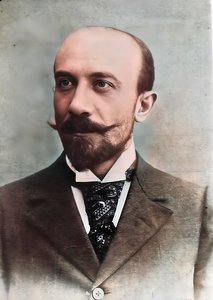
marie-georges-jean méliès
1861 - 1938 , France
Osnovne informacije
- Artistic Movement Or Style: Western American Art
- Artists Or Movements Influenced By This Artist:
- Ernest Meissonier
- Édouard Detaille
- Artists Who Influenced This Artist:
- George Catlin
- Earl W. Bascom
- Date Of Birth: October 4, 1861
- Date Of Death: December 26, 1909
- Full Name: Frederic Sackrider Remington
- Nationality: American
- Notable Artworks:
- A Dash for the Timber
- The Bronco Buster
- Place Of Birth: Canton, New York, USA

