

 Pregledaj u prostoru
 Pošalji
 Podeli
 Detalji o delu

 Преузми
 Slični predmeti
 Rendgenski snimak
 Slajdovi
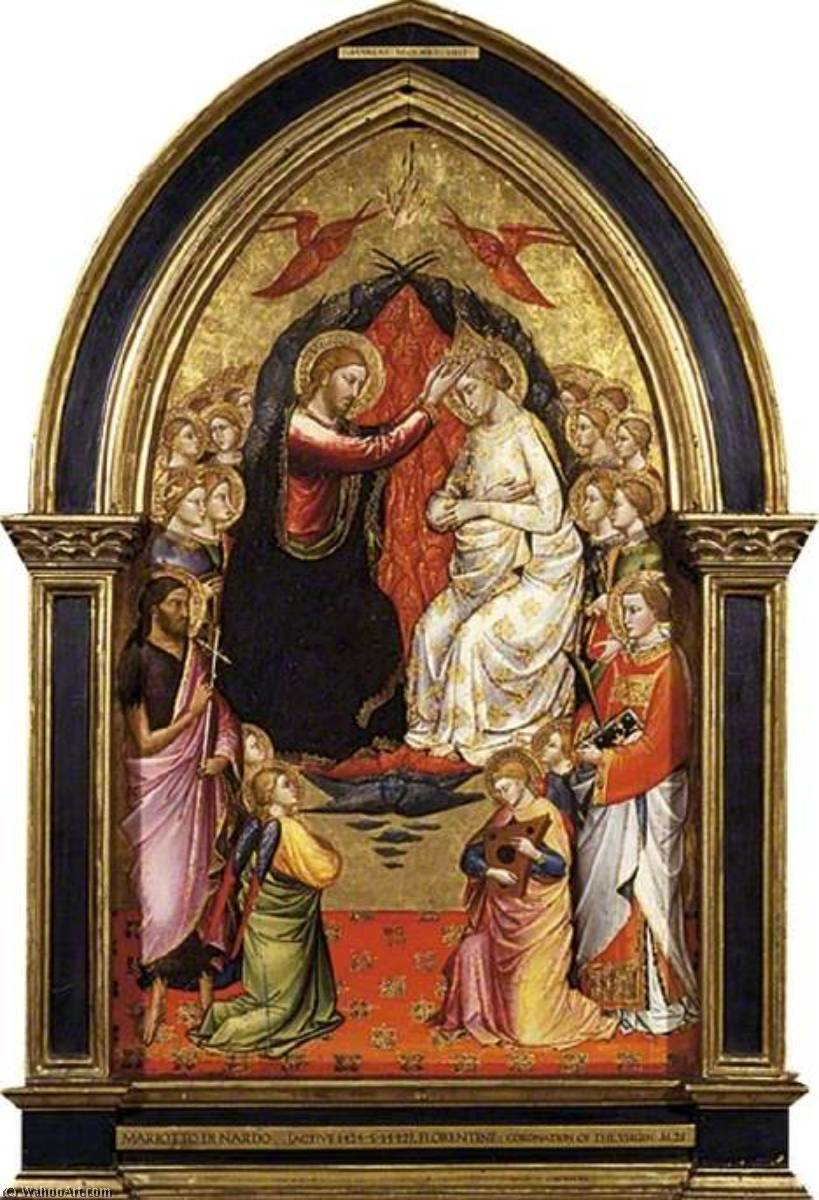
The Coronation of the Virgin
 Oil On Canvas
- WallArt
- Late Gothic Style
 81.0 x 52.0 cm
 Fitzwilliam College
 Pročitaj više
Kupite digitalnu sliku visoke rezolucije i poboljšanog kvaliteta, koja je znatno superiornija od onoga što vidite u online prikazu.
Svaka datoteka je pedantno pripremljena od strane naših stručnjaka koristeći napredne alate i profesionalnu ručnu retušu. Osiguravamo da svaka slika ima izuzetnu oštrinu, preciznu reprodukciju boja i fine detalje.
Konačna datoteka se dostavlja putem e-pošte u roku od 72 sata, optimizovana za neposrednu upotrebu u profesionalnim, izdavačkim i štamparskim okruženjima. To je isti kvalitet kojem veruju vrhunski studiji dizajna, izdavači i galerije.
Digitalna slika
Preuzmite datoteku visoke rezolucije za ličnu upotrebu, štampanje i kreativne projekte. ( Kupi print Kupi ručno naslikanu sliku)
Uključeno uz svaku porudžbinu digitalne slike
Profesionalna digitalna isporuka, zagarantovana
Kada odaberete ArtsDot.com, ne dobijate samo sliku – vi primate profesionalno unapređeno digitalno umetničko delo, izrađeno sa najvećom preciznošću i uz garanciju zadovoljstva. Evo svega što automatski dolazi uz vašu porudžbinu:

Brza dostava putem e-pošte
Vaša digitalna slika visoke rezolucije biće vam poslata putem e-pošte u roku od 72 sata od poručivanja – spremna za trenutnu upotrebu.

Digitalna datoteka unapređena veštačkom inteligencijom
Vaše umetničko delo je profesionalno optimizovano korišćenjem naprednih AI alata i ručne obrade, čime se osiguravaju maksimalni detalji, oštrina i preciznost boja.

Besplatna ponovna isporuka doživotno
Slučajno ste obrisali ili izgubili svoju datoteku? Ne brinite – poslaćemo vam je ponovo u bilo kom trenutku, potpuno besplatno.

Bez troškova uvoza – zauvek
Uživajte u svojim umetničkim delima trenutno, bez carine, dažbina ili troškova dostave – digitalni download je uvek bez poreza.

Garancija vernosti boja
Uz pomoć profesionalnih alata i upravljanja bojama, osiguravamo da vaša digitalna slika što vernije odražava originalne boje.

Garancija zadovoljstva u roku od 60 dana
Ako niste zadovoljni svojom digitalnom slikom, revidirat ćemo je ili vratiti 100% novca u roku od 60 dana – bez ikakvih pitanja.

100% garancija povrata novca
Niste zadovoljni? Obezbedite pun povrat novca u roku od 60 dana od trenutka kada ste primili svoju digitalnu datoteku – bez suvišnih pitanja.

Popusti na velike porudžbine
Kupite 3 slike, uštedite 10% - Kupite 5 slika, uštedite 15% - Kupite 10+ slika, uštedite 20%. Odlično za kreativne projekte, galerije i agencije.
Mariotto di Nardo: Bridging Gothic Splendor and Renaissance Promise
The Coronation of the Virgin by Mariotto di Nardo stands as a pivotal artwork, marking a crucial juncture between the opulent formalism of late Gothic painting and the burgeoning naturalism that would soon dominate the Florentine Renaissance. Executed around 1408, this monumental tempera panel—now housed in The Fitzwilliam Museum—offers a glimpse into an artistic landscape grappling with profound transformations, reflecting both established traditions and nascent explorations of humanist ideals.- Subject Matter: The painting depicts the Virgin Mary enthroned amidst a procession of angels and saints, commemorating her divine coronation – a theme deeply rooted in Marian devotion prevalent throughout medieval Europe.
- Style & Technique: Mariotto’s style embodies the Gothic twilight, characterized by flattened perspectives, stylized drapery, and an emphasis on decorative ornamentation. However, subtle innovations foreshadow the stylistic breakthroughs of artists like Piero della Francesca and Masaccio, hinting at a move towards greater realism and spatial depth.
- Historical Context: Florence during Mariotto’s time was experiencing rapid urbanization and civic pride fueled by papal patronage—particularly evident in the ambitious construction of Brunelleschi's Duomo. Artistic endeavors served as expressions of Florentine identity and spiritual aspiration, mirroring broader cultural currents.
- Symbolism: The coronation itself symbolizes Mary’s exaltation as Queen of Heaven and Mother of God – a central dogma within Christian theology. Angels bearing musical instruments represent divine harmony and praise, underscoring the sanctity of the occasion.
- Emotional Impact: Mariotto's Coronation aims to inspire awe and reverence in the viewer, conveying the profound spiritual significance of Mary’s role as intermediary between God and humanity. The painting’s serene beauty speaks to a timeless fascination with religious iconography and artistic excellence.
Further Exploration
For more information on Mariotto di Nardo and his artistic legacy, consider visiting these resources:Srodna umetnička dela
Biografija umetnika
A Florentine Visionary of the Gothic Twilight
Mariotto di Nardo, a name perhaps less resonant than those of his Renaissance successors, nevertheless occupies a crucial position in the transition between the elegant world of late Gothic painting and the burgeoning naturalism that would define the 15th century. Born in Florence around 1365, Mariotto flourished during a period of immense artistic ferment, working amidst the grandeur of the Duomo, the devotional spaces of Santa Maria Maggiore, and the civic pride embodied by the Orsanmichele. His career, spanning from approximately 1394 to 1424, reveals an artist deeply rooted in tradition yet subtly anticipating the innovations that lay ahead. He wasn’t merely a follower of established styles; he was a skilled interpreter and adapter, infusing his work with a distinctive sensibility that captivated his contemporaries and continues to intrigue art historians today. While biographical details remain scarce—the personal life of Mariotto di Nardo remains largely shrouded in mystery—his artistic legacy speaks volumes about the evolving aesthetic landscape of Florence.Family, Apprenticeship, and Early Influences
Mariotto’s lineage placed him firmly within a family of artisans. He was the grandson of Andrea di Cione, better known as Orcagna, a celebrated sculptor and painter whose monumental works graced both Florence and Pisa. His father, Nardo di Cione, served initially as a stonecutter in Siena and Volterra before establishing himself as a painter, becoming Mariotto’s first teacher. This familial connection to artistic craftsmanship undoubtedly shaped the young Mariotto's early development, instilling in him a respect for technical skill and a keen eye for detail. The influence of Orcagna’s dramatic compositions and refined draftsmanship is subtly discernible in Mariotto’s work, though he would forge his own path. Beyond his immediate family, Mariotto absorbed the stylistic currents prevalent in Florence during his formative years. He demonstrated clear affinities with Spinello Aretino, whose dynamic figures and vibrant color palettes left an indelible mark on his early paintings, as well as Niccolò di Pietro Gerini, another prominent Florentine artist of the time. Later in his career, a gentle influence from Lorenzo Monaco can be observed, particularly in the increased elegance and refinement of his figures.A Prolific Workshop and Diverse Commissions
Mariotto di Nardo quickly established himself as a highly sought-after painter in Florence. Documents reveal a steady stream of commissions, attesting to his popularity among both public institutions and private patrons. He was actively involved in decorating the Florence Cathedral, though much of this work has unfortunately been lost or obscured over time. His altarpieces were particularly prized, with notable examples created for the chapel of the Madonna della Neve in 1398 and for the cathedral itself around 1402-1404. These commissions demonstrate his mastery of panel painting techniques and his ability to create devotional images that resonated deeply with contemporary audiences. Beyond altarpieces, Mariotto’s versatility extended to fresco decoration, as evidenced by his work at Santa Maria Maggiore and Orsanmichele—two of Florence's most important churches. He also undertook commissions for illuminated manuscripts, a testament to his skill in delicate draftsmanship and refined color application. His workshop was evidently busy and successful; he was a member of both the Physicians and Apothecaries Guild and the Company of Saint Luke, indicating his standing within Florentine society.Stylistic Innovations and Lasting Legacy
While firmly rooted in the Gothic tradition, Mariotto di Nardo wasn’t simply a replicator of established forms. He introduced subtle yet significant innovations that foreshadowed the artistic developments of the early Renaissance. One notable characteristic of his work is his experimentation with oblique perspective—a technique that created a sense of depth and spatial recession without fully embracing the mathematical rigor of linear perspective. His figures, while still possessing a degree of Gothic elongation, exhibit a newfound nervous energy and emotional intensity. He also favored deserted, rocky landscapes as backdrops for his compositions, adding a dramatic and evocative quality to his scenes. As his career progressed, Mariotto’s style evolved, becoming more refined and elegant. He moved away from the bold, powerful figures of his earlier works towards lighter, more graceful forms, influenced by Lorenzo Monaco. Despite later criticisms regarding a perceived repetitiveness in his compositions, Mariotto di Nardo left an enduring mark on Florentine painting. His work represents a crucial link between the Gothic past and the Renaissance future, demonstrating a willingness to experiment with new techniques and expressive possibilities while remaining deeply connected to the artistic traditions of his time. He introduced novel gothic techniques that would influence artists for years to come.Surviving Masterpieces
Fortunately, a substantial body of work attributed to Mariotto di Nardo has survived, allowing us to appreciate the breadth and depth of his talent. Key examples include the altarpiece for the church of S. Donnino at Villamagna, still in situ, showcasing his early mastery of composition and color; the triptych of the Assumption of the Virgin at Fiesole’s Fontelucente Church, a testament to his skill in creating dynamic and emotionally resonant scenes; and several polyptychs housed in Florentine museums, including those from the convent of S. Gaggio and the Certosa del Galluzzo. These works, along with numerous other paintings and fragments, offer invaluable insights into the artistic sensibilities of a pivotal moment in Italian art history—a time when tradition and innovation converged to shape the course of Western painting. His legacy continues to inspire awe and admiration among those who appreciate the beauty and complexity of Florentine Gothic art.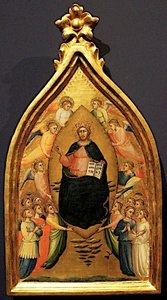
Mariotto di Nardo
1365 - 1424

