

 Pregledaj u prostoru
 Pošalji
 Podeli
 Detalji o delu

 Преузми
 Slični predmeti
 Rendgenski snimak
 Slajdovi
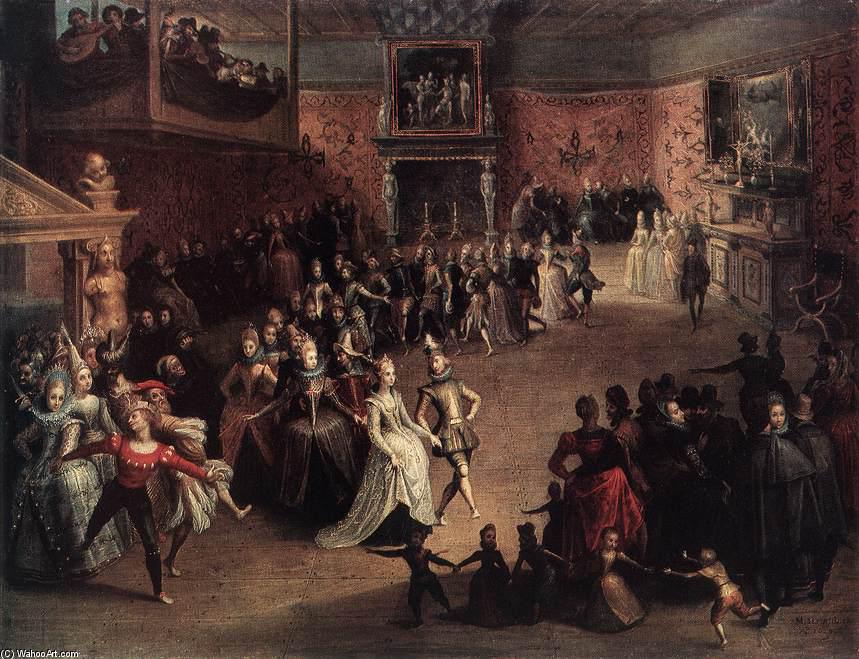
The Ball at the Court
 Oil On Canvas
- WallArt
- Baroque
 1604
1604 50.0 x 66.0 cm
 Pushkin State Museum
 Pročitaj više
Ručno rađena uljana reprodukcija
Ručno oslikano uljanim bojama na platnu u dimenzijama i okviru po vašem izboru, izrađeno po porudžbini od strane naših umetnika. ( Kupi print Kupi digitalnu sliku)




P118B $10

P118H $10

P118W $10

P438Z $10

P508JH $12

P508YH $12

P805H $10

P805Z $10

P919BZ $10

P919G $10

P919XJ $10

P959ZH $10

P968JZ $12

W106C $8

W218G $10

W218JH $8

W218Y $10

W307PJ $10

W316G $10

W316PJ $8

W316Y $10

W398PJ $8

W4111J $10

W500HY $15

W500JH $15

W692G $12

W849H $8

W940BG $15

W953PJ $8




Izaberite jednu od naših unapred definisanih veličina koje odgovaraju originalnim proporcijama umetničkog dela.

Можете унети сопствене димензије како бисте прилагодили дело одређеном оквиру или простору. Ако одабрана величина не одговара пропорцијама оригинала, слика ће бити исечена или проширена додатним елементима који се ручно насликавају. Дигитални prikaz ће вам бити послат на одобрење пре почетка производње.
Имајте на уму да преглед на екрану не одражава стварно исецање или проширење. Само приказ (mockup) ће тачно приказати коначну композицију.
Иако су доступне прилагођене величине, препоручујемо да одаберете димензију из дефинисане листе како бисте сачували оригиналне пропорције.
Nakon narudžbine, tim ArtsDot.com će klijentu putem e-pošte poslati uputstva i dostaviti prikaz predloženog rešenja
Isporuka širom sveta () za 3/4 nedelje umesto uobičajenih 5 nedelja. (26 август). Bez kompromisa po pitanju kvaliteta.

Besplatna ekspresna dostava širom sveta

Visokokvalitetno laneno platno

Kompletno osiguranje transporta

Garancija povraćaja carine i uvoznih dažbina

Garancija vernosti boja

Politika povrata u roku od 60 dana (samo u slučaju nedostataka)

Garancija povrata novca od 100%

Popust pri grupnoj kupovini
 Opcija sa staklom dostupna je samo za dimenzije manje od 110 cm

The Ball at the Court
Tehnika reprodukcije
Dimenzije reprodukcije
-


Konačna cena
$ 263
Opis umetničkog dela
The Ball at the Court by Marten Pepijn – A Baroque Celebration of Light and Movement
Marten Pepijn’s “The Ball at the Court,” completed in 1604, stands as a cornerstone of Antwerp Baroque art—a testament to Rubensian influence and a masterful depiction of aristocratic social life. This monumental oil painting on wood captures a lavish ballroom scene brimming with energy and opulent detail, transporting viewers back to the gilded age of Philip IV’s reign. Hand-painted reproductions are available at ArtsDot.com, offering an opportunity to experience this iconic artwork firsthand.- Subject Matter: The painting portrays a grand ballroom gathering—a formal social event attended by nobles and dignitaries—characterized by dancing, conversation, and refined entertainment.
- Style: Baroque – Defined by dramatic lighting, dynamic composition, and emotional intensity, “The Ball at the Court” embodies the artistic ideals of its time. Pepijn skillfully employs chiaroscuro—the interplay between light and shadow—to sculpt figures and create a sense of depth, mirroring the grandeur of the setting.
- Technique: Pepijn’s technique is characterized by meticulous brushwork and layering of glazes, resulting in a rich surface texture that captures the shimmering brilliance of candlelight and reflects the elegance of the ballroom décor. The artist's attention to detail extends beyond mere representation; he strives to convey an atmosphere of excitement and sophistication.
- Symbolism: The ballroom itself symbolizes social status, power, and prestige—elements central to aristocratic identity during the Baroque era. The figures depicted are arranged in a dynamic composition, conveying movement and interaction, mirroring the lively atmosphere of the event.
- Emotional Impact: “The Ball at the Court” evokes feelings of grandeur, celebration, and refined pleasure. Pepijn’s masterful use of light and color creates an immersive experience for the viewer, transporting them to a moment of aristocratic indulgence and artistic brilliance.
Artist Information: Marten Pepijn
Marten Pepijn (1575-1643) was born in Antwerp, Belgium—the son of Willem Pepijn, a cloth merchant and art dealer—and his formative years were steeped in the vibrant commercial and cultural milieu of the city’s guild system. Precise details regarding his artistic training remain elusive, adding to the mystique surrounding this influential painter. However, he gained admittance to the Antwerp Guild of Saint Luke in 1600 as a ‘wijnmeester,’ signifying that he was apprenticed under a master craftsman—a common practice at the time—likely contributing to his refined style and technical prowess.Additional Resources
You can find more information about Marten Pepijn and “The Ball at the Court” on these resources:- The Ball at the Court - Magnificent ‘The Ball at the Court’ by Marten Pepijn (1604). A vibrant oil on canvas depicting a lively ballroom scene. Hand-painted reproduction available.
- Marten Pepijn - Flemish painter known for large-scale religious compositions, history paintings & genre scenes. Influenced by Rubens & Francken, his work features dramatic altarpieces and detailed portraiture.
File:Marten Pepijn - The Ball at the Court - WGA17161.jpg
Licensing
This artwork is public domain, allowing for free reproduction and distribution under CC ZERO 1.0 license. Explore more information about this artwork’s provenance and history at WikiGallery: The Ball at the CourtSrodna umetnička dela



Biografija umetnika
A Legacy of Flemish Grandeur
In the heart of the Antwerp Baroque, a period defined by its dramatic flair and emotional depth, the name Marten Pepijn resonates as a testament to the enduring power of religious and historical narrative. Born in 1575 into the bustling commercial atmosphere of Antwerp, Belgium, Pepijn was the son of Willem Pepijn, a man whose role as a cloth merchant and art dealer provided the young artist with an early, intimate connection to the world of visual splendor. While the precise details of his formative training remain shrouded in the mists of history, his professional ascent was undeniably marked by his admission to the prestigious Antwerp Guild of Saint Luke in 1600. Entering as a wijnmeester—a designation reserved for the sons of established masters—he stepped into a lineage of craftsmanship that would define his career and influence the next generation of Flemish painters.
Pepijn’s personal life was deeply intertwined with the artistic fabric of his city. His marriage to Marie Huybrechts in 1601 established a household where art was not merely a profession but a family vocation. This legacy of talent was most vibrantly realized in his daughter, Katharina Pepijn, who emerged as a celebrated portrait painter in her own right, mastering a style that echoed the greatness of Rubens and Van Dyck. Through such familial connections, the technical prowess and aesthetic sensibilities of Marten Pepijn were woven into the very tapestry of the 17th-century Flemish art scene, ensuring that his influence would ripple through the decades.
The Mastery of Light and Devotion
The oeuvre of Marten Pepijn is a captivating study in stylistic duality, ranging from the monumental to the intimate. He is most renowned for his large-scale religious compositions and altarpieces, works that embody the spiritual intensity of the Counter-Reformation. In masterpieces such as St Norbert, one can witness his ability to manipulate light and shadow—a technique known as chiaroscuro—to evoke a sense of divine presence and profound piety. His religious scenes often feature kneeling figures caught in moments of ecstatic prayer, where the dramatic interplay of illumination creates a palpable tension between the earthly and the celestial.
Yet, beyond the heavy drapery and muscular forms of his sacred works, there exists a more delicate side to his artistry. Pepijn’s smaller genre scenes, such as the vibrant The Ball at the Court (1604), reveal a different facet of his genius. These cabinet paintings, often characterized by softer contours and more delicate figures, suggest a close dialogue with the works of Frans Francken the Younger. In these lighter compositions, the artist captures the elegance of courtly life, utilizing rich colors and intricate details to transport the viewer into the lively, rhythmic atmosphere of an aristocratic ballroom. This versatility allowed him to navigate both the solemn requirements of the Church and the sophisticated tastes of private collectors.
Artistic Influence and Historical Significance
To understand Marten Pepijn is to understand the complex web of influences that shaped the Antwerp school. While historical debates occasionally suggest a rivalry with the legendary Peter Paul Rubens, modern scholarship points toward a more harmonious relationship, evidenced by the deep social ties between their families. His connection to Anthony van Dyck was equally profound; the fact that Van Dyck chose to capture Pepijn’s likeness in a portrait speaks volumes of the respect held for his contemporary. This era of intense artistic exchange allowed Pepijn to absorb the burgeoning Baroque energy while maintaining a connection to the more traditional, structured compositions of the late Renaissance.
As an educator, Pepijn played a vital role in sustaining the Flemish tradition through his dedicated apprenticeship program. Between 1602 and 1628, he guided at least eight pupils through the rigors of oil painting, passing on the secrets of pigment, composition, and narrative depth. His historical significance lies not only in the individual beauty of his canvases but in his role as a pillar of the Antwerp artistic community. Through his large-scale history paintings, his evocative religious altarpieces, and his contribution to the lineage of Flemish masters, Marten Pepijn remains a vital figure for anyone seeking to understand the soul of the Baroque era.
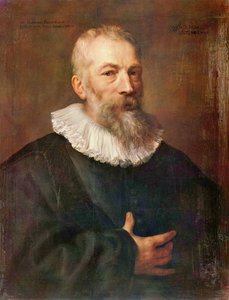
Marten Pepijn
1575 - 1643 , Belgium
Osnovne informacije
- Artistic Movement Or Style: Baroque
- Artists Or Movements Influenced By This Artist: ['Dutch Golden Age']
- Artists Who Influenced This Artist:
- Rubens
- Francken
- Date Of Birth: 1575 Antwerp Belgium
- Date Of Death: ca. 1643 Antwerp Belgium
- Full Name: Marten Pepijn
- Nationality: Flemish
- Notable Artworks:
- St Norbert
- Portrait Of The Artist Marten Pepijn
- Place Of Birth: Antwerp Belgium
Povezani članci
Decoding Baroque Grandeur: A Guide to the Drama and Emotion of 17th-Century Art
Explore the breathtaking drama of 17th-century Baroque art. Our expert guide decodes the use of chiaroscuro, emotional intensity, and historical grandeur to help you appreciate and curate timeless masterpieces for your collection.

The Dramatic Flourish: Exploring the Baroque Movement's Enduring Legacy in Art History
Explore the dramatic world of Baroque art! Discover iconic artists like Caravaggio & Rubens, defining techniques, and its lasting impact on art history. Expert insights for collectors & enthusiasts at ArtsDot.

Baroque Classicism: Reconciling Drama & Order in 17th-Century Art
Explore the captivating world of Baroque Classicism! Discover its history, key artists like Caravaggio & Rubens, and defining characteristics. Expert insights & high-quality reproductions at ArtsDot.

Барокна драма: Уношење величине и емоција у савремене ентеријере
Откријте барокну драму и унесите величину у ваш ентеријер! ArtsDot нуди ручно насликане репродукције, персонализоване портрете и стручне консултације за љубитеље класичне уметности. Потражите савршено дело већ данас!

The Visceral Stage: Exploring Dramatic Narratives & Emotional Intensity in Baroque Art
Explore the dramatic world of Baroque art! Discover iconic masters like Caravaggio & Rembrandt, their techniques, and the movement's lasting impact. Expert insights for collectors & enthusiasts at ArtsDot.


