

 Pregledaj u prostoru
 Pošalji
 Podeli
 Detalji o delu

 Преузми
 Slični predmeti
 Rendgenski snimak
 Slajdovi
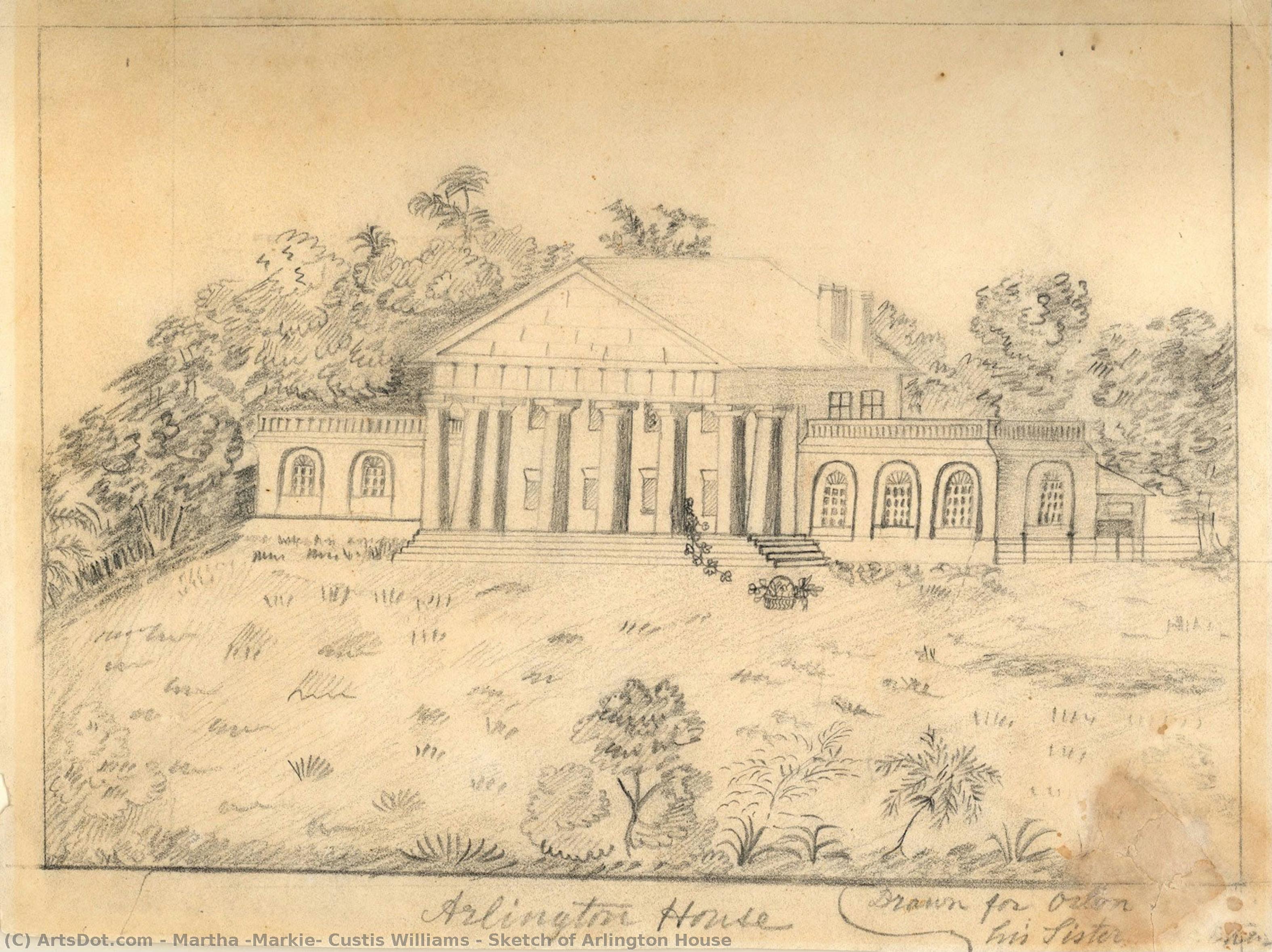
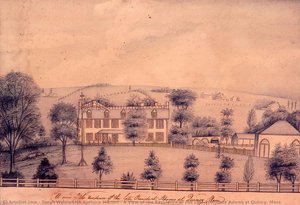
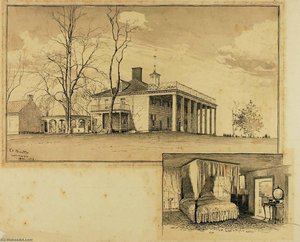
Sketch of Arlington House


 Pročitaj više
Kupite digitalnu sliku visoke rezolucije i poboljšanog kvaliteta, koja je znatno superiornija od onoga što vidite u online prikazu.
Svaka datoteka je pedantno pripremljena od strane naših stručnjaka koristeći napredne alate i profesionalnu ručnu retušu. Osiguravamo da svaka slika ima izuzetnu oštrinu, preciznu reprodukciju boja i fine detalje.
Konačna datoteka se dostavlja putem e-pošte u roku od 72 sata, optimizovana za neposrednu upotrebu u profesionalnim, izdavačkim i štamparskim okruženjima. To je isti kvalitet kojem veruju vrhunski studiji dizajna, izdavači i galerije.
Digitalna slika
Preuzmite datoteku visoke rezolucije za ličnu upotrebu, štampanje i kreativne projekte. ( Kupi print Kupi ručno naslikanu sliku)
Uključeno uz svaku porudžbinu digitalne slike
Profesionalna digitalna isporuka, zagarantovana
Kada odaberete ArtsDot.com, ne dobijate samo sliku – vi primate profesionalno unapređeno digitalno umetničko delo, izrađeno sa najvećom preciznošću i uz garanciju zadovoljstva. Evo svega što automatski dolazi uz vašu porudžbinu:

Brza dostava putem e-pošte
Vaša digitalna slika visoke rezolucije biće vam poslata putem e-pošte u roku od 72 sata od poručivanja – spremna za trenutnu upotrebu.

Digitalna datoteka unapređena veštačkom inteligencijom
Vaše umetničko delo je profesionalno optimizovano korišćenjem naprednih AI alata i ručne obrade, čime se osiguravaju maksimalni detalji, oštrina i preciznost boja.

Besplatna ponovna isporuka doživotno
Slučajno ste obrisali ili izgubili svoju datoteku? Ne brinite – poslaćemo vam je ponovo u bilo kom trenutku, potpuno besplatno.

Bez troškova uvoza – zauvek
Uživajte u svojim umetničkim delima trenutno, bez carine, dažbina ili troškova dostave – digitalni download je uvek bez poreza.

Garancija vernosti boja
Uz pomoć profesionalnih alata i upravljanja bojama, osiguravamo da vaša digitalna slika što vernije odražava originalne boje.

Garancija zadovoljstva u roku od 60 dana
Ako niste zadovoljni svojom digitalnom slikom, revidirat ćemo je ili vratiti 100% novca u roku od 60 dana – bez ikakvih pitanja.

100% garancija povrata novca
Niste zadovoljni? Obezbedite pun povrat novca u roku od 60 dana od trenutka kada ste primili svoju digitalnu datoteku – bez suvišnih pitanja.

Popusti na velike porudžbine
Kupite 3 slike, uštedite 10% - Kupite 5 slika, uštedite 15% - Kupite 10+ slika, uštedite 20%. Odlično za kreativne projekte, galerije i agencije.
Srodna umetnička dela


Biografija umetnika
Eugène Delacroix: A Revolutionary Soul of Romanticism
Eugène Delacroix, born on April 26, 1798, near Paris in Charenton-Saint-Maurice, was more than just a painter; he was a catalyst for artistic change. His early life, marked by both privilege and profound loss, shaped his passionate spirit and ultimately fueled his revolutionary approach to art. The son of Charles Delacroix, a prominent figure in the French government serving as Minister of Foreign Affairs and later ambassador, and Victoire Delacroix, daughter of renowned cabinetmaker Jean-François Oeben, he was born into a family deeply intertwined with the political and artistic circles of France. However, tragedy struck early when his father died, leaving him and his mother to navigate a precarious existence in Paris. The subsequent loss of his mother in 1814 left a lasting void, contributing to a sense of loneliness and vulnerability that would permeate much of his work. Despite these hardships, Delacroix’s upbringing provided access to cultural enrichment – he attended the Lycée Impérial (now Lycée Louis-le-Grand), where he formed lifelong friendships and developed a keen appreciation for literature and art, particularly inspired by the works of Raphael, Michelangelo, Titian, Rubens, and Poussin at the Louvre. This early exposure laid the foundation for his later artistic explorations.Early Influences and Artistic Training
Delacroix’s formal artistic training began in 1815 under Pierre-Narcisse Guérin, a respected history painter whose studio was one of the largest in Paris. While Guérin recognized Delacroix's potential, he failed to fully appreciate his unique vision. Crucially, Delacroix found inspiration and mentorship in Théodore Géricault, a fellow artist who had already garnered acclaim for his powerful depiction of the *Wreck of the Medusa* at the Salon of 1812 and 1814. Géricault’s willingness to challenge academic conventions and explore themes of human suffering resonated deeply with Delacroix, shaping his own artistic philosophy. He even posed as a model for Géricault's monumental *The Raft of the Medusa*, solidifying their connection and providing him with invaluable insight into the artist’s methods. Beyond Guérin and Géricault, Delacroix immersed himself in the art of the Old Masters at the Louvre, studying the techniques and compositions of Renaissance and Baroque painters – a crucial element in his development as an artist.The Rise of Romanticism and Revolutionary Themes
Delacroix’s debut at the Salon of 1822 with *Dante and Virgil in Hell* marked a pivotal moment, firmly establishing him as a leading figure in the burgeoning Romantic movement. The painting, inspired by Dante's *Inferno*, showcased his dramatic use of color, dynamic composition, and emotional intensity – qualities that immediately captivated critics and audiences alike. He continued to push boundaries with his subsequent works, notably *The Massacre at Scio* (1827), depicting the brutal events of the Greek War of Independence, and *Death of Sardanapalus* (1830-31), a visceral portrayal of an ancient Assyrian king’s demise. These paintings were met with mixed reactions; while some lauded their emotional power and innovative techniques, others condemned them as overly violent and lacking in classical restraint. Delacroix's willingness to confront difficult subjects and challenge established artistic norms solidified his position as a revolutionary artist, rejecting the rigid formality of Neoclassicism in favor of expressive individualism and dramatic storytelling.Liberty Leading the People: An Icon of Revolution
Perhaps Delacroix’s most enduring masterpiece is *Liberty Leading the People* (1830), painted in response to the July Revolution that overthrew King Charles X. This iconic work transcends a simple historical depiction, becoming a powerful symbol of freedom and revolution. The painting captures the fervor and chaos of the uprising, with Liberty – an allegorical figure embodying the spirit of France – leading a diverse group of revolutionaries forward. Delacroix masterfully blended realistic details with symbolic elements, creating a dynamic composition that pulsates with energy and emotion. The work was initially purchased by the government but quickly withdrawn due to its potentially inflammatory nature. Despite this setback, *Liberty Leading the People* became an enduring emblem of French republicanism and continues to inspire generations with its message of hope and resistance.Legacy and Lasting Influence
Eugène Delacroix died on December 10, 1863, in Paris, leaving behind a legacy that profoundly shaped the course of art history. His innovative use of color, dynamic composition, and emotional intensity paved the way for Impressionism and subsequent movements. He demonstrated the power of painting to convey not just visual reality but also complex emotions and ideas. His exploration of contemporary events – particularly *Liberty Leading the People* – established a precedent for artists engaging with social and political issues. Delacroix’s influence extends far beyond his own paintings; he inspired countless artists, writers, and musicians, solidifying his place as one of the most important figures in the Romantic era and a true revolutionary spirit within the world of art. His work remains celebrated today for its raw emotion, dramatic intensity, and enduring relevance.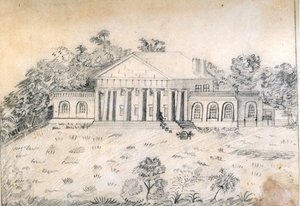
martha 'markie' custis williams
1831 - 1899 , United States of America
Kratke činjenice
- Artistic Movement Or Style: Romanticism
- Artists Or Movements Influenced By This Artist:
- Byron
- Hugo
- Artists Who Influenced This Artist:
- David
- Géricault
- Date Of Birth: April 26, 1798
- Date Of Death: July 13, 1863
- Full Name: Eugène Delacroix
- Nationality: French
- Notable Artworks:
- Dante and Virgil in Hell
- Massacre at Scio
- Death of Sardanapalus
- Liberty Leading the People
- Place Of Birth: Charenton-Saint-Maurice, France

