 Pregledaj u prostoru
 Pošalji
 Podeli
 Detalji o delu

 Преузми
 Slični predmeti
 Rendgenski snimak
 Slajdovi
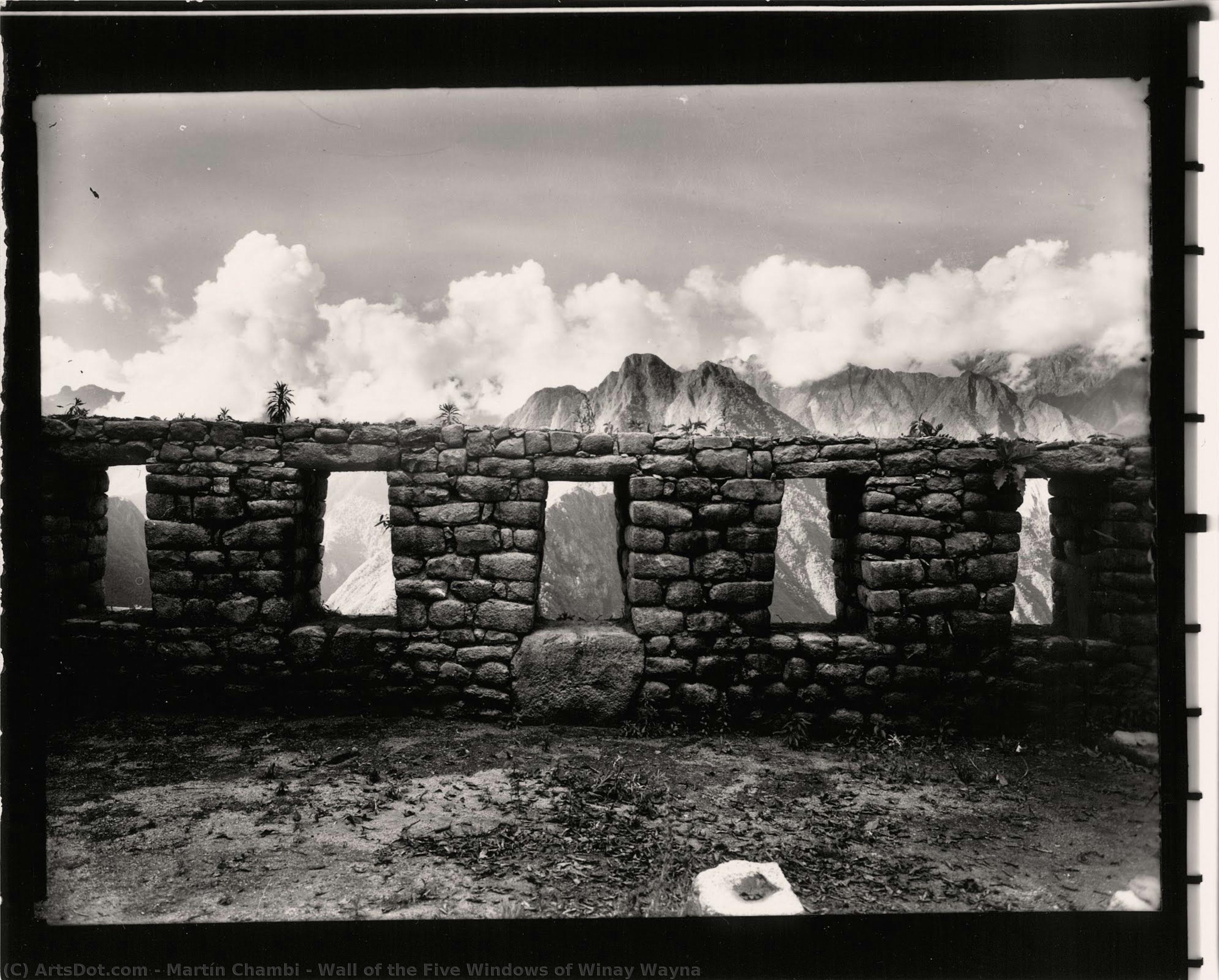
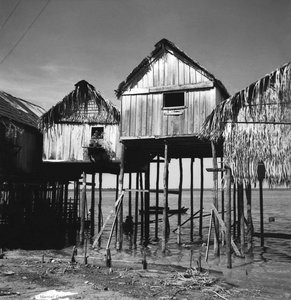
Wall of the Five Windows of Winay Wayna
 1941
1941 20.0 x 25.0 cm
 Mudec - Muzej kultura
 Pročitaj više
Giclee štampa / Umetnički otisak
Giclée štampa ili print na platnu muzejskog kvaliteta uz brzu proizvodnju i fleksibilne opcije završne obrade. ( Kupi ručno naslikanu sliku Kupi digitalnu sliku)




































Izaberite jednu od naših unapred definisanih veličina koje odgovaraju originalnim proporcijama umetničkog dela.

Možete uneti sopstvene dimenzije kako biste umetničko delo prilagodili specifičnom okviru ili prostoru. Ako odabrani format ne odgovara proporcijama originalne slike, mi ćemo ili iscrtati deo dela ili proširiti sliku pomoću ogledane ivice ili jednobojnog popunjavanja. Digitalni prikaz će vam biti poslat na odobrenje pre početka proizvodnje.
Imajte na umu da pregled na ekranu ne odražava stvarno iscrtavanje ili proširivanje. Samo će prikaz (mockup) precizno pokazati finalnu kompoziciju.
Iako su prilagođene dimenzije dostupne, preporučujemo da odaberete dimenziju sa unapred definisane liste kako biste očuvali originalne proporcije.
Dostava širom sveta () za 2 nedelje umesto uobičajenih 4/5 nedelja. (26 август)

Besplatna ekspresna dostava širom sveta

Visokokvalitetno laneno platno

Kompletno osiguranje transporta

Garancija povraćaja carine i uvoznih dažbina

Garancija vernosti boja

Politika povrata u roku od 60 dana (samo u slučaju nedostataka)

Garancija povrata novca od 100%

Popust pri grupnoj kupovini
 Opcija sa staklom dostupna je samo za dimenzije manje od 110 cm

Wall of the Five Windows of Winay Wayna
Giclee štampa / Umetnički otisak
Dimenzije reprodukcije
-


Konačna cena
$ 62
Opis predmeta
Srodna umetnička dela








Biografija umetnika
The Lens of the Andes: The Life and Legacy of Martín Chambi
In the high, thin air of the Peruvian Andes, where the shadows of the Cordillera Blanca stretch across ancient landscapes, the work of Martín Chambi remains a profound testament to the dignity of a people. Born in 1891 near the shores of Lake Titicaca, Chambi’s journey from the humble Coaza district to becoming a global icon of documentary photography is a narrative of vision and resilience. His early life was shaped by the rugged realities of the Southern Andes—a region marked by both colonial echoes and the vibrant, enduring pulse of Quechua traditions. It was not in a formal academy that his eye was trained, but through a serendipitous encounter with the mechanics of light and shadow during his youth near a British mining company, where he first witnessed the transformative power of the camera.
Chambi’s artistic evolution was deeply rooted in mentorship and technical mastery. Moving to Arequipa, he sought out the renowned photographer Max T. Vargas, whose studio served as a crucible for Chambi’s developing skills. Under Vargas’s guidance, he mastered the intricate nuances of albumen printing and the demanding processes of early twentieth-century photography. This period of apprenticeship provided him with more than just technical proficiency; it instilled in him an aesthetic foundation that allowed him to navigate both the formal requirements of studio portraiture and the spontaneous demands of outdoor landscape photography. By 1917, Chambi had established his own presence in Sicuani and later Cusco, transforming his studio into a vital hub for capturing the multifaceted identity of Peru.
A Vision of Dignity and Resistance
What distinguishes Chambi’s oeuvre from the mere ethnographic documentation of his era is his profound empathy and his refusal to view his subjects through a lens of "otherness." While many contemporary photographers approached indigenous populations as curiosities, Chambi photographed them as representatives of a living, breathing culture. His portraits are characterized by a striking psychological depth; whether capturing a Varayoc (an indigenous authority) or a simple peasant from Calca, he imbued his subjects with an unmistakable sense of pride and agency. He famously declared that he felt himself to be a representative of his race, stating that his people spoke through his photographs. This mission was a quiet but powerful act of resistance against the prevailing colonial narratives that sought to diminish Andean culture as primitive or stagnant.
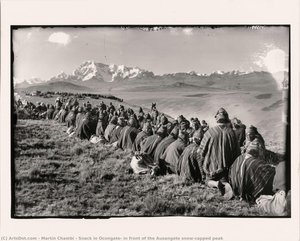
His technical brilliance allowed him to weave together the monumental and the intimate. In his landscapes, such as the breathtaking views of the Ausangate peak, he utilized light to emphasize the spiritual grandeur of the mountains. Conversely, in his studio work, he employed dramatic lighting to highlight the intricate textures of traditional textiles and the weathered features of his subjects. His ability to utilize the emerging medium of postcards also allowed him to disseminate images of Cusco and its surrounding environs to a wider world, effectively pioneering a new way for Peru to see itself and for the international community to witness the majesty of the Andes.
Historical Significance and Eternal Resonance
The historical weight of Chambi’s work cannot be overstated. He captured a pivotal moment in Peruvian history, documenting the transition of Andean society during the early twentieth century. His archives provide an invaluable visual record of landscapes, architectural wonders like Machu Picchu—which was still relatively unknown to much of the world during his most active years—and the social structures of the time. Through his lens, we see the intersection of tradition and modernity, from the ritualistic beauty of the Qoyllurit pilgrimage to the industrial presence of mining operations.
Today, Martín Chambi is celebrated not merely as a photographer, but as a visual historian who reclaimed the narrative of the Andes. His legacy lives on in the way we perceive the intersection of identity and art. The enduring power of his black-and-white compositions lies in their ability to transcend time, offering a window into a world where every shadow tells a story of survival, and every portrait serves as an eternal monument to the human spirit.
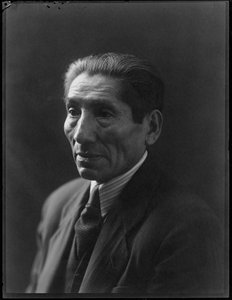
martín chambi
1891 - 1973
Osnovne informacije
- Artistic Movement Or Style: Documentary photography
- Artists Or Movements Influenced By This Artist: ['International expositions']
- Artists Who Influenced This Artist: ['Max T. Vargas']
- Date Of Birth: November 5, 1891
- Date Of Death: September 13, 1973
- Full Name: Martín Chambi Jiménez
- Nationality: Peruvian
- Notable Artworks:
- Indian Varayoc and Family
- Theatre company with its director, Luis Ochoa
- Pilgrims at Qoyllurit
- Place Of Birth: Coaza, Peru