

 Pregledaj u prostoru
 Pošalji
 Podeli
 Detalji o delu

 Преузми
 Slični predmeti
 Rendgenski snimak
 Slajdovi
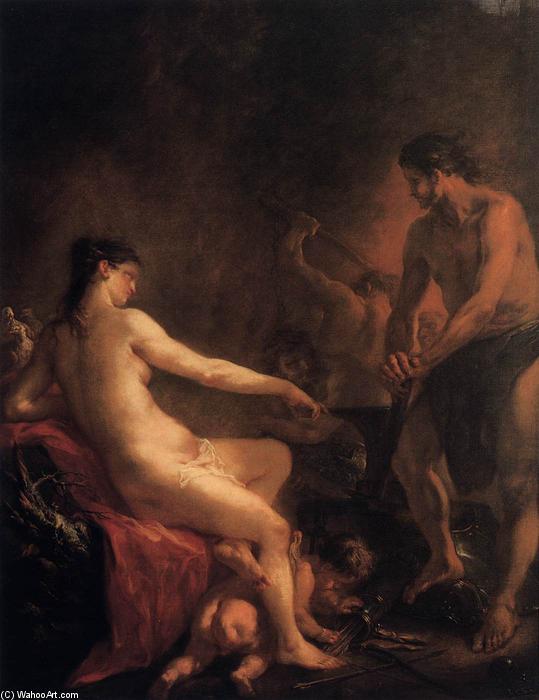
Venus and Cupid in Vulcan's Forge
 1768
1768 152.0 x 115.0 cm
 Austrian Gallery Belvedere
 Pročitaj više
Kupite digitalnu sliku visoke rezolucije i poboljšanog kvaliteta, koja je znatno superiornija od onoga što vidite u online prikazu.
Svaka datoteka je pedantno pripremljena od strane naših stručnjaka koristeći napredne alate i profesionalnu ručnu retušu. Osiguravamo da svaka slika ima izuzetnu oštrinu, preciznu reprodukciju boja i fine detalje.
Konačna datoteka se dostavlja putem e-pošte u roku od 72 sata, optimizovana za neposrednu upotrebu u profesionalnim, izdavačkim i štamparskim okruženjima. To je isti kvalitet kojem veruju vrhunski studiji dizajna, izdavači i galerije.
Digitalna slika
Preuzmite datoteku visoke rezolucije za ličnu upotrebu, štampanje i kreativne projekte. ( Kupi print Kupi ručno naslikanu sliku)
Uključeno uz svaku porudžbinu digitalne slike
Profesionalna digitalna isporuka, zagarantovana
Kada odaberete ArtsDot.com, ne dobijate samo sliku – vi primate profesionalno unapređeno digitalno umetničko delo, izrađeno sa najvećom preciznošću i uz garanciju zadovoljstva. Evo svega što automatski dolazi uz vašu porudžbinu:

Brza dostava putem e-pošte
Vaša digitalna slika visoke rezolucije biće vam poslata putem e-pošte u roku od 72 sata od poručivanja – spremna za trenutnu upotrebu.

Digitalna datoteka unapređena veštačkom inteligencijom
Vaše umetničko delo je profesionalno optimizovano korišćenjem naprednih AI alata i ručne obrade, čime se osiguravaju maksimalni detalji, oštrina i preciznost boja.

Besplatna ponovna isporuka doživotno
Slučajno ste obrisali ili izgubili svoju datoteku? Ne brinite – poslaćemo vam je ponovo u bilo kom trenutku, potpuno besplatno.

Bez troškova uvoza – zauvek
Uživajte u svojim umetničkim delima trenutno, bez carine, dažbina ili troškova dostave – digitalni download je uvek bez poreza.

Garancija vernosti boja
Uz pomoć profesionalnih alata i upravljanja bojama, osiguravamo da vaša digitalna slika što vernije odražava originalne boje.

Garancija zadovoljstva od 100 dana
Ako niste zadovoljni svojom digitalnom slikom, izvršićemo reviziju ili ćemo vam vratiti 100% novca u roku od 100 dana – bez ikakvih pitanja.

100% garancija povrata novca
Niste zadovoljni? Dobijte puni povraćaj novca u roku od 100 dana od prijema digitalne datoteke – bez suvišnih pitanja.

Popusti na velike porudžbine
Kupite 3 slike, uštedite 10% - Kupite 5 slika, uštedite 15% - Kupite 10+ slika, uštedite 20%. Odlično za kreativne projekte, galerije i agencije.
Srodna umetnička dela




Biografija umetnika
The Visionary of the Austrian Baroque
In the heart of Lower Austria, amidst the rolling landscapes of Grafenwörth, a talent was born that would eventually illuminate the altars of Europe. Martin Johann Schmidt, often affectionately remembered as Kremser Schmidt, emerged in 1718 not merely as a painter, but as a profound storyteller of the divine. As the son of a sculptor, Johannes Schmidt, his early life was steeped in the tactile beauty of form and substance, yet he would transcend the physical weight of stone to master the ethereal lightness of light and color. Unlike many of his contemporaries who climbed the rigid hierarchies of formal academies through strict apprenticeship, Schmidt’s ascent was fueled by an undeniable, raw brilliance that commanded attention across the continent.
His journey into the upper echelons of the art world reached a definitive milestone in 1768 when he was admitted to the prestigious Imperial Academy in Vienna. This achievement was no mere formality; it was a recognition of a singular vision that stood alongside the giants of his era, such as Franz Anton Maulbertsch and Daniel Gran. Schmidt possessed a rare ability to bridge the gap between the high-minded complexity of the Baroque and the emotional accessibility required for private devotion. His works were not merely decorations for the elite; they were windows into the spiritual realm, designed to captivate the hearts of both the pious aristocrat and the humble parishioner.
A Tapestry of Devotion and Myth
The breadth of Schmidt’s oeuvre is nothing short of monumental. His career was defined by an astonishing output of large-scale altar paintings that transformed ecclesiastical spaces into theaters of light. While his primary mission remained the creation of devotional imagery, his artistic evolution revealed a fascinating duality. During the period following 1780, one can observe a captivating shift where mythological themes began to intertwine with biblical narratives. This expansion of subject matter allowed him to explore the human condition through the lens of classical antiquity, even as he remained anchored to his spiritual roots.
The technical mastery behind these works lies in his unique approach to color and atmosphere. His palette was famously vibrant, utilizing a lively spectrum that breathed life into sacred figures. This brilliance was often tempered by a sophisticated use of shadow, a technique that suggests a deep, perhaps even subconscious, connection to the masters of the North. Through his brush, the heavy drama of the Baroque era began to soften, hinting at a more luminous, emotive style that would resonate through the centuries.
Influences and the Legacy of Light
While Schmidt was firmly rooted in the Viennese Baroque tradition under the early guidance of Gottlieb Starmayr, his aesthetic soul was shaped by much broader horizons. There is a palpable sense of the Mediterranean in his work, likely born from an intimate encounter with the art of Northern Italy. This infusion of Italianate warmth provided the necessary counterpoint to the more structured Germanic traditions, allowing him to develop a style that felt both grounded and transcendent.
Perhaps the most intriguing aspect of his technical development is the shadow of Rembrandt that lingers within his draughtsmanship. In his meticulous etchings, one finds a profound mastery of chiaroscuro—the dramatic interplay of light and dark. This attention to tonal value and detail reveals an artist who understood that true emotion is often found in the transition from shadow to glow. It is this very quality—this precursor to the atmospheric sensitivity seen in later movements—that leads many historians to view Schmidt as a bridge between the heavy drama of the 18th century and the burgeoning light-focused sensibilities of the eras to follow.
When Martin Johann Schmidt passed away in 1801 in Stein/Danube, he left behind a legacy that far outlasted his lifetime. His life’s work remains a testament to the power of an independent spirit:
- A Master of Emotion: Creating art that spoke directly to the spiritual needs of all social classes.
- Technical Innovation: Blending the dramatic chiaroscuro of Rembrandt with the vibrant colors of the Italian Baroque.
- Historical Significance: Serving as a pivotal figure who transitioned the heavy Baroque style toward a more luminous, proto-Impressionistic sensibility.
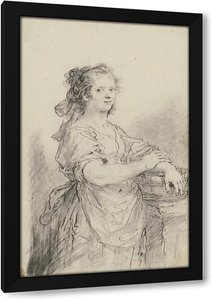
Martin Johann Schmidt
1718 - 1801 , Austria
Kratke činjenice
- Artistic Movement Or Style: Baroque/Rococo
- Artists Or Movements Influenced By This Artist: ['Impressionism']
- Artists Who Influenced This Artist: ['Rembrandt']
- Date Of Birth: 25 September 1718
- Date Of Death: 28 June 1801
- Full Name: Martin Johann Schmidt
- Nationality: Austrian
- Notable Artworks:
- Saint Elizabeth Distributing Alms
- Venus and Cupid in Vulcan's Forge
- Place Of Birth: Grafenwörth, Austria