

 Pregledaj u prostoru
 Pošalji
 Podeli
 Detalji o delu

 Преузми
 Slični predmeti
 Rendgenski snimak
 Slajdovi
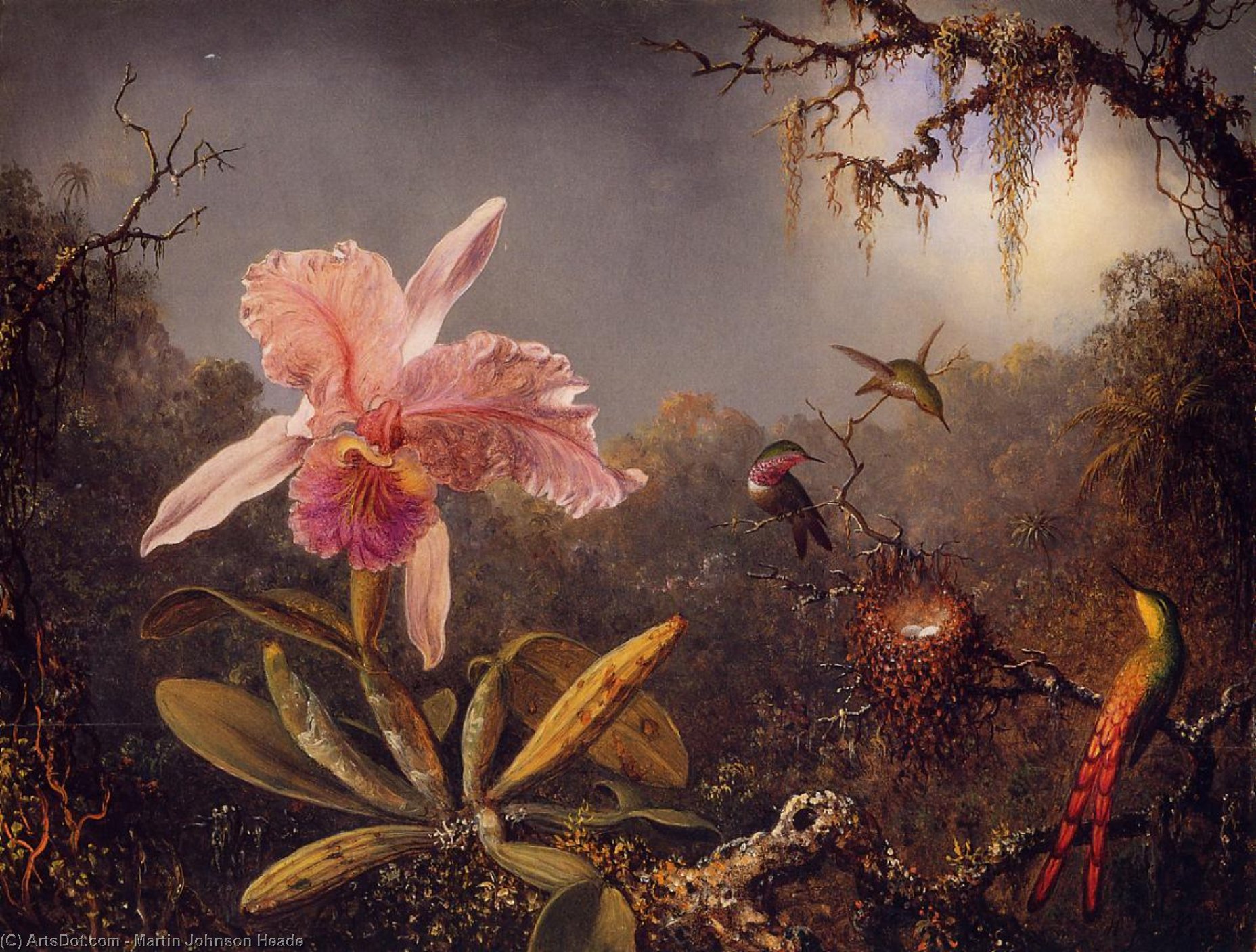
Cattleya Orchid and Three Brazilian Hummingbirds


 Pročitaj više
Giclee štampa / Umetnički otisak
Giclée štampa ili print na platnu muzejskog kvaliteta uz brzu proizvodnju i fleksibilne opcije završne obrade. ( Kupi ručno naslikanu sliku Kupi digitalnu sliku)




P118B $10

P118H $10

P118W $10

P438Z $10

P508JH $12

P508YH $12

P805H $10

P805Z $10

P919BZ $10

P919G $10

P919XJ $10

P959ZH $10

P968JZ $12

W106C $8

W218G $10

W218JH $8

W218Y $10

W307PJ $10

W316G $10

W316PJ $8

W316Y $10

W398PJ $8

W4111J $10

W500HY $15

W500JH $15

W692G $12

W849H $8

W940BG $15

W953PJ $8




Izaberite jednu od naših unapred definisanih veličina koje odgovaraju originalnim proporcijama umetničkog dela.

Možete uneti sopstvene dimenzije kako biste umetničko delo prilagodili specifičnom okviru ili prostoru. Ako odabrani format ne odgovara proporcijama originalne slike, mi ćemo ili iscrtati deo dela ili proširiti sliku pomoću ogledane ivice ili jednobojnog popunjavanja. Digitalni prikaz će vam biti poslat na odobrenje pre početka proizvodnje.
Imajte na umu da pregled na ekranu ne odražava stvarno iscrtavanje ili proširivanje. Samo će prikaz (mockup) precizno pokazati finalnu kompoziciju.
Iako su prilagođene dimenzije dostupne, preporučujemo da odaberete dimenziju sa unapred definisane liste kako biste očuvali originalne proporcije.
Dostava širom sveta () za 2 nedelje umesto uobičajenih 4/5 nedelja. (24 август)

Besplatna ekspresna dostava širom sveta

Visokokvalitetno laneno platno

Kompletno osiguranje transporta

Garancija povraćaja carine i uvoznih dažbina

Garancija vernosti boja

Politika povrata u roku od 60 dana (samo u slučaju nedostataka)

Garancija povrata novca od 100%

Popust pri grupnoj kupovini
 Opcija sa staklom dostupna je samo za dimenzije manje od 110 cm

Cattleya Orchid and Three Brazilian Hummingbirds
Giclee štampa / Umetnički otisak
Dimenzije reprodukcije
-


Konačna cena
$ 62
Opis predmeta
A Tranquil Vision of Tropical Paradise: Cattleya Orchid and Three Hummingbirds by Martin Johnson Heade
Martin Johnson Heade’s “Cattleya Orchid and Three Hummingbirds,” completed in 1871, stands as a quintessential example of Luminism—a movement that championed serene landscapes imbued with spiritual resonance. More than just a depiction of flora and fauna, it embodies the ethos of its time: an earnest fascination with the natural world alongside a burgeoning belief in scientific observation and artistic expression as pathways to understanding God’s creation. ## The Quintessence of Luminist Tranquility Martin Johnson Heade's *Cattleya Orchid and Three Hummingbirds*, completed in 1871, embodies the very spirit of Luminism—a movement that championed serene landscapes imbued with subtle tonal gradations and an almost meditative stillness. Unlike Impressionists who sought to capture fleeting moments of light and color, Luminist painters like Heade prioritized conveying a profound sense of atmosphere and tranquility, mirroring the contemplative gaze of the Romantic era.
A Vision of Tropical Serenity: Cattleya Orchid and Three Hummingbirds
Martin Johnson Heade’s *Cattleya Orchid and Three Hummingbirds*, completed in 1871, stands as a quintessential example of Luminism—a movement that championed serene landscapes bathed in diffused light, prioritizing atmospheric perspective and capturing the subtle beauty of nature. This painting resides within the esteemed National Gallery of Art collection, offering visitors an unparalleled opportunity to experience firsthand the artistic vision of Martin Johnson Heade.A Vision of Tropical Tranquility
The artwork depicts a lush Brazilian rainforest scene dominated by a magnificent pink Cattleya orchid—a flower renowned for its exquisite beauty and fragrance. Three hummingbirds flit around the orchid blossoms, adding dynamism and vibrancy to the composition. The painting’s serene atmosphere is enhanced by misty foliage and distant trees, creating an immersive experience for the viewer.A Tranquil Vision of Tropical Paradise: Cattleya Orchid and Three Hummingbirds
Martin Johnson Heade's *Cattleya Orchid and Three Hummingbirds*, painted in 1871, stands as a quintessential example of Luminism—a movement that championed serene landscapes imbued with spiritual resonance rather than dramatic narratives. This exquisite oil-on mahogany panel captures the humid stillness of Brazil’s tropical rainforest, transporting viewers to an environment teeming with vibrant flora and fauna. At its heart lies “Cattleya Orchid and Three Hummingbirds,” a masterpiece executed in 1871 by Martin Johnson Heade, a pivotal figure in Luminist painting—a movement characterized by serene landscapes bathed in diffused light and prioritizing atmospheric perspective above detailed representation. This remarkable artwork, "Cattleya Orchid and Three Hummingbirds," exemplifies the Luminist aesthetic's profound connection to nature’s beauty and its subtle exploration of scientific observation interwoven with poetic contemplation.A Vision of Tropical Elegance
“Cattleya Orchid and Three Hummingbirds” by Martin Johnson Heade is a masterpiece of Luminism, an artistic movement that flourished in America during the mid-1860s and 1870s. It captures a serene tropical landscape—specifically, a dense Brazilian rainforest—with remarkable precision and luminosity, embodying the core principles of Luminist painting.A Vision of Tropical Tranquility
Martin Johnson Heade’s *Cattleya Orchid and Three Hummingbirds*, completed in 1871, stands as a quintessential example of Luminism – an artistic movement that championed serene landscapes imbued with spiritual resonance. Painted on mahogany panel, the artwork captures a breathtaking glimpse into Brazil's tropical rainforest, specifically focusing on the exquisite beauty of Cattleya orchids intertwined with hummingbirds—a motif deeply rooted in Victorian scientific fascination and Romantic idealism. ## The Vision of Tranquility: Luminism and Heade’s Landscape Philosophy Martin Johnson Heade (1819-1904) stands as a pivotal figure in American art, embodying the ethos of Luminism – a movement that championed serene landscapes imbued with subtle tonal gradations and atmospheric perspective. Unlike Romantic painters who sought dramatic emotion, Luminists like Martin Johnson Heade prioritized capturing the quiet beauty of nature, reflecting a philosophical shift toward observation and scientific inquiry.A Moment Frozen in Tropical Reverie: Cattleya Orchid and Three Hummingbirds
Martin Johnson Heade’s *Cattleya Orchid and Three Hummingbirds*, completed in 1871, stands as a quintessential example of Luminist painting—a movement that championed serene landscapes imbued with subtle tonal gradations to convey mood and atmosphere. More than just a depiction of flora and fauna, it embodies the Romantic spirit's fascination with the sublime – confronting viewers with the grandeur and beauty of nature while simultaneously hinting at its untamed power. ## The Quintessence of Luminism: Cattleya Orchid and Three Hummingbirds Martin Johnson Heade’s *Cattleya Orchid and Three Hummingbirds*, completed in 1871, stands as a quintessential exemplar of Luminist painting—a movement that championed serene landscapes imbued with subtle tonal gradations and atmospheric haze to convey an idealized vision of nature. This remarkable artwork, “Cattleya Orchid and Three Hummingbirds,” by Martin Johnson Heade, resides within the esteemed collection of the National Gallery of Art in Washington D.C., a testament to its enduring beauty and artistic merit.A Luminist’s Quiet Vision: The Essence of Cattleya Orchid and Three Hummingbirds
Martin Johnson Heade's *Cattleya Orchid and Three Hummingbirds*, completed in 1871, stands as a quintessential example of Luminism—a movement that championed serene landscapes imbued with subtle tonal gradations and atmospheric perspective. Painted on mahogany panel, the artwork depicts a lush Brazilian marsh bathed in diffused sunlight, dominated by an exquisite Cattleya orchid and attended by three hummingbirds – a striking combination reflecting Heade’s fascination with capturing the ephemeral beauty of tropical flora and fauna. ## The Scene: A Lush Tropical Reverie Martin Johnson Heade's *Cattleya Orchid and Three Hummingbirds*, completed in 1871, transports viewers to the humid depths of Brazil’s rainforest—a realm meticulously rendered by the Luminist painter. More than just a botanical depiction, it embodies a profound philosophical stance on nature’s beauty and humanity’s place within its grandeur. The painting captures a moment frozen in time, bathed in diffused sunlight that illuminates a lush tropical landscape dominated by a magnificent Cattleya orchid and three Brazilian hummingbirds. ## A Vision of Luminism: Heade's Tranquil Tropical Dreamscape Martin Johnson Heade (1819-1904), a pivotal figure in American Luminist painting, achieved renown for his masterful depictions of the natural world—particularly coastal marshes and tropical landscapes—characterized by an almost ethereal stillness. “Cattleya Orchid and Three Hummingbirds,” completed in 1871, exemplifies this distinctive aesthetic and offers a profound glimpse into Heade’s artistic vision during the Luminist movement.A Moment Frozen in Tropical Splendor
The painting depicts a lush Brazilian jungle scene bathed in diffused sunlight—a hallmark of Luminism, an American art style that prioritizes atmospheric perspective and tranquil landscapes over dramatic narratives. Martin Johnson Heade meticulously rendered this serene marsh scene with remarkable precision, capturing the subtle nuances of light and color to convey a profound sense of stillness and beauty. The painting’s composition draws the eye upward towards the dominant pink Cattleya orchid, its petals unfurling gracefully against the muted tones of the surrounding foliage. Three Brazilian hummingbirds hover around the flower, their iridescent plumage shimmering in the dappled sunlight—a testament to Heade's masterful observation of nature and his ability to capture fleeting moments of beauty.A Luminist’s Quiet Vision: Exploring Cattleya Orchid and Three Hummingbirds
Martin Johnson Heade (1819-1904) stands as a cornerstone of American Luminism, an artistic movement characterized by its serene landscapes bathed in diffused light—a deliberate rejection of Romantic melodrama in favor of contemplative observation. His paintings aren’t merely depictions of nature; they are expressions of a profound connection to the natural world and a subtle exploration of spiritual themes. Consider “Cattleya Orchid and Three Hummingbirds,” completed in 1871, as an exemplary illustration of Heade's Luminist aesthetic.A Moment Frozen in Tropical Brilliance
Martin Johnson Heade’s *Cattleya Orchid and Three Hummingbirds* isn’t merely a depiction of flora; it’s a distillation of the Luminist movement’s core ethos—a profound reverence for the quiet majesty of the natural world rendered with breathtaking precision. Completed in 1871, “Cattleya Orchid and Three Hummingbirds” stands as one of Martin Johnson Heade's most celebrated works, capturing not merely a visual representation but an essence of Luminist philosophy – a dedication to portraying the sublime beauty of nature without embellishment or sentimentality.The Scene: Tropical Tranquility
“Cattleya Orchid and Three Hummingbirds,” painted in 1871 by Martin Johnson Heade, captures a breathtaking glimpse into the vibrant heart of Brazil’s rainforest ecosystem. The canvas depicts a dense jungle landscape bathed in diffused sunlight—a characteristic feature of Luminist painting—where lichen-covered branches dominate the upper portion of the scene. Beneath this canopy, moss drips from trees, creating an atmosphere of quiet contemplation and immersion in nature's beauty. ## Cattleya Orchid and Three Hummingbirds: A Symphony of Color and Detail Martin Johnson Heade’s *Cattleya Orchid and Three Hummingbirds*, completed in 1Srodna umetnička dela
Biografija umetnika
Tiha Vizija Luministe: Život i Rad Martina Džonsona Hejda
Martin Džonson Hejd, rođen u mirnoj ruralnoj Pensilvaniji 1819. godine, ostaje fascinantna figura u istoriji američke umetnosti – slikar čiji su svetli pejzaži i intimni prikazi prirode postepeno izlazili iz relativne nepoznanice da bi zauzeli zasluženo mesto među najznačajnijim umetničkim dostignućima nacije. Njegov rani život u Lumbervilu, pored reke Delaver, usađuje u njega duboku zahvalnost za prirodni svet, naklonost negovana prvim studijama pod lokalnim umetnicima Edvardom i moguće Tomasom Hiksom. Ove temeljne lekcije obezbedile su Hejdu tehničke veštine koje bi kasnije procvetale u prepoznatljiv stil, iako njegov put do priznanja nije bio lak. U početku fokusiran na portretiranje, njegovi rani radovi pokazuju kompetentnu ruku, ali nedostaju mu jedinstvena vizija koja će definisati njegov zreli opus. Period putovanja Evropom proširio je njegove umetničke horizonte, izloživši ga različitim uticajima i postavljajući pozornicu za konačni prijem pejzažnog slikarstva.Od Portreta do Panoramskog Svetla
Ključni pomak u Hejdovoj umetničkoj orijentaciji dogodio se kroz susrete sa članovima Škole reke Hadson – umetnicima poput Džona Frederika Kenseta i Bendžamina Čempnija – koji su probudili u njemu strast za hvatanjem veličanstva i suptilne lepote američkog pejzaža. Ovaj uticaj, u kombinaciji sa njegovom urođenom osetljivošću na svetlo i atmosferu, doveo je do razvoja stila karakterizovanog mirnim kompozicijama i pedantnom pažnjom prema detaljima. Hejdov rad se počeo razlikovati kroz svoju tihu intenzivnost, izbegavajući dramatične priče koje su favorizovali neki njegovi savremenici u korist kontemplativnih studija močvara, morskih pejzaža i na kraju, tropske flore i faune. Značajan trenutak došao je sa njegovim putovanjem u Brazil 1863-1864. godine, putovanje koje je duboko uticalo na njegov umetnički izlaz. Uronjen u živopisne boje i egzotične oblike brazilske prašume, Hejd se upustio u niz malih slika koje prikazuju kolibrije među bujnim orhidejama – radova koji pokazuju njegovu tehničku veštinu i fascinaciju delikatnom interakcijom između života i okoline. Ovi “dragulji Brazila”, kako ih je zvao, prvobitno su bili namenjeni za objavljivanje, ali su ostali uglavnom nerealizovani tokom njegovog života, a danas predstavljaju neka od njegovih najslavljenijih dela. Kasnija putovanja u Centralnu Ameriku i Jamajku dalje su podstakla njegovo istraživanje tropskih tema, obogaćujući njegovu paletu boja i proširujući njegov umetnički vokabular.Močvare, Magnolije i Ponovno Otkriće Majstora
U kasnijim godinama, Hejd se nastanio u St. Augustinu na Floridi, gde je usmerio pažnju na mrtvu prirodu – posebno izuzetne prikaze magnolija aranžiranih na bogatim velunima. Ove slike, sa svojim baršunastim teksturama i svetlim svetlom, primer su njegove majstorije u boji i formi. Međutim, uprkos proizvodnji značajnog korpusa dela tokom svoje karijere, Hejd je ostao uglavnom nepoznat tokom svog života. Tek 1940-ih godina su naučnici počeli da prepoznaju značaj njegovog doprinosa američkoj umetnosti. Izvanredna serija otkrića – slike koje su se pojavile na neočekivanim mestima poput garažnih rasprodaja i buvljaka – vratila je pažnju na njegov rad, otkrivši prethodno zanemarenog majstora Luminizma. Sam termin “Luminizam”, kovan da opiše stil koji dele Hejd i umetnici poput Fica Henrija Lejna, hvata suštinu njegove umetničke vizije: naglasak na atmosferskim efektima, suptilnim gradacijama svetla i osećaju tišine i mira.Nasleđe Tihe Kontemplacije
Nasleđe Martina Džonsona Hejda proteže se dalje od njegove tehničke veštine i estetskih osetljivosti. Njegove slike nude gledaocima prostor za tiho razmišljanje – poziv da se urone u lepotu i mir prirodnog sveta. Iako možda nije postigao široku slavu tokom svog života, njegov rad je duboko rezonirao sa publikom od ponovnog otkrića, učvršćujući njegov položaj kao glavne figure američke umetnosti. Danas se njegove slike nalaze u istaknutim muzejskim zbirkama širom sveta, uključujući zbirku Martina Džonsona Hejda na ArtsDot, i nastavljaju da inspirišu divljenje zbog svoje svetle lepote i trajne snage. Hejдова способност да зароби пролазне квалитете светлости и атмосфере – да трансформише обичне сцене у моменте трансцендентне лепоте – обезбеђује његово место међу највољенијим и утицајним америчким сликарима 19. века. Njegova umetnost служи као подсећање на важност очувања и цењења природног света, и проналажења утехе у његовом тихом сјају.Кључне карактеристике Хејдовог стила
- Luminizam: Дефинишућа карактеристика, која наглашава атмосферске ефекте и суптилне градиране светлости.
- Мирне композиције: Избегавање драматичних наратива у корист мирних сцена.
- Педантна детаљност: Прецизно рендерирање природних облика и текстура.
- Предмет сликања: Мочвари, морски пејзажи, тропске птице (посебно колибрији), магнолије и мртва природа.
- Романтичан приступ: Фокус на емоционалном утицају природе и њеној лепоти.
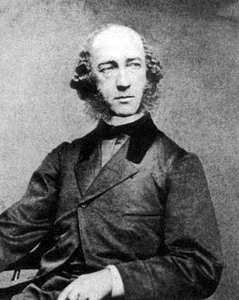
Мартин Џонсон Хиде
1819 - 1904 , Sjedinjene Američke Države
Osnovne informacije
- Artistic Movement Or Style: Lumimizam
- Artists Who Influenced This Artist:
- Edward Hicks
- John F. Kensett
- Date Of Birth: 11. avgust 1819.
- Date Of Death: 4. septembar 1904.
- Full Name: Martin Johnson Heade
- Nationality: Amerikanac
- Notable Artworks:
- Orhideje i kolibri
- Močvare sa solju
- Cvetovi kolibrija
- Place Of Birth (City And Country): Lumberville, SAD
Povezani članci
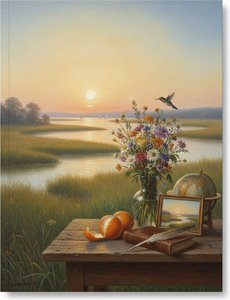
Martin Johnson Heade: Luminism, American Identity & the Poetic Still Life
Explore the captivating world of Martin Johnson Heade, a master of Luminism. Discover his serene landscapes, vibrant still lifes & profound connection to American identity. Learn about his techniques and legacy.

Glavna dela koja su definisala Romantični pejzaž: 10 remek-dela za vaš dom
Otkrijte 10 remek-dela romantičnog pejzažnog slikarstva! Uronite u svet Claude Lorraina, Caspara David Friedricha i Turnera. Ispričane priče umetnosti, inspiracija za dekoraciju doma. Kvalitetne reprodukcije na ArtsDot.com – istražite celu kolekciju online!
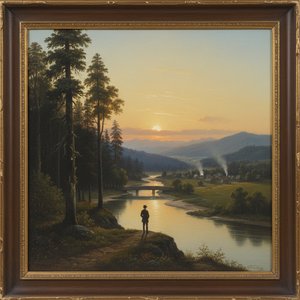
Robert Spencer: Luminism, Narrative & the American Landscape Tradition
Explore the captivating world of Luminism & the Hudson River School with our expert analysis. Discover the history, artists, and enduring beauty of 19th-century American landscape painting. Find museum-quality reproductions at ArtsDot.
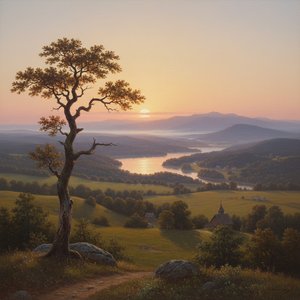
Asher Brown Durand: Luminism, Landscape & the American Ideal – A Comprehensive Exploration
Explore the life & art of Asher Brown Durand, a founding member of the Hudson River School. Discover his masterful landscapes, Luminist techniques, and lasting impact on American painting. Learn about key works like 'Kindred Spirits' & collecting Durand today.
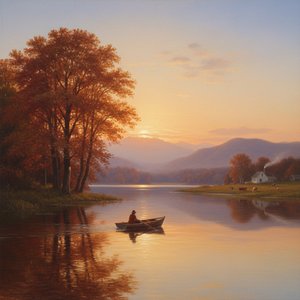
Jasper Francis Cropsey: Luminism, Landscape & the American Pastoral Ideal
Explore the captivating landscapes of Jasper Francis Cropsey, a leading figure of the Hudson River School & Luminism movement. Discover his signature style and idyllic American scenes. Own a hand-painted reproduction today!

