

 Pregledaj u prostoru
 Pošalji
 Podeli
 Detalji o delu

 Преузми
 Slični predmeti
 Rendgenski snimak
 Slajdovi
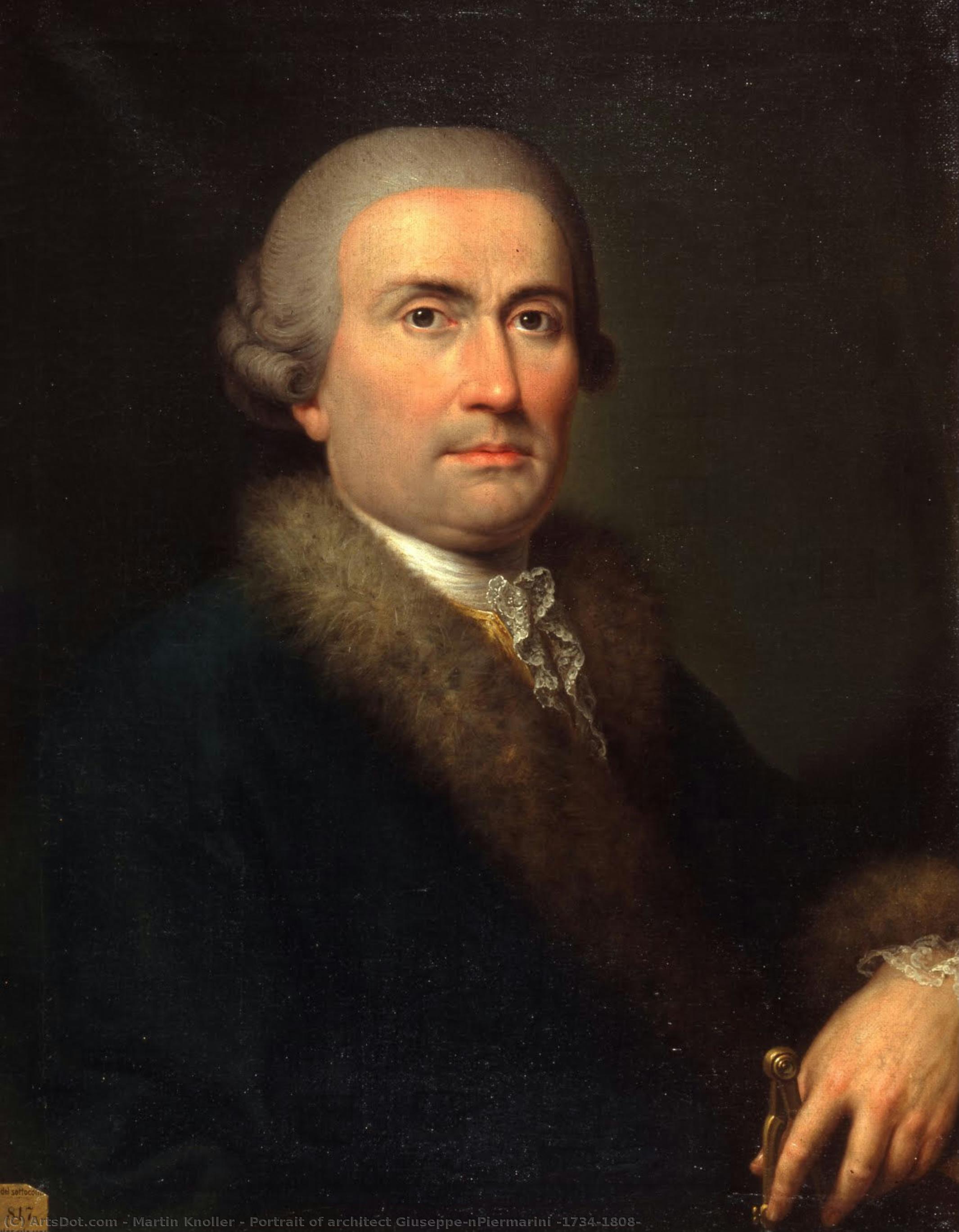
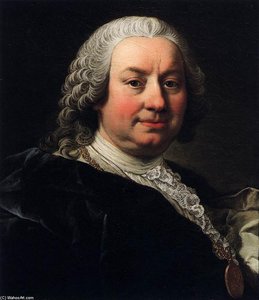
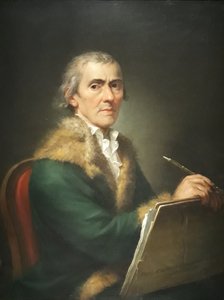
Portrait of architect Giuseppe\nPiermarini (1734-1808)


 Pročitaj više
Ručno rađena uljana reprodukcija
Ručno oslikano uljanim bojama na platnu u dimenzijama i okviru po vašem izboru, izrađeno po porudžbini od strane naših umetnika. ( Kupi print Kupi digitalnu sliku)




P118B $10

P118H $10

P118W $10

P438Z $10

P508JH $12

P508YH $12

P805H $10

P805Z $10

P919BZ $10

P919G $10

P919XJ $10

P959ZH $10

P968JZ $12

W106C $8

W218G $10

W218JH $8

W218Y $10

W307PJ $10

W316G $10

W316PJ $8

W316Y $10

W398PJ $8

W4111J $10

W500HY $15

W500JH $15

W692G $12

W849H $8

W940BG $15

W953PJ $8




Izaberite jednu od naših unapred definisanih veličina koje odgovaraju originalnim proporcijama umetničkog dela.

Можете унети сопствене димензије како бисте прилагодили дело одређеном оквиру или простору. Ако одабрана величина не одговара пропорцијама оригинала, слика ће бити исечена или проширена додатним елементима који се ручно насликавају. Дигитални prikaz ће вам бити послат на одобрење пре почетка производње.
Имајте на уму да преглед на екрану не одражава стварно исецање или проширење. Само приказ (mockup) ће тачно приказати коначну композицију.
Иако су доступне прилагођене величине, препоручујемо да одаберете димензију из дефинисане листе како бисте сачували оригиналне пропорције.
Nakon narudžbine, tim ArtsDot.com će klijentu putem e-pošte poslati uputstva i dostaviti prikaz predloženog rešenja
Isporuka širom sveta () za 3/4 nedelje umesto uobičajenih 5 nedelja. (22 август). Bez kompromisa po pitanju kvaliteta.

Besplatna ekspresna dostava širom sveta

Visokokvalitetno laneno platno

Kompletno osiguranje transporta

Garancija povraćaja carine i uvoznih dažbina

Garancija vernosti boja

Politika povrata u roku od 60 dana (samo u slučaju nedostataka)

Garancija povrata novca od 100%

Popust pri grupnoj kupovini
 Opcija sa staklom dostupna je samo za dimenzije manje od 110 cm

Portrait of architect Giuseppe\nPiermarini (1734-1808)
Tehnika reprodukcije
Dimenzije reprodukcije
-


Konačna cena
$ 263
Opis umetničkog dela
A Glimpse into Milanese Enlightenment Genius
This captivating portrait offers us an intimate encounter with Giuseppe Piermarini, the visionary architect whose hand shaped much of Milan's grand architectural narrative during the late eighteenth century. Depicted by Martin Knoller in the years between 1775 and 1779, the painting transcends a mere likeness; it is a historical document imbued with the spirit of Enlightenment rationalism applied to stone and structure. Piermarini, whose genius was evident in his designs for monumental works like La Scala Theatre and the Palazzo di Brera, is presented here not just as a man, but as an intellectual force—a master craftsman whose mind wrestled with the very geometry of urban life.
The Symbolism of Craft and Intellect
Observe the subtle yet potent details that anchor this portrait in its professional context. Piermarini is shown holding one hand upon a set of compasses, an unmistakable emblem of his trade. These tools are more than mere props; they symbolize precision, measurement, and the rigorous application of mathematical principles to art. In an era where architecture was transitioning from Baroque flourish toward Neoclassical clarity, this gesture speaks volumes about Piermarini's commitment to functionality and rational allocation of space—a concern that defined his revolutionary approach to theatre design. The dark, rich background serves a crucial artistic function, allowing the luminous figure and the symbolic tools to emerge with dramatic clarity, focusing all attention on the confluence of man and intellect.
Martin Knoller's Masterful Technique
The execution by Martin Knoller reveals an artist deeply versed in both Baroque drama and emerging Neoclassical restraint. While Knoller’s training roots lie in the grand traditions of Salzburg and Vienna, his handling here demonstrates a refined balance. The rendering of Piermarini’s wig and ruffled collar speaks to the period's elevated sense of formality, yet the underlying structure remains crisp and balanced—a visual echo of the architectural principles Piermarini championed. Knoller captures the sitter with an air of sophisticated importance; the gaze directed outward suggests a man accustomed to being observed, his achievements awaiting recognition.
Echoes for the Modern Collector
For the discerning collector or designer whose taste leans toward historical gravitas and intellectual depth, this reproduction offers more than just decoration. It is an artifact of cultural ambition. Owning this piece connects one tangibly to the golden age of Milanese design—a time when public spaces were reimagined for maximum human experience. The portrait whispers tales of grand openings, critical reviews, and the enduring power of visionary planning. It serves as a sophisticated focal point, suggesting that within any great space, there is always an underlying structure, a brilliant mind at work.
Srodna umetnička dela


Biografija umetnika
Martin Knoller: Life and Legacy
Early Life and Education
Martin Knoller (1725 – 1804) was an Austrian-Italian painter, primarily active in Italy, renowned for his fresco work. Born in Steineck im Brenner, near Innsbruck, Austria, he received his initial artistic training under the tutelage of Paul Troger and Michelangelo Unterberger in Salzburg and Vienna. These masters instilled in him a foundation in Baroque techniques that would later inform his distinctive style.
Artistic Development and Influences
In 1755, Knoller journeyed to Rome, a pivotal moment in his artistic development. Exposure to the burgeoning Neoclassical movement profoundly influenced his work. He studied under Anton Raphael Mengs and engaged with the writings of Johann Joachim Winckelmann, absorbing their emphasis on classical ideals of form and composition. While retaining elements of Baroque drama, Knoller’s style increasingly incorporated clarity, balance, and a refined aesthetic sensibility.
Key Characteristics and Style
Knoller's art occupies an interesting space between the Baroque and Rococo periods, with the latter often prevailing in his paintings rather than his frescoes. He specialized in both frescoes and altarpiece paintings. His compositions frequently feature groups of figures, always ensuring the principal subject is prominently located in the foreground. A hallmark of his work is the use of bright, vibrant colors, particularly in clothing, adding a sense of life and dynamism to his scenes.
- Emphasis on Figure Groups: Knoller excelled at depicting dynamic interactions between figures.
- Vibrant Color Palette: His use of color adds energy and visual interest.
- Clear Composition: He favored well-ordered arrangements, avoiding the excessive drama of High Baroque.
- Masterful Perspective: Knoller demonstrated a strong understanding of perspective, creating realistic spatial depth.
Major Achievements and Commissions
Knoller’s breakthrough came with his completion of “The Glory of St Stephen” in 1754 at the parish church of Anras in East Tyrol. However, it was through the patronage of Karl Joseph von Firmian, the Imperial Governor of Lombardy under Maria Theresa, that Knoller achieved widespread recognition. Von Firmian commissioned him to paint frescoes for the Palazzo Firmian-Vigoni, a significant undertaking that showcased Knoller’s talent and cemented his reputation.
Later Life and Legacy
From 1793 until his death in 1804, Knoller served as a professor at the Brera Academy of Fine Arts in Milan. Among his pupils was Giuseppe Mazzola, who continued to propagate Knoller’s artistic principles. While not as widely celebrated as some of his contemporaries, Martin Knoller left behind a substantial body of work that reflects the transition between Baroque exuberance and Neoclassical restraint. His frescoes and altarpieces remain important examples of 18th-century Italian art.
Historical Significance
Knoller’s significance lies in his ability to synthesize diverse artistic influences – Baroque, Rococo, and Neoclassicism – into a unique and compelling style. He represents a transitional figure whose work embodies the changing aesthetic sensibilities of his time. His emphasis on clarity, balance, and vibrant color continues to resonate with art enthusiasts today.
Martin Knoller
1725 - 1804 , Austria
Osnovne informacije
- Birth Date: 1725
- Birth Place: Steineck im Brenner, Austria
- Death Date: 1804
- Influenced: ['Giuseppe Mazzola']
- Influenced By:
- Paul Troger
- Michelangelo Unterberger
- Anton Raphael Mengs
- Johann Joachim Winckelmann
- Movement:
- Baroque
- Rococo
- Neoclassicism
- Name: Martin Knoller
- Nationality: Austrian-Italian
- Notable Works:
- The Glory of St Stephen
- Palazzo Firmian-Vigoni frescoes
Povezani članci

Барокна драма: Уношење величине и емоција у савремене ентеријере
Откријте барокну драму и унесите величину у ваш ентеријер! ArtsDot нуди ручно насликане репродукције, персонализоване портрете и стручне консултације за љубитеље класичне уметности. Потражите савршено дело већ данас!

The Dramatic Flourish: Exploring the Baroque Movement's Enduring Legacy in Art History
Explore the dramatic world of Baroque art! Discover iconic artists like Caravaggio & Rubens, defining techniques, and its lasting impact on art history. Expert insights for collectors & enthusiasts at ArtsDot.

Barok Majstor dela: Top 10 Umjetničkih Remeka za Vaš Dom
Otkrijte 10 remek dela koja su definisala baroknu umetnost! Karavagio, Bernini i više – istražite priče iza ovih ikoničnih slika. Inspiracija za vaš dom? Pogledajte kolekciju na ArtsDot.com!

The Visceral Stage: Exploring Dramatic Narratives & Emotional Intensity in Baroque Art
Explore the dramatic world of Baroque art! Discover iconic masters like Caravaggio & Rembrandt, their techniques, and the movement's lasting impact. Expert insights for collectors & enthusiasts at ArtsDot.

Theatricality & Triumph: Baroque Drama in Painting & Sculpture
Explore the dramatic world of Baroque art! Discover its history, defining characteristics, & lasting influence on painting & sculpture. Expert insights into Caravaggio, Zurbarán, and Bernini – plus high-quality reproductions at ArtsDot.

