

 Pregledaj u prostoru
 Pošalji
 Podeli
 Detalji o delu

 Преузми
 Slični predmeti
 Rendgenski snimak
 Slajdovi
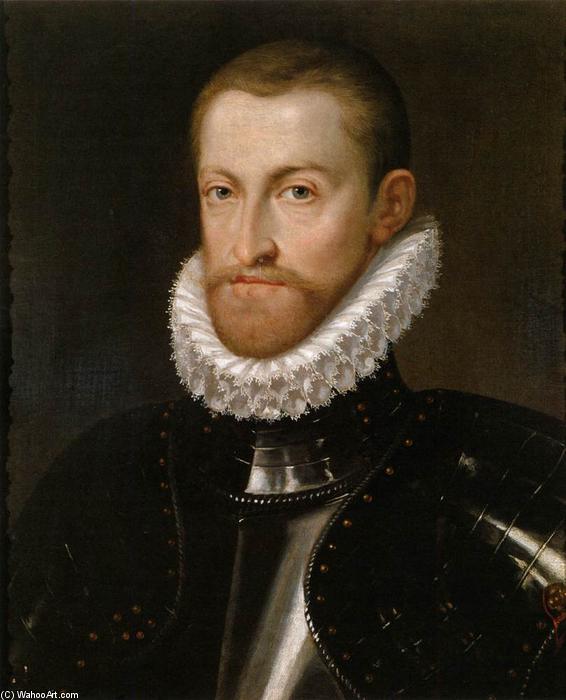
Emperor Rudolf II in Armour
 Acrylic On Canvas
- WallArt
- Renaissance engraving
 1576
1576 51.0 x 42.0 cm
 Kunsthistorisches Museum
 Pročitaj više
Ručno rađena uljana reprodukcija
Ručno oslikano uljanim bojama na platnu u dimenzijama i okviru po vašem izboru, izrađeno po porudžbini od strane naših umetnika. ( Kupi print Kupi digitalnu sliku)




P118B $10

P118H $10

P118W $10

P438Z $10

P508JH $12

P508YH $12

P805H $10

P805Z $10

P919BZ $10

P919G $10

P919XJ $10

P959ZH $10

P968JZ $12

W106C $8

W218G $10

W218JH $8

W218Y $10

W307PJ $10

W316G $10

W316PJ $8

W316Y $10

W398PJ $8

W4111J $10

W500HY $15

W500JH $15

W692G $12

W849H $8

W940BG $15

W953PJ $8




Izaberite jednu od naših unapred definisanih veličina koje odgovaraju originalnim proporcijama umetničkog dela.

Можете унети сопствене димензије како бисте прилагодили дело одређеном оквиру или простору. Ако одабрана величина не одговара пропорцијама оригинала, слика ће бити исечена или проширена додатним елементима који се ручно насликавају. Дигитални prikaz ће вам бити послат на одобрење пре почетка производње.
Имајте на уму да преглед на екрану не одражава стварно исецање или проширење. Само приказ (mockup) ће тачно приказати коначну композицију.
Иако су доступне прилагођене величине, препоручујемо да одаберете димензију из дефинисане листе како бисте сачували оригиналне пропорције.
Nakon narudžbine, tim ArtsDot.com će klijentu putem e-pošte poslati uputstva i dostaviti prikaz predloženog rešenja
Isporuka širom sveta () za 3/4 nedelje umesto uobičajenih 5 nedelja. (23 август). Bez kompromisa po pitanju kvaliteta.

Besplatna ekspresna dostava širom sveta

Visokokvalitetno laneno platno

Kompletno osiguranje transporta

Garancija povraćaja carine i uvoznih dažbina

Garancija vernosti boja

Politika povrata u roku od 60 dana (samo u slučaju nedostataka)

Garancija povrata novca od 100%

Popust pri grupnoj kupovini
 Opcija sa staklom dostupna je samo za dimenzije manje od 110 cm

Emperor Rudolf II in Armour
Tehnika reprodukcije
Dimenzije reprodukcije
-


Konačna cena
$ 263
Opis umetničkog dela
The Regal Presence of a Collector: Martino Rota’s ‘Emperor Rudolf II in Armour’
Martino Rota Kolunić's “Emperor Rudolf II in Armour” is more than just a portrait; it’s a meticulously crafted window into the world of 16th-century Habsburg power and the discerning eye of a powerful collector. Painted in 1576, this work captures Emperor Rudolf II not as a warrior king, but as a figure of contemplative authority – a man deeply immersed in art, philosophy, and the pursuit of knowledge. The painting’s dark background serves to amplify the richness of the emperor's attire and the intensity of his gaze, drawing the viewer into an immediate and engaging visual encounter.
Rota, a pivotal figure in Renaissance printmaking – often dubbed “the Venetian Master of Reproduction” – possessed an extraordinary ability to faithfully replicate monumental artworks. Born in Dalmatia (modern-day Croatia), he honed his skills under the influence of masters like Marcantonio Raimondi and Albrecht Dürer, absorbing their techniques and stylistic nuances. This background is evident in Rota’s precise draughtsmanship and his masterful use of light and shadow, creating a remarkably realistic depiction of Rudolf II's armor and features.
A Portrait of Power and Patronage
The image presents Emperor Rudolf II clad in elaborate armour, a symbol of military strength and imperial authority. The ruffled collar and voluminous cape speak to the opulence associated with his court – a court renowned for its lavish patronage of the arts and sciences. Notice the detail: the intricate embossing on the armor, the subtle texture of the fabric, and the carefully rendered folds of the drapery all contribute to a sense of tactile realism. However, it’s Rudolf II's expression that truly captivates – a quiet intensity, almost a melancholy thoughtfulness, suggesting a ruler burdened by responsibility and deeply engaged in intellectual pursuits.
Rudolf II was an extraordinary figure, known as the “Winter King” for his long and harsh winters at Prague Castle. He was a passionate collector of art, books, and alchemical instruments, transforming Prague into a vibrant center of Renaissance learning. This portrait reflects his status as a powerful ruler and a discerning patron – a man who valued both military prowess and intellectual achievement.
Technique and the Legacy of Reproduction
Rota’s skill lies not only in his ability to capture likeness but also in his mastery of printmaking techniques. This particular work was likely created as part of a series of busts intended to commemorate Rudolf II's coronation. The level of detail achieved through engraving is astonishing, particularly considering the limitations of the medium. Rota employed meticulous hatching and cross-hatching to create subtle tonal variations and convey the texture of the armor and clothing.
Furthermore, this piece exemplifies Rota’s role as a crucial disseminator of artistic ideas. By faithfully reproducing works by masters like Michelangelo and Titian, he ensured that their art reached a wider audience – a testament to his importance in shaping the cultural landscape of Europe. The image itself is a faithful reproduction of a work originally created for Rudolf II's court, demonstrating the power of printmaking to preserve and share artistic heritage.
Bringing ‘Emperor Rudolf II in Armour’ into Your Space
A hand-painted reproduction of “Emperor Rudolf II in Armour” offers a stunning addition to any art collection or interior design scheme. Its rich colors, intricate details, and historical significance evoke the grandeur of the Renaissance while providing a timeless aesthetic appeal. ArtsDot's meticulous reproductions capture the essence of Rota’s original work, allowing you to experience the artistry and power of this iconic portrait in exquisite detail. Consider framing it within a classic wooden frame to further enhance its historical charm.
Srodna umetnička dela
Biografija umetnika
Martino Rota Kolunić: The Venetian Master of Reproduction
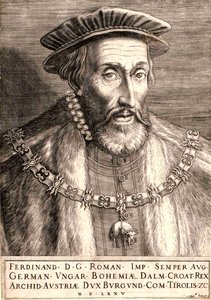
Martino Rota Kolunić (c. 1520–1583) stands as a pivotal figure in the history of Renaissance printmaking, particularly renowned for his unparalleled ability to faithfully reproduce monumental artworks by titans like Michelangelo and Titian. Born in Šibenik, Dalmatia – then part of Habsburg Croatia – Rota’s early life remains shrouded in obscurity, leaving biographical details scarce. However, his prolific artistic output firmly establishes him as one of the most influential graphic artists of his era, a legacy cemented by his enduring contribution to the dissemination of artistic ideas and imagery across Europe.- Early Training & Venetian Patronage: Precise information regarding Rota’s formative years is elusive. Evidence suggests he honed his engraving skills in Venice, where he absorbed the stylistic nuances of Marcantonio Raimondi, a master of reproductive etching who had himself trained under Albrecht Dürer. This association with Raimondi undoubtedly shaped Rota's approach to printmaking—a dedication to meticulous detail and unwavering accuracy that would define his oeuvre.
- Collaboration with Cort & Michelangelo: Rota’s career gained significant momentum through collaborations with Andrea Corte, Venice’s leading printer, and crucially, with Michelangelo Buonarroti. He undertook the monumental task of engraving plates after Michelangelo's frescoes in the Sistine Chapel, a feat considered extraordinarily ambitious at the time—a testament to his technical prowess and artistic vision.
- Titian & The Habsburg Court: Perhaps influenced by Michelangelo’s endorsement, Rota secured a prestigious position as Titian’s reproductive engraver. This role demanded exceptional skill in capturing the subtleties of Titian's brushstrokes and conveying the grandeur of his paintings. While scholarly debate persists regarding the extent of Rota’s involvement—particularly concerning prints produced after Titian—his contribution to preserving and disseminating Titian’s artistic legacy is undeniable.
- Imperial Commissions & Portraiture: Rota's reputation extended beyond reproductive prints; he commanded considerable commissions from Rudolf II, Holy Roman Emperor, producing portraits of Habsburg royalty with remarkable fidelity. His draughtsmanship demonstrated a profound understanding of human anatomy and an unwavering commitment to capturing the essence of his subjects’ personalities.
- Legacy & Influence: Martino Rota Kolunić's impact on printmaking extends far beyond his own lifetime. He championed the technique of mezzotint, achieving unparalleled tonal range and subtlety—a method that allowed him to faithfully reproduce complex textures and colors. His meticulous attention to detail served as an inspiration for subsequent generations of engravers, ensuring that Rota’s legacy continues to resonate within the annals of art history.
martin rota kolunić
1520 - 1583 , Croatia
Osnovne informacije
- Artistic Movement Or Style: Renaissance engraving
- Artists Or Movements Influenced By This Artist: ['Titian']
- Artists Who Influenced This Artist: ['Marcantonio Raimondi']
- Date Of Death: 1583
- Full Name: Martin Rota Kolunić
- Nationality: Croatian
- Notable Artworks: ['Saint-Martin']
- Place Of Birth: Dalmatia, Croatia
Povezani članci
Hans von Aachen: Mannerism's Courtly Visionary & Imperial Portraiture
Explore the captivating world of Hans von Aachen, a leading Mannerist painter renowned for his exquisite imperial portraits & mythological scenes. Discover his legacy and influence on 16th-century European art.
John Francis Sartorius II: Equestrian Elegance & the Rise of British Portraiture
Explore the captivating world of Francis Sartorius II (1734-1804), a leading British painter renowned for his exquisite equestrian portraits and hunting scenes. Discover his life, techniques & enduring legacy.

Titian Ramsay Peale II: A Legacy of Botanical Precision & Artistic Innovation
Explore the life & art of Titian Ramsay Peale II, a master of botanical precision and wildlife painting. Discover his legacy bridging art & natural history at ArtsDot.
David Teniers II: Master of Flemish Genre & Social Commentary
Explore the captivating world of David Teniers II, a leading Flemish Baroque painter renowned for his lively genre scenes & insightful social commentary. Discover his masterpieces and legacy with ArtsDot.
Gustav Klimt: 25 Remek-Dela Koje Očaravaju Svet – Reprodukcije za Vaš Dom
Uronite u svet Gustava Klimta! Otkrijte 25 remek-dela bečkog secesiona, od 'Poljupca' do portreta Adele Bloch-Bauer. Reprodukcije slika vrhunskog kvaliteta za luksuzni enterijer – inspiracija i dekoracija na ArtsDot.com.

