

 Pregledaj u prostoru
 Pošalji
 Podeli
 Detalji o delu

 Преузми
 Slični predmeti
 Rendgenski snimak
 Slajdovi
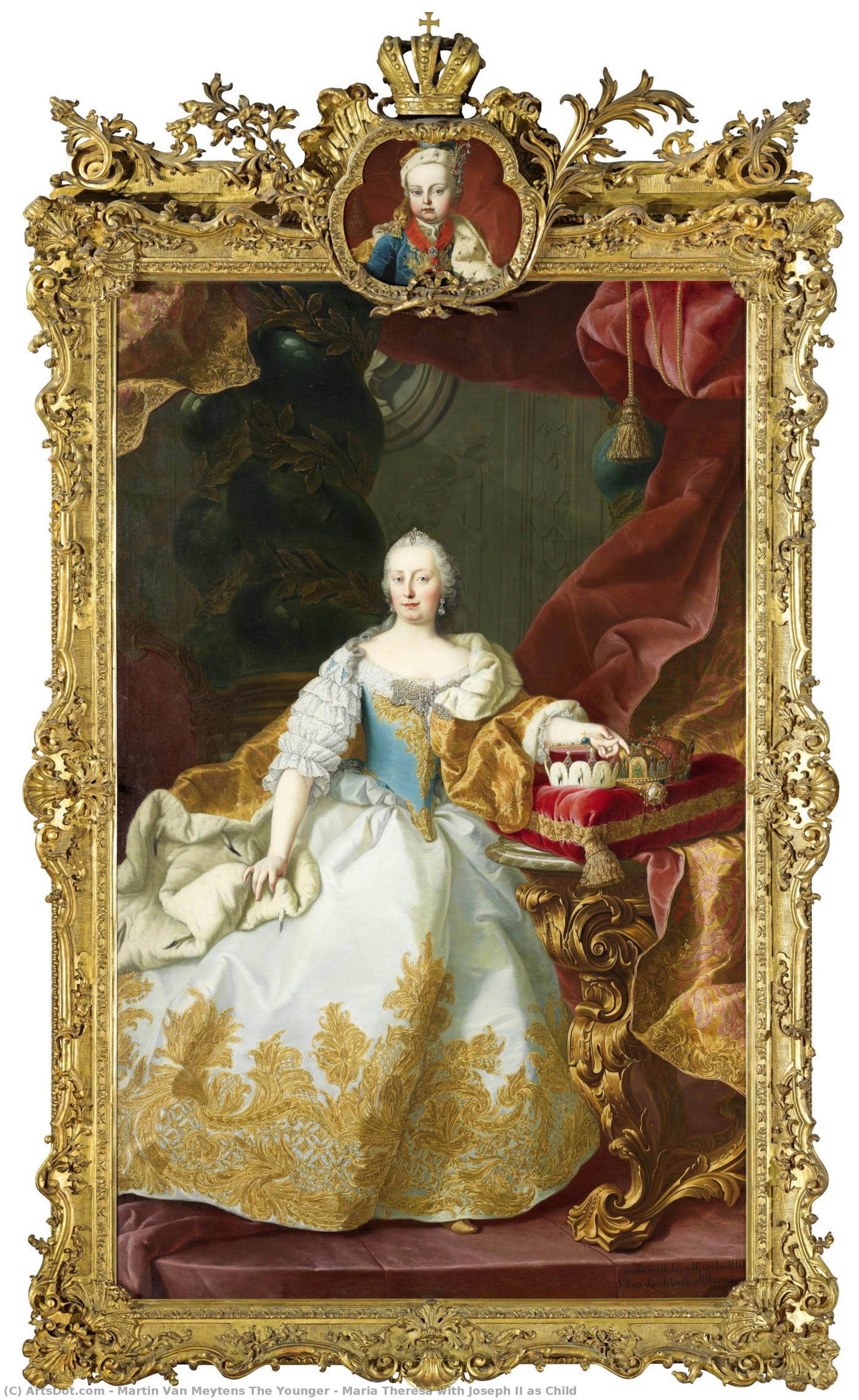
Maria Theresa with Joseph II as Child


 Pročitaj više
Kupite digitalnu sliku visoke rezolucije i poboljšanog kvaliteta, koja je znatno superiornija od onoga što vidite u online prikazu.
Svaka datoteka je pedantno pripremljena od strane naših stručnjaka koristeći napredne alate i profesionalnu ručnu retušu. Osiguravamo da svaka slika ima izuzetnu oštrinu, preciznu reprodukciju boja i fine detalje.
Konačna datoteka se dostavlja putem e-pošte u roku od 72 sata, optimizovana za neposrednu upotrebu u profesionalnim, izdavačkim i štamparskim okruženjima. To je isti kvalitet kojem veruju vrhunski studiji dizajna, izdavači i galerije.
Digitalna slika
Preuzmite datoteku visoke rezolucije za ličnu upotrebu, štampanje i kreativne projekte. ( Kupi print Kupi ručno naslikanu sliku)
Uključeno uz svaku porudžbinu digitalne slike
Profesionalna digitalna isporuka, zagarantovana
Kada odaberete ArtsDot.com, ne dobijate samo sliku – vi primate profesionalno unapređeno digitalno umetničko delo, izrađeno sa najvećom preciznošću i uz garanciju zadovoljstva. Evo svega što automatski dolazi uz vašu porudžbinu:

Brza dostava putem e-pošte
Vaša digitalna slika visoke rezolucije biće vam poslata putem e-pošte u roku od 72 sata od poručivanja – spremna za trenutnu upotrebu.

Digitalna datoteka unapređena veštačkom inteligencijom
Vaše umetničko delo je profesionalno optimizovano korišćenjem naprednih AI alata i ručne obrade, čime se osiguravaju maksimalni detalji, oštrina i preciznost boja.

Besplatna ponovna isporuka doživotno
Slučajno ste obrisali ili izgubili svoju datoteku? Ne brinite – poslaćemo vam je ponovo u bilo kom trenutku, potpuno besplatno.

Bez troškova uvoza – zauvek
Uživajte u svojim umetničkim delima trenutno, bez carine, dažbina ili troškova dostave – digitalni download je uvek bez poreza.

Garancija vernosti boja
Uz pomoć profesionalnih alata i upravljanja bojama, osiguravamo da vaša digitalna slika što vernije odražava originalne boje.

Garancija zadovoljstva u roku od 60 dana
Ako niste zadovoljni svojom digitalnom slikom, revidirat ćemo je ili vratiti 100% novca u roku od 60 dana – bez ikakvih pitanja.

100% garancija povrata novca
Niste zadovoljni? Obezbedite pun povrat novca u roku od 60 dana od trenutka kada ste primili svoju digitalnu datoteku – bez suvišnih pitanja.

Popusti na velike porudžbine
Kupite 3 slike, uštedite 10% - Kupite 5 slika, uštedite 15% - Kupite 10+ slika, uštedite 20%. Odlično za kreativne projekte, galerije i agencije.
A Royal Embrace: The Intimacy of Power
In the grand tapestry of eighteenth-century portraiture, few works capture the delicate intersection of maternal tenderness and imperial duty as profoundly as Martin van Meytens the Younger’s 1744 masterpiece, Maria Theresa with Joseph II as Child. This painting is far more than a mere record of lineage; it is an evocative window into the heart of the Habsburg dynasty. At its center, we find the formidable Empress Maria Theresa, a woman whose reign would redefine European politics, captured in a moment of quiet, maternal grace. Seated regally yet accessible, she cradles the young Joseph II in her lap, creating a focal point of warmth that softens the inherent rigidity of her station. The composition breathes with a sense of continuity, suggesting that the strength of the empire rests not just in crowns and scepters, but in the very bloodline being nurtured within this intimate circle.
The visual language of the piece is steeped in the sophisticated elegance of the Rococo era, filtered through the meticulous precision of a master court painter. Van Meytens employs a rich, luminous palette, most notably seen in the sweeping blue of the Empress's gown, which serves as a cool, majestic anchor to the composition. The subtle interplay of light across the heavy fabrics—the sheen of silk and the weight of velvet—demonlaments a technical virtuosity that brings a tactile reality to the canvas. Every brushstroke contributes to an atmosphere of opulence, from the glint of the golden crowns atop their heads to the soft, delicate skin of the infant, reminding the viewer that this is a scene of profound importance, rendered with the utmost reverence for detail.
Symbolism and the Weight of the Crown
Beyond the surface beauty lies a complex layer of political symbolism designed to communicate stability and divine right. The presence of the crowns is not merely decorative; they are heavy emblems of sovereignty, signaling to all observers that the child in the Empress's arms is the anointed successor to a vast and powerful throne. The background figures—the silent, watchful attendants—act as a bridge between the private domesticity of the mother and child and the public scrutiny of the court. Their presence reinforces the idea that even in moments of repose, the eyes of the empire are upon the royals. This tension between the personal and the political is what gives the painting its enduring emotional resonance.
For the discerning collector or interior designer, this artwork offers a unique opportunity to introduce a sense of historical gravity and timeless sophistication into a space. A high-quality reproduction of this piece does not merely decorate a wall; it anchors a room with a narrative of heritage and resilience. The painting’s balanced composition and regal color story make it an ideal centerpiece for classical or transitional interiors, providing a conversation piece that invites contemplation of history, art, and the enduring human connection between parent and child. To possess such a work is to hold a fragment of the Enlightenment era, bringing the splendor of the Viennese court into the modern home.
Srodna umetnička dela
Biografija umetnika
Martin van Meytens the Younger: A Life in Portraiture
Early Life and Family Background
- Born: Stockholm, Sweden, 1695.
- Family Legacy: Martin van Meytens the Younger followed in his father’s footsteps. His father, Martin van Meytens the Elder, was a painter who had moved from The Hague to Sweden around 1677.
- Early training likely occurred within his family workshop, instilling a foundation in artistic techniques.
Artistic Development and Influences
- Formative Travels: Van Meytens embarked on extensive study trips to London, Paris, and Italy (Rome & Turin) early in his career. These travels exposed him to diverse artistic styles.
- Early Works: Initially focused on enamel miniature portraits before transitioning to oil painting around 1730.
- Key Influences: While specific influences are debated, his exposure to Italian Baroque masters likely shaped his approach to portraiture. His father’s style also played a role in his early development.
Career as a Court Painter in Vienna
- Arrival in Vienna: Van Meytens settled in Vienna in 1715, establishing himself within the artistic community.
- Appointment to the Court: He became a court painter in 1732, marking a significant turning point in his career. This position granted him access to the highest echelons of Austrian society.
- Patronage: Maria Theresa of Austria was a major patron, commissioning numerous portraits that showcased her power and status.
- In 1759, he became director of the Viennese Academy of Fine Arts.
Major Works and Artistic Style
- Notable Portraits: His portfolio includes portraits of Marie Antoinette, Maria Theresa of Austria, Francis I, Holy Roman Emperor, and numerous members of the Austrian aristocracy.
- Artistic Characteristics: Van Meytens’ style is characterized by exquisite detail, precision, and a focus on capturing the personality and status of his subjects. His portraits often feature opulent settings and luxurious fabrics.
- Key Works Include:
- Portrait of the Holy Roman Emperor Francis I
- Maria Theresa with Joseph II as Child
- Numerous portraits documenting the Austrian court.
Legacy and Historical Significance
- Impact on Portraiture: Van Meytens’ style influenced other painters, establishing a standard for aristocratic portraiture in the 18th century.
- Documenting an Era: His portraits provide valuable insights into the lives and appearances of European royalty during a pivotal period in history.
- Lasting Influence: His works continue to be admired for their technical skill, artistic merit, and historical significance. They are displayed in museums worldwide, including the Germanisches Nationalmuseum and can be found on platforms like ArtsDot.
- He died in Vienna in 1770, leaving behind a rich legacy of portraiture.
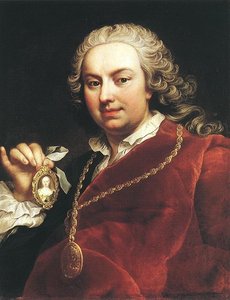
martin van meytens the younger
1695 - 1770 , Sweden
Kratke činjenice
- Birth Date: 1695
- Birth Place: Stockholm, Sweden
- Death Date: 1770
- Influenced By: Martin van Meytens the Elder
- Movement: Baroque
- Name: Martin van Meytens the Younger
- Nationality: Swedish-Austrian
- Notable Works:
- Portrait of the Holy Roman Emperor Francis I.
- Portrait of Marie Antoinette
- Maria Theresa with Joseph II as Child

