

 Pregledaj u prostoru
 Pošalji
 Podeli
 Detalji o delu

 Преузми
 Slični predmeti
 Rendgenski snimak
 Slajdovi
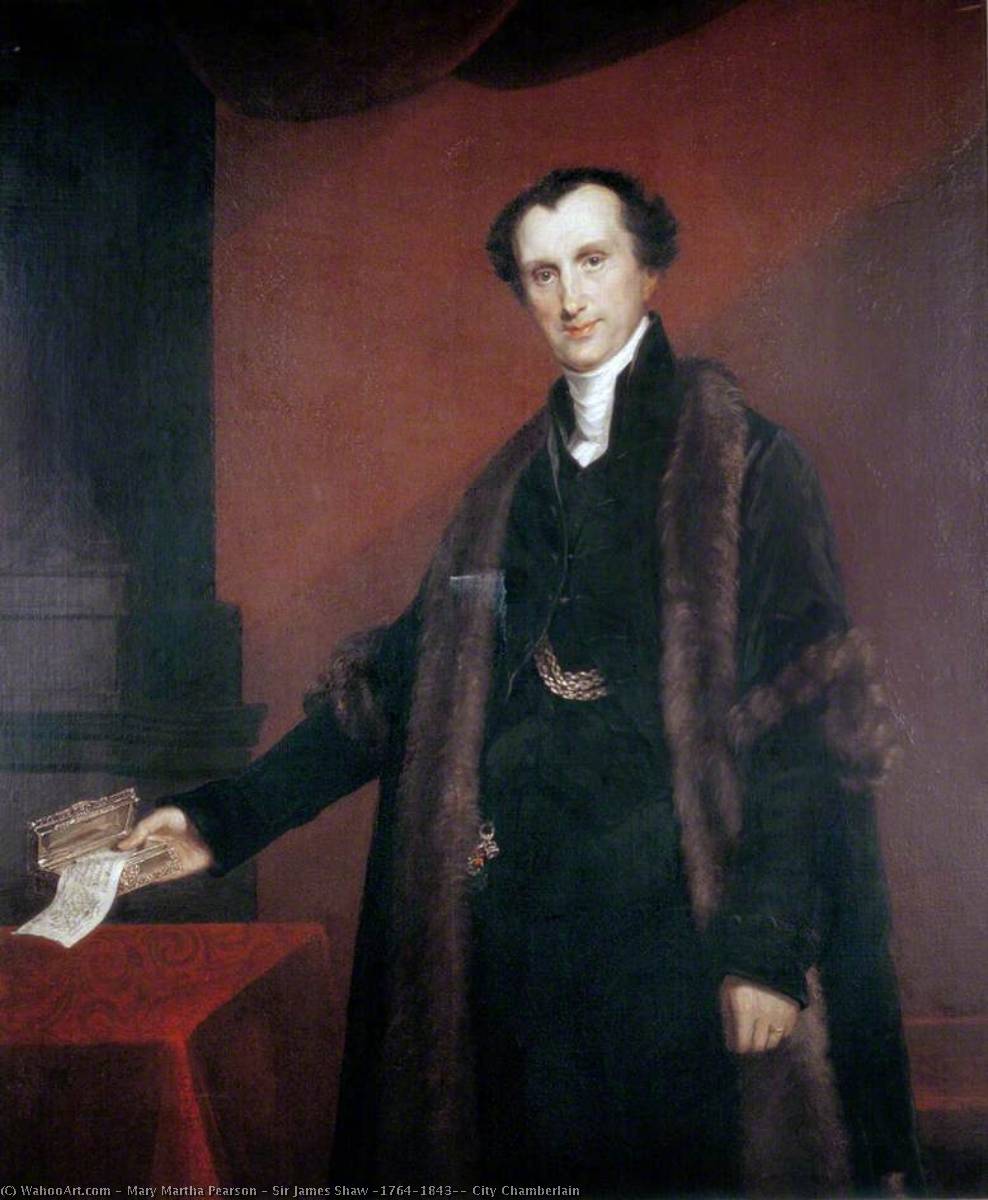
Sir James Shaw (1764–1843), City Chamberlain
 1834
1834 152.0 x 127.0 cm
 Guildhall Art Gallery
 Pročitaj više
Giclee štampa / Umetnički otisak
Giclée štampa ili print na platnu muzejskog kvaliteta uz brzu proizvodnju i fleksibilne opcije završne obrade. ( Kupi ručno naslikanu sliku Kupi digitalnu sliku)




































Izaberite jednu od naših unapred definisanih veličina koje odgovaraju originalnim proporcijama umetničkog dela.

Možete uneti sopstvene dimenzije kako biste umetničko delo prilagodili specifičnom okviru ili prostoru. Ako odabrani format ne odgovara proporcijama originalne slike, mi ćemo ili iscrtati deo dela ili proširiti sliku pomoću ogledane ivice ili jednobojnog popunjavanja. Digitalni prikaz će vam biti poslat na odobrenje pre početka proizvodnje.
Imajte na umu da pregled na ekranu ne odražava stvarno iscrtavanje ili proširivanje. Samo će prikaz (mockup) precizno pokazati finalnu kompoziciju.
Iako su prilagođene dimenzije dostupne, preporučujemo da odaberete dimenziju sa unapred definisane liste kako biste očuvali originalne proporcije.
Dostava širom sveta () za 2 nedelje umesto uobičajenih 4/5 nedelja. (28 август)

Besplatna ekspresna dostava širom sveta

Visokokvalitetno laneno platno

Kompletno osiguranje transporta

Garancija povraćaja carine i uvoznih dažbina

Garancija vernosti boja

Politika povrata u roku od 60 dana (samo u slučaju nedostataka)

Garancija povrata novca od 100%

Popust pri grupnoj kupovini
 Opcija sa staklom dostupna je samo za dimenzije manje od 110 cm

Sir James Shaw (1764–1843), City Chamberlain
Giclee štampa / Umetnički otisak
Dimenzije reprodukcije
-


Konačna cena
$ 62
Srodna umetnička dela








Biografija umetnika
A Legacy of Dignity: The Artistry of Mary Martha Pearson
In the vibrant, shifting landscape of nineteenth-century British art, few figures captured the quiet gravity of the Victorian era as effectively as Mary Martha Pearson. Born in June 1798 within the bustling heart of London’s Birchin Lane, Pearson was the daughter of a bookseller, an upbringing that likely immersed her in the rich textures of literature and classical imagery from her earliest years. Her journey into the world of fine art began not with grand declarations, but through the disciplined study of the old masters. Under the guidance of a drawing-master named Lewis, she honed a precision that would become her hallmark. By 1813, she was already finding her footing in the prestigious galleries of the British Institution in Pall Mall, where she practiced the delicate art of copying classical works. This period of intense study culminated in a significant triumph in 1815, when she was awarded a gold medal by the Institution for her masterful copy of Claude Lorrain’s The Embarkation of the Queen of Sheba—a feat so accomplished that her rendition was hung alongside the original masterpiece.
As her talent matured, Pearson’s life became intertwined with the upper echelons of British society. Her marriage in 1823 to Stapleton Cotton, who would ascend to the title of Viscount Combermere, provided her with a unique vantage point from which to observe and document the influential figures of her age. This social standing did more than merely offer subject matter; it granted her access to the very heart of aristocratic culture, allowing her to undertake significant commissions that required both technical excellence and an understanding of social nuance. Her work was never merely about likeness; it was about capturing the identity and status of her sitters. Critics of her time noted that her portraits possessed an "air of identity," a rare quality in portraiture that suggests a deep, psychological connection between the artist’s brush and the subject's soul.
Technique, Style, and the Victorian Eye
Pearson’s artistic style was a sophisticated blend of Neoclassical discipline and the meticulous realism favored during the transition from the Regency to the Victorian era. Her technique was characterized by an extraordinary attention to detail, particularly in the rendering of luxurious fabrics, lace, and the subtle complexities of human expression. She possessed a masterful command of oil paint and glazing techniques, which allowed her to create depth and a luminous quality in skin tones. Many of her compositions utilized stable, pyramidal structures—a nod to the Renaissance traditions she studied—to instill a sense of permanence and dignity in her subjects.
<- Mastery of Detail: Her ability to capture the tactile nature of silk, velvet, and fine embroidery made her portraits highly sought after by the nobility.
- Classical Influence: Drawing from her early training in copying masters like Claude, she brought a sense of classical balance and light to her portraiture.
- Versatility in Subject Matter: While primarily recognized as a portraitist, Pearson also demonstrated her skill through landscapes, earning silver medals for her evocative views of Bodiam Castle and the Rhine.
Her exhibition record further cements her place in the annals of British art history. Between 1821 and 1842, she was a frequent presence at the Royal Academy, exhibiting thirty-one works that showcased her evolving skill. Furthermore, as an early member of the Society of British Artists, she contributed significantly to the gallery scene in Suffolk Street, exhibiting dozens of works that reflected the changing tastes of the mid-nineteenth century.
Historical Significance and Enduring Impression
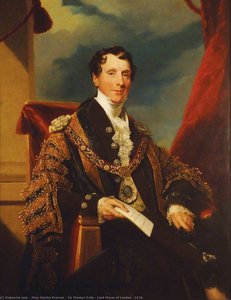
Though history often focuses on the male titans of the Victorian era, Mary Martha Pearson’s contribution remains vital for understanding the social fabric of her time. Her body of work, consisting of approximately eighty portraits, serves as a visual archive of the British aristocracy and the rising professional classes. Through her eyes, we see the faces of dignitaries such as Sir Thomas Kelly, the Lord Mayor of London, and the distinguished Viscount Combermere himself. Her paintings are more than mere representations; they are historical documents that capture the poise, fashion, and social hierarchies of a bygone era.
Pearson’s life and art represent the intersection of personal discipline and social opportunity. She navigated the constraints placed upon women artists of her period by leveraging her technical brilliance to command respect in the most prestigious institutions of London. Today, her legacy lives on through the meticulous detail of her canvases, which continue to offer a window into the dignity, grace, and structured elegance of the nineteenth-century British spirit.
Osnovne informacije
- Artistic Movement Or Style: Academic Portraiture
- Artists Or Movements Influenced By This Artist: ['Romanticism']
- Artists Who Influenced This Artist: ['George Romney']
- Date Of Birth: 18 June 1798
- Date Of Death: 15 April 1871
- Full Name: Mary Martha Pearson
- Nationality: British
- Notable Artworks:
- Stapleton Cotton, 1st Viscount Combermere
- Sir Thomas Kelly, Lord Mayor of London (1836)
- Place Of Birth: England

