

 Pregledaj u prostoru
 Pošalji
 Podeli
 Detalji o delu

 Преузми
 Slični predmeti
 Rendgenski snimak
 Slajdovi
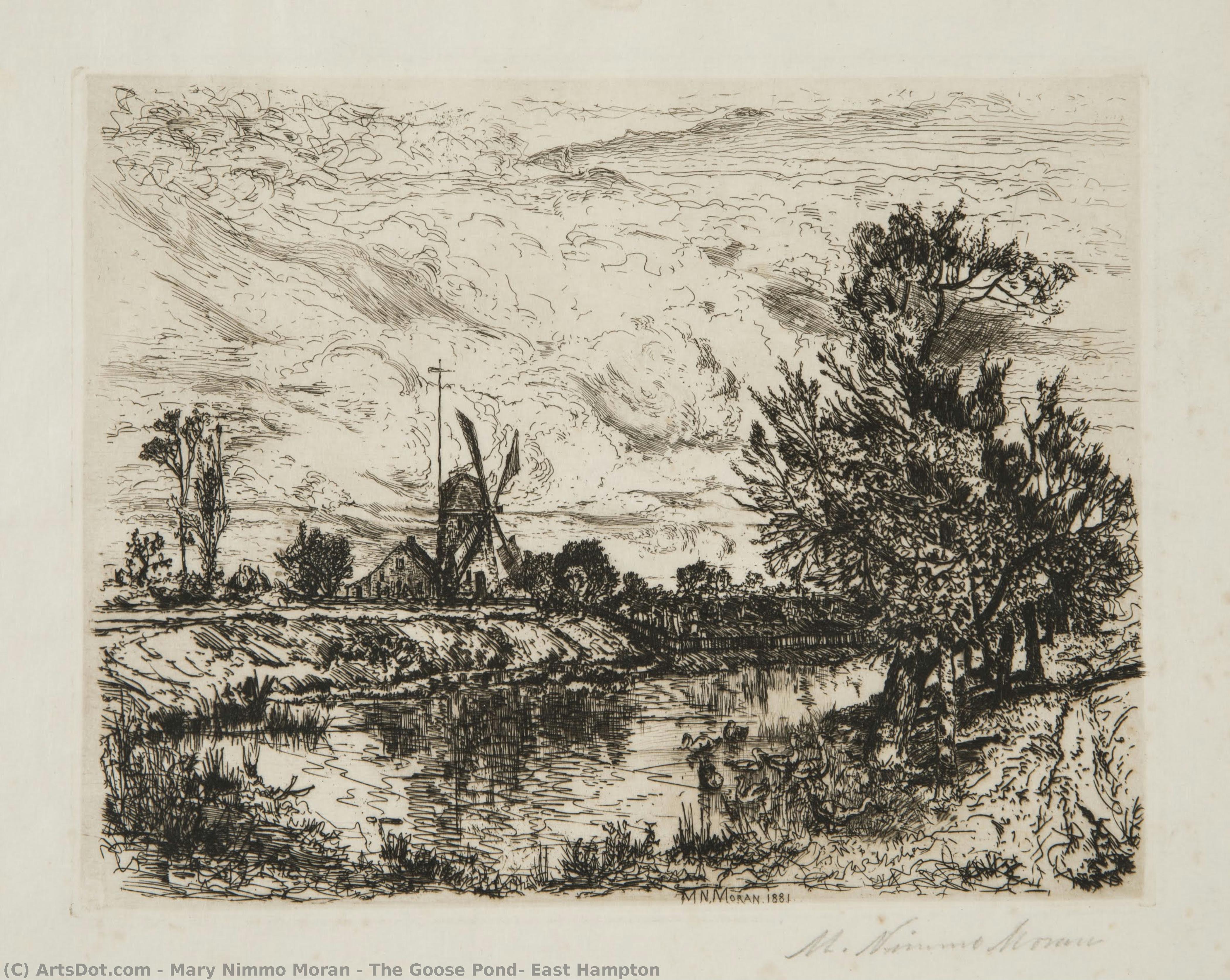
The Goose Pond, East Hampton

 Pročitaj više
Ručno rađena uljana reprodukcija
Ručno oslikano uljanim bojama na platnu u dimenzijama i okviru po vašem izboru, izrađeno po porudžbini od strane naših umetnika. ( Kupi print Kupi digitalnu sliku)




































Izaberite jednu od naših unapred definisanih veličina koje odgovaraju originalnim proporcijama umetničkog dela.

Можете унети сопствене димензије како бисте прилагодили дело одређеном оквиру или простору. Ако одабрана величина не одговара пропорцијама оригинала, слика ће бити исечена или проширена додатним елементима који се ручно насликавају. Дигитални prikaz ће вам бити послат на одобрење пре почетка производње.
Имајте на уму да преглед на екрану не одражава стварно исецање или проширење. Само приказ (mockup) ће тачно приказати коначну композицију.
Иако су доступне прилагођене величине, препоручујемо да одаберете димензију из дефинисане листе како бисте сачували оригиналне пропорције.
Nakon narudžbine, tim ArtsDot.com će klijentu putem e-pošte poslati uputstva i dostaviti prikaz predloženog rešenja
Isporuka širom sveta () za 3/4 nedelje umesto uobičajenih 5 nedelja. (22 август). Bez kompromisa po pitanju kvaliteta.

Besplatna ekspresna dostava širom sveta

Visokokvalitetno laneno platno

Kompletno osiguranje transporta

Garancija povraćaja carine i uvoznih dažbina

Garancija vernosti boja

Politika povrata u roku od 60 dana (samo u slučaju nedostataka)

Garancija povrata novca od 100%

Popust pri grupnoj kupovini
 Opcija sa staklom dostupna je samo za dimenzije manje od 110 cm

The Goose Pond, East Hampton
Tehnika reprodukcije
Dimenzije reprodukcije
-


Konačna cena
$ 263
Opis umetničkog dela
Srodna umetnička dela








Biografija umetnika
A Life Etched in Landscape: The Pioneering Vision of Mary Nimmo Moran
Mary Nimmo Moran, born in Strathaven, United Kingdom in 1842 and tragically passing away in 1899, occupies a unique and vital position in the history of American art. Though her life was cut short, she left behind a legacy as a remarkably skilled landscape etcher, celebrated for her evocative depictions of England, Scotland, and the burgeoning beauty of the US East Coast. Her story is one of artistic dedication balanced with the demands of family life – a challenge faced by many women artists of the 19th century – and ultimately, one of significant achievement in a field traditionally dominated by men. Moran wasn’t simply *a* woman artist; she was a trailblazer, becoming the first woman elected to London's prestigious Royal Society of Painter-Etchers, a testament to her exceptional talent and unwavering commitment to her craft.Early Life and Artistic Development
Details surrounding Moran’s early artistic training remain somewhat elusive, but it is known she developed a keen eye for detail and a natural aptitude for drawing from a young age. Her family emigrated from Scotland to the United States in 1863, settling in New Jersey. This relocation proved pivotal, exposing her to the dramatic landscapes of the American East Coast which would become a central theme in her work. It was also during this period that she met and married Thomas Moran, already an established landscape painter renowned for his sweeping vistas of the American West. While often viewed through the lens of her marriage, it’s crucial to understand Mary Nimmo Moran as an independent artist with her own distinct voice and vision. Her early work demonstrates a clear fascination with capturing atmospheric effects – the play of light on water, the subtle nuances of cloud formations, and the delicate textures of foliage. She wasn't merely replicating scenes; she was interpreting them through the meticulous medium of etching.The Art of Etching: Technique and Style
Moran’s chosen medium, etching, required both technical precision and artistic sensibility. The process involved using acid to create lines on a metal plate, which then held the ink to produce prints. This allowed for a remarkable level of detail and tonal variation, perfectly suited to her nuanced depictions of landscape. Her style is characterized by a delicate realism, often imbued with a sense of quiet contemplation. Unlike the grand scale and bold brushstrokes associated with some of her contemporaries, Moran’s etchings offer an intimate perspective – a focus on smaller details and atmospheric subtleties. She masterfully employed techniques like drypoint to create velvety textures and soft gradations of tone, adding depth and richness to her compositions. Her work often evokes a sense of peaceful solitude, inviting the viewer to immerse themselves in the beauty of the natural world.Themes and Influences
Moran’s subject matter was diverse, encompassing scenes from her native Scotland – rugged highlands and picturesque villages – as well as the coastal landscapes of New Jersey and Long Island. She frequently depicted waterways, capturing the shimmering reflections of light on rivers, bays, and the Atlantic Ocean. Her work reflects a deep appreciation for the Romantic ideals of nature, emphasizing its beauty, power, and spiritual significance. While her husband Thomas Moran’s influence is undeniable – both artists shared a love for landscape painting – Mary Nimmo Moran developed a distinct aesthetic sensibility. She was also influenced by the Barbizon school of French painters, known for their realistic depictions of rural life and landscapes. Her etchings often share a similar emphasis on capturing the natural world with honesty and sensitivity.Legacy and Historical Significance
Despite facing societal limitations placed upon women artists in the 19th century, Mary Nimmo Moran achieved considerable recognition during her lifetime. Her election to the Royal Society of Painter-Etchers was a landmark achievement, opening doors for other female artists. She demonstrated that women could excel in traditionally male-dominated fields. While her work was sometimes overshadowed by that of her more famous husband, recent scholarship has begun to re-evaluate her contributions and acknowledge her as a significant figure in American art history. Her etchings offer a valuable glimpse into the landscapes of 19th-century America and Scotland, capturing not only their physical beauty but also the emotional resonance they held for the artist. Today, Mary Nimmo Moran’s work is celebrated for its technical mastery, artistic sensitivity, and pioneering spirit – a testament to her enduring legacy as a true visionary in landscape etching.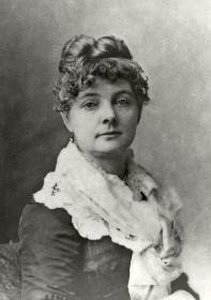
Mary Nimmo Moran
1880 - 1899 , United Kingdom
Osnovne informacije
- Artistic Movement Or Style: Post-Impressionism
- Artists Or Movements Influenced By This Artist:
- Fauves
- Expressionism
- Artists Who Influenced This Artist:
- Jean-François Raffaëlli
- Anton Mauve
- Date Of Birth: March 30, 1853
- Date Of Death: July 29, 1890
- Full Name: Vincent Willem van Gogh
- Nationality: Dutch
- Notable Artworks:
- Sunflowers
- Bedroom in Arles
- Starry Night
- Wheatfield with Crows
- Place Of Birth: Netherlands

