 Pregledaj u prostoru
 Pošalji
 Podeli
 Detalji o delu

 Преузми
 Slični predmeti
 Rendgenski snimak
 Slajdovi
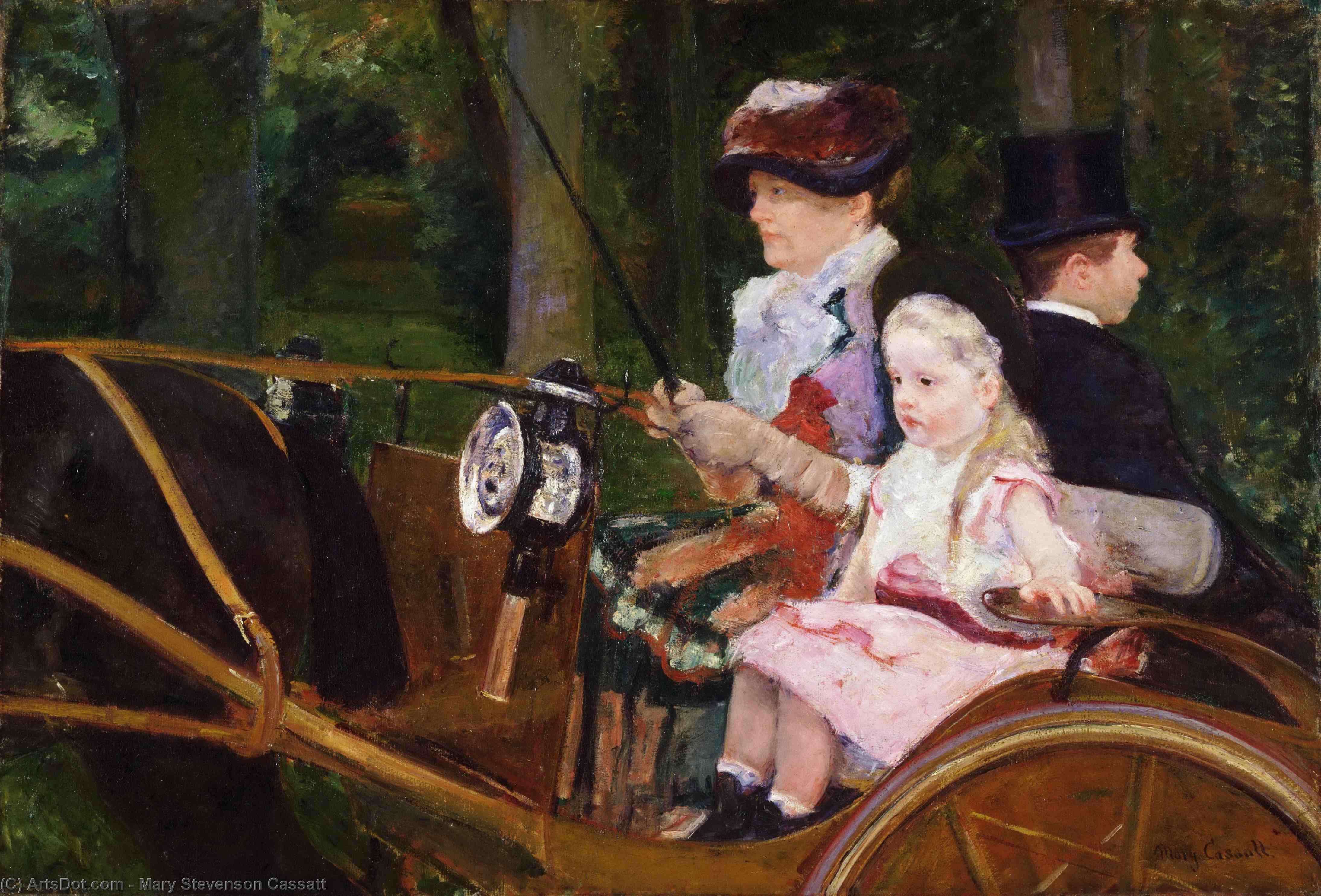
Woman and Child Driving


 Pročitaj više
Ručno rađena uljana reprodukcija
Ručno oslikano uljanim bojama na platnu u dimenzijama i okviru po vašem izboru, izrađeno po porudžbini od strane naših umetnika. ( Kupi print Kupi digitalnu sliku)




P118B $10

P118H $10

P118W $10

P438Z $10

P508JH $12

P508YH $12

P805H $10

P805Z $10

P919BZ $10

P919G $10

P919XJ $10

P959ZH $10

P968JZ $12

W106C $8

W218G $10

W218JH $8

W218Y $10

W307PJ $10

W316G $10

W316PJ $8

W316Y $10

W398PJ $8

W4111J $10

W500HY $15

W500JH $15

W692G $12

W849H $8

W940BG $15

W953PJ $8




Izaberite jednu od naših unapred definisanih veličina koje odgovaraju originalnim proporcijama umetničkog dela.

Можете унети сопствене димензије како бисте прилагодили дело одређеном оквиру или простору. Ако одабрана величина не одговара пропорцијама оригинала, слика ће бити исечена или проширена додатним елементима који се ручно насликавају. Дигитални prikaz ће вам бити послат на одобрење пре почетка производње.
Имајте на уму да преглед на екрану не одражава стварно исецање или проширење. Само приказ (mockup) ће тачно приказати коначну композицију.
Иако су доступне прилагођене величине, препоручујемо да одаберете димензију из дефинисане листе како бисте сачували оригиналне пропорције.
Nakon narudžbine, tim ArtsDot.com će klijentu putem e-pošte poslati uputstva i dostaviti prikaz predloženog rešenja
Isporuka širom sveta () za 3/4 nedelje umesto uobičajenih 5 nedelja. (23 август). Bez kompromisa po pitanju kvaliteta.

Besplatna ekspresna dostava širom sveta

Visokokvalitetno laneno platno

Kompletno osiguranje transporta

Garancija povraćaja carine i uvoznih dažbina

Garancija vernosti boja

Politika povrata u roku od 60 dana (samo u slučaju nedostataka)

Garancija povrata novca od 100%

Popust pri grupnoj kupovini
 Opcija sa staklom dostupna je samo za dimenzije manje od 110 cm

Woman and Child Driving
Tehnika reprodukcije
Dimenzije reprodukcije
-


Konačna cena
$ 263
Opis umetničkog dela
A Moment Frozen in Time: Mary Cassatt’s “Woman and Child Driving”
Mary Stevenson Cassatt's "Woman and Child Driving," painted in 1881, isn’t merely a depiction of a horse-drawn carriage; it’s a carefully constructed tableau of domesticity, burgeoning female autonomy, and the quiet intimacy of family life. Captured during her pivotal years in Paris, this Impressionist masterpiece offers a glimpse into the evolving social landscape of late 19th-century France, where traditional roles were being subtly challenged and women began to assert their presence beyond the confines of the home.
The scene unfolds within the Bois de Boulogne, a sprawling expanse of woodland just outside Paris – a popular destination for leisurely outings among the city’s elite. Cassatt masterfully captures the dappled sunlight filtering through the trees, lending an ethereal quality to the composition. The muted palette—primarily soft blues, greens, and browns—evokes a sense of tranquility and understated elegance, characteristic of the Impressionist movement's focus on capturing fleeting moments and atmospheric effects rather than precise detail.
The Composition: Asymmetry and Narrative
What immediately draws the eye is Cassatt’s deliberate use of asymmetry. The woman, Lydia Cassatt, the artist’s sister, confidently steers the carriage, her hand firmly gripping the reins – a gesture that powerfully subverts traditional gender roles. Her gaze is directed forward, focused on the road ahead, suggesting agency and control. In contrast, the young girl seated beside her appears somewhat passive, gazing out at the passing scenery with an air of quiet contemplation. The groom, Mathieu, stands slightly apart, his posture conveying a sense of detached observation.
The cropped composition—a hallmark of Cassatt’s style—creates a feeling of immediacy and intimacy, as if we are privy to a private moment within the family's routine. The figures are rendered with loose brushstrokes, typical of Impressionism, emphasizing the play of light and shadow rather than sharp outlines or detailed representations. This technique contributes to the painting’s overall sense of movement and spontaneity.
Symbolism and Social Context
“Woman and Child Driving” is more than just a snapshot of a family outing; it's laden with symbolic meaning. The carriage itself represents status and privilege, reflecting the Cassatt family’s comfortable position within Parisian society. The fact that Lydia is driving—a role typically reserved for men—is a deliberate statement about shifting gender dynamics. It speaks to the growing number of women who were gaining access to education, travel, and professional opportunities, challenging Victorian ideals of female subservience.
Furthermore, the painting reflects the broader social context of the time – the rise of the “New Woman,” an independent and educated woman who was beginning to assert her presence in public life. Cassatt’s work aligns with this movement by portraying women as active participants in society, rather than simply decorative figures within the domestic sphere.
Emotional Resonance: A Quiet Moment of Connection
Despite its subtle complexities, “Woman and Child Driving” evokes a powerful sense of warmth and connection. The painting captures a fleeting moment of shared experience—a simple pleasure enjoyed by family members. The quiet intimacy between Lydia and her child, the gentle sway of the carriage, and the dappled sunlight all contribute to an atmosphere of serenity and contentment.
It’s a reminder that even in the midst of rapid social change, moments of domestic tranquility could still provide solace and connection. “Woman and Child Driving” remains a poignant testament to the enduring power of family bonds and the evolving role of women in shaping their own destinies – a timeless image rendered with Cassatt's signature Impressionistic grace.
Srodna umetnička dela
Biografija umetnika
A Life Dedicated to Impressionism and Domesticity
Mary Stevenson Cassatt, a name forever linked with intimate portrayals of women and children within the radiant world of late 19th-century Impressionism, forged an exceptional path as an American artist who discovered her artistic sanctuary in France. Born on May 22, 1844, in Allegheny City, Pennsylvania – now part of Pittsburgh – Cassatt’s upbringing was steeped in privilege and a cultivated awareness of culture. Her family, with roots tracing back to French Huguenots, placed high value on education and travel, instilling within young Mary a cosmopolitan perspective that would profoundly shape her artistic vision. While societal norms often confined women to domestic spheres, Cassatt's mother, Katherine Kelso Johnston, actively encouraged her daughter’s burgeoning interest in art, recognizing and nurturing a talent that defied convention. This early support proved invaluable as Cassatt navigated the challenges of pursuing a professional career within a male-dominated field.
From Philadelphia to Parisian Immersion
Cassatt's formal artistic training commenced at the Pennsylvania Academy of Fine Arts in Philadelphia at the age of fifteen, a bold step for a young woman during the Civil War era. Despite encountering skepticism and subtle discouragement from some instructors and fellow students, she persevered through years of diligent study. However, feeling constrained by the academy’s deliberate pace and traditional methods, Cassatt sought broader horizons. A pivotal moment arrived in 1866 when she relocated to Paris, accompanied by her mother and family friends as chaperones. This move marked a turning point in her artistic development. She studied privately with established artists affiliated with the École des Beaux-Arts, including Jean-Léon Gérôme, absorbing technical skills while simultaneously immersing herself in the burgeoning Parisian art scene. It was during this period that Cassatt began to gravitate toward the innovative ideas of the Impressionists, a group challenging academic conventions and striving to capture the fleeting moments of modern life. A particularly significant relationship blossomed with Edgar Degas, who recognized her exceptional talent and invited her to exhibit alongside the Impressionist circle. Their connection extended beyond exhibition; Degas became a mentor, encouraging Cassatt’s exploration of printmaking techniques, especially color aquatint, which would become an integral part of her artistic repertoire. He profoundly influenced her compositional choices, particularly in his emphasis on asymmetrical arrangements and cropped figures – elements that would come to define her unique style.
Capturing Modern Womanhood: Style and Themes
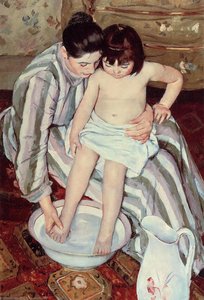
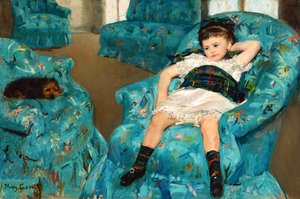
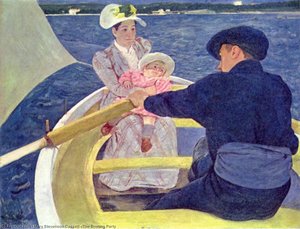
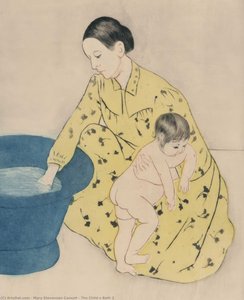
Cassatt’s artistic style evolved to embrace the hallmarks of Impressionism – visible brushstrokes, a focus on light and color, and a commitment to depicting contemporary life. Yet, she infused her work with a distinct clarity and precision that set it apart from some of her contemporaries. Unlike many male Impressionists who favored landscapes or Parisian nightlife, Cassatt centered her art around the social and private worlds of women, particularly mothers and children. She portrayed scenes of domesticity – bathing rituals, tea parties, quiet moments of connection – with remarkable intimacy and psychological depth. Her paintings are not merely depictions of everyday life; they are sensitive explorations of maternal bonds, female relationships, and the complexities of modern womanhood. Key works like The Boating Party (1894), The Child’s Bath (in various versions), and Little Girl in a Blue Armchair exemplify her ability to capture fleeting moments with both technical skill and emotional resonance. Furthermore, Cassatt was deeply influenced by Japanese *ukiyo-e* woodblock prints, evident in her compositions' flattened perspective, bold color choices, and elegant simplicity. This Japonisme influence added another layer of sophistication to her already distinctive style, influencing her use of pattern and the arrangement of forms within a space.
Notable Achievements & Legacy
Mary Cassatt’s contribution to Impressionism is undeniable. Her unwavering dedication to portraying women's lives with honesty and compassion challenged prevailing societal norms and elevated the status of female artists during her time. She became one of the “three great ladies” of Impressionism, alongside Berthe Morisot and Marie Bracquemond, demonstrating that artistic excellence transcended gender boundaries. Cassatt’s influence extended beyond her own paintings; she championed the collection of old masters and encouraged the embrace of Impressionist ideals within American art circles. Her legacy continues to inspire artists today, reminding us of the importance of portraying human experience with sensitivity and nuance. She remains a powerful symbol of artistic independence and a testament to the enduring power of art to illuminate the human condition.
Further Exploration
- Online Resources: Explore Mary Cassatt’s life and work further through resources like Wikipedia (https://en.wikipedia.org/wiki/Mary_Cassatt) and ArtsDot.
- Museum Collections: Discover her masterpieces in renowned museums worldwide, including the Art Institute of Chicago and the National Portrait Gallery in London.
- Related Artists: Delve into the works of Edgar Degas, Berthe Morisot, and Marie Bracquemond to understand the broader context of Impressionism and the contributions of women artists during this period.
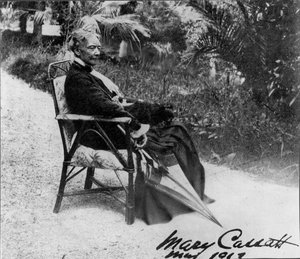
Meri Stenفين Касат
1843 - 1926 , САД
Osnovne informacije
- Artistic Movement Or Style: Импаресионизам
- Artists Or Movements Influenced By This Artist: ['Американ Импаресионизам']
- Artists Who Influenced This Artist:
- Едгар Дегас
- Жан Леон Гером
- Date Of Birth: Мај 22, 1844
- Date Of Death: Јуна 14, 1926
- Full Name: Mary Stevenson Cassatt
- Nationality: Американа
- Notable Artworks:
- Боатинг Партиј
- Дечије Куповање
- Малка Девојка у Сином Синару
- Place Of Birth: Аллегени Сити, САД
Povezani članci
Impressionizam: 10 Remek-dela Koja Su Definisala Pokret | ArtsDot
Otkrijte 10 remek dela impresionizma koji su revolucionisali umetnost! Monet, Renoir i drugi majstori – saznajte priče iza ikoničnih slika. Inspiracija za enterijer i vrhunske reprodukcije na ArtsDot.com. Istražite kolekciju online!
Mary Cassatt: Modernity, Motherhood & the Impressionist Gaze – A Timeless Legacy
Explore the life & art of Mary Cassatt, a pivotal American Impressionist renowned for intimate portrayals of women & children. Discover her unique style, legacy, and groundbreaking techniques at ArtsDot.
Top 10 Impresionista: Remek Dela Koja Su Definisala Pokret
Otkrijte 10 remek dela koja su definisala impresionizam! Uronite u svet Moneta, Renoara i drugih majstora. Analiza tehnika, priča iza slika i inspiracija za vaš dom. Eksplorišite kolekciju na ArtsDot.com!
Frederick Childe Hassam: American Impressionism's Chronicler of Light & Modern Life
Explore the captivating world of Frederick Childe Hassam, a pioneer of American Impressionism. Discover his iconic paintings capturing light, urban life & coastal beauty. Learn about his legacy and influence on American art history.

Paul Cézanne: 25 Remek-dela Revolucionarnog Umjetnika | ArtsDot
Istražite 25 remek-dela Paula Cézanna, revolucionarnog slikara impresionizma i postimpresionizma. Otkrijte priče iza ikoničnih pejzaža, portreta i mrtve prirode. Kupite luksuzne reprodukcije slika na ArtsDot.com!