

 Pregledaj u prostoru
 Pošalji
 Podeli
 Detalji o delu

 Преузми
 Slični predmeti
 Rendgenski snimak
 Slajdovi
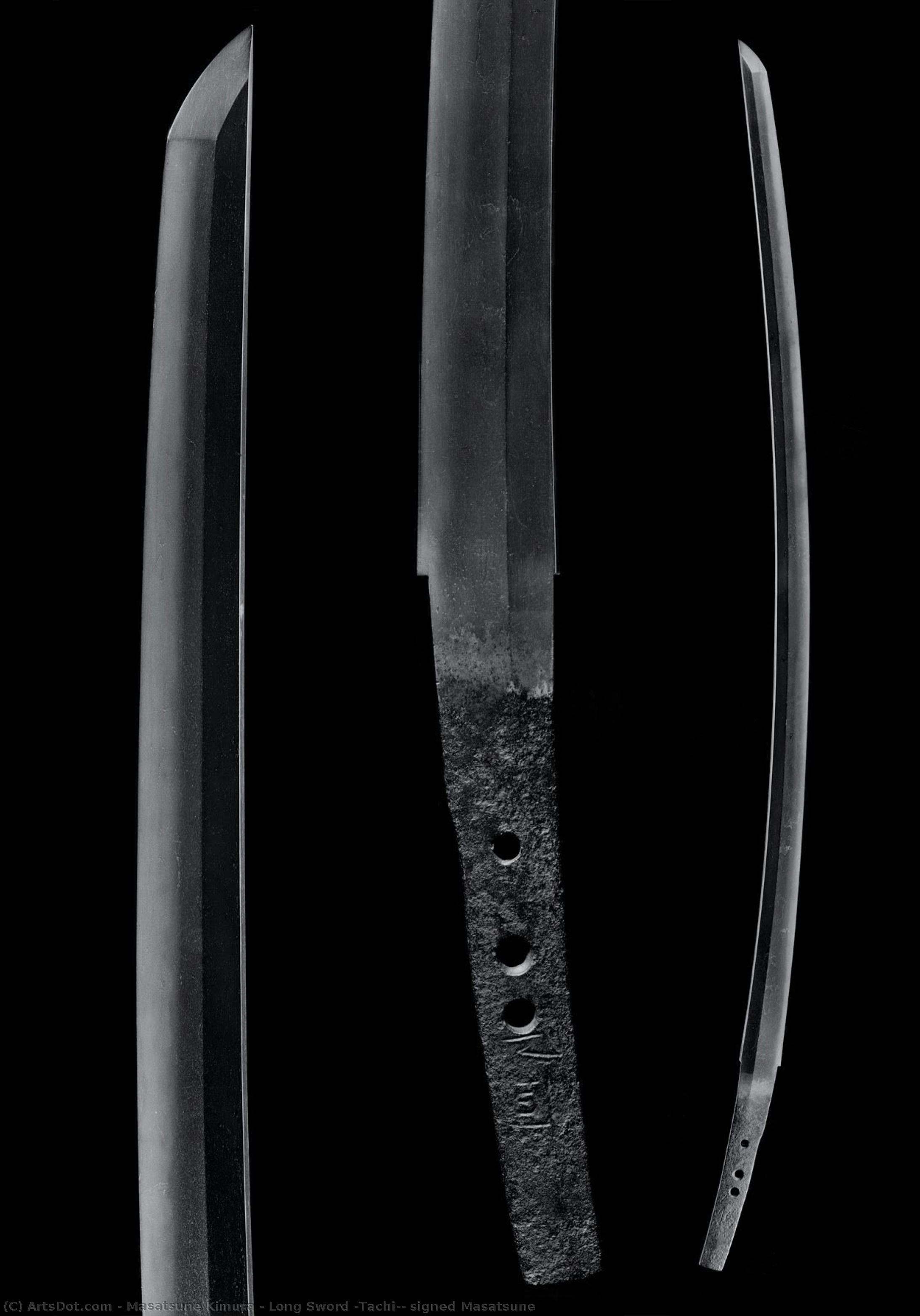
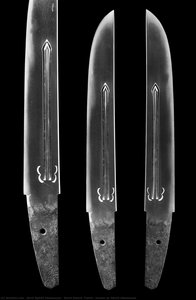
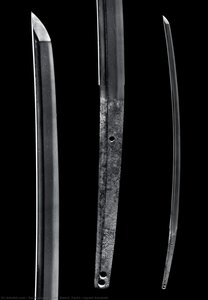
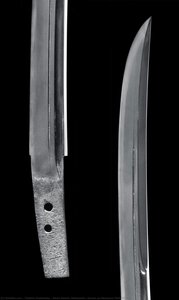
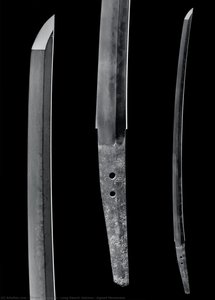
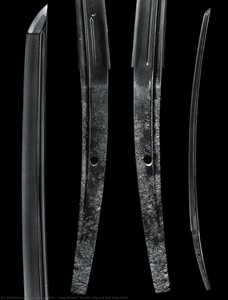
Long Sword (Tachi), signed Masatsune


 Pročitaj više
Giclee štampa / Umetnički otisak
Giclée štampa ili print na platnu muzejskog kvaliteta uz brzu proizvodnju i fleksibilne opcije završne obrade. ( Kupi ručno naslikanu sliku Kupi digitalnu sliku)




































Izaberite jednu od naših unapred definisanih veličina koje odgovaraju originalnim proporcijama umetničkog dela.

Možete uneti sopstvene dimenzije kako biste umetničko delo prilagodili specifičnom okviru ili prostoru. Ako odabrani format ne odgovara proporcijama originalne slike, mi ćemo ili iscrtati deo dela ili proširiti sliku pomoću ogledane ivice ili jednobojnog popunjavanja. Digitalni prikaz će vam biti poslat na odobrenje pre početka proizvodnje.
Imajte na umu da pregled na ekranu ne odražava stvarno iscrtavanje ili proširivanje. Samo će prikaz (mockup) precizno pokazati finalnu kompoziciju.
Iako su prilagođene dimenzije dostupne, preporučujemo da odaberete dimenziju sa unapred definisane liste kako biste očuvali originalne proporcije.
Dostava širom sveta () za 2 nedelje umesto uobičajenih 4/5 nedelja. (7 септембар)

Besplatna ekspresna dostava širom sveta

Visokokvalitetno laneno platno

Kompletno osiguranje transporta

Garancija povraćaja carine i uvoznih dažbina

Garancija vernosti boja

Politika povraćaja u roku od 100 dana (isključivo u slučaju nedostataka)

Garancija povrata novca od 100%

Popust pri grupnoj kupovini
 Opcija sa staklom dostupna je samo za dimenzije manje od 110 cm

Long Sword (Tachi), signed Masatsune
Giclee štampa / Umetnički otisak
Dimenzije reprodukcije
-


Konačna cena
$ 62
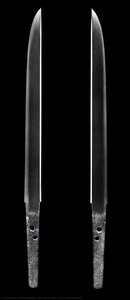
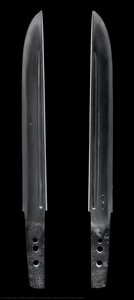
Srodna umetnička dela
Biografija umetnika
The Soul of the Blade: The Life and Artistry of Masatsune Kimura
In the heart of the Edo period, a time of profound cultural transition in Japan, the name Masatsune Kimura emerged as a symbol of both martial precision and delicate aesthetic grace. Born in Tokyo in 1827, Kimura was far more than a mere craftsman; he was a visionary who bridged the gap between the lethal utility of the samurai sword and the contemplative beauty of fine art. His life, spanning from the twilight of the old shogunate to the dawn of a modernizing Japan, was defined by a relentless pursuit of perfection, whether expressed through the rhythmic strike of a hammer on steel or the fluid motion of a calligraphy brush.
Kimura’s journey began in the rigorous atmosphere of traditional apprenticeships. Immersed in the secretive and demanding world of metallurgy, he learned to listen to the song of the metal, understanding how heat, pressure, and carbon could transform raw iron into a legendary weapon. This early training was deeply infused with the principles of Zen Buddhism, which taught him that true mastery requires a state of meditative focus and an intimate connection with the natural world. To Kimura, the forging process was a spiritual endeavor, where every fold of the steel represented a layer of discipline and intention.
A Legacy Forged in Imperial Honor
The pinnacle of Kimura’s professional life arrived with his appointment as chief swordsmith by Emperor Yoshinomiya Fushimi. This prestigious role placed him at the center of Japan's highest social and political circles, tasking him with the creation of weapons destined for imperial use. Such a responsibility demanded an unprecedented level of technical prowess, as these blades had to embody the strength of the empire while maintaining an exquisite elegance. His katana and tachi designs became renowned for their harmonious balance, featuring edges that were devastatingly sharp yet surfaces that possessed a mesmerizing, flowing beauty.
Beyond the forge, Kimura’s artistic spirit found expression in the delicate arts of calligraphy and painting. He did not see these disciplines as separate from his swordsmithing, but rather as different manifestations of the same underlying truth: the importance of line, balance, and breath. His calligraphic works often reflected the same strength and decisiveness found in his blades, while his paintings captured the ephemeral beauty of the Japanese landscape with a meticulousness that mirrored his metallurgical precision.
Historical Significance and Enduring Influence
The historical significance of Masatsune Kimura lies in his ability to preserve ancient traditions while navigating a period of immense upheaval. As Japan moved away from the era of the samurai, Kimura’s work served as a vital link to a vanishing way of life. His achievements can be summarized through several key pillars of his legacy:
- Technical Innovation: He elevated the standards of Japanese swordmaking by refining forging methods that enhanced both the durability and the aesthetic allure of the blade.
- Cultural Synthesis: He successfully integrated the martial discipline of the swordsmith with the refined sensibilities of a classical painter and calligrapher.
- Imperial Recognition: His service to the Emperor solidified his status as one of the most respected artisans of the 19th century, ensuring his techniques were documented and revered.
- Spiritual Artistry: By applying Zen principles to his craft, he transformed functional weaponry into objects of profound philosophical and artistic contemplation.
Today, the works associated with Masatsune Kimura are regarded as much more than historical artifacts; they are masterpieces of human achievement. Whether one is examining the intricate grain of a tachi or the sweeping strokes of his calligraphy, the presence of Kimura’s soul remains palpable—a testament to a man who mastered the art of capturing both the strength of steel and the lightness of spirit.
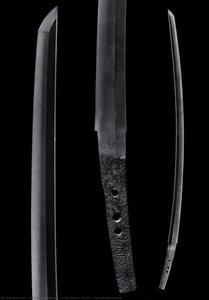
masatsune kimura
1827 - 1890 , Japan
Osnovne informacije
- Artistic Movement Or Style: Sword-making art
- Date Of Birth: Tokyo, Japan (1827)
- Full Name: Masatsune Kimura
- Nationality: Japanese
- Notable Artworks: ['Long Sword (Tachi), signed Masatsune']
- Place Of Birth: Tokyo
Povezani članci

Monochrome Visions: Exploring the Aesthetic & Historical Significance of Black & White Photography
Explore the rich history & artistic power of black and white photography. From early techniques to iconic masters like Ansel Adams, discover why monochrome continues to captivate art lovers today. Expert insights for collectors.

Beyond the Lens: Photography's Enduring Influence on Modern & Contemporary Art
Explore photography's pivotal role in shaping modern & contemporary art. Discover key movements, influential artists like Stieglitz, and expert collecting advice from ArtsDot.

Pictorialism: A Search for Artistic Photography's Soul – Aesthetics, Techniques & Legacy
Explore the captivating world of Pictorialism – a pivotal movement that transformed photography into fine art. Discover key artists like Stieglitz & Käsebier, techniques, and collecting tips from experts.

Witnessing History Through Lens & Light: Documentary Photography's Enduring Legacy
Explore the powerful history of documentary photography – from its origins to contemporary masters like Gordon Parks & W. Eugene Smith. Discover how this art form shapes our understanding of society and witness pivotal moments in time.

Documentary Photography's Defining Moments: 10 Masterpieces for Your Home |
Explore 10 defining documentary photography masterpieces – from Dorothea Lange to Robert Capa. Discover powerful stories, iconic images & timeless art for your home. Museum-quality prints at .