

 Pregledaj u prostoru
 Pošalji
 Podeli
 Detalji o delu

 Преузми
 Slični predmeti
 Rendgenski snimak
 Slajdovi
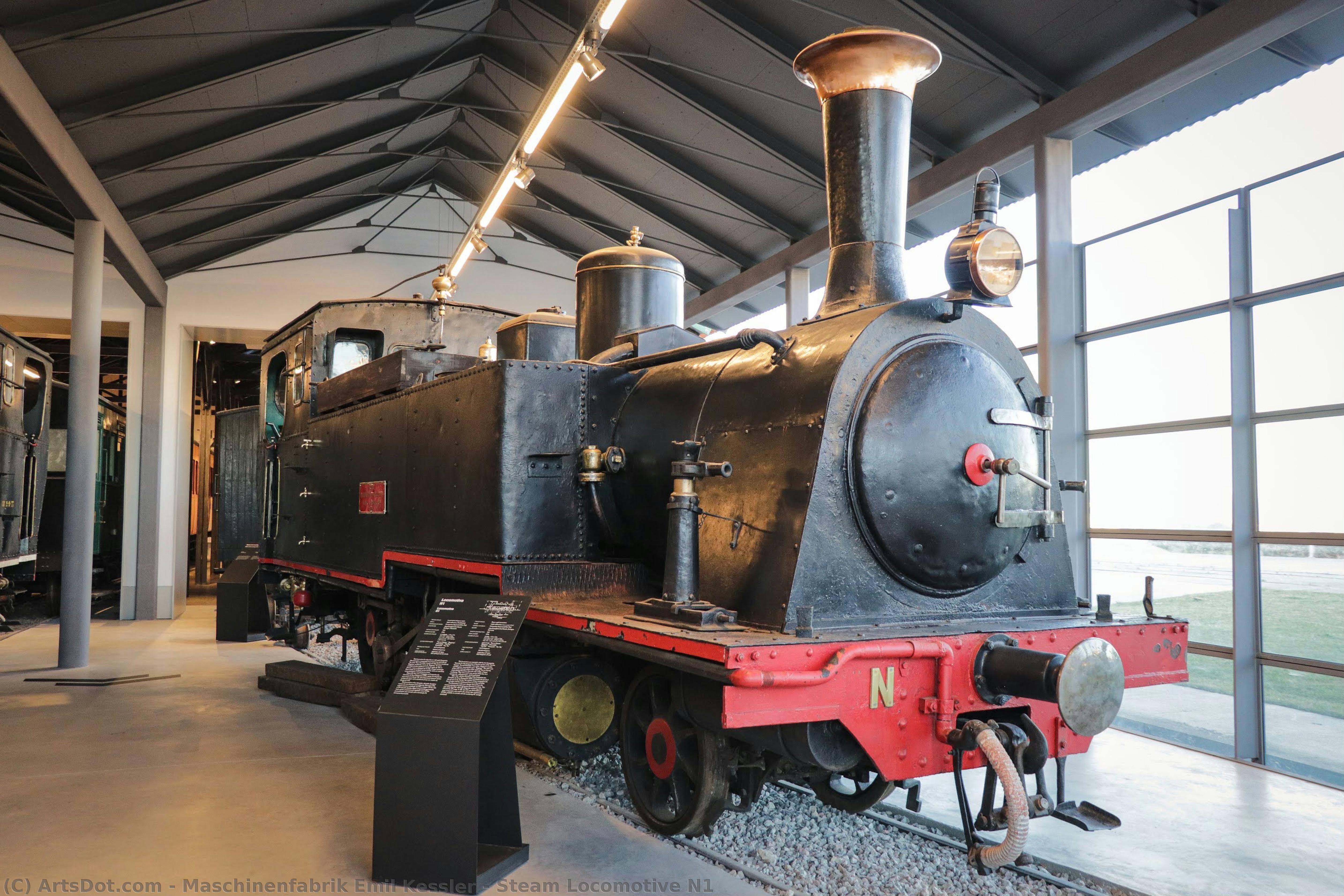
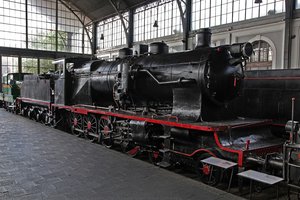
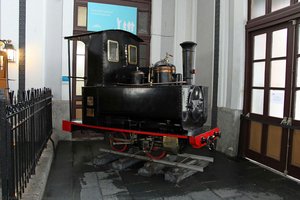
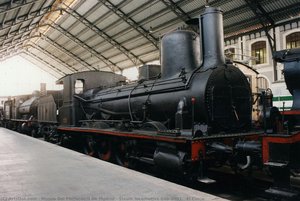
Steam Locomotive N1


 Pročitaj više
Ručno rađena uljana reprodukcija
Ručno oslikano uljanim bojama na platnu u dimenzijama i okviru po vašem izboru, izrađeno po porudžbini od strane naših umetnika. ( Kupi print Kupi digitalnu sliku)




































Izaberite jednu od naših unapred definisanih veličina koje odgovaraju originalnim proporcijama umetničkog dela.

Можете унети сопствене димензије како бисте прилагодили дело одређеном оквиру или простору. Ако одабрана величина не одговара пропорцијама оригинала, слика ће бити исечена или проширена додатним елементима који се ручно насликавају. Дигитални prikaz ће вам бити послат на одобрење пре почетка производње.
Имајте на уму да преглед на екрану не одражава стварно исецање или проширење. Само приказ (mockup) ће тачно приказати коначну композицију.
Иако су доступне прилагођене величине, препоручујемо да одаберете димензију из дефинисане листе како бисте сачували оригиналне пропорције.
Nakon narudžbine, tim ArtsDot.com će klijentu putem e-pošte poslati uputstva i dostaviti prikaz predloženog rešenja
Isporuka širom sveta () za 3/4 nedelje umesto uobičajenih 5 nedelja. (30 август). Bez kompromisa po pitanju kvaliteta.

Besplatna ekspresna dostava širom sveta

Visokokvalitetno laneno platno

Kompletno osiguranje transporta

Garancija povraćaja carine i uvoznih dažbina

Garancija vernosti boja

Politika povrata u roku od 60 dana (samo u slučaju nedostataka)

Garancija povrata novca od 100%

Popust pri grupnoj kupovini
 Opcija sa staklom dostupna je samo za dimenzije manje od 110 cm

Steam Locomotive N1
Tehnika reprodukcije
Dimenzije reprodukcije
-


Konačna cena
$ 263
Srodna umetnička dela
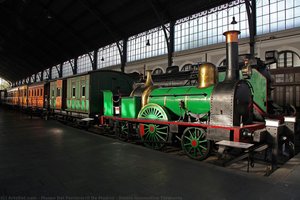
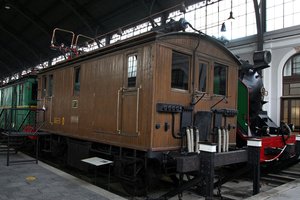
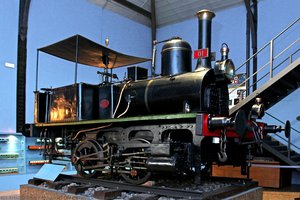
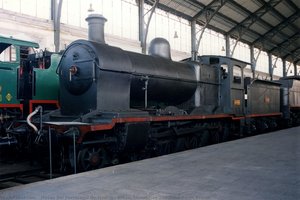
Biografija umetnika
Emil Kessler: Pioneer of German Railway Engineering
Emil Julius Carl Kessler (August 20, 1813 – March 16, 1867) stands as a pivotal figure in the annals of German industrial history and railway innovation. Born in Baden-Baden, he embarked on a path that would transform him into not merely a businessman but also the visionary founder of Maschinenfabrik Esslingen—a workshop that irrevocably shaped the trajectory of locomotive manufacturing and contributed significantly to the burgeoning infrastructure of Prussia and Württemberg.- Early Life & Education: Kessler’s formative years were marked by meticulous study, culminating in degrees in constructional and mechanical engineering from Karlsruhe University. This academic grounding provided him with the foundational knowledge necessary for his subsequent endeavors.
- The Founding of Maschinenfabrik Esslingen (1846): Driven by a desire to foster independent German locomotive production—free from reliance on foreign expertise—Kessler partnered with Theodor Martiensen in Stuttgart. Recognizing the potential of Württemberg’s ambitions within the railway sector, they established Maschinenfabrik Esslingen, leveraging Kessler's prior experience at Karlsruhe’s engineering works.
- Innovation & Locomotive Design: From its inception, Esslingen distinguished itself through groundbreaking locomotive designs—most notably the N1 and E55 classes—which embodied a commitment to efficiency and reliability. Kessler’s meticulous attention to detail and his understanding of thermodynamics propelled Esslingen to the forefront of technological advancement.
- Royal Patronage & Expansion: The Württemberg Royal Railway Commission swiftly recognized Esslingen's capabilities, awarding it contracts for locomotive construction and railway infrastructure projects. This patronage fueled rapid growth and solidified Esslingen’s position as a cornerstone of Prussia’s industrial landscape.
The Birth of the N1 Locomotive & Its Impact
Perhaps Kessler's most enduring legacy resides in the development of the N1 locomotive—a masterpiece of engineering that debuted in 1841. Commissioned by the Grand Duchy of Baden State Railway, this engine represented a triumph of innovation and symbolized Württemberg’s determination to establish its own railway industry. Its streamlined design and powerful performance established Esslingen as a leader in locomotive technology and cemented Kessler's reputation as a visionary engineer.A Legacy Forged in Steel & Steam
Kessler’s influence extended beyond locomotive construction; he spearheaded the creation of Maschinenbau-Gesellschaft Karlsruhe, furthering Württemberg’s railway ambitions. The establishment of this new facility underscored Kessler's unwavering dedication to bolstering Germany’s industrial prowess and securing its role as a dominant force in European transportation.Recognition & Remembrance
Emil Kessler died unexpectedly in Esslingen am Neckar on March 16, 1867, succumbing to a heart attack—a tragic end for a man who had devoted his life to advancing the art of engineering and shaping the future of German railways. His contributions continue to inspire admiration within the engineering community and serve as a testament to the transformative power of vision and perseverance.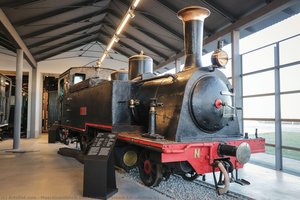
maschinenfabrik emil kessler
1813 - 1867 , Germany
Osnovne informacije
- Artistic Movement Or Style: Industrial Design
- Artists Or Movements Influenced By This Artist: ['Ludwig Keßler']
- Artists Who Influenced This Artist: ['Victor Huster']
- Date Of Birth: August 20, 1813
- Date Of Death: March 16, 1867
- Full Name: Emil Julius Carl Kessler
- Nationality: German
- Notable Artworks: ['Badenia Steam Locomotive']
- Place Of Birth: Baden-Baden, Germany
Povezani članci

Monochrome Visions: Exploring the Aesthetic & Historical Significance of Black & White Photography
Explore the rich history & artistic power of black and white photography. From early techniques to iconic masters like Ansel Adams, discover why monochrome continues to captivate art lovers today. Expert insights for collectors.

Beyond the Lens: Photography's Enduring Influence on Modern & Contemporary Art
Explore photography's pivotal role in shaping modern & contemporary art. Discover key movements, influential artists like Stieglitz, and expert collecting advice from ArtsDot.

Pictorialism: A Search for Artistic Photography's Soul – Aesthetics, Techniques & Legacy
Explore the captivating world of Pictorialism – a pivotal movement that transformed photography into fine art. Discover key artists like Stieglitz & Käsebier, techniques, and collecting tips from experts.
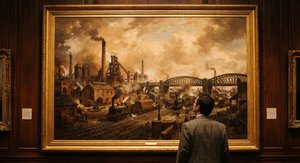
Industrial Revolution on Canvas: 10 Artworks That Define a Modern Aesthetic
Explore 10 iconic artworks capturing the Industrial Revolution’s grit & beauty. From Monet to Manet, discover realism, impressionism & powerful scenes of urban life. Find museum-quality reproductions for your home at ArtsDot.com.

Witnessing History Through Lens & Light: Documentary Photography's Enduring Legacy
Explore the powerful history of documentary photography – from its origins to contemporary masters like Gordon Parks & W. Eugene Smith. Discover how this art form shapes our understanding of society and witness pivotal moments in time.

