

 Pregledaj u prostoru
 Pošalji
 Podeli
 Detalji o delu

 Преузми
 Slični predmeti
 Rendgenski snimak
 Slajdovi
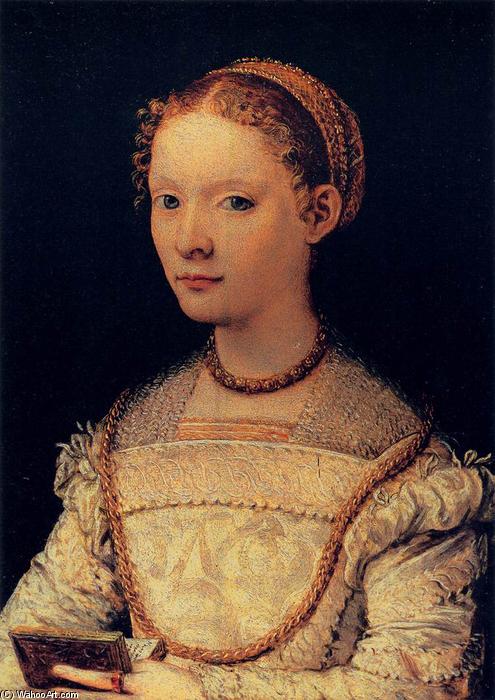
Portrait of Elena Gaddi Quartesi


 Pročitaj više
Ručno rađena uljana reprodukcija
Ručno oslikano uljanim bojama na platnu u dimenzijama i okviru po vašem izboru, izrađeno po porudžbini od strane naših umetnika. ( Kupi print Kupi digitalnu sliku)




































Izaberite jednu od naših unapred definisanih veličina koje odgovaraju originalnim proporcijama umetničkog dela.

Можете унети сопствене димензије како бисте прилагодили дело одређеном оквиру или простору. Ако одабрана величина не одговара пропорцијама оригинала, слика ће бити исечена или проширена додатним елементима који се ручно насликавају. Дигитални prikaz ће вам бити послат на одобрење пре почетка производње.
Имајте на уму да преглед на екрану не одражава стварно исецање или проширење. Само приказ (mockup) ће тачно приказати коначну композицију.
Иако су доступне прилагођене величине, препоручујемо да одаберете димензију из дефинисане листе како бисте сачували оригиналне пропорције.
Nakon narudžbine, tim ArtsDot.com će klijentu putem e-pošte poslati uputstva i dostaviti prikaz predloženog rešenja
Isporuka širom sveta () za 3/4 nedelje umesto uobičajenih 5 nedelja. (27 август). Bez kompromisa po pitanju kvaliteta.

Besplatna ekspresna dostava širom sveta

Visokokvalitetno laneno platno

Kompletno osiguranje transporta

Garancija povraćaja carine i uvoznih dažbina

Garancija vernosti boja

Politika povrata u roku od 60 dana (samo u slučaju nedostataka)

Garancija povrata novca od 100%

Popust pri grupnoj kupovini
 Opcija sa staklom dostupna je samo za dimenzije manje od 110 cm

Portrait of Elena Gaddi Quartesi
Tehnika reprodukcije
Dimenzije reprodukcije
-


Konačna cena
$ 263
Srodna umetnička dela
Biografija umetnika
Maso da San Friano: Life and Legacy
Early Life and Training
Born Tommaso d'Antonio Manzuoli in 1531 in San Fiorano, Italy, Maso da San Friano was a Florentine painter active during the late Renaissance. His early life remains somewhat obscure, but it is known he received his artistic training in Florence. Accounts vary regarding his teachers; Giorgio Vasari attributes his apprenticeship to Pier Francesco Foschi, while others suggest Carlo Portelli as a more likely influence.
Artistic Development and Influences
Maso’s artistic development was shaped by the prevailing Mannerist style of Florence. He absorbed influences from both Foschi and Portelli, developing a distinctive approach characterized by elongated figures, dynamic compositions, and a refined sense of color. Notably, he also collaborated with the elder Michelangelo, gaining valuable experience on various projects. This exposure undoubtedly impacted his understanding of anatomy and dramatic expression.
Major Works and Achievements
- The Visitation (1560): Perhaps Maso’s most celebrated work, originally painted for the church of San Pier Maggiore in Florence, now resides in Trinity Hall Chapel, Cambridge. A similar version can be found in Prato Cathedral.
- Decoration of the Studiolo of Francesco I: He contributed two oval canvases to the studiolo (private study) of Francesco I de' Medici, depicting “The Fall of Icarus” and “Mining of Diamonds.” These works exemplify his Mannerist style with their unusual perspectives and detailed rendering.
- Portrait of Ferdinando I de’ Medici (1570): This portrait, housed in the town council hall of Prato, showcases Maso's skill as a portraitist and provides valuable insight into the appearance of the Medici family.
- Works in Ognissanti & Santa Felicita: After 1561, he undertook painting commissions for the churches of Ognissanti and Santa Felicita in Florence, further establishing his reputation within the city.
Style and Characteristics
Maso da San Friano’s style is firmly rooted in Mannerism, but with a tendency towards what is known as Counter-Maniera. This movement sought to temper the extreme artifice of earlier Mannerism with a greater emphasis on clarity, naturalism, and emotional expression. His paintings often feature:
- Elongated and graceful figures
- Complex compositions with dynamic poses
- Rich and vibrant color palettes
- Detailed rendering of textures and fabrics
- Anomalous perspective and affected milling in crowd scenes (particularly evident in “The Fall of Icarus”)
Historical Significance
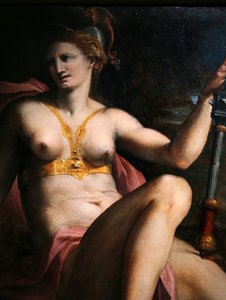
Maso da San Friano occupies a significant, though often overlooked, position within the Florentine art scene of the 16th century. As a practitioner of Counter-Maniera, he helped bridge the gap between the highly stylized Mannerism and the emerging Baroque style. He influenced a generation of artists, including his pupils Jacopo da Empoli and Alessandro Fei. Interestingly, one of his paintings is believed to depict the earliest known representation of a wristwatch on Cosimo I de Medici, adding an intriguing historical detail to his legacy.
Death and Legacy
Maso da San Friano died in Florence in 1571. While not as widely celebrated as some of his contemporaries, his work continues to be appreciated for its technical skill, stylistic innovation, and contribution to the artistic landscape of Renaissance Italy.
Maso da San Friano
1531 - 1571 , Italy
Osnovne informacije
- Birth Date: 1531
- Birth Place: San Fiorano, Italy
- Death Date: 1571
- Influenced:
- Jacopo da Empoli
- Alessandro Fei
- Influenced By:
- Pier Francesco Foschi
- Carlo Portelli
- Movement: Mannerism, Counter-Maniera
- Name: Maso da San Friano
- Nationality: Italian
- Notable Works: Visitation (Trinity Hall Chapel), Fall of Icarus, Portrait of Francesco I de' Medici
Povezani članci
Leonardo da Vinci: 25 Remek-dela Genija za Vaš Dom | ArtsDot
Istražite 25 remek-dela Leonarda da Vince, od Mona Lize do Poslednje večere. Otkrijte priče iza slika renesanse i inspiraciju za dekoraciju enterijera. Kvalitetne reprodukcije na ArtsDot.com!
Leonardo da Vinci: A Renaissance Master’s Synthesis of Art, Science & Human Observation – Reinterpreted for the Collector
Explore Leonardo da Vinci’s timeless masterpieces with ArtsDot. Discover insights into his art, science, and legacy – trusted expertise for discerning collectors seeking authentic reproductions & investment opportunities.
Renaissance Humanism's Greatest Art: 10 Masterpieces for Your Home
Explore 10 Renaissance Humanism masterpieces by Leonardo da Vinci, Michelangelo & Raphael. Discover the stories behind these iconic paintings & sculptures and bring timeless art into your home with museum-quality reproductions from ArtsDot.com. Explore the full collection online!
Antonello da Messina: Innovation, Devotion & the Sicilian Renaissance Master's Enduring Legacy
Explore the groundbreaking art of Antonello da Messina, a pivotal figure of the Renaissance. Discover his innovative oil painting techniques, captivating portraits, and lasting influence on Italian masters. Learn more at ArtsDot.
Antonio da Correggio: Innovation, Illusionism & the Poetics of Grace in Renaissance Painting
Explore the revolutionary art of Antonio da Correggio, a master of Renaissance illusionism and chiaroscuro. Discover his frescoes, mythological paintings & lasting influence on Baroque art. Expert analysis & key works featured.

