

 Pregledaj u prostoru
 Pošalji
 Podeli
 Detalji o delu

 Преузми
 Slični predmeti
 Rendgenski snimak
 Slajdovi
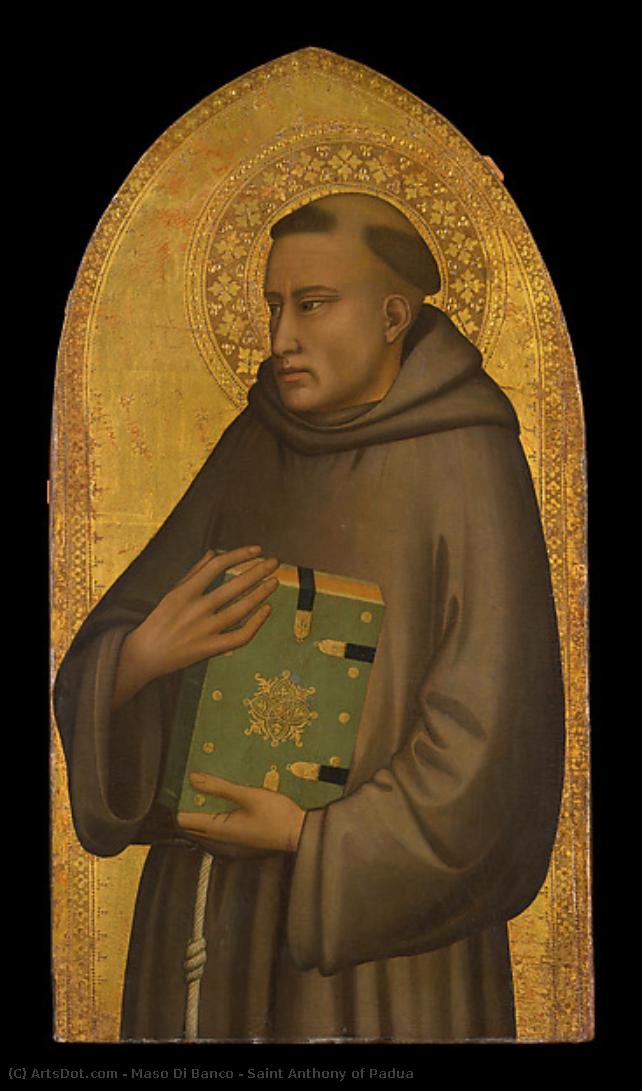
Saint Anthony of Padua
 Acrylic On Canvas
- WallArt
- Giotto-influenced Early Renaissance
 1340
1340 74.0 x 41.0 cm
 Metropolitan Museum of Art
 Pročitaj više
Ručno rađena uljana reprodukcija
Ručno oslikano uljanim bojama na platnu u dimenzijama i okviru po vašem izboru, izrađeno po porudžbini od strane naših umetnika. ( Kupi print Kupi digitalnu sliku)




P118B $10

P118H $10

P118W $10

P438Z $10

P508JH $12

P508YH $12

P805H $10

P805Z $10

P919BZ $10

P919G $10

P919XJ $10

P959ZH $10

P968JZ $12

W106C $8

W218G $10

W218JH $8

W218Y $10

W307PJ $10

W316G $10

W316PJ $8

W316Y $10

W398PJ $8

W4111J $10

W500HY $15

W500JH $15

W692G $12

W849H $8

W940BG $15

W953PJ $8




Izaberite jednu od naših unapred definisanih veličina koje odgovaraju originalnim proporcijama umetničkog dela.

Можете унети сопствене димензије како бисте прилагодили дело одређеном оквиру или простору. Ако одабрана величина не одговара пропорцијама оригинала, слика ће бити исечена или проширена додатним елементима који се ручно насликавају. Дигитални prikaz ће вам бити послат на одобрење пре почетка производње.
Имајте на уму да преглед на екрану не одражава стварно исецање или проширење. Само приказ (mockup) ће тачно приказати коначну композицију.
Иако су доступне прилагођене величине, препоручујемо да одаберете димензију из дефинисане листе како бисте сачували оригиналне пропорције.
Nakon narudžbine, tim ArtsDot.com će klijentu putem e-pošte poslati uputstva i dostaviti prikaz predloženog rešenja
Isporuka širom sveta () za 3/4 nedelje umesto uobičajenih 5 nedelja. (23 август). Bez kompromisa po pitanju kvaliteta.

Besplatna ekspresna dostava širom sveta

Visokokvalitetno laneno platno

Kompletno osiguranje transporta

Garancija povraćaja carine i uvoznih dažbina

Garancija vernosti boja

Politika povrata u roku od 60 dana (samo u slučaju nedostataka)

Garancija povrata novca od 100%

Popust pri grupnoj kupovini
 Opcija sa staklom dostupna je samo za dimenzije manje od 110 cm

Saint Anthony of Padua
Tehnika reprodukcije
Dimenzije reprodukcije
-


Konačna cena
$ 263
Opis umetničkog dela
The Weight of Faith: Maso di Banco’s Saint Anthony of Padua
Maso di Banco's depiction of Saint Anthony of Padua, painted around 1340, isn’t merely a portrait; it’s a profound distillation of the saint’s legacy – a testament to his unwavering faith, his miraculous healing touch, and his passionate advocacy for the poor. Created during a pivotal moment in Florentine art, when Giotto's revolutionary approach to three-dimensional realism was still profoundly influencing generations of painters, this panel offers a glimpse into a world where spirituality and artistic innovation intertwined seamlessly. The work’s power resides not just in its technical skill but also in the palpable sense of gravity and solemnity it conveys – qualities that immediately connect us with the saint's enduring appeal.
A Giottesque Foundation: Style and Technique
Maso di Banco, a student deeply devoted to the teachings of Giotto di Bondone, meticulously recreates the essence of Giotto’s style. The painting is executed in tempera on wood, a medium favored for its luminosity and ability to capture subtle details – characteristics that are particularly evident in Saint Anthony's face. Notice how Maso eschews the flat, stylized forms of earlier Byzantine art, instead employing modeling and shading to create a convincing sense of volume and depth. The drapery, rendered with careful attention to folds and textures, appears almost tangible, while the saint’s hands, holding the book and the cross, are imbued with a remarkable degree of realism. The use of gold leaf in the background and frame further elevates the work, lending it an air of sacredness and reinforcing its connection to religious iconography.
Symbolism and Spiritual Narrative
Beyond its technical brilliance, the painting is rich with symbolic meaning. Saint Anthony’s posture – slightly bowed, his gaze directed downward – suggests humility and contemplation. The book he holds represents his devotion to scripture and his role as a preacher and teacher. The small cross symbolizes his martyrdom and his unwavering commitment to Christ. Crucially, the setting itself—a simple, uncluttered space—focuses our attention entirely on the saint and his spiritual journey. It’s a deliberate choice that underscores the painting's central theme: Anthony’s life was one of service to others, particularly those marginalized by society. The inclusion of elements reminiscent of the Gemäldegalerie’s Madonna and Child panel – a detail often overlooked – subtly connects this work to the broader narrative of Franciscan piety and devotion.
Historical Context: Padua and the Saint
To fully appreciate Maso di Banco's painting, it’s essential to understand the historical context in which it was created. Saint Anthony of Padua (born Fernando de Vasconcellos) was a Portuguese friar who became one of the most beloved saints in Europe during the 14th and 15th centuries. His reputation for miracles, his eloquent preaching, and his tireless work among the poor quickly propelled him to international fame. The Basilica of Saint Anthony in Padua, where this panel originally resided as part of an altarpiece, became a major pilgrimage site, attracting countless devotees from across Europe. Maso’s painting, therefore, isn't simply a portrait; it’s a reflection of the saint’s profound impact on the spiritual and cultural landscape of his time.
An Enduring Legacy: Reproduction and Inspiration
Today, reproductions of Maso di Banco’s Saint Anthony offer a powerful connection to this remarkable period in art history. The painting's solemn beauty and profound symbolism continue to resonate with viewers, inviting contemplation on themes of faith, humility, and compassion. Whether displayed as a centerpiece in a chapel or incorporated into a thoughtfully curated interior space, this artwork serves as a timeless reminder of the enduring power of spiritual devotion and artistic expression.
Srodna umetnička dela

Biografija umetnika
A Florentine Echo of Giotto: The Life and Art of Maso di Banco
Maso di Banco, a name resonating softly through the annals of 14th-century Italian painting, stands as a pivotal figure in the transition from the Gothic style towards the burgeoning Renaissance. Active primarily in Florence between approximately 1320 and 1346, he wasn’t merely a follower of his master, Giotto di Bondone, but a vital link in the chain of artistic innovation that would reshape Western art. While biographical details remain frustratingly scarce—a common fate for artists of this period—the power and eloquence of his surviving frescoes and panel paintings speak volumes about his skill, sensitivity, and enduring influence.
Early Training and Artistic Foundations
Born in Florence, Maso di Banco’s early life is shrouded in the mists of time. What we know with certainty is that he entered Giotto’s workshop during a period when the master was revolutionizing painting. Giotto, rejecting the stylized conventions of Byzantine art, sought to depict figures with greater naturalism and emotional depth. Maso absorbed these lessons wholeheartedly, developing a keen understanding of three-dimensional form, spatial coherence, and narrative clarity. Lorenzo Ghiberti, in his autobiographical *I Commentari*, singled out Maso as Giotto’s most gifted pupil—a testament to his exceptional talent. This training wasn't simply about technique; it was an immersion into a new way of seeing the world, one that prioritized human experience and emotional resonance.
The Santa Croce Chapel: A Masterpiece of Narrative Frescoes
Maso di Banco’s most significant surviving work is undoubtedly the fresco cycle in the Bardi Chapel of the Basilica of Santa Croce in Florence. Commissioned by the powerful Bardi banking family around 1335-1340, these frescoes depict scenes from the life of Pope Saint Sylvester I. The narrative unfolds with a remarkable sense of drama and clarity. The compositions are carefully structured, guiding the viewer’s eye through each episode with deliberate precision. What sets Maso apart is his ability to imbue his figures with both monumentality and emotional weight. In scenes like “St. Sylvester Resurrecting Two Magi Killed by a Dragon,” we see not only a miraculous event but also the profound grief of those witnessing it, and the righteous power of the saint. The architectural settings are rendered with meticulous detail, creating a believable sense of space that further enhances the narrative impact. The symbolic use of elements—the dragon representing pagan ignorance, for example—adds layers of meaning to the already compelling scenes.
Style and Influences: Bridging Gothic and Renaissance
Maso di Banco’s style represents a fascinating synthesis of Gothic elegance and the emerging principles of the Renaissance. He retained a certain refinement in his figures, with graceful contours and harmonious color palettes—elements that reflect influences from both Sienese and Florentine traditions. However, he infused this elegance with Giotto's emphasis on monumentality and emotional realism. His work is characterized by a clarity of design and a deliberate avoidance of excessive ornamentation. While he wasn’t as radical in his innovations as Giotto himself, Maso skillfully adapted the master’s teachings to create a style that was both compelling and uniquely his own. Beyond Giotto, hints of Duccio's influence can be detected in the delicate rendering of fabrics and the expressive faces of his figures.
Legacy and Historical Significance
Although Maso di Banco’s oeuvre is relatively small—compared to some of his contemporaries—his impact on Florentine painting was significant. He served as a crucial link between Giotto's pioneering work and the later achievements of artists like Taddeo Gaddi and Masaccio. His frescoes in Santa Croce became a model for subsequent generations of painters, demonstrating the power of narrative clarity, emotional depth, and spatial coherence. The fact that Lorenzo Ghiberti specifically praised his talent underscores his importance within the artistic community of Florence. While much about his personal life remains unknown, Maso di Banco’s legacy endures through the enduring beauty and eloquence of his art—a testament to a master who helped pave the way for the glories of the Renaissance.
maso di banco
1348 , Italy
Osnovne informacije
- Artistic Movement Or Style: Early Renaissance
- Artists Or Movements Influenced By This Artist: ['Taddeo Gaddi']
- Artists Who Influenced This Artist: ['Giotto di Bondone']
- Date Of Birth: c. 1320
- Date Of Death: 1346
- Full Name: Maso di Banco
- Nationality: Italian
- Notable Artworks:
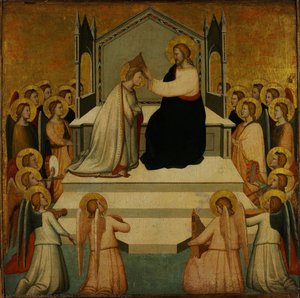
- Coronation of the Virgin
- Saint Anthony of Padua
- Fresco from Santa Croce
- Place Of Birth: Florence, Italy
Povezani članci
Giotto di Bondone: 25 Remek-dela koji definišu renesansu | ArtsDot
Istražite 25 remek-dela Giotta di Bondonea i otkrijte renesansnu umetnost u punom sjaju. Freske, oltarske slike & istorija italijanske umetnosti na ArtsDot.com! Reprodukcije vrhunskog kvaliteta za vaš dom.
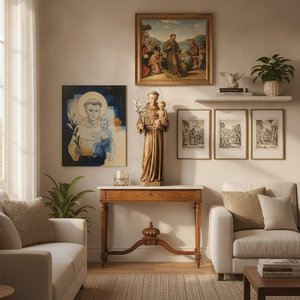
Discover the Divine: Inspiring Saint Anthony Artworks to Elevate Your Home Decor
Transform your home with the profound beauty of Saint Anthony artworks. Explore exquisite Baroque reproductions by Murillo and Zurbarán, hand-painted on 100% cotton canvas to bring divine serenity and timeless elegance to your interior design.
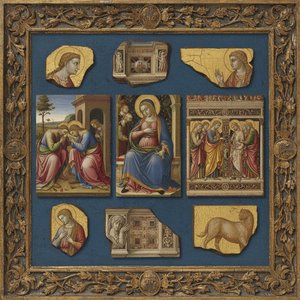
Proto-Renaissance Masters: 10 Artworks That Changed History | ArtsDot
Journey back to the dawn of Renaissance art! Explore 10 iconic Proto-Renaissance masterpieces by Giotto, Cimabue & Duccio. Discover their stories, techniques & lasting impact. Find museum-quality reproductions for your home at ArtsDot.com
Top 25 dela sa Bijenala u Veneciji: Umetnička remekapela za vaš dom | ArtsDot.com
Istražite 25 remekapela sa Bijenala u Veneciji! Otkrijte priče iza poznatih slikara, stilova i tehnika. Reprodukcije slika vrhunskog kvaliteta za dekoraciju enterijera. Inspiracija & kupovina na ArtsDot.com
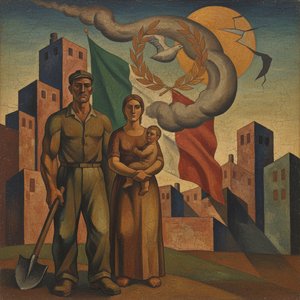
Mario Sironi: A Poetic of Modern Italian Identity Through Symbolism & Social Commentary
Explore the profound works of Mario Sironi, a key figure in Italian Modernism. Discover his evolution from Futurism to Metaphysical painting and his powerful social commentary. Learn about his legacy at ArtsDot.

