 Pregledaj u prostoru
 Pošalji
 Podeli
 Detalji o delu

 Преузми
 Slični predmeti
 Rendgenski snimak
 Slajdovi
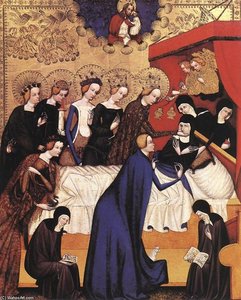
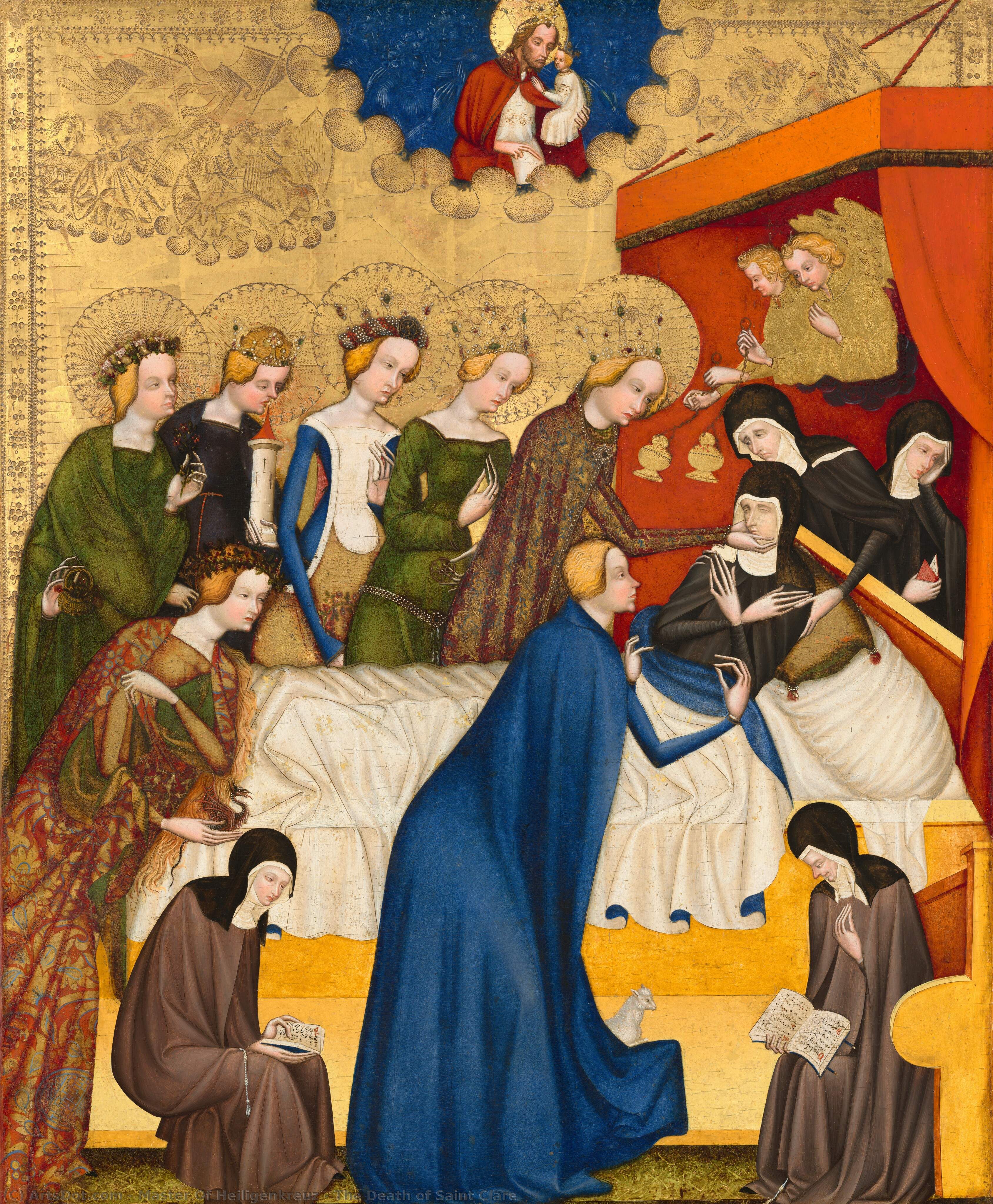
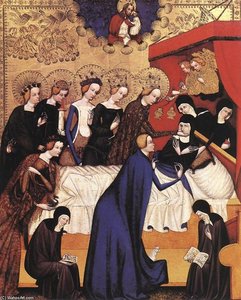
The Death of Saint Clare
 Tempera On Panel
 1410
1410- Late Medieval
 86.0 x 74.0 cm
 Pročitaj više
Ručno rađena uljana reprodukcija
Ručno oslikano uljanim bojama na platnu u dimenzijama i okviru po vašem izboru, izrađeno po porudžbini od strane naših umetnika. ( Kupi print Kupi digitalnu sliku)




P118B $10

P118H $10

P118W $10

P438Z $10

P508JH $12

P508YH $12

P805H $10

P805Z $10

P919BZ $10

P919G $10

P919XJ $10

P959ZH $10

P968JZ $12

W106C $8

W218G $10

W218JH $8

W218Y $10

W307PJ $10

W316G $10

W316PJ $8

W316Y $10

W398PJ $8

W4111J $10

W500HY $15

W500JH $15

W692G $12

W849H $8

W940BG $15

W953PJ $8




Izaberite jednu od naših unapred definisanih veličina koje odgovaraju originalnim proporcijama umetničkog dela.

Можете унети сопствене димензије како бисте прилагодили дело одређеном оквиру или простору. Ако одабрана величина не одговара пропорцијама оригинала, слика ће бити исечена или проширена додатним елементима који се ручно насликавају. Дигитални prikaz ће вам бити послат на одобрење пре почетка производње.
Имајте на уму да преглед на екрану не одражава стварно исецање или проширење. Само приказ (mockup) ће тачно приказати коначну композицију.
Иако су доступне прилагођене величине, препоручујемо да одаберете димензију из дефинисане листе како бисте сачували оригиналне пропорције.
Nakon narudžbine, tim ArtsDot.com će klijentu putem e-pošte poslati uputstva i dostaviti prikaz predloženog rešenja
Isporuka širom sveta () za 3/4 nedelje umesto uobičajenih 5 nedelja. (30 август). Bez kompromisa po pitanju kvaliteta.

Besplatna ekspresna dostava širom sveta

Visokokvalitetno laneno platno

Kompletno osiguranje transporta

Garancija povraćaja carine i uvoznih dažbina

Garancija vernosti boja

Politika povrata u roku od 60 dana (samo u slučaju nedostataka)

Garancija povrata novca od 100%

Popust pri grupnoj kupovini
 Opcija sa staklom dostupna je samo za dimenzije manje od 110 cm

The Death of Saint Clare
Tehnika reprodukcije
Dimenzije reprodukcije
-


Konačna cena
$ 263
Srodna umetnička dela
![Adoration Of The Magi — The Younger Zurich Carnation Master [nelkenmeister], Early Renaissance](/media/artworks/images-thumb/2f/6d/2f6d73ec5fc9c27e013112f02083ff54.jpg)

Biografija umetnika
The Enigmatic Master of Heiligenkreuz: A Portrait of a Lost Renaissance
The identity of the “Master of Heiligenkreuz” remains one of art history’s most enduring mysteries, a captivating puzzle that has occupied scholars for over a century. This Austrian painter, active primarily during the first half of the 15th century, produced a remarkable body of work characterized by dramatic religious scenes—particularly depictions of St. Clare’s death and Annunciations—that showcase a unique blend of Gothic and International Gothic styles. While his precise origins remain elusive, tracing the evolution of his art offers a fascinating glimpse into the artistic landscape of early Renaissance Central Europe.
The earliest known works attributed to the Master are diptychs – two-panel paintings – discovered at the Cistercian Abbey of Heiligenkreuz in southeastern Austria. These pieces, dating from around 1400-1410, immediately established his distinctive style: elongated figures with delicate hands and faces, a penchant for rich color palettes, and an expressive use of light and shadow. The left panel depicts the Annunciation, showcasing the Virgin Mary receiving the news of her divine conception, while the reverse portrays the Madonna and Child – a tender scene brimming with serenity. The right panel presents the Mystical Marriage of Saint Catherine, alongside Saint Dorothy, demonstrating a masterful command of detail and emotional depth.
What immediately sets the Master’s work apart is its synthesis of influences. While firmly rooted in the Gothic tradition—evident in his meticulous rendering of drapery and architectural details—he also absorbed elements from the International Gothic style, which was gaining prominence across Europe at the time. This fusion resulted in a highly individualistic aesthetic, characterized by an almost unsettling realism combined with a profound sense of spirituality. The figures possess a certain elongated quality, reminiscent of Northern European art, yet their expressions are imbued with a palpable emotional intensity rarely seen in contemporary works.
Several theories have been proposed regarding the Master’s origins and artistic influences. Initially, scholars suggested a French connection, pointing to similarities with Franco-Burgundian goldsmithing techniques evident in his use of gold leaf and decorative elements. Later investigations explored potential links to Prague, citing stylistic parallels with panel painting workshops active at the Bohemian court. The debate continues, fueled by the scarcity of documentary evidence and the fragmentary nature of the surviving corpus. It’s possible that the Master was an itinerant artist, traveling between different courts and absorbing influences from various artistic centers.
Despite the lack of definitive answers about his identity, the Master of Heiligenkreuz's legacy is undeniable. His paintings are prized for their emotional intensity, technical skill, and unique stylistic synthesis. They represent a crucial link in the development of early Renaissance art in Austria, bridging the gap between the late Gothic period and the burgeoning realism of the High Renaissance. Works like “The Death of St. Clare,” currently housed at the National Gallery of Washington D.C., exemplify his ability to convey profound religious themes with remarkable sensitivity and dramatic power. The enduring mystery surrounding his life and origins only adds to the allure of this enigmatic artist, ensuring that the Master of Heiligenkreuz will continue to fascinate art historians for generations to come.
Key Works & Characteristics
- The Death of St. Clare (c. 1400-1410): National Gallery of Art, Washington D.C. – A cornerstone of the Master’s oeuvre, showcasing his dramatic use of light and shadow to convey a sense of profound sorrow and spiritual transcendence.
- Annunciation (c. 1400-1410): Cistercian Abbey of Heiligenkreuz – Demonstrates the artist's mastery of composition and detail, capturing the moment of divine revelation with remarkable precision.
- Mystical Marriage of Saint Catherine (c. 1400-1410): Cistercian Abbey of Heiligenkreuz – Highlights the Master’s ability to imbue religious figures with a sense of human emotion and vulnerability.
- Diptychs:** The majority of the Master's known works are diptychs, reflecting the prevalent format for devotional paintings during this period.
Stylistic Influences & Techniques
The Master’s style is a complex synthesis of influences. He drew heavily from the Gothic tradition, evident in his meticulous attention to detail, particularly in the rendering of drapery and architectural elements. However, he also incorporated elements of the International Gothic style, characterized by elongated figures, delicate hands, and an expressive use of color. His technique involved layering thin glazes of paint to achieve luminous effects and creating a sense of depth through careful modeling of forms. The use of gold leaf was particularly prominent, adding richness and splendor to his works.
Historical Context & Legacy
The Master of Heiligenkreuz operated during a period of significant artistic and cultural change in Central Europe. The rise of the Renaissance coincided with the decline of feudalism and the emergence of new urban centers. His work reflects this dynamic environment, blending traditional religious iconography with innovative stylistic approaches. Despite the lack of definitive biographical information, his paintings are considered to be among the most important examples of early Renaissance art in Austria, offering valuable insights into the artistic development of the region. The enduring mystery surrounding his identity only serves to heighten the fascination with this enigmatic and profoundly talented artist.
master of heiligenkreuz
Austria
Osnovne informacije
- Artistic Movement Or Style: International Gothic
- Artists Or Movements Influenced By This Artist: ['French and German artists']
- Artists Who Influenced This Artist:
- Franco-Burgundian goldsmiths
- Prague panel painters
- Date Of Birth: c. 1395-1430
- Full Name: Master of Heiligenkreuz
- Nationality: Austrian
- Notable Artworks:
- The Death of St. Clare
- Annunciation
- Mystical Marriage of Saint Catherine
- Place Of Birth: Heiligenkreuz, Austria
Povezani članci

Golden Masterpieces: 10 Paintings That Define Art History | ArtsDot
Explore 10 breathtaking paintings where gold leaf shines! From Klimt to Byzantine icons, discover art history’s most gilded masterpieces. Find museum-quality reproductions & elevate your home decor with ArtsDot. Explore the full collection online.
The Allure of Gold in Art History: Symbolism, Technique & Cultural Significance
Explore the rich history of gold in art! Discover symbolism, techniques & cultural significance from ancient civilizations to Klimt's masterpieces. Expert insights for collectors at ArtsDot.
Gustav Klimt: 25 Remek-Dela Koje Očaravaju Svet – Reprodukcije za Vaš Dom
Uronite u svet Gustava Klimta! Otkrijte 25 remek-dela bečkog secesiona, od 'Poljupca' do portreta Adele Bloch-Bauer. Reprodukcije slika vrhunskog kvaliteta za luksuzni enterijer – inspiracija i dekoracija na ArtsDot.com.

Fra Anđeo: 25 Remek-dela Renesansnog Duha za Vaš Dom | ArtsDot
Uronite u svet Fra Anđela – 25 remek-dela renesansnog slikara. Otkrijte priče iza njegovih čuvenih fresaka i oltarskih slika, inspiracija za enterijer i duhovni mir. Kupite reprodukcije vrhunskog kvaliteta na ArtsDot.com!
Beyond Borders: The Spiritual & Stylistic Innovations of International Gothic Art
Explore the exquisite beauty & spiritual depth of International Gothic art. Discover key artists like Simone Martini & Pol de Limbourg, its origins, symbolism, and lasting influence on European painting. Expert insights at ArtsDot.