 Pregledaj u prostoru
 Pošalji
 Podeli
 Detalji o delu

 Преузми
 Slični predmeti
 Rendgenski snimak
 Slajdovi
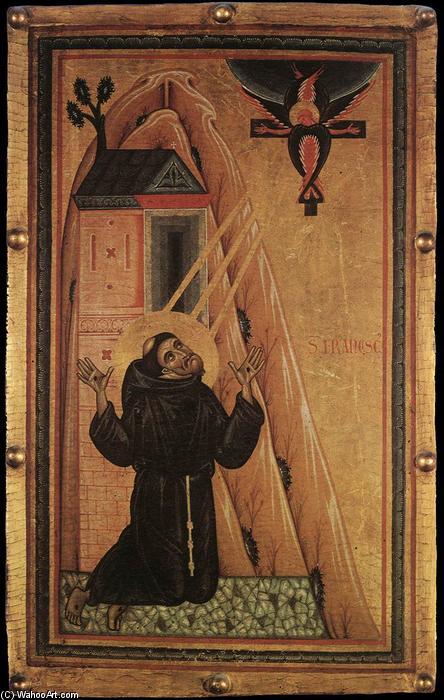
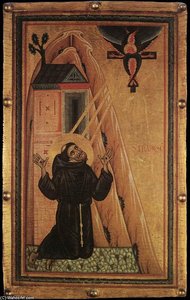
St Francis Receiving the Stigmata
 Akril na platnu
- Umetnost za zidove
- Medieval Gothic
 1240
1240 81.0 x 51.0 cm
 Галерија Уфици
 Pročitaj više
Giclee štampa / Umetnički otisak
Giclée štampa ili print na platnu muzejskog kvaliteta uz brzu proizvodnju i fleksibilne opcije završne obrade. ( Kupi ručno naslikanu sliku Kupi digitalnu sliku)




P118B $10

P118H $10

P118W $10

P438Z $10

P508JH $12

P508YH $12

P805H $10

P805Z $10

P919BZ $10

P919G $10

P919XJ $10

P959ZH $10

P968JZ $12

W106C $8

W218G $10

W218JH $8

W218Y $10

W307PJ $10

W316G $10

W316PJ $8

W316Y $10

W398PJ $8

W4111J $10

W500HY $15

W500JH $15

W692G $12

W849H $8

W940BG $15

W953PJ $8




Izaberite jednu od naših unapred definisanih veličina koje odgovaraju originalnim proporcijama umetničkog dela.

Možete uneti sopstvene dimenzije kako biste umetničko delo prilagodili specifičnom okviru ili prostoru. Ako odabrani format ne odgovara proporcijama originalne slike, mi ćemo ili iscrtati deo dela ili proširiti sliku pomoću ogledane ivice ili jednobojnog popunjavanja. Digitalni prikaz će vam biti poslat na odobrenje pre početka proizvodnje.
Imajte na umu da pregled na ekranu ne odražava stvarno iscrtavanje ili proširivanje. Samo će prikaz (mockup) precizno pokazati finalnu kompoziciju.
Iako su prilagođene dimenzije dostupne, preporučujemo da odaberete dimenziju sa unapred definisane liste kako biste očuvali originalne proporcije.
Dostava širom sveta () za 2 nedelje umesto uobičajenih 4/5 nedelja. (22 август)

Besplatna ekspresna dostava širom sveta

Visokokvalitetno laneno platno

Kompletno osiguranje transporta

Garancija povraćaja carine i uvoznih dažbina

Garancija vernosti boja

Politika povrata u roku od 60 dana (samo u slučaju nedostataka)

Garancija povrata novca od 100%

Popust pri grupnoj kupovini
 Opcija sa staklom dostupna je samo za dimenzije manje od 110 cm

St Francis Receiving the Stigmata
Giclee štampa / Umetnički otisak
Dimenzije reprodukcije
-


Konačna cena
$ 62
Opis predmeta
St Francis Receiving the Stigmata: A Byzantine Echo in Florentine Art
The painting “St Francis Receiving the Stigmata,” created by Maestro of San Francesco Bardi around 1240, stands as a testament to the artistic fervor that characterized Tuscany during its burgeoning Gothic period. More than just a depiction of religious devotion, it embodies a profound convergence of Byzantine influences and emerging vernacular sensibilities—a dialogue between tradition and innovation that continues to fascinate art historians.
- Artist Identity: Maestro of San Francesco Bardi remains an elusive figure, shrouded in scholarly debate. Despite extensive research into stylistic analysis, his precise identity has stubbornly resisted definitive attribution – a puzzle that captivates those dedicated to uncovering the secrets of medieval Florentine art.
- Provenance & Location: The artwork is housed at the Galleria degli Uffizi in Florence, Italy, where it continues to inspire awe and admiration among visitors. Its presence within this prestigious institution underscores its significance as a cornerstone of Florentine artistic heritage.
- Material & Technique: Executed in tempera paint on wood panel with meticulous gold leaf application—a technique common during the Byzantine era—the painting exemplifies the mastery of medieval artisans. The layering of pigments and the careful gilding contribute to an opulent visual experience that reflects the grandeur of its time.
Stylistic Influences & Composition: The Maestro’s artistic vision was undeniably shaped by Byzantine iconography, particularly the monumental mosaics of Constantinople and Thessalonica. This influence is palpable in the flattened perspective characteristic of Byzantine art—a stylistic choice that prioritizes spiritual contemplation over realistic representation. Linear contours define figures and architectural elements with precision, while geometric shapes – rectangular buildings and triangles for the cross – reinforce the painting’s solemn atmosphere.
- Landscape Setting: The backdrop depicts a stylized landscape featuring rolling hills under a clear sky—a serene environment designed to heighten the viewer's sense of tranquility and spiritual connection.
- Symbolic Elements: Dominating the composition is St. Francis himself, kneeling on stone pebbles, symbolizing humility and devotion. Above his head radiates a beam of light emanating from a cross – representing Christ’s sacrifice—and illuminating his face with divine grace. The dove carrying a cross reinforces this symbolism, signifying the Holy Spirit's presence and guiding St. Francis toward spiritual enlightenment.
- Decorative Border: The ornate border incorporates decorative elements such as leaves and flowers—motifs prevalent in Gothic art—further enriching the painting’s aesthetic appeal and conveying its artistic sophistication.
Emotional Resonance & Interpretation: “St Francis Receiving the Stigmata” transcends mere visual depiction; it communicates a profound emotional resonance rooted in reverence, piety, and spiritual transcendence. The artist skillfully captures the essence of Saint Francis’s inner experience—a moment of prayerful ecstasy—creating an artwork that invites contemplation and inspires awe.
Further Exploration: For more information on Maestro of San Francesco Bardi and his oeuvre, visit https://ArtsDot.com/@/Master-Of-San-Francesco-Bardi. To delve deeper into the artistic landscape of Florence during the 13th century, explore other masterpieces by Giotto Di Bondone at /art/list/?Filter=8XZFRQ-Giotto-Di-Bondone-Ognissanti-Madonna-(detail).
As a handmade oil painting reproduction, “St Francis Receiving the Stigmata” offers an opportunity to bring this timeless artwork into your home—a beautiful addition to any art collection.
Discover more about our exceptional reproductions at https://ArtsDot.com
Srodna umetnička dela
![Legend Of St Francis - [23] - St Francis Mourned By St Clare — Đijoto Di Bondone, Gothic](/media/artworks/images-thumb/17/1c/171c284c41dc3ef8bca83e51c1e1e531.jpg)
![Legend Of St Francis - [08] - Vision Of The Flaming Chariot — Đijoto Di Bondone, Gothic And Proto-renaissance](/media/artworks/images-thumb/65/6e/656e345ff55e49ce2e4377a050b85aa1.jpg)
![Legend Of St Francis - [21] - Apparition To Fra Agostino And To Bishop Guido Of Arezzo — Đijoto Di Bondone, Proto-renaissance](/media/artworks/images-thumb/8a/06/8a0632ef03ba49f12919faa78718a88b.jpg)
![Legend Of St Francis - [11] - St Francis Before The Sultan (trial By Fire) — Đijoto Di Bondone, Proto-renaissance](/media/artworks/images-thumb/0d/32/0d328acfb6c90f7ef32707586e86044b.jpg)
![Legend Of St Francis - [24] - Canonization Of St Francis — Đijoto Di Bondone, Gothic](/media/artworks/images-thumb/81/9b/819b5f0656848eb5cb3fcd40fd5756aa.jpg)
Biografija umetnika
Master of Saint Francis
The Master of Saint Francis, also known as Maestro di S. Francesco, remains an enigmatic figure in the history of Italian Gothic art. Despite extensive scholarly research and meticulous stylistic analysis, his identity has stubbornly resisted definitive attribution—a puzzle that continues to fascinate art historians today. Born sometime around 1250–1280, likely in Pisa or possibly trained in Umbria, he emerged during a period of profound artistic innovation, blending Byzantine traditions with the burgeoning vernacular style of Tuscany and Florence. His oeuvre consists primarily of frescoes adorning churches throughout Italy, notably the Basilica di Santa Croce in Florence and the Cappella Bardi—works that exemplify the stylistic convergence characteristic of his era.- Early Influences: The Master’s artistic vision was undeniably shaped by Byzantine iconography, particularly the monumental mosaics of Constantinople and Thessalonica. This influence is evident in the meticulous detail, luminous coloration, and stylized drapery found throughout his paintings—elements that hark back to the grandeur and spiritual solemnity of Eastern Orthodox art.
- Stylistic Characteristics: His frescoes are distinguished by a remarkable fusion of Byzantine and Florentine techniques. The use of tempera paint on plaster is typical of Umbrian painting, yet it’s combined with innovative compositional strategies reminiscent of Giotto—specifically the depiction of figures in three-dimensional space and the incorporation of naturalistic elements into religious narratives.
- Notable Works: Among his most celebrated achievements are the frescoes depicting Saint Francis Receiving the Stigmata in Santa Croce and The Crucifix with Eight Scenes from Calvary, both masterpieces that showcase his mastery of color, perspective, and expressive gesture. These paintings stand as testaments to his artistic skill and contribute significantly to our understanding of Gothic art’s stylistic evolution.
- The Cappella Bardi Frescoes: The Cappella Bardi frescoes represent a pinnacle of Florentine Gothic style—a collaborative effort involving several artists, including Piero della Francesca and Andrea Pisano. However, the Master's contribution is paramount in establishing the chapel as one of the most influential spaces for artistic innovation during the fourteenth century.
The Legacy of Byzantine Influence
Despite the stylistic blending with Florentine traditions, the Master’s work retains a palpable connection to Byzantine art—a testament to the interconnectedness of European artistic culture during the medieval period. His meticulous attention to detail and his masterful use of color—particularly gold leaf—echo the splendor and spiritual depth of Byzantine mosaics and icons. This stylistic convergence underscores the importance of recognizing broader cultural exchanges in shaping artistic developments.
Critical Reception & Attribution Challenges
Art historians have debated extensively over the attribution of the Master’s paintings for decades. While some scholars contend that he was a student of Cimabue—a prominent Florentine painter who predated Giotto—others propose connections to Lucca or even to workshops associated with Simone Martini and Maestro Giovannino da Fabriano. The difficulty in definitively identifying him stems from the anonymity of his artistic practice—a characteristic feature of many Gothic artists whose names remain lost to history.
Historical Significance
Regardless of his precise identity, the Master of Saint Francis occupies a crucial position within the broader narrative of Gothic art. His frescoes exemplify the stylistic dynamism of the period and contribute significantly to our understanding of how artistic traditions interacted across geographical boundaries. Moreover, they serve as enduring symbols of Florentine piety and artistic excellence—works that continue to inspire admiration and scholarly inquiry centuries after their creation.
Osnovne informacije
- Artistic Movement Or Style: Gothic
- Artists Or Movements Influenced By This Artist: ['Saint Francis']
- Artists Who Influenced This Artist: ['Simone Martini']
- Full Name: Maestro of Saint Francis Bardi
- Nationality: Italian
- Notable Artworks:
- St Francis Receiving the Stigmata
- Crucifix With Scenes From Calvary
- Place Of Birth: Florence, Italy
Povezani članci
Francis Bacon: 25 Remek-dela Ikoničnog Ekspresioniste | Reprodukcije i Inspiracija za Dom
Istražite 25 remek-dela Francis Bacon-a – ikona ekspresionizma. Otkrijte priče iza njegovih snažnih portreta, triptiha i tamne palete boja. Reprodukcije slika vrhunskog kvaliteta za vaš dom na ArtsDot.com!
High Medieval Art: 10 Masterpieces That Shaped an Era | ArtsDot
Journey through High Medieval Art! Explore 10 iconic masterpieces – from Giotto's frescoes to stunning Gothic cathedrals. Discover the stories behind these timeless paintings, sculptures & illuminated manuscripts. Find museum-quality art reproductions at ArtsDot.com.

El Greco: 25 Remek-dela koji definišu Viziju i Duh (Reprodukcije za vaš Dom)
Istražite 25 remek-dela El Greka! Otkrijte priče iza njegovih ikoničnih slika, baroknog stila i duboke spiritualnosti. Reprodukcije vrhunskog kvaliteta za vaš dom na ArtsDot.com.
Late Medieval Masterpieces: 10 Artworks That Defined an Era | ArtsDot
Journey through 10 defining Late Medieval masterpieces – from Giotto's frescoes to Jan van Eyck’s realism. Explore the stories, techniques & vibrant colors of Gothic art. Find museum-quality reproductions and elevate your home decor with ArtsDot.com! Discover all masterpieces on ArtsDot.com

Giotto di Bondone: 25 Remek-dela koji definišu renesansu | ArtsDot
Istražite 25 remek-dela Giotta di Bondonea i otkrijte renesansnu umetnost u punom sjaju. Freske, oltarske slike & istorija italijanske umetnosti na ArtsDot.com! Reprodukcije vrhunskog kvaliteta za vaš dom.