 Pregledaj u prostoru
 Pošalji
 Podeli
 Detalji o delu

 Преузми
 Slični predmeti
 Rendgenski snimak
 Slajdovi
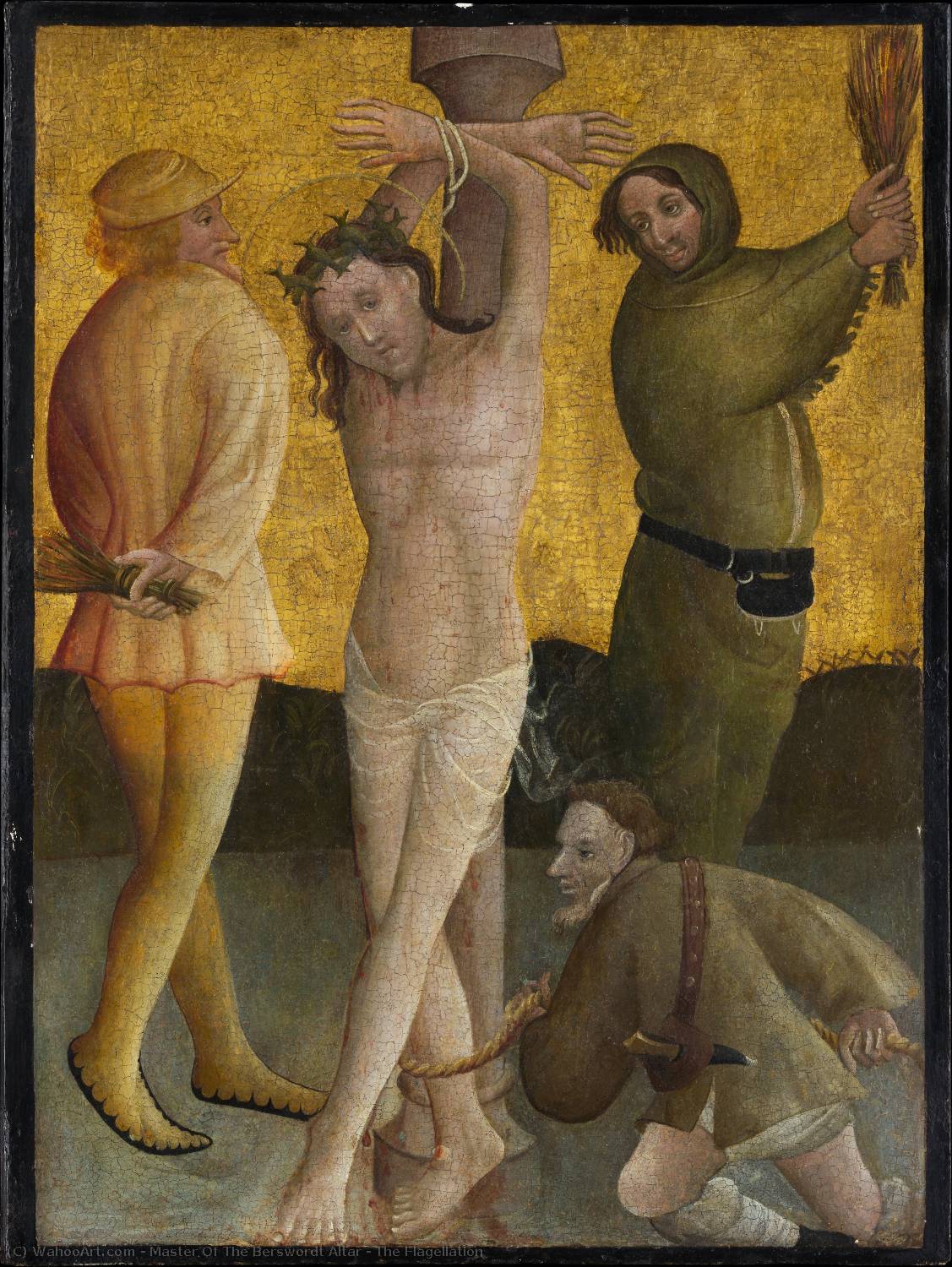
The Flagellation
 Oil On Panel
- International Gothic
 1400
1400 58.0 x 43.0 cm
 Metropolitan Museum of Art
 Pročitaj više
Kupite digitalnu sliku visoke rezolucije i poboljšanog kvaliteta, koja je znatno superiornija od onoga što vidite u online prikazu.
Svaka datoteka je pedantno pripremljena od strane naših stručnjaka koristeći napredne alate i profesionalnu ručnu retušu. Osiguravamo da svaka slika ima izuzetnu oštrinu, preciznu reprodukciju boja i fine detalje.
Konačna datoteka se dostavlja putem e-pošte u roku od 72 sata, optimizovana za neposrednu upotrebu u profesionalnim, izdavačkim i štamparskim okruženjima. To je isti kvalitet kojem veruju vrhunski studiji dizajna, izdavači i galerije.
Digitalna slika
Preuzmite datoteku visoke rezolucije za ličnu upotrebu, štampanje i kreativne projekte. ( Kupi print Kupi ručno naslikanu sliku)
Uključeno uz svaku porudžbinu digitalne slike
Profesionalna digitalna isporuka, zagarantovana
Kada odaberete ArtsDot.com, ne dobijate samo sliku – vi primate profesionalno unapređeno digitalno umetničko delo, izrađeno sa najvećom preciznošću i uz garanciju zadovoljstva. Evo svega što automatski dolazi uz vašu porudžbinu:

Brza dostava putem e-pošte
Vaša digitalna slika visoke rezolucije biće vam poslata putem e-pošte u roku od 72 sata od poručivanja – spremna za trenutnu upotrebu.

Digitalna datoteka unapređena veštačkom inteligencijom
Vaše umetničko delo je profesionalno optimizovano korišćenjem naprednih AI alata i ručne obrade, čime se osiguravaju maksimalni detalji, oštrina i preciznost boja.

Besplatna ponovna isporuka doživotno
Slučajno ste obrisali ili izgubili svoju datoteku? Ne brinite – poslaćemo vam je ponovo u bilo kom trenutku, potpuno besplatno.

Bez troškova uvoza – zauvek
Uživajte u svojim umetničkim delima trenutno, bez carine, dažbina ili troškova dostave – digitalni download je uvek bez poreza.

Garancija vernosti boja
Uz pomoć profesionalnih alata i upravljanja bojama, osiguravamo da vaša digitalna slika što vernije odražava originalne boje.

Garancija zadovoljstva u roku od 60 dana
Ako niste zadovoljni svojom digitalnom slikom, revidirat ćemo je ili vratiti 100% novca u roku od 60 dana – bez ikakvih pitanja.

100% garancija povrata novca
Niste zadovoljni? Obezbedite pun povrat novca u roku od 60 dana od trenutka kada ste primili svoju digitalnu datoteku – bez suvišnih pitanja.

Popusti na velike porudžbine
Kupite 3 slike, uštedite 10% - Kupite 5 slika, uštedite 15% - Kupite 10+ slika, uštedite 20%. Odlično za kreativne projekte, galerije i agencije.
The Flagellation: A Window into Late Medieval Devotion
The Master of the Bremen Altarpiece’s “The Flagellation,” painted circa 1400, is more than just a depiction of Christ's suffering; it’s a profound meditation on sacrifice, faith, and the transition between artistic traditions. This remarkable panel, originally part of a monumental altarpiece commissioned for the Marienkirche in Bielefeld, Westphalia, offers a captivating glimpse into the vibrant world of International Gothic art during its twilight years. The painting's power lies not just in its technical mastery but also in its ability to evoke a deep sense of empathy and spiritual contemplation.
The scene itself is both familiar and intensely moving. Christ, stripped bare and bound, endures the brutal reality of his scourging at the hands of Roman soldiers. The artist skillfully renders the physicality of the ordeal – the strained muscles, the bloodied skin – with a realism that belies the idealized aesthetic of the International Gothic style. Yet, this isn’t a glorification of violence; rather, it's presented as an unavoidable consequence of Christ’s divine sacrifice. The figures surrounding him—a servant offering rushes to cleanse his wounds and a hooded monk observing in silent sorrow—add layers of complexity to the narrative, suggesting both earthly compassion and profound spiritual reflection.
A Synthesis of Styles: International Gothic at its Peak
“The Flagellation” exemplifies the hallmarks of the International Gothic style, a movement that flourished throughout Europe during the 14th and 15th centuries. Characterized by its elegance, refined detail, and luxurious materials, this style drew inspiration from French Rayonnant Gothic architecture, Italian Renaissance motifs, and the intricate illuminated manuscripts of the era. The Master of the Bremen Altarpiece skillfully blended these influences, creating a work that is both formally sophisticated and emotionally resonant.
Notice the meticulous attention to detail – the folds of Christ’s garment, the texture of his skin, the subtle expressions on the faces of the onlookers. Gold leaf accents, typical of this period, are used sparingly but effectively to enhance the sense of opulence and divine presence. The composition itself is carefully balanced, with a clear hierarchy of figures that draws the viewer's eye directly to Christ at the center of the scene. The use of perspective, though not fully developed as in later Renaissance painting, creates a convincing illusion of depth, anchoring the narrative within a believable space.
Technique and Materials: A Master’s Hand
Painted on wood panel, “The Flagellation” showcases the artist's mastery of tempera paint – a medium known for its luminous quality and ability to create rich, vibrant colors. The layering of thin glazes allows light to penetrate through the pigments, creating a sense of depth and luminosity that is particularly evident in the depiction of Christ’s flesh tones. The use of gold leaf adds a further layer of richness and symbolism, representing divine grace and glory.
It's important to note that this panel was originally part of a larger altarpiece, and elements of the original design—including the background architecture—may have been transferred to the plywood support after the altarpiece was dismantled. This practice was common at the time, allowing artists to reuse panels from previous works and adapt them to new commissions. The careful restoration efforts undertaken in recent years have helped to preserve the painting's integrity and reveal its original splendor.
Symbolism and Legacy: Bridging Traditions
“The Flagellation” is not merely a historical artifact; it’s a powerful symbol of Christian faith, sacrifice, and redemption. The image resonates with viewers across centuries because it taps into universal themes of suffering, compassion, and hope. Furthermore, the painting represents a crucial transitional moment in art history – a bridge between the stylized elegance of traditional Gothic art and the emerging realism of Early Netherlandish painting.
The Master of the Bremen Altarpiece’s work paved the way for future generations of artists, influencing the development of Northern Renaissance painting. His ability to combine technical skill with emotional depth continues to inspire admiration and study today. “The Flagellation” stands as a testament to his artistic genius and a poignant reminder of the enduring power of art to illuminate the human condition.