

 Pregledaj u prostoru
 Pošalji
 Podeli
 Detalji o delu

 Преузми
 Slični predmeti
 Rendgenski snimak
 Slajdovi
 Stats
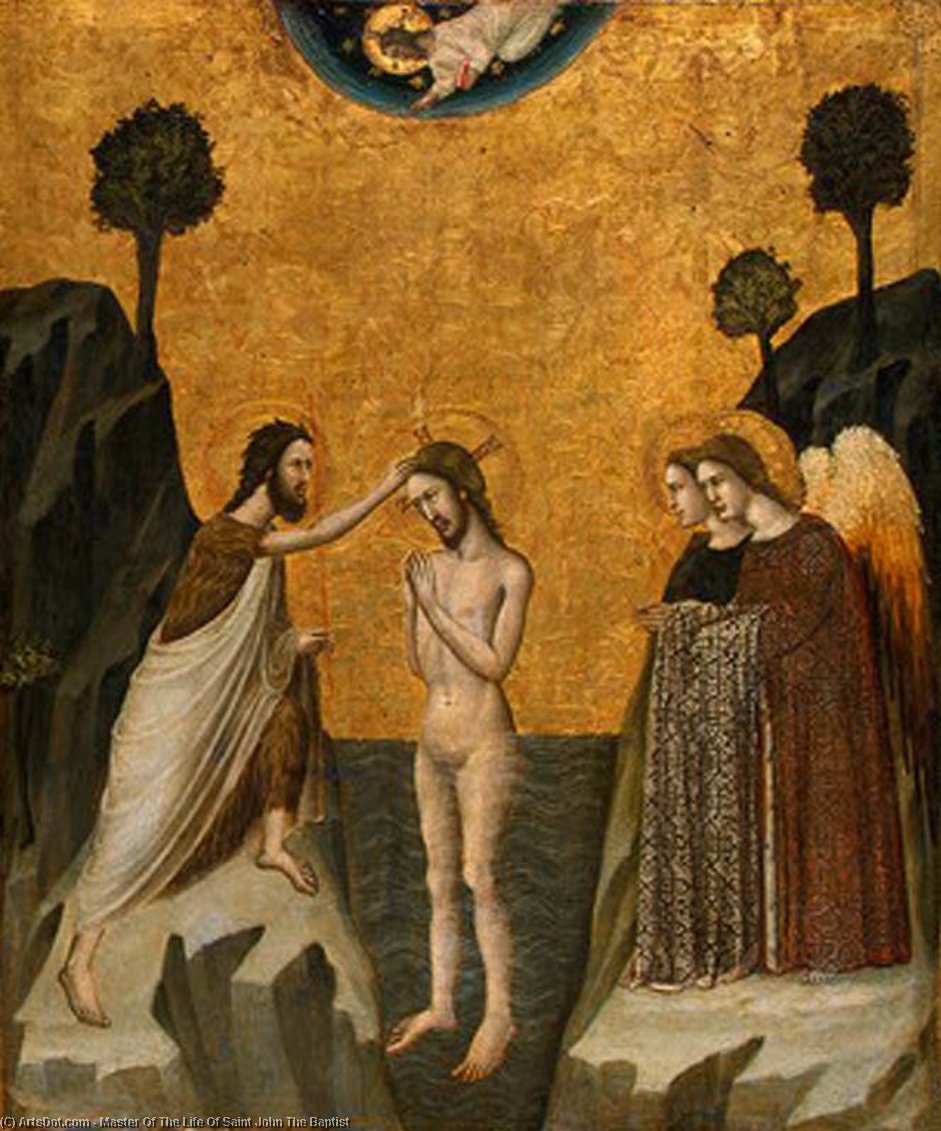
StatsScenes from the Life of Saint John the Baptist
 Oil On Canvas
- WallArt
- Baroque
 1330
1330 49.0 x 41.0 cm
 National Gallery of Art
 Pročitaj više
Giclee štampa / Umetnički otisak
Giclée štampa ili print na platnu muzejskog kvaliteta uz brzu proizvodnju i fleksibilne opcije završne obrade. ( Kupi ručno naslikanu sliku Switch to Digital Image)




P118B $10

P118H $10

P118W $10

P438Z $10

P508JH $12

P508YH $12

P805H $10

P805Z $10

P919BZ $10

P919G $10

P919XJ $10

P959ZH $10

P968JZ $12

W106C $8

W218G $10

W218JH $8

W218Y $10

W307PJ $10

W316G $10

W316PJ $8

W316Y $10

W398PJ $8

W4111J $10

W500HY $15

W500JH $15

W692G $12

W849H $8

W940BG $15

W953PJ $8




Izaberite jednu od naših unapred definisanih veličina koje odgovaraju originalnim proporcijama umetničkog dela.

Možete uneti sopstvene dimenzije kako biste umetničko delo prilagodili specifičnom okviru ili prostoru. Ako odabrani format ne odgovara proporcijama originalne slike, mi ćemo ili iscrtati deo dela ili proširiti sliku pomoću ogledane ivice ili jednobojnog popunjavanja. Digitalni prikaz će vam biti poslat na odobrenje pre početka proizvodnje.
Imajte na umu da pregled na ekranu ne odražava stvarno iscrtavanje ili proširivanje. Samo će prikaz (mockup) precizno pokazati finalnu kompoziciju.
Iako su prilagođene dimenzije dostupne, preporučujemo da odaberete dimenziju sa unapred definisane liste kako biste očuvali originalne proporcije.
Dostava širom sveta () za 2 nedelje umesto uobičajenih 4/5 nedelja. (8 септембар)

Besplatna ekspresna dostava širom sveta

Visokokvalitetno laneno platno

Kompletno osiguranje transporta

Garancija povraćaja carine i uvoznih dažbina

Garancija vernosti boja

Politika povraćaja u roku od 100 dana (isključivo u slučaju nedostataka)

Garancija povrata novca od 100%

Popust pri grupnoj kupovini
 Opcija sa staklom dostupna je samo za dimenzije manje od 110 cm

Scenes from the Life of Saint John the Baptist
Giclee štampa / Umetnički otisak
Dimenzije reprodukcije
-


Konačna cena
$ 62
A Moment of Divine Encounter
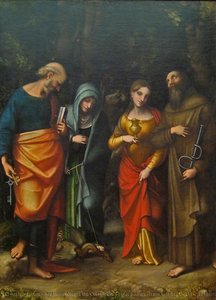
The canvas breathes with the palpable energy of a sacred moment captured in time. This depiction, titled Scenes from the Life of Saint John the Baptist, invites the viewer into an intimate encounter between devotion and divine grace. At its heart stands Saint John, a figure imbued with profound spiritual weight, whose very presence seems to draw the surrounding light. The composition is masterfully arranged around this central interaction: a gentle touch upon his head by another hand suggests a moment of recognition, blessing, or perhaps revelation. Flanking him are supporting figures—two standing steadfastly behind and one positioned to the right—whose gazes and postures contribute to the narrative tension, guiding our eye through the unfolding drama.
Technique and Evocative Realism
Executed in what appears to be rich oil paint, this work showcases a vibrant detail that speaks to the skill of its creator. The artist, associated with the dramatic flair of masters like Caravaggio, employs techniques that lend an almost startling realism to the scene. Observe how the light seems not merely applied, but rather emanating from within the narrative itself, highlighting textures—the drapery, the skin, and the rugged quality of the background landscape. This rocky setting is more than mere backdrop; it anchors the spiritual drama in a tangible, earthly reality, grounding the miraculous event in the grit of existence.
Symbolism and Spiritual Depth
Saint John the Baptist himself carries immense symbolic weight throughout Christian art, representing both the voice crying out in the wilderness and the precursor to Christ. The act of being touched is rich with potential meaning—it could symbolize confirmation, acceptance into a higher state of grace, or perhaps the acknowledgment of his prophetic calling. The surrounding figures serve as witnesses, their collective presence amplifying the significance of this singular gesture. For the collector or admirer, owning this piece means possessing not just paint on canvas, but a meditation on faith, mentorship, and divine recognition.
Historical Resonance for the Modern Space
Dating to 1330, this work carries the weight of early Renaissance devotional art, filtered through a dramatic sensibility that anticipates later Baroque intensity. While its historical context is deep, its emotional resonance remains immediate. For an interior space—be it a chapel, a study, or a grand hall—this reproduction offers unparalleled depth. It serves as a focal point, drawing the eye into contemplation. The rich color palette and dynamic composition ensure that the piece does not merely hang on a wall; it inhabits the room, lending an air of timeless reverence and sophisticated drama to any setting.
Srodna umetnička dela
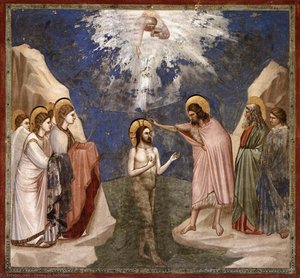
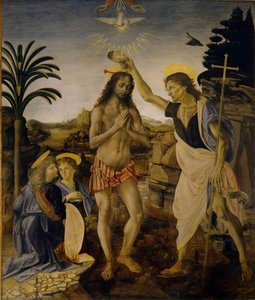
![Scrovegni - [23] - Baptism Of Christ — Đijoto Di Bondone, Early Renaissance](/media/artworks/images-thumb/17/af/17af47626cb93b2000ad3d13e045f189.jpg)
Biografija umetnika
Michelangelo Merisi da Caravaggio: A Shadowed Genius
The “Master of the Life of Saint John the Baptist,” as he’s often referred to, is a name synonymous with dramatic intensity and revolutionary realism in 16th-century Italian art. While his formal birthdate remains shrouded in uncertainty – generally accepted as around 1571 in Milan, Italy – his life was anything but quiet. Caravaggio, born Michelangelo Merisi, emerged from a humble background, likely apprenticed to a local painter in the bustling commercial center of Lombardy. This early exposure to the demands of portraiture and religious commissions would profoundly shape his future artistic trajectory. His origins, far removed from the established artistic circles of Rome, are crucial to understanding the unique perspective he brought to the burgeoning Baroque period. Unlike many artists groomed within prestigious workshops, Caravaggio’s training was largely self-directed, a testament to his innate talent and relentless drive.The Revolutionary Technique: Chiaroscuro and Naturalism
Caravaggio's impact on art wasn’t simply due to the compelling narratives he depicted; it stemmed fundamentally from his groundbreaking technique. He shattered the prevailing conventions of the High Renaissance, abandoning idealized forms and serene compositions in favor of a brutally honest portrayal of human experience. His signature style, known as *tenebrism*, involved manipulating light and shadow with astonishing skill – plunging figures into deep darkness while highlighting select areas with intense illumination. This dramatic contrast wasn’t merely an aesthetic choice; it served to heighten the emotional impact of his scenes, creating a palpable sense of drama and immediacy. He achieved this through meticulous observation of natural light, often painting *alla prima* (wet-on-wet) directly onto the canvas, minimizing the need for extensive underpainting.- Realism Redefined: Caravaggio rejected the polished perfection of earlier artists, embracing imperfections and portraying his subjects with unflinching realism – wrinkles, blemishes, and even signs of weariness were rendered with startling accuracy.
- The Power of Light: The strategic use of light wasn’t simply for visual effect; it was employed to draw the viewer's eye to key elements within the composition, guiding their gaze and intensifying the emotional weight of the scene.
- Direct Observation: Caravaggio famously worked from life, often using models from the streets of Rome – prostitutes, beggars, and laborers – injecting a sense of social realism into his religious subjects.
The Lives of John the Baptist and Other Biblical Figures
Caravaggio’s most celebrated works center around depictions of Saint John the Baptist, a figure he repeatedly portrayed in various stages of his life – as a young boy fleeing into the desert, as a solitary hermit, and ultimately as a martyr. These paintings are not idealized representations; they are intensely psychological portraits capturing the character's inner turmoil and spiritual struggle. The “Beheading of Saint John the Baptist,” arguably his most famous work, exemplifies this approach: the brutal act is rendered with shocking immediacy, devoid of romanticism or glorification. Similarly, his series of "Stories of St. Luke" offers a raw and unflinching look at the saint’s life, showcasing both piety and human vulnerability. Beyond John the Baptist, Caravaggio produced powerful depictions of other biblical figures – Christ, Mary Magdalene, and scenes from the Passion – each imbued with a profound sense of drama and emotional intensity.Influence and Legacy: A Turbulent End
Caravaggio’s influence on subsequent generations of artists is immeasurable. He inspired a vast network of followers, known as “Caravaggisti,” who spread his style throughout Europe – to Spain, Portugal, France, and beyond. Artists like Rembrandt van Rijn, Georges de La Tour, and Artemisia Gentileschi all drew heavily from Caravaggio’s techniques and approach. However, Caravaggio's life was marked by violence and instability. He fled Rome after a murder charge in 1606, spending years on the run before returning to the city in 1610, where he died under mysterious circumstances – likely from a wound sustained during a street brawl. Despite his turbulent personal life, Caravaggio’s artistic legacy endures as one of the most significant and transformative figures in Western art history. His innovative use of light and shadow, coupled with his unflinching realism and psychological depth, continues to captivate audiences centuries later, solidifying his position as a true master of the Baroque era.Historical Significance: A Bridge Between Eras
Caravaggio’s work represents a pivotal moment in art history – a bridge between the idealized beauty of the Renaissance and the dramatic intensity of the Baroque. He rejected the established artistic conventions, prioritizing emotional impact and psychological realism over classical harmony and proportion. His willingness to depict ordinary people within sacred narratives challenged traditional notions of religious art, making it more accessible and relatable to a wider audience. Furthermore, his exploration of themes such as sin, redemption, and human suffering resonated deeply with the social and spiritual anxieties of 17th-century Europe. The “Master of the Life of Saint John the Baptist” remains not just an artist but a cultural touchstone, embodying the complexities and contradictions of his time – a shadowy genius whose work continues to provoke, inspire, and challenge viewers today.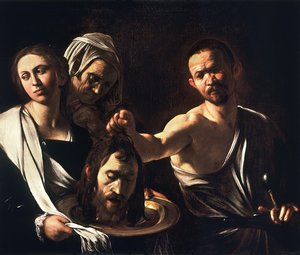
Osnovne informacije
- Artistic Movement Or Style: Caravaggism, Italian Baroque
- Artists Or Movements Influenced By This Artist:
- Baroque art
- Caravaggisti
- Artists Who Influenced This Artist:
- Leonardo da Vinci
- Michelangelo
- Full Name: Michelangelo Merisi, known as Caravaggio
- Nationality: Italian
- Notable Artworks:
- The Calling of St Matthew
- Beheading of John the Baptist
- Supper at Emmaus
- Place Of Birth: Milan, Italy
Povezani članci

The Dramatic Flourish: Exploring the Baroque Movement's Enduring Legacy in Art History
Explore the dramatic world of Baroque art! Discover iconic artists like Caravaggio & Rubens, defining techniques, and its lasting impact on art history. Expert insights for collectors & enthusiasts at ArtsDot.

25 Remek-dela Džona Singera Sargenta: Portreti Elegancije i Svetlosti | ArtsDot
Uronite u svet Džona Singera Sargenta! Otkrijte 25 remek-dela impresionizma i realizma, od portreta Madame X do fascinantnih akvarela. Inspiracija za dekoraciju enterijera & luksuzne reprodukcije slika na ArtsDot.com.

Oil on Canvas: A Historical & Technical Exploration of a Timeless Artistic Medium
Explore the rich history & enduring techniques of oil painting on canvas. Discover the science behind its longevity, conservation practices, and contemporary relevance. Expert insights for art enthusiasts.

25 Remek-dela Džona Konstebla: Lepota Engleske na Platnu | ArtsDot
Uronite u svet Džona Konstebla! Otkrijte 25 remek-dela engleskog pejzaža, romantizma i seoske idile. Kupite reprodukcije slika vrhunskog kvaliteta za dekoraciju enterijera na ArtsDot.com.

El Greco: 25 Remek-dela koji definišu Viziju i Duh (Reprodukcije za vaš Dom)
Istražite 25 remek-dela El Greka! Otkrijte priče iza njegovih ikoničnih slika, baroknog stila i duboke spiritualnosti. Reprodukcije vrhunskog kvaliteta za vaš dom na ArtsDot.com.