

 Pregledaj u prostoru
 Pošalji
 Podeli
 Detalji o delu

 Преузми
 Slični predmeti
 Rendgenski snimak
 Slajdovi
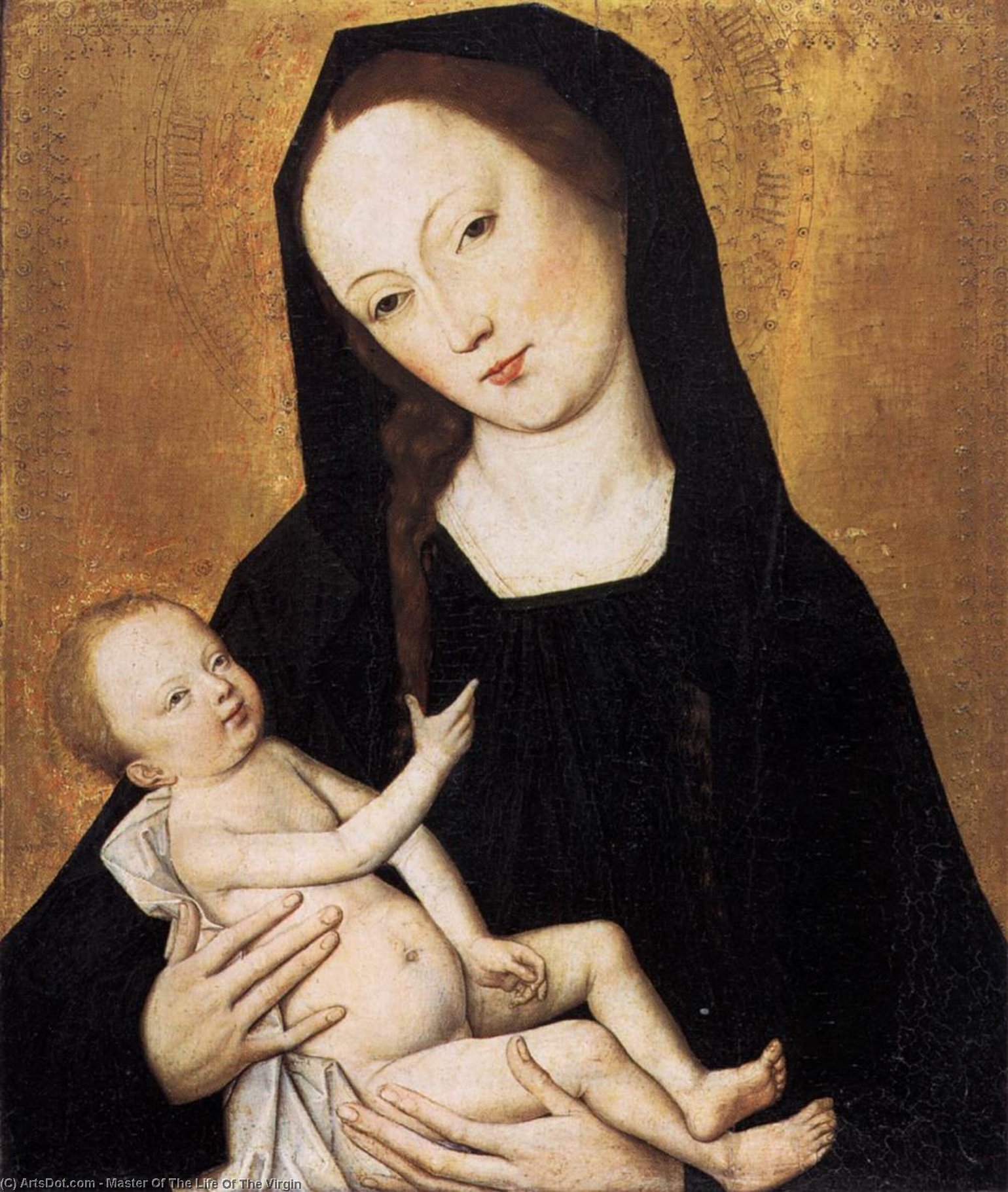
Virgin and Child
 Oil On Panel
- Late Gothic
 1470
1470 58.0 x 51.0 cm
 Staatliche Museen zu Berlin
 Pročitaj više
Ručno rađena uljana reprodukcija
Ručno oslikano uljanim bojama na platnu u dimenzijama i okviru po vašem izboru, izrađeno po porudžbini od strane naših umetnika. ( Kupi print Kupi digitalnu sliku)




P118B $10

P118H $10

P118W $10

P438Z $10

P508JH $12

P508YH $12

P805H $10

P805Z $10

P919BZ $10

P919G $10

P919XJ $10

P959ZH $10

P968JZ $12

W106C $8

W218G $10

W218JH $8

W218Y $10

W307PJ $10

W316G $10

W316PJ $8

W316Y $10

W398PJ $8

W4111J $10

W500HY $15

W500JH $15

W692G $12

W849H $8

W940BG $15

W953PJ $8




Izaberite jednu od naših unapred definisanih veličina koje odgovaraju originalnim proporcijama umetničkog dela.

Можете унети сопствене димензије како бисте прилагодили дело одређеном оквиру или простору. Ако одабрана величина не одговара пропорцијама оригинала, слика ће бити исечена или проширена додатним елементима који се ручно насликавају. Дигитални prikaz ће вам бити послат на одобрење пре почетка производње.
Имајте на уму да преглед на екрану не одражава стварно исецање или проширење. Само приказ (mockup) ће тачно приказати коначну композицију.
Иако су доступне прилагођене величине, препоручујемо да одаберете димензију из дефинисане листе како бисте сачували оригиналне пропорције.
Nakon narudžbine, tim ArtsDot.com će klijentu putem e-pošte poslati uputstva i dostaviti prikaz predloženog rešenja
Isporuka širom sveta () za 3/4 nedelje umesto uobičajenih 5 nedelja. (1 септембар). Bez kompromisa po pitanju kvaliteta.

Besplatna ekspresna dostava širom sveta

Visokokvalitetno laneno platno

Kompletno osiguranje transporta

Garancija povraćaja carine i uvoznih dažbina

Garancija vernosti boja

Politika povrata u roku od 60 dana (samo u slučaju nedostataka)

Garancija povrata novca od 100%

Popust pri grupnoj kupovini
 Opcija sa staklom dostupna je samo za dimenzije manje od 110 cm

Virgin and Child
Tehnika reprodukcije
Dimenzije reprodukcije
-


Konačna cena
$ 263
The Serene Embrace: A Glimpse into Late Gothic Devotion
To stand before this depiction of the Virgin and Child is to step directly into the hushed, reverent atmosphere of the late 15th century. The painting captures a moment of profound intimacy—the Madonna cradling her divine offspring—yet it is simultaneously framed by the subtle presence of witnesses in the background. The figure of Mary, draped in what appears to be a somber black veil, exudes an aura of quiet contemplation, characteristic of devotional art from this era. Her gaze, though perhaps directed slightly beyond the viewer, seems to hold the weight of divine mystery and maternal grace. This work is not merely a portrait; it is a meditation on motherhood, divinity, and the enduring bond between creator and creation.
Mastery in Pigment: Technique and Craftsmanship
The hand that executed this piece belonged to the enigmatic master of the life of the virgin. While his identity remains shrouded in the mists of art history, his technical prowess shines through every meticulously placed highlight and shadowed fold of drapery. The technique employed speaks to the height of Northern European painting traditions—a rich application of oil or tempera paint that allows for exquisite detail. Observe the subtle modeling on Mary’s face; the artist achieved a breathtaking sense of volume using delicate gradations of tone, giving the figures a palpable, three-dimensional presence against the flatter planes of the background. The handling of light seems almost miraculous, suggesting an unseen divine illumination that bathes the central figures in soft glory.
Symbolism Woven into Form
Every element within this composition carries symbolic weight. The halo encircling Mary is not just decoration; it is a visible marker of her sanctity, setting her apart from the earthly realm suggested by the background figures. The Child Jesus, positioned centrally, embodies both vulnerability and divine potential. Furthermore, the inclusion of secondary figures—one glimpsed on the left and another receding into the right distance—serves to anchor the sacred moment within a community of belief. These witnesses ground the miracle in human experience, inviting the contemporary viewer to contemplate their own place within that spiritual narrative.
A Timeless Echo for Modern Spaces
For the collector or designer seeking an object imbued with history and profound artistry, this piece offers unparalleled depth. The style, rooted firmly in the late Gothic period of 1470, speaks to a time when religious devotion was woven into the very fabric of daily life. Owning a reproduction allows one to bring home not just a painting, but a tangible echo of Renaissance piety and masterful craftsmanship. It possesses an emotional resonance—a quiet dignity that elevates any room, transforming it from mere space into a sanctuary of contemplation.
Srodna umetnička dela
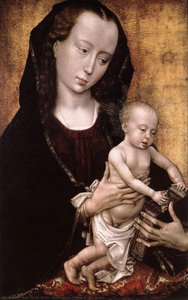
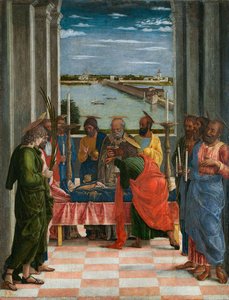
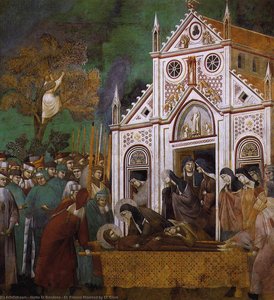
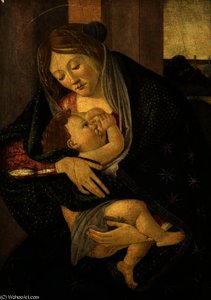
Biografija umetnika
A Shadowy Figure in Late Gothic Art
The identity of the “Master of the Life of the Virgin” remains one of art history’s most enduring mysteries. This elusive 15th-century Flemish painter, active primarily in Cologne and identified through his remarkably consistent style and a body of devotional panels depicting scenes from Mary's life, operated under an assumed name – a common practice among artists of the period. Often referred to as the “Meister des Marienlebens” (Master of the Virgin), or occasionally Johann van Duyren, he’s a figure shrouded in anonymity, yet his work profoundly influenced generations of Northern European painters. His legacy lies not just in the beauty of his paintings but also in the questions they raise about artistic attribution and the nature of creative genius.
The earliest evidence of his workshop dates back to around 1463, with the completion of a series of eight panels for the Ursulakirche (Ursuline Church) in Cologne. These scenes – including the Annunciation, Visitation, Nativity, Presentation in the Temple, Flight into Egypt, and various episodes from Mary’s childhood and later life – quickly established his reputation. The style is characterized by its serene elegance, a masterful use of color, and a remarkable attention to detail. He drew heavily on the influence of Netherlandish masters like Dirk Bouts and Rogier van der Weyden, incorporating their sophisticated draftsmanship and expressive figures into his own distinctive vision. However, he possessed a unique ability to imbue these borrowed elements with a profound sense of piety and emotional depth.
The Corpus of Works: A Devotional Cycle
Beyond the panels from Cologne, the Master’s workshop produced a significant body of work, primarily centered around altarpieces and individual devotional paintings. Notable examples include a striking Crucifixion for the hospital chapel in Bernkastel-Kues, an Adoration of the Magi for the Germanisches Nationalmuseum in Nuremberg, and a captivating Deposition at the Wallraf-Richartz Museum in Cologne. The “Triptych of Canon Gerhard ter Streegen de Monte” is another significant work, showcasing his skill in composition and narrative storytelling. The consistent quality across these diverse works—ranging from large-scale altarpieces to intimate devotional panels—demonstrates a highly organized and disciplined workshop, suggesting the involvement of numerous assistants and followers.
Interestingly, many of the scenes from the Life of the Virgin were not considered central or particularly important within the broader narrative. The Master’s cycle often included less-celebrated episodes, such as the Presentation of Mary at the Temple, reflecting a deep understanding of Marian devotion and a desire to offer a comprehensive portrayal of her life. The scarcity of surviving examples—particularly the central panel from the Werden altarpiece—further complicates our understanding of his output and contributes to the enduring mystery surrounding this artist.
Technique and Style: A Synthesis of Influences
The Master’s style is a compelling synthesis of Northern European Gothic and Early Renaissance influences. He employed tempera on wood, a technique favored by artists in the region at the time, achieving remarkable luminosity and detail. His figures are rendered with a graceful elegance, characterized by flowing drapery, subtle modeling, and expressive gestures. He demonstrated a sophisticated understanding of perspective and spatial relationships, creating scenes that feel both intimate and monumental. The use of color is particularly noteworthy—a rich palette of reds, blues, and golds, carefully balanced to create a sense of harmony and serenity.
The influence of Netherlandish masters is readily apparent in his draftsmanship and compositional structure. However, the Master’s work transcends mere imitation; he infused these borrowed elements with his own unique sensibility, creating paintings that are both technically proficient and emotionally resonant. His ability to convey a sense of profound piety and spiritual contemplation distinguishes him as one of the most important figures in late Gothic painting.
Historical Significance: A Window into Northern Renaissance Devotion
The Master of the Life of the Virgin’s work offers invaluable insights into the religious and artistic landscape of 15th-century Germany. His devotional panels reflect the growing importance of Mary within Christian piety, as well as the increasing demand for images of the Virgin and Child in private homes and churches. The cycle he created exemplifies the widespread practice of commissioning altarpieces and individual paintings depicting scenes from the Life of the Virgin—a testament to the enduring power of Marian devotion.
Despite the lack of a definitive identity, the Master’s work continues to captivate viewers with its beauty, serenity, and profound spiritual depth. He remains an enigmatic figure in art history, a shadowy master whose paintings serve as a poignant reminder of the mysteries that surround artistic creation and the enduring power of faith.
Osnovne informacije
- Artistic Movement Or Style: Late Gothic
- Artists Or Movements Influenced By This Artist: ['Cologne School']
- Artists Who Influenced This Artist:
- Dirk Bouts
- Rogier van der Weyden
- Date Of Birth: c. 1463
- Date Of Death: c. 1490
- Full Name: Meister des Marienlebens
- Nationality: German
- Notable Artworks:
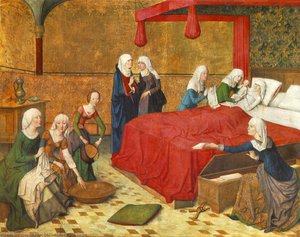
- The Birth of Mary
- Visitation
- Christ on the Cross
- Presentation in the Temple
- Place Of Birth: Cologne, Germany
Povezani članci
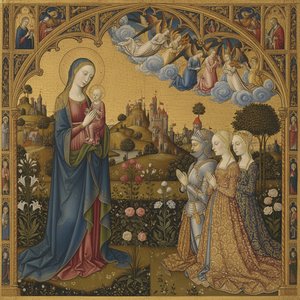
Beyond Borders: The Spiritual & Stylistic Innovations of International Gothic Art
Explore the exquisite beauty & spiritual depth of International Gothic art. Discover key artists like Simone Martini & Pol de Limbourg, its origins, symbolism, and lasting influence on European painting. Expert insights at ArtsDot.
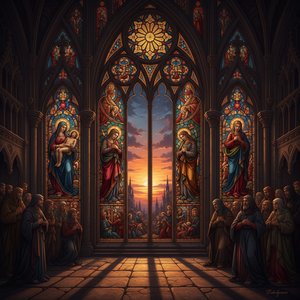
The Radiant Dusk of Medieval Vision: Exploring Late Gothic Art's Synthesis of Faith, Form & Emotionality (c. 1300-1500)
Explore the exquisite beauty & spiritual depth of Late Gothic art (c. 1300-1500). Discover key artists, symbolism, and its lasting influence on the Renaissance. Expert insights at ArtsDot.
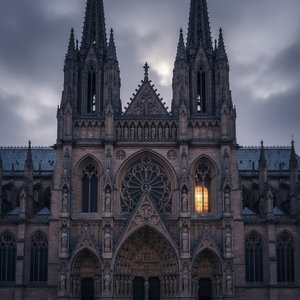
The Shadow of Faith: Exploring Gothic Art's Spiritual Intensity & Architectural Innovation
Explore the spiritual intensity & architectural innovation of Gothic art! Discover the symbolism behind cathedrals, stained glass & master artists like Giotto and Monet. A deep dive into medieval history & artistic expression.

Fra Anđeo: 25 Remek-dela Renesansnog Duha za Vaš Dom | ArtsDot
Uronite u svet Fra Anđela – 25 remek-dela renesansnog slikara. Otkrijte priče iza njegovih čuvenih fresaka i oltarskih slika, inspiracija za enterijer i duhovni mir. Kupite reprodukcije vrhunskog kvaliteta na ArtsDot.com!
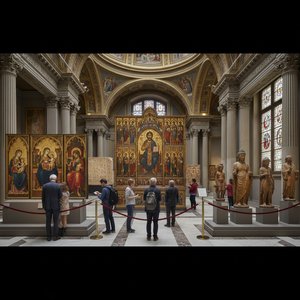
Sacred Narratives Embodied: A Comprehensive Exploration of Religious Iconography in Art History
Explore the rich history of religious iconography in art! Discover symbolism, movements & masterpieces from Byzantine to Renaissance periods. Expert insights for collectors and enthusiasts at ArtsDot.

