

 Pregledaj u prostoru
 Pošalji
 Podeli
 Detalji o delu

 Преузми
 Slični predmeti
 Rendgenski snimak
 Slajdovi
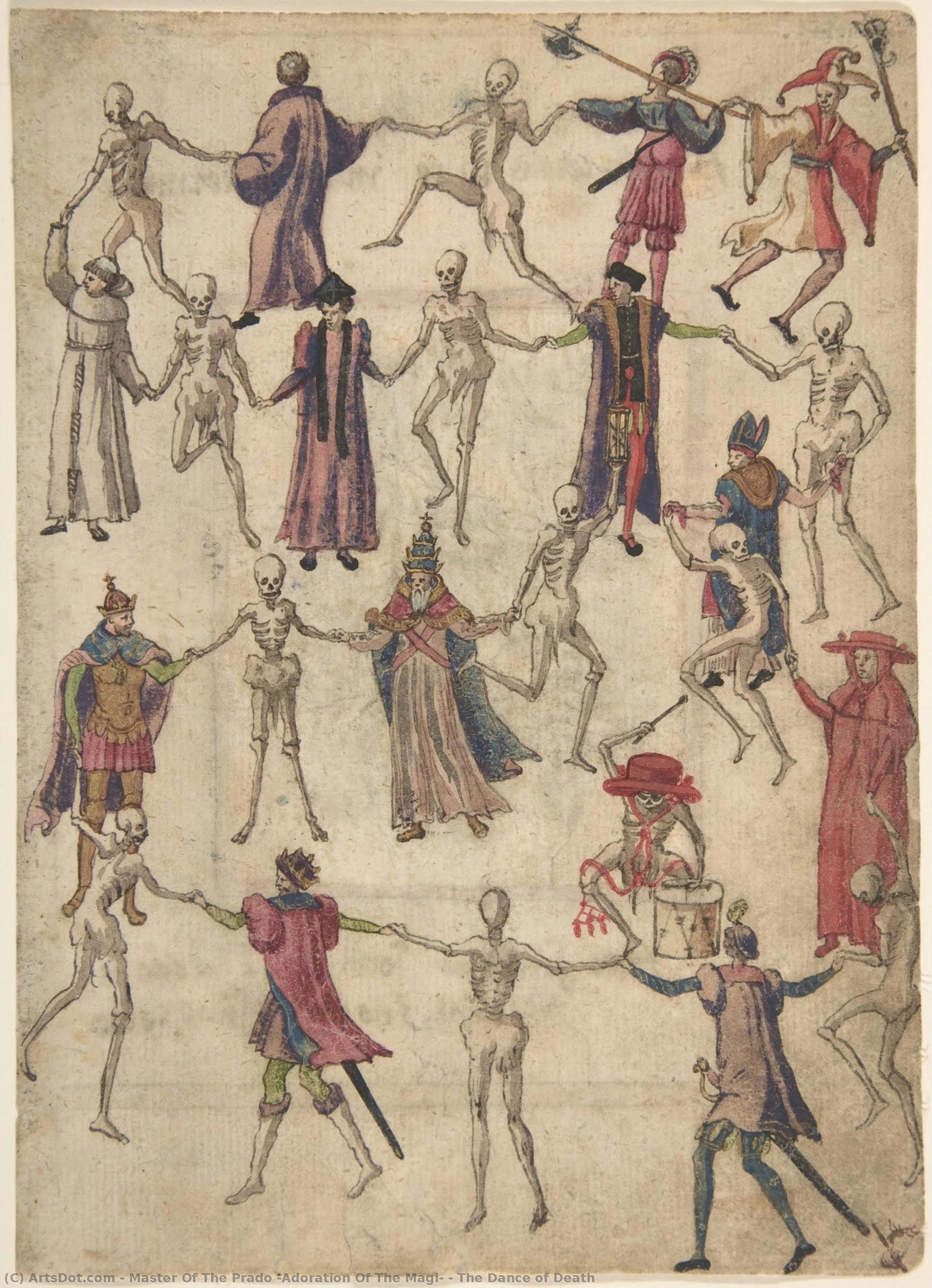
The Dance of Death
 Oil On Canvas
- WallArt
- Northern Renaissance
 1500
1500- Renaissance
 18.0 x 13.0 cm
 Metropolitan Museum of Art
 Pročitaj više
Ručno rađena uljana reprodukcija
Ručno oslikano uljanim bojama na platnu u dimenzijama i okviru po vašem izboru, izrađeno po porudžbini od strane naših umetnika. ( Kupi print Kupi digitalnu sliku)




P118B $10

P118H $10

P118W $10

P438Z $10

P508JH $12

P508YH $12

P805H $10

P805Z $10

P919BZ $10

P919G $10

P919XJ $10

P959ZH $10

P968JZ $12

W106C $8

W218G $10

W218JH $8

W218Y $10

W307PJ $10

W316G $10

W316PJ $8

W316Y $10

W398PJ $8

W4111J $10

W500HY $15

W500JH $15

W692G $12

W849H $8

W940BG $15

W953PJ $8




Izaberite jednu od naših unapred definisanih veličina koje odgovaraju originalnim proporcijama umetničkog dela.

Можете унети сопствене димензије како бисте прилагодили дело одређеном оквиру или простору. Ако одабрана величина не одговара пропорцијама оригинала, слика ће бити исечена или проширена додатним елементима који се ручно насликавају. Дигитални prikaz ће вам бити послат на одобрење пре почетка производње.
Имајте на уму да преглед на екрану не одражава стварно исецање или проширење. Само приказ (mockup) ће тачно приказати коначну композицију.
Иако су доступне прилагођене величине, препоручујемо да одаберете димензију из дефинисане листе како бисте сачували оригиналне пропорције.
Nakon narudžbine, tim ArtsDot.com će klijentu putem e-pošte poslati uputstva i dostaviti prikaz predloženog rešenja
Isporuka širom sveta () za 3/4 nedelje umesto uobičajenih 5 nedelja. (6 септембар). Bez kompromisa po pitanju kvaliteta.

Besplatna ekspresna dostava širom sveta

Visokokvalitetno laneno platno

Kompletno osiguranje transporta

Garancija povraćaja carine i uvoznih dažbina

Garancija vernosti boja

Politika povrata u roku od 100 dana (samo u slučaju nedostataka)

Garancija povrata novca od 100%

Popust pri grupnoj kupovini
 Opcija sa staklom dostupna je samo za dimenzije manje od 110 cm

The Dance of Death
Tehnika reprodukcije
Dimenzije reprodukcije
-


Konačna cena
$ 263
The Macabre Ballet: An Encounter with Mortality
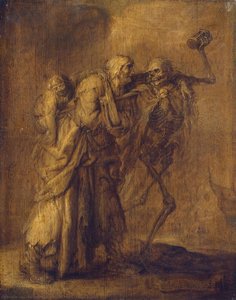
To gaze upon this depiction of The Dance of Death is to confront the most universal and inescapable truth of the human condition. It is a scene rendered not in hushed tones of piety, but in the dramatic, swirling energy of an eternal performance. Here, life itself seems to be put on display for judgment, or perhaps, simply for observation. The composition pulses with a macabre rhythm; skeletons, stripped bare of flesh and vanity, engage in elaborate, almost joyous dances. They are not merely representations of death, but active participants in a grand, inevitable procession that sweeps across the canvas.
Symbolism Woven into Bone and Brushstroke
The symbolism at play is profound and deeply rooted in the artistic anxieties of its time. The skeletons themselves serve as potent memento mori—a constant, stark reminder that earthly life is fleeting. They dance with an energy that belies their skeletal nature, suggesting that death itself is a universal equalizer, capable of drawing all beings into its rhythm. Contrasting this spectral revelry are the living figures gathered in the background. Their varied expressions—ranging from detached curiosity to outright apprehension—create a palpable tension between those who observe and those who are observed. This interplay speaks volumes about human vanity versus ultimate reality.
Mastery of Technique and Period Context
Created around the year 1500, this work emerges from an era when Netherlandish art was reaching breathtaking heights of detail and emotional intensity. While the artist's hand is associated with the vibrant palette of the Master of the Prado, this piece showcases a mastery over narrative drama. The technique employed allows for incredible differentiation between the textures—the implied softness of the onlookers’ garments against the stark, polished bone of the dancers. The composition is intricate, demanding that the viewer’s eye travel across multiple planes, from the sharply focused foreground figures to the receding depth populated by more spectral participants. It is a testament to an artist skilled in both meticulous detail and grand theatrical staging.
An Emotional Resonance for the Modern Collector
Owning a reproduction of this piece is not merely acquiring art; it is curating a moment of deep contemplation for your space. For the collector or designer, The Dance of Death offers unparalleled dramatic weight. It serves as a powerful focal point, injecting an intellectual and emotional depth into any room. While its subject matter confronts mortality head-on, the sheer artistry—the vibrant colorization, the dynamic poses, the masterful composition—transforms potential dread into breathtaking spectacle. It invites conversation, contemplation, and a profound appreciation for the cyclical nature of existence.
Srodna umetnička dela

Biografija umetnika
The Veiled Hand of the Netherlandish Master
In the twilight of the fifteenth century, amidst the bustling trade routes and burgeoning artistic fervor of the Southern Netherlands, an artist emerged whose name has been lost to the corridors of time, yet whose vision remains strikingly luminous. Known only as the Master of the Prado — Adoration of the Magi, this anonymous painter operated between approximately 1475 and 1500, leaving behind a legacy etched in vibrant pigments and profound devotion. While his personal identity remains shrouded in mystery, his presence is felt through the meticulous craftsmanship that defines the Early Netherlandish tradition. His work serves as a window into an era where the spiritual and the material were intricately woven together, capturing the sacred infancy of Christ with a clarity that transcends the centuries.A Symphony of Color and Sacred Detail
The artistry of this master is characterized by a breathtaking use of color and an almost obsessive attention to detail, qualities that were highly prized by the collectors of his age. His panels are not merely religious icons but immersive narratives that invite the viewer into the very heart of biblical events. In masterpieces such as the Adoration of the Magi and the Presentation in the Temple, one observes a mastery of light and texture that breathes life into every fold of fabric and every glint of gold.His technique reflects the profound influence of the Netherlandish school, where the pursuit of realism was matched only by the desire to evoke divine awe. The artist’s ability to render the tender moments of Christ's early life—the soft glow of skin, the intricate patterns of regal attire, and the atmospheric depth of the landscapes—demonstrates a sophisticated command over his medium. This dedication to detail allowed him to create scenes that were both deeply personal in their intimacy and grand in their theological significance.
Legacy and Enduring Influence
Though the master’s individual biography remains unwritten, his contribution to the evolution of Northern Renaissance art is undeniable. His works, which bridge the gap between the late Gothic style and the burgeoning influences of the Italian Renaissance, continue to captivate scholars and art enthusiasts alike. Today, his most significant contributions are preserved in prestigious institutions such as the Prado Museum in Madrid, where they stand as testaments to a period of unparalleled creative explosion. His ability to blend vibrant colorization with detailed scenes from the infancy of Christ ensures that his name, though anonymous, will forever be synonymous with the brilliance of the Netherlandish tradition.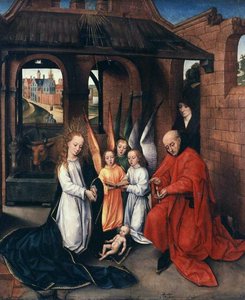
Osnovne informacije
- Artistic Movement Or Style: World Goes Pop
- Artists Or Movements Influenced By This Artist: ['Influenced by pop art movement']
- Artists Who Influenced This Artist: ['Influenced by diverse artists in The World Goes Pop exhibition']
- Date Of Death: Living
- Notable Artworks: ['Various works featured in The World Goes Pop exhibition']
- Place Of Birth: WahooArt
Povezani članci

Giclée Prints: Archival Quality & Aesthetic Nuances for the Discerning Collector
Explore the world of giclée prints with ArtsDot. Learn about archival quality, aesthetic nuances & investment potential. Expert guidance for discerning art collectors seeking museum-quality reproductions and lasting value.

The Enduring Legacy of Fine Art Prints: Technique, History & Aesthetic Impact
Explore the rich history & techniques of fine art prints. Discover investment potential, assess authenticity, and learn how to preserve your collection with expert guidance. Trusted insights for discerning collectors.

Echoes of Time: Exploring the Enduring Appeal & Historical Context of Vintage Art Prints
Explore the captivating world of vintage art prints! Discover their history, collecting tips & enduring appeal. Expert insights on chromolithography and building a legacy collection with ArtsDot.

Katsushika Hokusai: 25 Remek-dela Japanskog Umetnika za Vaš Dom | ArtsDot
Uronite u svet Katsushike Hokusaija! Otkrijte 25 remek-dela japanskog umetnika, uključujući čuveni 'Veliki talas'. Ukiyo-e štampe, pejzaži i istorija iza svakog dela. Pronađite inspiraciju za dekor enterijera i kupite reprodukcije slika vrhunskog kvaliteta na ArtsDot.com.
The Enduring Legacy of Printmaking: Techniques, Themes & Artistic Innovation Across Centuries
Explore the rich history of printmaking with ArtsDot. Discover techniques from intaglio to lithography, learn about collecting valuable prints & find museum-quality reproductions. Expert insights for art enthusiasts and collectors.