 Pregledaj u prostoru
 Pošalji
 Podeli
 Detalji o delu

 Преузми
 Slični predmeti
 Rendgenski snimak
 Slajdovi
Предање светог Гери


 Pročitaj više
Ručno rađena uljana reprodukcija
Ručno oslikano uljanim bojama na platnu u dimenzijama i okviru po vašem izboru, izrađeno po porudžbini od strane naših umetnika. ( Kupi print Kupi digitalnu sliku)




P118B $10

P118H $10

P118W $10

P438Z $10

P508JH $12

P508YH $12

P805H $10

P805Z $10

P919BZ $10

P919G $10

P919XJ $10

P959ZH $10

P968JZ $12

W106C $8

W218G $10

W218JH $8

W218Y $10

W307PJ $10

W316G $10

W316PJ $8

W316Y $10

W398PJ $8

W4111J $10

W500HY $15

W500JH $15

W692G $12

W849H $8

W940BG $15

W953PJ $8




Izaberite jednu od naših unapred definisanih veličina koje odgovaraju originalnim proporcijama umetničkog dela.

Можете унети сопствене димензије како бисте прилагодили дело одређеном оквиру или простору. Ако одабрана величина не одговара пропорцијама оригинала, слика ће бити исечена или проширена додатним елементима који се ручно насликавају. Дигитални prikaz ће вам бити послат на одобрење пре почетка производње.
Имајте на уму да преглед на екрану не одражава стварно исецање или проширење. Само приказ (mockup) ће тачно приказати коначну композицију.
Иако су доступне прилагођене величине, препоручујемо да одаберете димензију из дефинисане листе како бисте сачували оригиналне пропорције.
Nakon narudžbine, tim ArtsDot.com će klijentu putem e-pošte poslati uputstva i dostaviti prikaz predloženog rešenja
Isporuka širom sveta () za 3/4 nedelje umesto uobičajenih 5 nedelja. (27 август). Bez kompromisa po pitanju kvaliteta.

Besplatna ekspresna dostava širom sveta

Visokokvalitetno laneno platno

Kompletno osiguranje transporta

Garancija povraćaja carine i uvoznih dažbina

Garancija vernosti boja

Politika povrata u roku od 60 dana (samo u slučaju nedostataka)

Garancija povrata novca od 100%

Popust pri grupnoj kupovini
 Opcija sa staklom dostupna je samo za dimenzije manje od 110 cm

Предање светог Гери
Tehnika reprodukcije
Dimenzije reprodukcije
-


Konačna cena
$ 413
Opis umetničkog dela
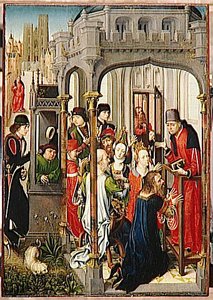
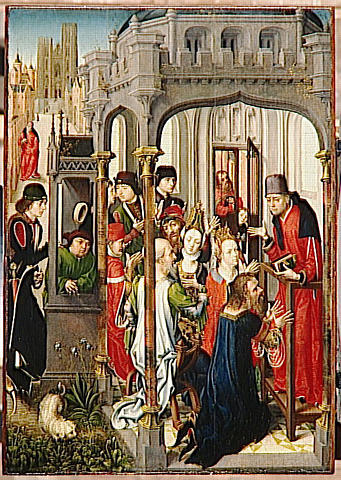
Predicación de San Gerónimo ( ) Dito Así También La Instrucción Pastoral
Predicación de San Gerónimo, obra maestra del maestro de la vista de Santa Gudula, nos ofrece una ventana fascinante al arte flamenco tardío y a las creencias religiosas de finales del siglo XV. Esta pintura monumental, cuyo origen exacto permanece envuelto en misterio, captura un momento clave en la tradición artística europea: una escena pastoral que invita a la reflexión sobre el papel de la iglesia y la importancia de la enseñanza espiritual. La composición compleja y detallada revela una habilidad excepcional por parte del artista, quien emplea técnicas innovadoras para transmitir profundidad emocional y narrativa. Los edificios arquitectónicos dominantes representan autoridad divina y establecen un marco simbólico para el evento representado – una instrucción pastoral ofrecida por San Gerónimo a una comunidad diversa compuesta por clérigos, nobles y ciudadanos comunes. Esta representación meticulosa de la vida cotidiana medieval refleja las preocupaciones culturales y sociales de la época. El maestro utilizó la técnica del temple sobre tabla de madera, aplicando capas sucesivas de pigmentos ricos en colores como el rojo intenso, el azul profundo y el verde luminoso para lograr efectos luminosos impresionantes. Observamos una aplicación cuidadosa de oro laminado en puntos estratégicos que resaltan figuras importantes y elementos arquitectónicos clave, añadiendo un elemento de prestigio y riqueza visual. Los detalles minuciosos en la ropa y las expresiones faciales muestran una comprensión profunda del retrato psicológico, característica del estilo artístico dominante en ese período. Más allá de su belleza estética, Predicación de San Gerónimo posee un significado simbólico profundo. La figura central de San Gerónimo, elevada sobre una plataforma, simboliza liderazgo religioso y guía espiritual. Los personajes que rodean al santo representan diferentes roles sociales y religiosos, subrayando la importancia del orden divino en la vida humana. Además, el perro situado en la esquina inferior izquierda puede interpretarse como símbolo de protección divina y vigilancia constante. Estos elementos contribuyen a crear una atmósfera de solemnidad y reverencia que sigue emocionando a los espectadores hasta nuestros días. Este impresionante cuadro es un testimonio excepcional de la maestría artística del maestro de la vista de Santa Gudula, quien logró capturar la esencia de su tiempo con una sensibilidad estética incomparable. Una reproducción de alta calidad ofrece la oportunidad de apreciar este icono artístico desde cualquier lugar del mundo y de llevar consigo el espíritu profundo de esta obra maestra medieval.Srodna umetnička dela
Biografija umetnika
The Enigmatic Master of the View of Saint Gudula: A Brussels Visionary
The identity of the “Master of the View of Saint Gudula,” a pivotal figure in 15th-century Flemish painting, remains tantalizingly elusive. Active primarily in Brussels between 1480 and 1499, this artist’s work—characterized by intimate portraits, serene religious scenes, and subtly integrated urban landscapes—has captivated scholars for centuries. While definitively pinning down his name or precise origins has proven difficult, a compelling body of evidence suggests he was a highly skilled painter deeply rooted in the artistic traditions of both Bruges and Antwerp, yet possessing a distinctly individual style.
Early speculation often linked him to Aert van den Bossche, due to stylistic similarities and a shared signature—“Harnoult van den Boske”—registered with the Bruges Guild of St. Luke in 1505. However, closer examination reveals subtle but crucial differences in palette, composition, and brushwork, leading many art historians to believe he represents a separate, albeit related, artistic lineage. Max J. Friedländer’s seminal work, “Early Netherlandish Painting,” played a significant role in establishing the Master of Saint Gudula as a distinct figure, grouping several works together based on stylistic coherence and identifying key influences – notably the meticulous realism and emotional depth of Rogier van der Weyden, alongside the refined elegance of Hans Memling.
A Portraitist of Prominence and Religious Devotion
The Master’s oeuvre is remarkably diverse, encompassing a range of subjects. He excelled in portraiture, producing exquisitely rendered depictions of prominent church patrons – individuals who commissioned works to secure their legacy and demonstrate piety. These portraits are not merely likenesses; they convey a sense of personality, social standing, and spiritual depth. His subjects often engage in contemplative gestures or hold symbolic objects, subtly reinforcing the themes of faith and virtue.
Alongside his portraiture, the Master created numerous religious paintings. These works frequently feature scenes from the lives of saints—particularly Saint Jerome, a favorite subject among Flemish artists—and biblical narratives. His depictions are characterized by a remarkable attention to detail, particularly in rendering fabrics, textures, and facial expressions. A notable example is “Young Man Holding a Book,” currently housed at The Metropolitan Museum of Art, which exemplifies his mastery of capturing psychological nuance and conveying a sense of quiet contemplation.
The Urban Canvas: Landscapes Woven into Religious Scenes
Perhaps the most distinctive aspect of the Master’s work is his incorporation of urban landscapes—specifically, the view of Saint Gudula's cathedral in Brussels—into his religious compositions. This seemingly minor detail elevates his paintings beyond mere devotional images; they become windows onto a specific time and place, offering glimpses into the daily life and architectural beauty of 15th-century Brussels. The precise construction of the belfry, visible in many of his works, provides a chronological marker, allowing scholars to date his activity with increasing accuracy.
The inclusion of these urban vistas suggests a deep connection between the artist and his city—a sense of belonging and an appreciation for its visual richness. It’s hypothesized that he may have trained with artists who specialized in landscape painting, or perhaps developed this technique independently, recognizing its potential to enrich and contextualize his religious subjects.
Influences and Legacy
The Master of the View of Saint Gudula stands as a crucial link between the more rigid conventions of Early Netherlandish art and the burgeoning naturalism that would characterize later generations. He absorbed influences from masters like Hans Memling, whose meticulous detail and refined elegance are evident in his work, while simultaneously forging his own unique artistic voice. His subtle use of color, his nuanced portrayal of human emotion, and his innovative integration of urban landscapes have left a lasting impact on Flemish painting.
Despite the ongoing debate surrounding his identity, the Master of the View of Saint Gudula remains an important figure in the history of art. His paintings offer a valuable insight into the cultural and artistic landscape of 15th-century Brussels—a testament to the skill, creativity, and enduring mystery of this enigmatic artist.
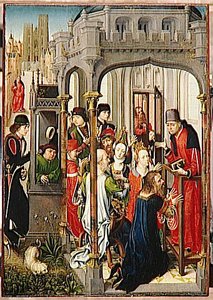
master of the view of saint gudule
1480 - 1499
Osnovne informacije
- Artistic Movement Or Style: Early Netherlandish
- Artists Or Movements Influenced By This Artist: ['Flemish Primitives']
- Artists Who Influenced This Artist: ['Rogier van der Weyden']
- Date Of Birth: 1480
- Date Of Death: 1499
- Full Name: Master of the View of Saint Gudula
- Nationality: Netherlandish
- Notable Artworks:
- Young Man Holding a Book
- Legend of Saint Barbara
- Place Of Birth: Brussels, Belgium
Povezani članci
High Medieval Art: 10 Masterpieces That Shaped an Era | ArtsDot
Journey through High Medieval Art! Explore 10 iconic masterpieces – from Giotto's frescoes to stunning Gothic cathedrals. Discover the stories behind these timeless paintings, sculptures & illuminated manuscripts. Find museum-quality art reproductions at ArtsDot.com.
Late Medieval Masterpieces: 10 Artworks That Defined an Era | ArtsDot
Journey through 10 defining Late Medieval masterpieces – from Giotto's frescoes to Jan van Eyck’s realism. Explore the stories, techniques & vibrant colors of Gothic art. Find museum-quality reproductions and elevate your home decor with ArtsDot.com! Discover all masterpieces on ArtsDot.com
Timeless Elegance: How to Integrate High Medieval Art into Your Modern Interior Design
Discover how to infuse your modern home with the divine light of High Medieval art. From gilded illuminated manuscripts to Gothic-inspired textures, learn expert tips for integrating timeless elegance and historical grandeur into contemporary interior design.
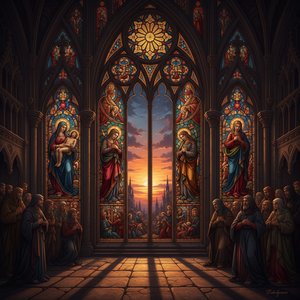
The Radiant Dusk of Medieval Vision: Exploring Late Gothic Art's Synthesis of Faith, Form & Emotionality (c. 1300-1500)
Explore the exquisite beauty & spiritual depth of Late Gothic art (c. 1300-1500). Discover key artists, symbolism, and its lasting influence on the Renaissance. Expert insights at ArtsDot.
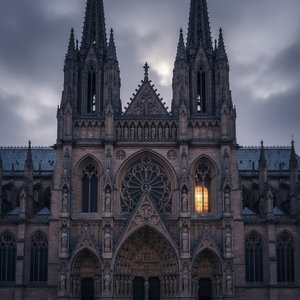
The Shadow of Faith: Exploring Gothic Art's Spiritual Intensity & Architectural Innovation
Explore the spiritual intensity & architectural innovation of Gothic art! Discover the symbolism behind cathedrals, stained glass & master artists like Giotto and Monet. A deep dive into medieval history & artistic expression.