

 Pregledaj u prostoru
 Pošalji
 Podeli
 Detalji o delu

 Преузми
 Slični predmeti
 Rendgenski snimak
 Slajdovi
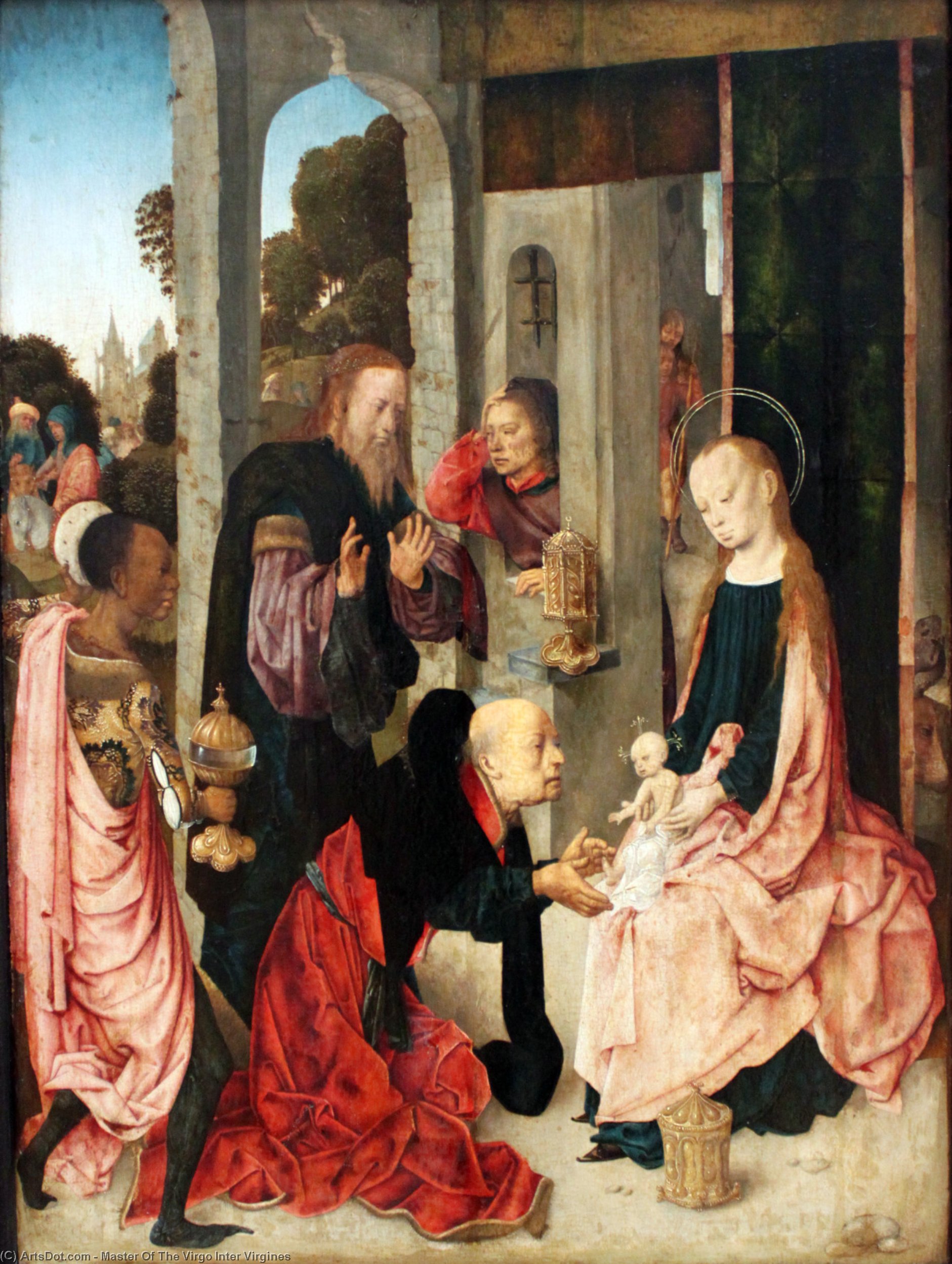
Adoration of the Magi
 Oil
Oil- WallArt
- Netherlandish realism
 1485
1485- Renaissance
 63.0 x 48.0 cm
 Staatliche Museen zu Berlin
 Pročitaj više
Giclee štampa / Umetnički otisak
Giclée štampa ili print na platnu muzejskog kvaliteta uz brzu proizvodnju i fleksibilne opcije završne obrade. ( Kupi ručno naslikanu sliku Kupi digitalnu sliku)




P118B $10

P118H $10

P118W $10

P438Z $10

P508JH $12

P508YH $12

P805H $10

P805Z $10

P919BZ $10

P919G $10

P919XJ $10

P959ZH $10

P968JZ $12

W106C $8

W218G $10

W218JH $8

W218Y $10

W307PJ $10

W316G $10

W316PJ $8

W316Y $10

W398PJ $8

W4111J $10

W500HY $15

W500JH $15

W692G $12

W849H $8

W940BG $15

W953PJ $8




Izaberite jednu od naših unapred definisanih veličina koje odgovaraju originalnim proporcijama umetničkog dela.

Možete uneti sopstvene dimenzije kako biste umetničko delo prilagodili specifičnom okviru ili prostoru. Ako odabrani format ne odgovara proporcijama originalne slike, mi ćemo ili iscrtati deo dela ili proširiti sliku pomoću ogledane ivice ili jednobojnog popunjavanja. Digitalni prikaz će vam biti poslat na odobrenje pre početka proizvodnje.
Imajte na umu da pregled na ekranu ne odražava stvarno iscrtavanje ili proširivanje. Samo će prikaz (mockup) precizno pokazati finalnu kompoziciju.
Iako su prilagođene dimenzije dostupne, preporučujemo da odaberete dimenziju sa unapred definisane liste kako biste očuvali originalne proporcije.
Dostava širom sveta () za 2 nedelje umesto uobičajenih 4/5 nedelja. (1 септембар)

Besplatna ekspresna dostava širom sveta

Visokokvalitetno laneno platno

Kompletno osiguranje transporta

Garancija povraćaja carine i uvoznih dažbina

Garancija vernosti boja

Politika povrata u roku od 60 dana (samo u slučaju nedostataka)

Garancija povrata novca od 100%

Popust pri grupnoj kupovini
 Opcija sa staklom dostupna je samo za dimenzije manje od 110 cm

Adoration of the Magi
Giclee štampa / Umetnički otisak
Dimenzije reprodukcije
-


Konačna cena
$ 62
Srodna umetnička dela
Biografija umetnika
The Enigmatic Shadow of the Netherlandish Renaissance
In the annals of fifteenth-century Northern European art, few figures possess a presence as haunting and elusive as the Master of the Virgo inter Virgines. A painter whose true name has been swallowed by the mists of time, he remains a phantom of the Dutch School, known only through the profound impact of his surviving works. Active primarily around Delft between the late 1480s and the dawn of the sixteenth century, this unnamed creator carved out a niche defined by an uncompromising commitment to realism. While many of his contemporaries leaned into the decorative flourishes of the late Gothic or the emerging Mannerist tendencies, this Master sought something deeper: a visceral, unadorned truth that captured the weight of human suffering and the quiet sanctity of divine grace.
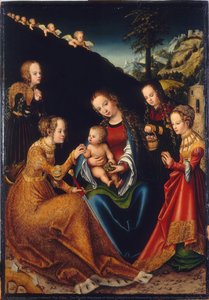
The very identity of the artist is inextricably linked to one of the most celebrated altarpieces in the Rijksmuseum collection. The Virgin and Child with Four Holy Virgins, a monumental work completed around 1490, serves as the cornerstone of his known oeuvre. This piece, which once graced the convent of Koningsveld, showcases a painter capable of orchestrating complex theological narratives through a lens of stark naturalism. In this sacred gathering of Saint Catherine, Cecilia, Ursula, and Barbara, we see not just icons, but breathing, emotive figures rendered with an anatomical precision that was revolutionary for its time. It is through this singular masterpiece that art historians first began to distinguish his hand from the broader, more stylized traditions of the era.
A Legacy Forged in Realism and Devotion
The stylistic evolution of the Master suggests a profound engagement with the masters of the Ghent-Bruges school. Scholars often point to the expressive, heavy-set figures of Hugo van der Goes and the contemplative stillness found in the works of Dirk Bouts as primary influences that shaped his aesthetic. From these predecessors, he inherited a fascination with the psychological depth of his subjects, yet he departed from them by stripping away much of the ornamental excess. His work is characterized by a somber palette—deep earth tones, muted blues, and the stark, pale light that illuminates flesh in moments of profound vulnerability.
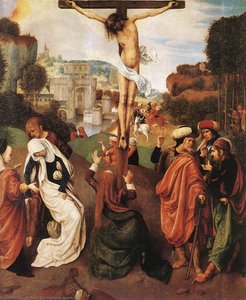
Beyond the celestial calm of his Marian compositions, the Master demonstrated a remarkable ability to navigate the darkest corridors of Christian iconography. His depictions of the Crucifixion and the Lamentation over the Dead Christ reveal an artist obsessed with the physical reality of sacrifice. In these works, the viewer is not merely a spectator to a religious event but a witness to the palpable weight of mortality. The handling of flesh tones in his more tragic scenes avoids idealization; instead, he captures the strain of muscle and the pallor of death, creating a symphony of grief that resonates with an almost modern intensity.
The historical significance of the Master of the Virgo inter Virgines lies in his role as a bridge between the medieval and the early modern. His contributions to both painting and the design of woodcuts helped establish a foundation for the Dutch tradition of realism that would flourish in later centuries. Though his biography remains a collection of scholarly fragments and educated guesses, his artistic voice remains unmistakable:
- Uncompromising Naturalism: A rejection of decorative artifice in favor of anatomical and emotional truth.
- Psychological Depth: The ability to convey complex internal states through subtle gesture and gaze.
- Mastery of Light and Texture: Using a somber, focused palette to heighten the spiritual gravity of his subjects.
Osnovne informacije
- Artistic Movement Or Style: Realism
- Artists Or Movements Influenced By This Artist: ['Dutch School']
- Artists Who Influenced This Artist:
- Hugo van der Goes
- Geertgen tot Sint Jans
- Full Name: Master of the Virgo inter Virgines
- Nationality: Dutch
- Notable Artworks:
- Virgin and Child with Sts Catherine, Cecilia, Barbara, and Ursula
- Crucifixion
- Place Of Birth: Delft
Povezani članci
Romantic Realism's Finest: 10 Masterpieces for Your Home | ArtsDot
Explore 10 defining masterpieces of Romantic Realism! Discover Courbet, Millet & Daumier's powerful paintings—capturing emotion and social realities. Find museum-quality reproductions for your home at ArtsDot.com.
Late Medieval Masterpieces: 10 Artworks That Defined an Era | ArtsDot
Journey through 10 defining Late Medieval masterpieces – from Giotto's frescoes to Jan van Eyck’s realism. Explore the stories, techniques & vibrant colors of Gothic art. Find museum-quality reproductions and elevate your home decor with ArtsDot.com! Discover all masterpieces on ArtsDot.com

High Medieval Art: 10 Masterpieces That Shaped an Era | ArtsDot
Journey through High Medieval Art! Explore 10 iconic masterpieces – from Giotto's frescoes to stunning Gothic cathedrals. Discover the stories behind these timeless paintings, sculptures & illuminated manuscripts. Find museum-quality art reproductions at ArtsDot.com.

Echoes of Society: Exploring Social Realism's Enduring Legacy in Art
Explore the powerful world of Social Realism art! Discover key artists, masterpieces & its profound social commentary. Expert insights into this influential movement's history and enduring legacy.
Early Netherlandish Masters: 10 Paintings That Revolutionized Art & Decor
Journey into the Early Netherlandish Renaissance! Explore 10 iconic paintings by Jan van Eyck, Rogier van der Weyden & more. Discover stunning detail, symbolism, and oil painting techniques. Find museum-quality art reproductions for your home at ArtsDot.com.

