

 Pregledaj u prostoru
 Pošalji
 Podeli
 Detalji o delu

 Преузми
 Slični predmeti
 Rendgenski snimak
 Slajdovi
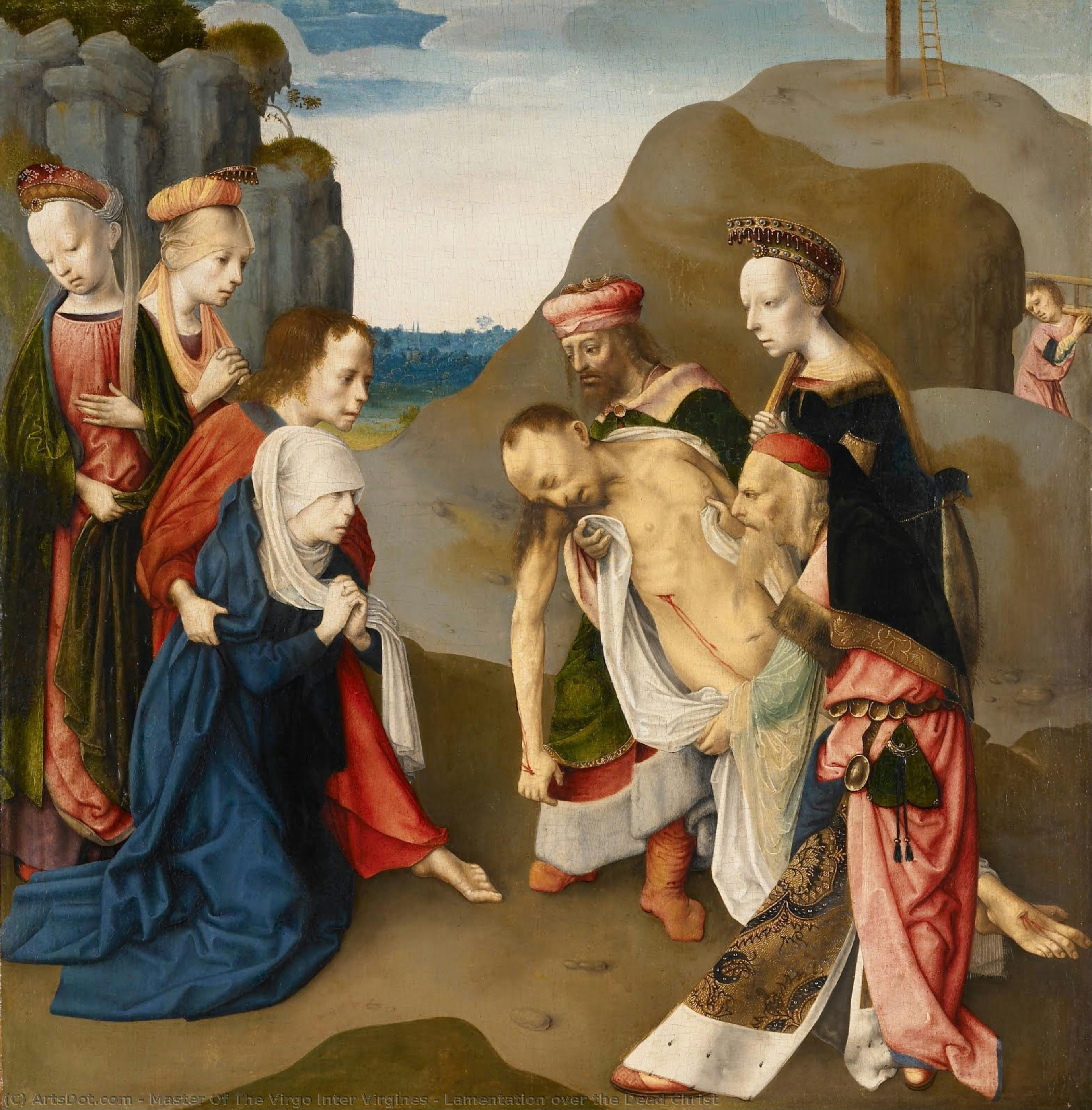
Lamentation over the Dead Christ
 Oil
Oil- WallArt
- Netherlandish realism
 1487
1487- Renaissance
 5630.0 x 5520.0 cm
 Walker Art Gallery
 Pročitaj više
Ručno rađena uljana reprodukcija
Ručno oslikano uljanim bojama na platnu u dimenzijama i okviru po vašem izboru, izrađeno po porudžbini od strane naših umetnika. ( Kupi print Kupi digitalnu sliku)




P118B $10

P118H $10

P118W $10

P438Z $10

P508JH $12

P508YH $12

P805H $10

P805Z $10

P919BZ $10

P919G $10

P919XJ $10

P959ZH $10

P968JZ $12

W106C $8

W218G $10

W218JH $8

W218Y $10

W307PJ $10

W316G $10

W316PJ $8

W316Y $10

W398PJ $8

W4111J $10

W500HY $15

W500JH $15

W692G $12

W849H $8

W940BG $15

W953PJ $8




Izaberite jednu od naših unapred definisanih veličina koje odgovaraju originalnim proporcijama umetničkog dela.

Можете унети сопствене димензије како бисте прилагодили дело одређеном оквиру или простору. Ако одабрана величина не одговара пропорцијама оригинала, слика ће бити исечена или проширена додатним елементима који се ручно насликавају. Дигитални prikaz ће вам бити послат на одобрење пре почетка производње.
Имајте на уму да преглед на екрану не одражава стварно исецање или проширење. Само приказ (mockup) ће тачно приказати коначну композицију.
Иако су доступне прилагођене величине, препоручујемо да одаберете димензију из дефинисане листе како бисте сачували оригиналне пропорције.
Nakon narudžbine, tim ArtsDot.com će klijentu putem e-pošte poslati uputstva i dostaviti prikaz predloženog rešenja
Isporuka širom sveta () za 3/4 nedelje umesto uobičajenih 5 nedelja. (23 август). Bez kompromisa po pitanju kvaliteta.

Besplatna ekspresna dostava širom sveta

Visokokvalitetno laneno platno

Kompletno osiguranje transporta

Garancija povraćaja carine i uvoznih dažbina

Garancija vernosti boja

Politika povrata u roku od 60 dana (samo u slučaju nedostataka)

Garancija povrata novca od 100%

Popust pri grupnoj kupovini
 Opcija sa staklom dostupna je samo za dimenzije manje od 110 cm

Lamentation over the Dead Christ
Tehnika reprodukcije
Dimenzije reprodukcije
-


Konačna cena
$ 263
Opis umetničkog dela
A Somber Symphony of Grief
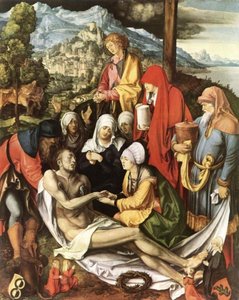
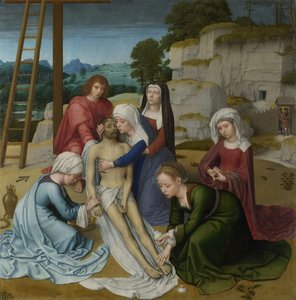
In the quiet, heavy atmosphere of the late fifteenth century, a profound stillness settles over the canvas of Lamentation over the Dead Christ. This evocative masterpiece, attributed to the enigmatic Master of the Virgo inter Virgines, captures one of the most poignant moments in Christian iconography: the mourning of Christ following his descent from the cross. The scene is not merely a depiction of death, but a visceral exploration of human sorrow. As we gaze upon the figures gathered around the lifeless body, we are drawn into a tight-knit circle of grief, where every bowed head and tear-streaked face serves as a mirror to our own capacity for loss. The composition, anchored by the pale, limp form of Christ, creates a powerful focal point that commands the viewer's immediate emotional attention.
The artist’s technique reflects the burgeoning realism of the Netherlandish tradition, moving away from the stylized elegance of earlier eras toward a more grounded, tactile reality. Through meticulous brushwork, the Master brings to life the textures of heavy drapery, the ruggedness of the hillside, and the delicate, translucent quality of skin in the throes of mourning. The lighting plays a crucial role in this narrative; it does not merely illuminate the scene but seems to emanate from the tragedy itself, casting soft shadows that deepen the folds of cloth and the hollows of eyes. This mastery of light and shadow—a precursor to the dramatic chiaroscuro seen in later centuries—imbues the work with a sculptural weight, making the figures feel present, breathing, and profoundly human.
Symbolism and the Weight of Devotion
Beyond its surface-level tragedy, the painting is rich with the symbolic language characteristic of the Dutch School. The arrangement of the nine visible figures is far from accidental; it creates a rhythmic movement of sorrow that guides the eye through the landscape of death. Each individual, from those kneeling in fervent prayer to those standing in silent contemplation, represents a different facet of devotion and communal mourning. The hillside setting, while providing a sense of place, also serves as a symbolic boundary between the earthly realm of suffering and the divine promise of resurrection. The starkness of the landscape emphasizes the isolation of death, yet the closeness of the group suggests that even in the deepest darkness, humanity finds solace in shared experience.
For the discerning collector or interior designer, this piece offers more than just historical significance; it provides a profound emotional anchor for any space. A high-quality reproduction of this work brings a sense of timelessness and contemplative depth to a room. Whether placed in a quiet study, a grand gallery, or a sophisticated living area, the Lamentation over the Dead Christ acts as a window into the soul of the Renaissance. It invites conversation, prompts reflection, and adds a layer of intellectual and spiritual gravity to an environment. To possess such a work is to hold a piece of history that continues to resonate with the universal themes of love, loss, and the enduring strength of the human spirit.
Srodna umetnička dela
Biografija umetnika
The Enigmatic Master of the Virgo Inter Virgines
The Master of the Virgo inter Virgines remains one of the most elusive figures in fifteenth-century Netherlandish art, a painter whose identity has stubbornly resisted definitive attribution despite decades of scholarly investigation. His name derives from an iconic altarpiece housed in Amsterdam’s Rijksmuseum – *The Virgin and Child with Four Holy Virgins*, completed around 1490 – a work that immediately established him as a pioneer of realism within the burgeoning Dutch School, marking a decisive break from the prevailing Mannerist tendencies prevalent across Europe. Despite numerous attempts to pinpoint his origins and trace his artistic lineage, his true identity continues to elude researchers, cementing his place as a shadowy presence in art history.- Early Life & Artistic Training: Precise biographical details concerning the Master’s formative years are scarce. Evidence suggests he was born sometime around 1460/65, likely in Delft, though definitive documentation is lacking. His artistic training remains shrouded in mystery, with speculation centering on influences from Ghent – specifically Hugo van der Goes and Dirk Bouts – whose expressive figures profoundly impacted his stylistic approach.
- The Virgo Inter Virgines Altarpiece: This monumental panel constitutes the cornerstone of our understanding of the Master’s oeuvre. Executed circa 1490, it exemplifies his uncompromising commitment to naturalism, eschewing decorative embellishments in favor of stark realism and conveying profound emotional depth through masterful use of color and composition. The altarpiece's dramatic depiction of Christ’s Passion – featuring a crucified figure surrounded by grieving Mary and saints – showcases the Master’s unparalleled skill in capturing human emotion and anatomical accuracy.
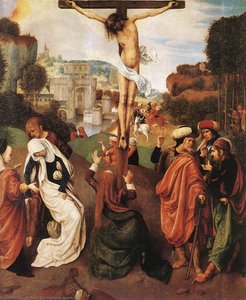
- A Corpus of Diverse Works: Beyond *The Virgin and Child*, the Master produced approximately twenty paintings, demonstrating remarkable versatility across genres and subjects. These include depictions of biblical scenes—such as *The Crucifixion* (Bowes Museum) and *The Entombment* (Walker Art Gallery)—as well as portraits and landscapes. Notably, he collaborated extensively with engravers, producing numerous woodcuts for publications that circulated throughout Europe during his lifetime.
- Delft & The Dutch School: The Master’s workshop was centered in Delft, a city undergoing rapid urbanization and artistic transformation during the late fifteenth century. He stands as one of the foremost representatives of the nascent Dutch School, which distinguished itself from its continental counterparts by prioritizing naturalistic observation and rejecting Mannerist conventions—such as stylized drapery and artificial perspective—in favor of clarity and emotional sincerity.
- Legacy & Influence: The Master’s stylistic innovations profoundly shaped the trajectory of Netherlandish painting in subsequent decades. His unwavering dedication to realism served as a catalyst for artistic experimentation and established him as a precursor to generations of artists who would champion naturalism as the highest form of artistic expression. Though his identity remains elusive, his enduring legacy continues to inspire admiration and scholarly debate—a testament to the power of art to transcend time and captivate audiences across centuries.
- Kren, Rudolf & Marx, Norbert. “Fifteenth-century Netherlandish painting at the Museo Nacional del Prado.” Museo del Prado, 2024, p. 284.
Osnovne informacije
- Artistic Movement Or Style: Realism
- Artists Or Movements Influenced By This Artist: ['Dutch School']
- Artists Who Influenced This Artist:
- Hugo van der Goes
- Geertgen tot Sint Jans
- Full Name: Master of the Virgo inter Virgines
- Nationality: Dutch
- Notable Artworks:
- Virgin and Child with Sts Catherine, Cecilia, Barbara, and Ursula
- Crucifixion
- Place Of Birth: Delft
Povezani članci
Romantic Realism's Finest: 10 Masterpieces for Your Home | ArtsDot
Explore 10 defining masterpieces of Romantic Realism! Discover Courbet, Millet & Daumier's powerful paintings—capturing emotion and social realities. Find museum-quality reproductions for your home at ArtsDot.com.
Early Netherlandish Masters: 10 Paintings That Revolutionized Art & Decor
Journey into the world of Early Netherlandish painting! Explore 10 masterpieces by Jan van Eyck, Rogier van der Weyden & more. Discover stunning detail, symbolism & Renaissance art for your home decor. Find museum-quality reproductions on ArtsDot.com
Somber Masterpieces: 10 Artworks That Stir the Soul |
Delve into 10 somber masterpieces by Rembrandt, Munch & Van Gogh. Explore emotional art history, dark palettes & powerful expression. Find museum-quality reproductions & curated wall decor ideas at . Discover all masterpieces online.
Jan Gossart: Bridging Netherlandish Realism & Renaissance Humanism – A Comprehensive Exploration
Explore the captivating world of Jan Gossart, a pivotal figure bridging Netherlandish realism & Renaissance humanism. Discover his masterpieces, patronage, and lasting influence – an essential guide for discerning art collectors.
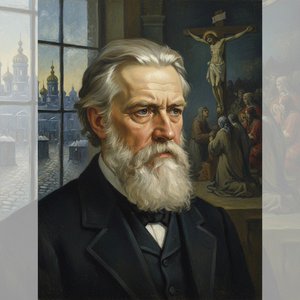
Nikolai Ge: Realism, Religious Struggle & the Psychological Portrait of 19th-Century Russia
Explore the profound works of Nikolai Ge, a pivotal figure in Russian realism. Discover his powerful religious paintings, insightful portraits & enduring legacy. Find high-quality reproductions at ArtsDot.

