

 Pregledaj u prostoru
 Pošalji
 Podeli
 Detalji o delu

 Преузми
 Slični predmeti
 Rendgenski snimak
 Slajdovi
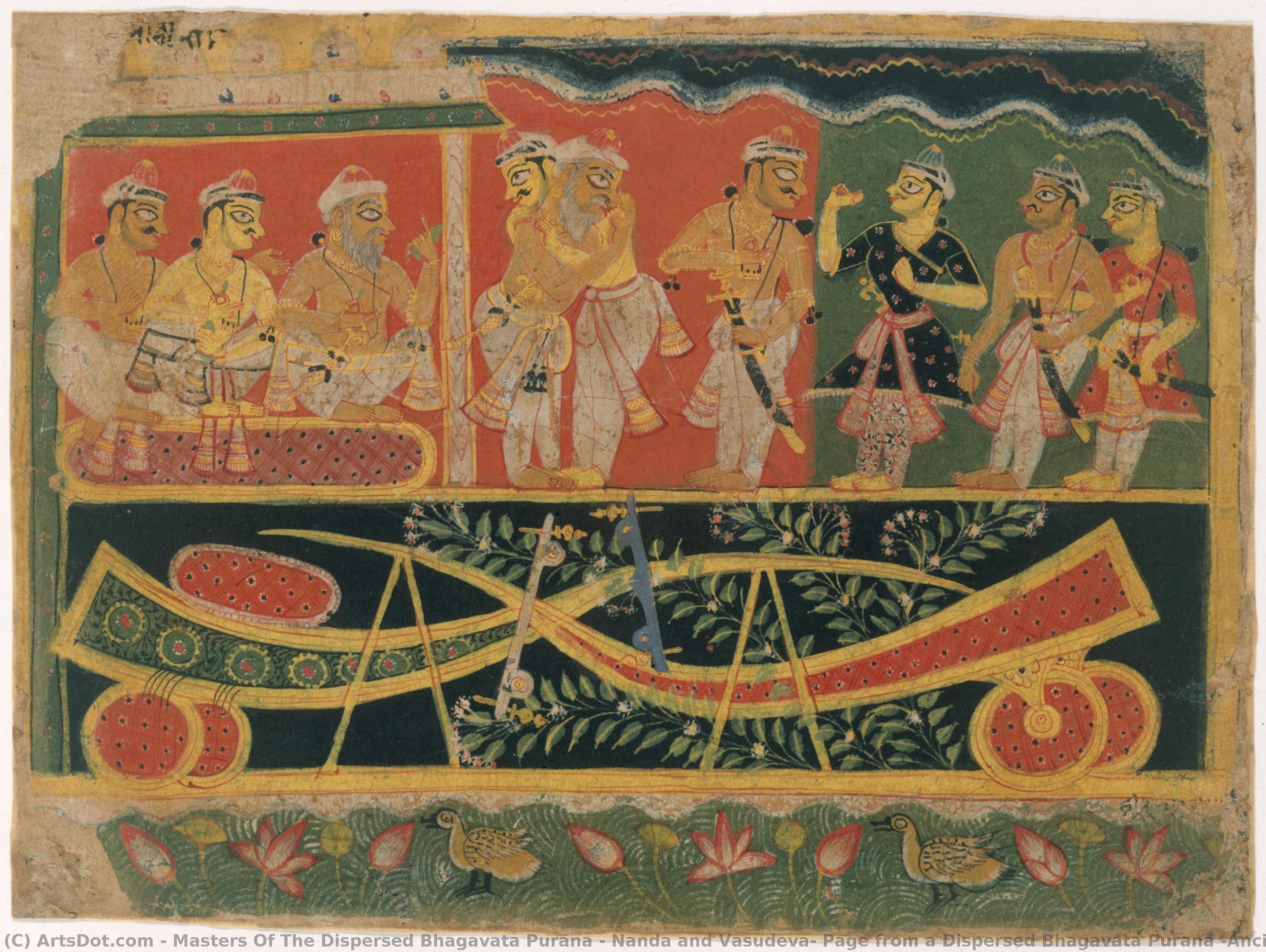
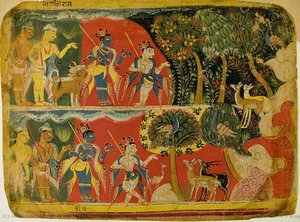
Nanda and Vasudeva: Page from a Dispersed Bhagavata Purana (Ancient Stories of Lord Vishnu)
 Rajput Painting
 1520
1520 18.0 x 24.0 cm
 Pročitaj više
Ručno rađena uljana reprodukcija
Ručno oslikano uljanim bojama na platnu u dimenzijama i okviru po vašem izboru, izrađeno po porudžbini od strane naših umetnika. ( Kupi print Kupi digitalnu sliku)




































Izaberite jednu od naših unapred definisanih veličina koje odgovaraju originalnim proporcijama umetničkog dela.

Можете унети сопствене димензије како бисте прилагодили дело одређеном оквиру или простору. Ако одабрана величина не одговара пропорцијама оригинала, слика ће бити исечена или проширена додатним елементима који се ручно насликавају. Дигитални prikaz ће вам бити послат на одобрење пре почетка производње.
Имајте на уму да преглед на екрану не одражава стварно исецање или проширење. Само приказ (mockup) ће тачно приказати коначну композицију.
Иако су доступне прилагођене величине, препоручујемо да одаберете димензију из дефинисане листе како бисте сачували оригиналне пропорције.
Nakon narudžbine, tim ArtsDot.com će klijentu putem e-pošte poslati uputstva i dostaviti prikaz predloženog rešenja
Isporuka širom sveta () za 3/4 nedelje umesto uobičajenih 5 nedelja. (6 септембар). Bez kompromisa po pitanju kvaliteta.

Besplatna ekspresna dostava širom sveta

Visokokvalitetno laneno platno

Kompletno osiguranje transporta

Garancija povraćaja carine i uvoznih dažbina

Garancija vernosti boja

Politika povrata u roku od 100 dana (samo u slučaju nedostataka)

Garancija povrata novca od 100%

Popust pri grupnoj kupovini
 Opcija sa staklom dostupna je samo za dimenzije manje od 110 cm

Nanda and Vasudeva: Page from a Dispersed Bhagavata Purana (Ancient Stories of Lord Vishnu)
Tehnika reprodukcije
Dimenzije reprodukcije
-


Konačna cena
$ 388
Srodna umetnička dela
Biografija umetnika
The Masters of the Dispersed Bhagavata Purana: Guardians of Krishna’s Narrative
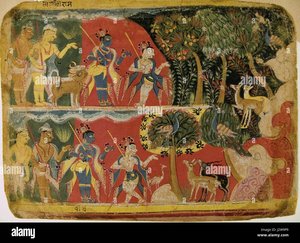
The Masters of the Dispersed Bhagavata Purana represent a singular flowering of artistic talent in Gujarat, India, emerging during the vibrant cultural window of circa 1520–1540. This group of artists—whether a collective workshop or a lineage of skilled craftsmen—achieved remarkable renown for their exquisitely detailed illustrations that breathed life into the epic tales of Krishna’s divine exploits. Their work serves as a luminous bridge in the history of Indian miniature painting, marking a crucial juncture where indigenous traditions began to merge with broader stylistic currents, creating a visual language that was both deeply spiritual and technically sophisticated.
The origins of these masters are rooted in the rich cultural landscape of 16th-century India, specifically within the traditions that would later be identified with the early Rajput-Chaurapanchasika style. While scholarly debate continues regarding their exact geographic center, much of their influence is linked to the Delhi-Agra area and the flourishing trade routes of Gujarat. This was an era of profound artistic convergence; as the Mughal influence began to permeate the subcontinent, these artists skillfully integrated elements of Persian miniature painting—such as refined linework and complex spatial arrangements—with the robust, emotive energy of local Hindu traditions. Their work does not merely illustrate text; it creates a sacred space where the divine and the earthly intersect through color and form.
A Symphony of Line and Color
The distinctive artistic style of the Masters is characterized by an unwavering confidence in silhouette and a mastery of rhythmic patterning. They possessed a unique ability to delineate figures with bold, assertive lines that captured the very essence of their subjects, from the blue-skinned Krishna to the powerful Balarama. Their technique relied heavily on the use of ink and opaque watercolor on paper, a medium they employed to achieve breathtaking textural effects and luminous tonal gradations. Unlike later styles that might favor soft atmospheric blurring, the Masters embraced a certain clarity and geometric precision, often utilizing a strong but limited palette to direct the viewer's eye through complex narrative compositions.
In their hands, color became a tool for both storytelling and temporal division. The use of deep, saturated hues—such as indigo, crimson, and ochre—was punctuated by strategic highlights that brought movement to the page. Their compositions often featured:
- Dynamic Silhouetting: Figures were rendered with sharp contours that allowed them to stand out against intricate backgrounds.
- Robust Patterning: The use of repetitive, decorative motifs in clothing and landscapes to create a sense of rhythmic vitality.
- Compartmentalized Narratives: A sophisticated method of organizing space where different moments in time or different locations within a single scene are framed by landscape elements like rivers or palace walls.
Legacy and Historical Significance
The historical significance of the Masters of the Dispersed Bhagavata Purana lies in their role as the architects of one of the earliest surviving illustrated versions of the Tenth Book of the Bhagavata Purana. Their folios, though now dispersed across prestigious institutions like the Metropolitan Museum of Art and the Museum Rietberg, remain a cohesive testament to a period of intense creative evolution. They laid the groundwork for the later, more famous Mewari and Rajput schools by demonstrating how manuscript illumination could transcend simple decoration to become a profound medium for theological expression.
Through their meticulous devotion to detail and their ability to capture the divine drama of Krishna's life, these artists ensured that the sacred narratives would endure. Their work remains a vital subject of study for art historians seeking to understand the transition from early medieval Indian painting to the highly refined imperial styles of the Mughal era. In every bold stroke and vibrant wash of color, the Masters of the Dispersed Bhagavata Purana continue to invite the viewer into a world of eternal myth and unparalleled beauty.
masters of the dispersed bhagavata purana
1520 - , India
Osnovne informacije
- Artistic Movement Or Style: Robust patterning; Watercolor technique
- Artists Or Movements Influenced By This Artist: ['Hindu Art']
- Artists Who Influenced This Artist: ['Precisionist Movement']
- Date Of Birth: Gujarat, India (1520)
- Date Of Death: Living
- Full Name: Masters of the Dispersed Bhagavata Purana
- Nationality: Indian
- Notable Artworks:
- Krishna and Balarama Taking the Cattle to Graze
- Nanda and Vasudeva
- Place Of Birth: Gujarat
Povezani članci
Echoes of Olympus: Mythological Narratives in Western Art Through the Ages
Explore the captivating history of mythological narratives in Western art! From ancient Greece to modern masterpieces, discover iconic artworks & symbolism. Expert analysis and high-quality reproductions at ArtsDot.
Tkajući Lične Mitosove u Simboličke Forme: Naručivanje Uljanih Slika kao Izraz Individualne Mitologije
Naručite unikatnu uljanu sliku koja odražava vaš lični mitos! Ekskluzivni umetnici, vrhunski kvalitet i personalizovani pristup. Investirajte u umetničko delo koje će trajati generacijama.
Jan van Kessel the Elder: A Baroque Master of Floral Still Life & Miniature Portraiture
Discover the exquisite detail of Jan van Kessel the Elder's Baroque floral still lifes & captivating miniatures. Explore his artistic legacy, scientific precision, and lasting influence on 17th-century Flemish painting.
Franz von Stuck: Symbolism, Decadence & the Pursuit of Ideal Beauty
Explore the captivating world of Franz von Stuck, a leading Symbolist painter. Discover his mythological masterpieces, decadent themes, & investment potential. Expert analysis for discerning collectors.
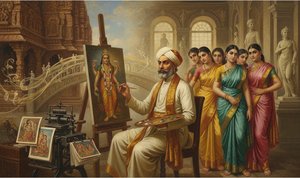
Raja Ravi Varma: Bridging Tradition & Modernity in 19th-Century Indian Art
Explore the life & art of Raja Ravi Varma, a pioneer who fused European techniques with Indian iconography. Discover his iconic paintings, lasting legacy, and influence on modern Indian art at ArtsDot.