

 Pregledaj u prostoru
 Pošalji
 Podeli
 Detalji o delu

 Преузми
 Slični predmeti
 Rendgenski snimak
 Slajdovi
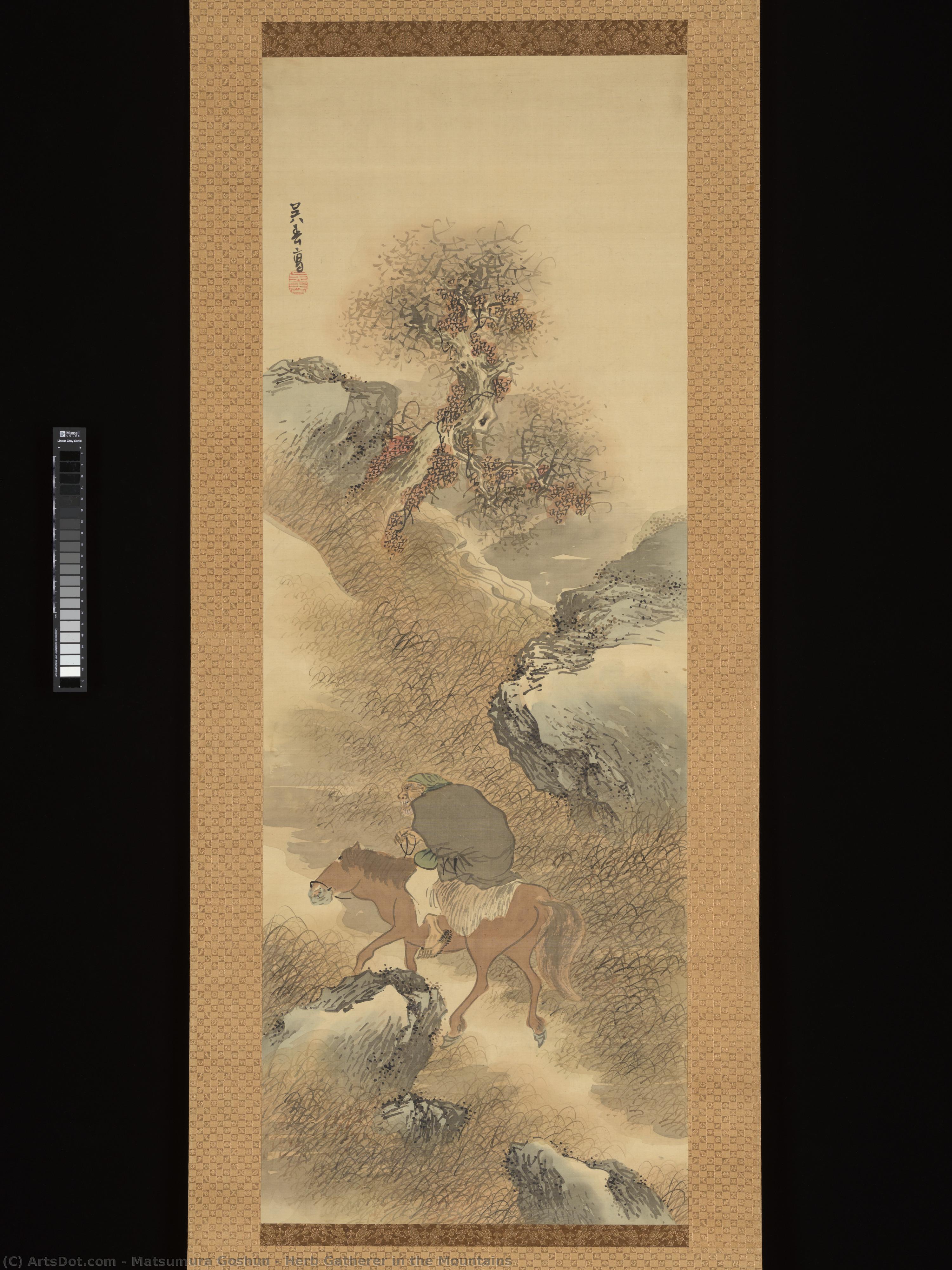
Herb Gatherer in the Mountains
 1780
1780 112.0 x 41.0 cm
 Pročitaj više
Kupite digitalnu sliku visoke rezolucije i poboljšanog kvaliteta, koja je znatno superiornija od onoga što vidite u online prikazu.
Svaka datoteka je pedantno pripremljena od strane naših stručnjaka koristeći napredne alate i profesionalnu ručnu retušu. Osiguravamo da svaka slika ima izuzetnu oštrinu, preciznu reprodukciju boja i fine detalje.
Konačna datoteka se dostavlja putem e-pošte u roku od 72 sata, optimizovana za neposrednu upotrebu u profesionalnim, izdavačkim i štamparskim okruženjima. To je isti kvalitet kojem veruju vrhunski studiji dizajna, izdavači i galerije.
Digitalna slika
Preuzmite datoteku visoke rezolucije za ličnu upotrebu, štampanje i kreativne projekte. ( Kupi print Kupi ručno naslikanu sliku)
Uključeno uz svaku porudžbinu digitalne slike
Profesionalna digitalna isporuka, zagarantovana
Kada odaberete ArtsDot.com, ne dobijate samo sliku – vi primate profesionalno unapređeno digitalno umetničko delo, izrađeno sa najvećom preciznošću i uz garanciju zadovoljstva. Evo svega što automatski dolazi uz vašu porudžbinu:

Brza dostava putem e-pošte
Vaša digitalna slika visoke rezolucije biće vam poslata putem e-pošte u roku od 72 sata od poručivanja – spremna za trenutnu upotrebu.

Digitalna datoteka unapređena veštačkom inteligencijom
Vaše umetničko delo je profesionalno optimizovano korišćenjem naprednih AI alata i ručne obrade, čime se osiguravaju maksimalni detalji, oštrina i preciznost boja.

Besplatna ponovna isporuka doživotno
Slučajno ste obrisali ili izgubili svoju datoteku? Ne brinite – poslaćemo vam je ponovo u bilo kom trenutku, potpuno besplatno.

Bez troškova uvoza – zauvek
Uživajte u svojim umetničkim delima trenutno, bez carine, dažbina ili troškova dostave – digitalni download je uvek bez poreza.

Garancija vernosti boja
Uz pomoć profesionalnih alata i upravljanja bojama, osiguravamo da vaša digitalna slika što vernije odražava originalne boje.

Garancija zadovoljstva u roku od 60 dana
Ako niste zadovoljni svojom digitalnom slikom, revidirat ćemo je ili vratiti 100% novca u roku od 60 dana – bez ikakvih pitanja.

100% garancija povrata novca
Niste zadovoljni? Obezbedite pun povrat novca u roku od 60 dana od trenutka kada ste primili svoju digitalnu datoteku – bez suvišnih pitanja.

Popusti na velike porudžbine
Kupite 3 slike, uštedite 10% - Kupite 5 slika, uštedite 15% - Kupite 10+ slika, uštedite 20%. Odlično za kreativne projekte, galerije i agencije.
Opis kolekcionarskog dela
Srodna umetnička dela










Biografija umetnika
Matsumura Goshun: Bridging Literati Tradition and Maruyama Realism
Matsumura Goshun (1752-1811), often referred to as Matsumura Gekkei, stands as a pivotal figure in Japanese painting during the Edo period. He wasn’t merely a painter; he was a foundational architect of the Shijō school, a unique artistic lineage that skillfully blended the contemplative elegance of literati painting with the burgeoning realism championed by Maruyama Ōkyo and his circle. Born into a privileged family – his father served as an official at the royal mint – Goshun’s early life was steeped in cultural refinement, receiving rigorous instruction in calligraphy, poetry, classical literature, and, crucially, painting from accomplished masters of both nanga (Chinese-style landscape) and literati traditions. This comprehensive education laid the groundwork for his distinctive artistic voice. His formative years were deeply influenced by Yosa Buson (1716–1784), a master of the Southern School of Japanese painting, whose profound understanding of composition, brushwork, and atmospheric perspective shaped Goshun’s early style. Buson instilled in him the core tenets of literati painting – an emphasis on capturing the essence of nature through subtle details, conveying emotion rather than literal representation, and prioritizing personal expression over meticulous detail. However, Goshun's journey wasn't without its hardships. The untimely deaths of his wife and father, coupled with Buson’s declining health in 1781, forced him to relocate from Kyoto’s Shijō-district to Ikeda near Osaka, a period marked by financial struggle and the necessity of seeking patronage. Despite these challenges, he continued to hone his skills, maintaining a connection to Buson's literati style while grappling with the realities of self-sufficiency.The Influence of Maruyama Ōkyo and the Shift in Style
A turning point arrived in 1787 when Goshun joined the circle of painters working for Maruyama Ōkyo (1733–1795), a leading figure in the Maruyama school. Ōkyo’s influence proved transformative, introducing elements of Western perspective and a more direct engagement with observation into his work. This exposure led to a significant evolution in Goshun's style. He began incorporating Ōkyo’s techniques – bolder brushstrokes, heightened color palettes, and a greater attention to detail—into his compositions. This wasn’t a wholesale abandonment of his literati roots but rather a sophisticated synthesis; he retained the core principles of balance and harmony while embracing a more dynamic and visually arresting approach. The fire that ravaged parts of Kyoto in 1789 further solidified this shift, forcing both Goshun and Ōkyo to seek refuge together at a temple, fostering a period of collaborative exchange and mutual influence.A Unique Artistic Synthesis: Literati Brushwork Meets Maruyama Realism
Goshun’s artistic development can be characterized by a remarkable ability to fuse disparate influences into a cohesive and deeply personal style. While his early work is undeniably rooted in Buson's literati tradition – characterized by understated elegance, subtle color gradations, and a focus on capturing the spirit of nature—his later paintings demonstrate a growing mastery of Maruyama’s techniques. He skillfully balanced the contemplative mood of literati painting with Ōkyo’s more direct approach to observation, resulting in works that possess both intellectual depth and visual vibrancy. His compositions often feature meticulously rendered details – birds perched on branches, rocks sculpted by wind and water, or glimpses of distant mountains—all presented within a framework of carefully considered balance and harmony.Notable Works and Legacy
Among Goshun’s most celebrated works is “Herb Gatherer in the Mountains,” a captivating depiction of a solitary figure amidst a serene landscape. This piece exemplifies his ability to convey both the beauty of nature and the quiet dignity of human experience. His paintings frequently depict birds, showcasing an exceptional level of detail and sensitivity in capturing their plumage and behavior – a testament to his keen observational skills. Following Ōkyo’s death in 1795, Goshun established the Shijō school, solidifying his position as a key figure in Edo-period art. The school continued to produce works that reflected his unique synthesis of literati tradition and Maruyama realism for decades after his death. Matsumura Goshun’s legacy lies not only in his individual paintings but also in his pioneering role as a bridge between two distinct artistic traditions, shaping the course of Japanese painting for generations to come. His work continues to be exhibited and studied worldwide, offering a profound glimpse into the artistic landscape of 18th-century Japan.
matsumura goshun
1752 - 1811
Kratke činjenice
- Artistic Movement Or Style: Shijō School, Literati, Maruyama
- Artists Or Movements Influenced By This Artist: ['Maruyama Ōkyo']
- Artists Who Influenced This Artist: ['Yosa Buson']
- Date Of Birth: April 28, 1752
- Date Of Death: September 4, 1811
- Full Name: Matsumura Goshun
- Nationality: Japanese
- Notable Artworks: ['Herb Gatherer in the Mountains']
- Place Of Birth: Kyoto, Japan

