

 Pregledaj u prostoru
 Pošalji
 Podeli
 Detalji o delu

 Преузми
 Slični predmeti
 Rendgenski snimak
 Slajdovi
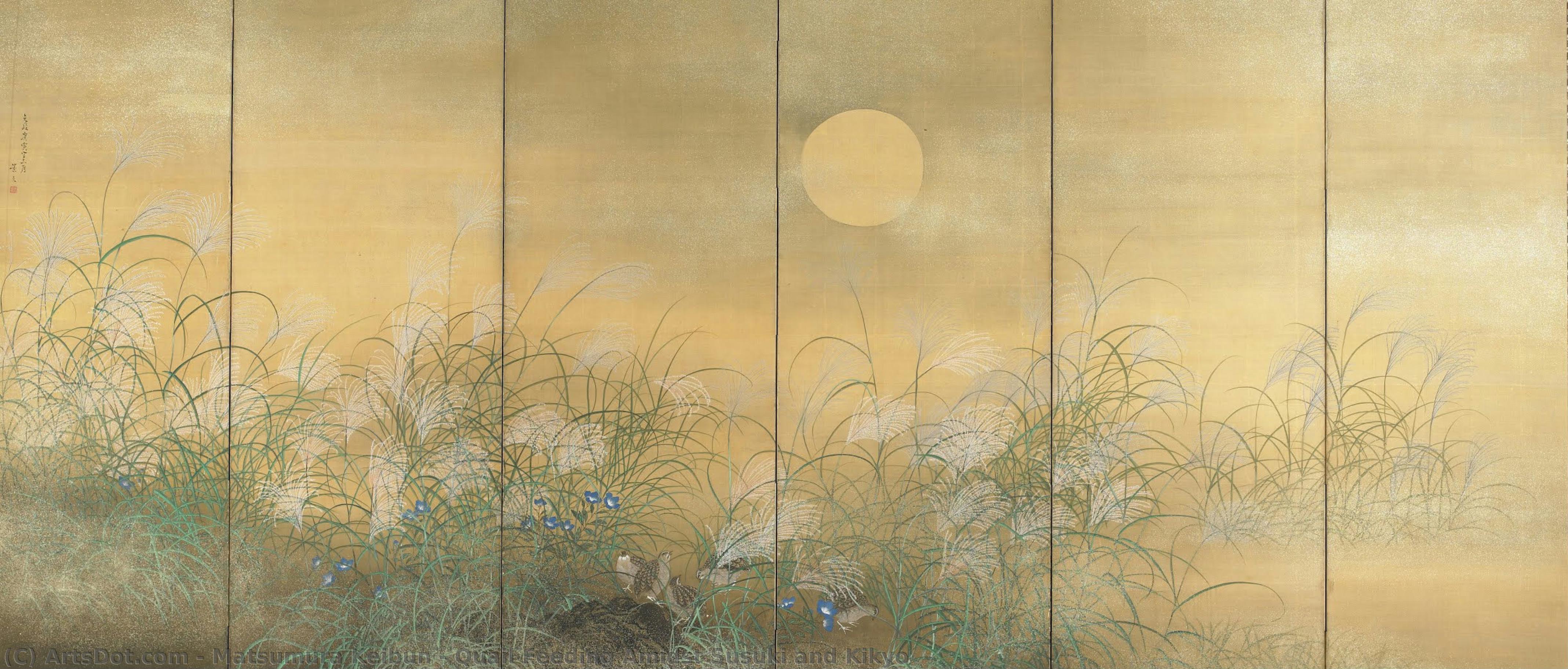
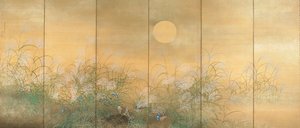
Quail Feeding Amidst Susuki and Kikyo


 Pročitaj više
Ručno rađena uljana reprodukcija
Ručno oslikano uljanim bojama na platnu u dimenzijama i okviru po vašem izboru, izrađeno po porudžbini od strane naših umetnika. ( Kupi print Kupi digitalnu sliku)




P118B $10

P118H $10

P118W $10

P438Z $10

P508JH $12

P508YH $12

P805H $10

P805Z $10

P919BZ $10

P919G $10

P919XJ $10

P959ZH $10

P968JZ $12

W106C $8

W218G $10

W218JH $8

W218Y $10

W307PJ $10

W316G $10

W316PJ $8

W316Y $10

W398PJ $8

W4111J $10

W500HY $15

W500JH $15

W692G $12

W849H $8

W940BG $15

W953PJ $8




Izaberite jednu od naših unapred definisanih veličina koje odgovaraju originalnim proporcijama umetničkog dela.

Можете унети сопствене димензије како бисте прилагодили дело одређеном оквиру или простору. Ако одабрана величина не одговара пропорцијама оригинала, слика ће бити исечена или проширена додатним елементима који се ручно насликавају. Дигитални prikaz ће вам бити послат на одобрење пре почетка производње.
Имајте на уму да преглед на екрану не одражава стварно исецање или проширење. Само приказ (mockup) ће тачно приказати коначну композицију.
Иако су доступне прилагођене величине, препоручујемо да одаберете димензију из дефинисане листе како бисте сачували оригиналне пропорције.
Nakon narudžbine, tim ArtsDot.com će klijentu putem e-pošte poslati uputstva i dostaviti prikaz predloženog rešenja
Isporuka širom sveta () za 3/4 nedelje umesto uobičajenih 5 nedelja. (29 август). Bez kompromisa po pitanju kvaliteta.

Besplatna ekspresna dostava širom sveta

Visokokvalitetno laneno platno

Kompletno osiguranje transporta

Garancija povraćaja carine i uvoznih dažbina

Garancija vernosti boja

Politika povrata u roku od 60 dana (samo u slučaju nedostataka)

Garancija povrata novca od 100%

Popust pri grupnoj kupovini
 Opcija sa staklom dostupna je samo za dimenzije manje od 110 cm

Quail Feeding Amidst Susuki and Kikyo
Tehnika reprodukcije
Dimenzije reprodukcije
-


Konačna cena
$ 263
Srodna umetnička dela
Biografija umetnika
Matsumura Keibun: Life and Legacy
Early Life and Training
Matsumura Keibun (1779-1843) was a prominent Japanese painter active during the Edo period. Born in Kyoto, Japan, he came from an artistic family. He was the younger half-brother of Matsumura Goshun, who founded the influential Shijō school of painting. Keibun received his initial art education directly from Goshun, laying the foundation for his future style and career.
Artistic Development and Style
Keibun began exhibiting his work as early as 1796, demonstrating a precocious talent. His style closely mirrored that of his half-brother Goshun, but developed a lighter and more manneristic quality over time. While rooted in traditional Japanese painting techniques, Keibun’s approach possessed a distinctive elegance and refinement. He was skilled in various genres, including landscapes, figure paintings, and particularly excelled in kachō-ga (bird-and-flower painting).
Major Achievements and Works
- Inheritance of Goshun’s Studio: Upon Goshun's death in 1811, Keibun inherited his studio, solidifying his position within the Shijō school.
- ‘Go Keibun gafu’: In 1829, he published ‘Go Keibun gafu’ (Keibun's art of painting), an illustrated book that significantly contributed to establishing and promoting Goshun’s artistic principles.
- Gion Matsuri Float Paintings: A notable achievement was his creation of bird paintings on the ceiling of the ‘naginata-hoko’ (long sword halberd) float for the Gion Matsuri festival in 1829. These paintings remain in use today, a testament to their enduring quality.
- ‘Shiki Kōsaku-zu’: Perhaps his most celebrated work is the set of fusuma (sliding doors) at Myōhō–ji temple, depicting ‘Cultivation in the Four Seasons’. These paintings showcase Keibun’s mastery of composition and detail.
Influences and Historical Significance
Keibun was profoundly influenced by his half-brother, Goshun, whose style he initially emulated. However, he gradually developed a unique artistic voice within the Shijō school tradition. His work reflects the aesthetic preferences of Kyoto during the late Edo period, characterized by elegance and refinement.
Keibun’s contribution lies in his skillful continuation and subtle evolution of the Shijō school style. He helped to solidify Goshun's legacy while adding his own distinctive touch. His paintings are now held in numerous prestigious museums worldwide, including the British Museum, the Metropolitan Museum of Art, and the Seattle Art Museum, demonstrating his lasting impact on Japanese art history.
Later Life and Legacy
Beyond his artistic pursuits, Keibun also served as chief priest at the Myōhō-in temple in Kyoto. He passed away on May 25, 1843, and was initially interred at Daitsū-ji before being moved to Konpuku-ji, a more esteemed Zen temple. His work continues to be admired for its beauty, technical skill, and historical significance.
Matsumura Keibun
1779 - 1843 , Japan
Osnovne informacije
- Birth Date: 1779
- Birth Place: Kyoto, Japan
- Death Date: 1843-05-25
- Influenced By: Matsumura Goshun
- Movement: Shijō school
- Name: Matsumura Keibun
- Nationality: Japanese
- Notable Works: Shiki Kōsaku-zu (Four Seasons Cultivation)
Povezani članci
Feathered Visions: A Historical & Artistic Exploration of Birds in Painting
Explore the rich history of birds in painting! Discover symbolism, artistic movements & master artists like Audubon. High-quality reproductions available at ArtsDot.
The Hague School: Realism, Atmosphere & the Dawn of Dutch Impressionism
Explore the Hague School's pivotal role in Dutch art history. Discover realism, atmospheric landscapes & its influence on Impressionism. Learn about key artists like Mauve & Maris with ArtsDot.
Serenity on Canvas: A Guide to the Timeless Beauty of Japanese Landscape Painting
Discover the serene beauty of Japanese landscape painting. From Hokusai's iconic woodblock prints to meditative sumi-e ink washes, explore a visual journey through the 'floating world' and learn how to bring this timeless Zen aesthetic into your modern home decor.
Top 10 Remek Dela Koja Su Definisala Hudson River School: Majstorski Priori Za Vaš Dom
Otkrijte 10 remek dela koja su definisala Hudson River School! Uronite u priče o Thomas Cole-u, Frederic Church-u i veličanstvenim pejzažima Amerike. Inspiracija za vaš dom – vrhunske reprodukcije na ArtsDot.com!
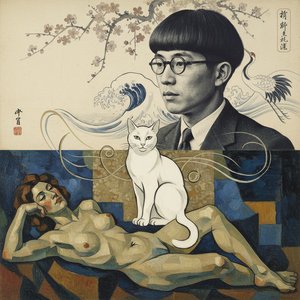
Léonard Foujita: A Poetic Synthesis of Japanese Sensibility & European Modernism
Discover the captivating world of Léonard Foujita, a master bridging Japanese aesthetics & European Modernism. Explore his signature style, diverse works, and enduring legacy – essential reading for discerning art collectors.

