


 Pregledaj u prostoru
 Pošalji
 Podeli
 Detalji o delu

 Преузми
 Slični predmeti
 Rendgenski snimak
 Slajdovi
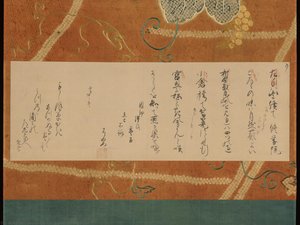
Manuscript Scroll of Nozaraishi Kikō\n\n- Atsuta Shrine, Nagoya

 Pročitaj više
Ručno rađena uljana reprodukcija
Ručno oslikano uljanim bojama na platnu u dimenzijama i okviru po vašem izboru, izrađeno po porudžbini od strane naših umetnika. ( Kupi print Kupi digitalnu sliku)




































Izaberite jednu od naših unapred definisanih veličina koje odgovaraju originalnim proporcijama umetničkog dela.

Можете унети сопствене димензије како бисте прилагодили дело одређеном оквиру или простору. Ако одабрана величина не одговара пропорцијама оригинала, слика ће бити исечена или проширена додатним елементима који се ручно насликавају. Дигитални prikaz ће вам бити послат на одобрење пре почетка производње.
Имајте на уму да преглед на екрану не одражава стварно исецање или проширење. Само приказ (mockup) ће тачно приказати коначну композицију.
Иако су доступне прилагођене величине, препоручујемо да одаберете димензију из дефинисане листе како бисте сачували оригиналне пропорције.
Nakon narudžbine, tim ArtsDot.com će klijentu putem e-pošte poslati uputstva i dostaviti prikaz predloženog rešenja
Isporuka širom sveta () za 3/4 nedelje umesto uobičajenih 5 nedelja. (1 септембар). Bez kompromisa po pitanju kvaliteta.

Besplatna ekspresna dostava širom sveta

Visokokvalitetno laneno platno

Kompletno osiguranje transporta

Garancija povraćaja carine i uvoznih dažbina

Garancija vernosti boja

Politika povrata u roku od 60 dana (samo u slučaju nedostataka)

Garancija povrata novca od 100%

Popust pri grupnoj kupovini
 Opcija sa staklom dostupna je samo za dimenzije manje od 110 cm

Manuscript Scroll of Nozaraishi Kikō\n\n- Atsuta Shrine, Nagoya
Tehnika reprodukcije
Dimenzije reprodukcije
-


Konačna cena
$ 313
Srodna umetnička dela







Biografija umetnika
Matsuo Bashō: Life and Legacy
Early Life and Background
- Born Matsuo Kinsaku in 1644 near Ueno, Iga Province, Japan.
- Came from a family with samurai roots, though his father was likely a low-ranking retainer.
- Received an early education and showed an aptitude for poetry.
- Served as a page to Tōdō Yoshitada, fostering his interest in *haikai no renga* (linked verse).
Artistic Development and Influences
- Initially focused on collaborative poetry forms like *renga*.
- The death of his patron, Tōdō Yoshitada, in 1666 marked a turning point, leading him to dedicate himself fully to poetry.
- Influenced by Zen Buddhism, which emphasized simplicity, mindfulness, and connection with nature.
- Early works showed conventional styles but gradually evolved towards a more minimalist and evocative approach.
- Chinese poetry also played a role in shaping his aesthetic sensibilities.
The Rise of Haiku and Bashō’s Style
- Bashō is credited with elevating the *hokku* (the opening verse of a *renga*) to an independent poetic form, later known as haiku.
- His haiku are characterized by their concise language, vivid imagery, and focus on nature.
- He sought to capture fleeting moments and evoke deep emotions with minimal words.
- Emphasized *sabi* – the beauty of transience, imperfection, and age – in his work.
Travels and Major Works
- Bashō embarked on several journeys throughout Japan, seeking inspiration for his poetry.
- His most famous travelogue is Oku no Hosomichi (The Narrow Road to the Deep North), published in 1694.
- Other notable works include *Nozarashi kikō* (Records of a Weather-Exposed Skeleton) and numerous collections of haiku and *renga*.
- His travel writings blended poetry with prose, creating a unique literary style known as haibun.
Achievements and Historical Significance
- Widely regarded as the greatest master of haiku in Japanese history.
- Revolutionized the art of *haikai no renga* by emphasizing naturalness and emotional depth.
- His work influenced generations of poets and continues to be studied and admired today.
- Bashō’s poetry is often reproduced on monuments and traditional sites throughout Japan, demonstrating his enduring cultural impact.
- He helped establish haiku as a major art form, recognized for its ability to capture the essence of life in a few carefully chosen words.
Legacy
- Bashō’s emphasis on direct experience and observation continues to resonate with artists and writers worldwide.
- His minimalist style has influenced modern poetry and other art forms.
- He remains a symbol of Japanese artistic excellence and spiritual depth.
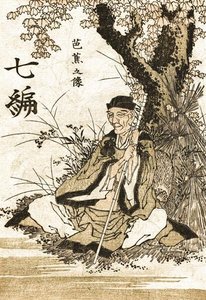
matsuo bashō
1644 - 1694 , Japan
Osnovne informacije
- Birth Date: 1644
- Birth Place: Ueno, Japan
- Death Date: 1694
- Movement: Haiku, Edo period literature
- Name: Matsuo Bashō
- Nationality: Japanese
- Notable Works: Oku no Hosomichi (The Narrow Road to the Deep North)

