

 Pregledaj u prostoru
 Pošalji
 Podeli
 Detalji o delu

 Преузми
 Slični predmeti
 Rendgenski snimak
 Slajdovi
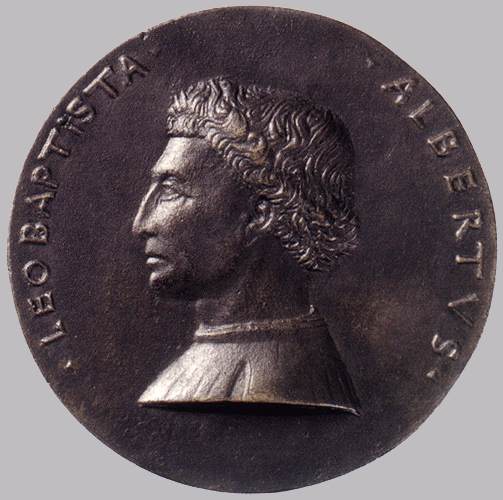
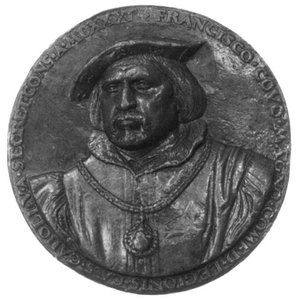
Bust of Leon Battista Alberti
 Oil On Canvas
- WallArt
- Renaissance
 1450
1450 9.0 x 9.0 cm
 Louvre
 Pročitaj više
Ručno rađena uljana reprodukcija
Ručno oslikano uljanim bojama na platnu u dimenzijama i okviru po vašem izboru, izrađeno po porudžbini od strane naših umetnika. ( Kupi print Kupi digitalnu sliku)




P118B $10

P118H $10

P118W $10

P438Z $10

P508JH $12

P508YH $12

P805H $10

P805Z $10

P919BZ $10

P919G $10

P919XJ $10

P959ZH $10

P968JZ $12

W106C $8

W218G $10

W218JH $8

W218Y $10

W307PJ $10

W316G $10

W316PJ $8

W316Y $10

W398PJ $8

W4111J $10

W500HY $15

W500JH $15

W692G $12

W849H $8

W940BG $15

W953PJ $8




Izaberite jednu od naših unapred definisanih veličina koje odgovaraju originalnim proporcijama umetničkog dela.

Можете унети сопствене димензије како бисте прилагодили дело одређеном оквиру или простору. Ако одабрана величина не одговара пропорцијама оригинала, слика ће бити исечена или проширена додатним елементима који се ручно насликавају. Дигитални prikaz ће вам бити послат на одобрење пре почетка производње.
Имајте на уму да преглед на екрану не одражава стварно исецање или проширење. Само приказ (mockup) ће тачно приказати коначну композицију.
Иако су доступне прилагођене величине, препоручујемо да одаберете димензију из дефинисане листе како бисте сачували оригиналне пропорције.
Nakon narudžbine, tim ArtsDot.com će klijentu putem e-pošte poslati uputstva i dostaviti prikaz predloženog rešenja
Isporuka širom sveta () za 3/4 nedelje umesto uobičajenih 5 nedelja. (24 август). Bez kompromisa po pitanju kvaliteta.

Besplatna ekspresna dostava širom sveta

Visokokvalitetno laneno platno

Kompletno osiguranje transporta

Garancija povraćaja carine i uvoznih dažbina

Garancija vernosti boja

Politika povrata u roku od 60 dana (samo u slučaju nedostataka)

Garancija povrata novca od 100%

Popust pri grupnoj kupovini
 Opcija sa staklom dostupna je samo za dimenzije manje od 110 cm

Bust of Leon Battista Alberti
Tehnika reprodukcije
Dimenzije reprodukcije
-


Konačna cena
$ 263
Opis umetničkog dela
Matteo Di Andrea De’ Pasti: Sculptor of Renaissance Splendor
Matteo di Andrea de’ Pasti (c. 1420 – after 1468/1469) stands as a pivotal figure in the artistic landscape of Verona and the broader Italian Renaissance, renowned primarily for his monumental sculptures and intricately crafted medals that embody the ideals of humanist artistry and royal patronage. Born in Verona, Italy, he emerged from a tradition steeped in Veronese sculptural excellence, inheriting techniques honed by masters like Giovanni Battista Falcone and Andrea Mantegna—skills which would prove instrumental in shaping his distinctive style. His formative years were marked by exposure to the intellectual ferment of the era, fueled by humanist scholarship and artistic innovation emanating from Florence under Lorenzo de’ Medici. This influence is palpable in his embrace of classical proportions and idealized forms, mirroring the stylistic trends championed by Alberti and Brunelleschi. Notably, he collaborated closely with Giovanni Battista Falcone on ambitious projects that showcased both sculptural prowess and architectural vision—a partnership that cemented Verona's reputation as a center for artistic innovation during this transformative period.- Sculptural Style: De’ Pasti’s oeuvre is characterized by a masterful blend of realism and idealism, reflecting the humanist preoccupation with accurately portraying human anatomy while elevating subjects to heroic stature. He skillfully employed techniques honed from his predecessors—particularly Falcone—to achieve breathtaking detail and expressive dynamism in his sculptures.
- Notable Works: Among his most celebrated achievements is the Tempio Malatestiano in Rimini, a magnificent edifice adorned with monumental sculptures that exemplify De’ Pasti's artistic genius. This ambitious undertaking demanded meticulous planning and execution, demonstrating his mastery of architectural design alongside sculptural artistry.
- Medallic Artistry: De’ Pasti excelled as a medalist, producing exquisitely crafted medallions commemorating prominent figures—including Sigismondo Malatesta and Lorenzo de’ Medici—that served as powerful symbols of royal authority and humanist ideals. His medals are distinguished by their precise execution and subtle artistic refinements, reflecting his dedication to upholding the highest standards of craftsmanship.
The Bust of Leon Battista Alberti: A Testament to Renaissance Humanism
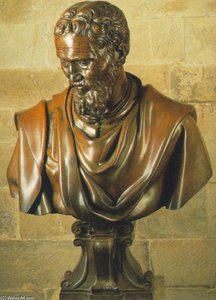
This bronze bust of Leon Battista Alberti exemplifies De’ Pasti's commitment to humanist principles—specifically, the celebration of human intellect and virtue. Executed around 1450, it embodies the stylistic trends prevalent during Florence’s golden age under Lorenzo de’ Medici, mirroring the influence of artists like Brunelleschi and Alberti himself. The sculpture’s meticulous detailing captures Albertus Leo Baptista's contemplative gaze and dignified posture—a deliberate choice that underscores the humanist ideal of portraying individuals as embodiments of moral excellence. De’ Pasti skillfully utilized lost wax casting—a technique perfected during this era—to achieve unparalleled accuracy in replicating Albertis’ facial features and conveying his inner character.Technique & Materials: Lost Wax Casting
De’ Pasti's mastery extended beyond stylistic considerations; he possessed an unrivaled understanding of sculptural techniques. The Tempio Malatestiano, like many of his other monumental works, testifies to his expertise in lost wax casting—a process that involves creating a wax model followed by encasing it in clay and melting away the wax to reveal a hollow bronze sculpture. This method allowed for exceptional precision and detail—essential qualities for capturing the nuances of human anatomy and conveying emotional expression. The resulting bronze surface is textured with subtle irregularities, reflecting the inherent imperfections of the casting process while enhancing its visual richness. Furthermore, the patina—a protective layer of oxidation that develops over time—adds depth and luminosity to the sculpture’s appearance, preserving it for posterity.Symbolism & Emotional Impact
The bust serves as a poignant reminder of the Renaissance fascination with classical ideals—particularly those expressed in Roman portraiture. De’ Pasti's depiction of Albertus Leo Baptista reflects the humanist conviction that art should illuminate human nature and inspire moral contemplation. The sculpture’s serene expression conveys Albertis’ intellectual fortitude and unwavering devotion to scholarly pursuits—qualities admired throughout Europe during this period. More broadly, it embodies the Renaissance aspiration for beauty and harmony—a desire to elevate human experience through artistic representation. Viewing this masterpiece evokes a sense of reverence for human intellect and achievement—a legacy that continues to resonate with audiences today.Srodna umetnička dela
Biografija umetnika
The Sculptor of Renaissance Splendor
Matteo di Andrea de’ Pasti stands as a pivotal figure in the artistic landscape of Verona and the broader Italian Renaissance, a master whose hands shaped the very essence of humanist ideals. Born in Verona around 1420, he emerged from a tradition steeped in Veronese sculptural excellence, inheriting techniques honed by masters such as Giovanni Battista Falcone and Andrea Mantegna. These foundational skills would prove instrumental in shaping his distinctive style, characterized by an exquisite ability to marry monumental scale with intricate, delicate detail. His life was a journey through the intellectual ferment of the Quattrocento, fueled by the humanist scholarship and artistic innovation that flowed from Florence under the influence of figures like Lorenzo de’ Medici.
The artistry of Pasti is deeply rooted in the embrace of classical proportions and idealized forms, mirroring the stylistic trends championed by the great architects Alberti and Brunelleschi. This connection to the classical past was not merely aesthetic but philosophical, reflecting a profound fascination with Greco-Roman aesthetics that permeated the era. His work often sought to capture the spirit of his age—the High Renaissance—conveying profound symbolic meaning through the medium of bronze and stone. Whether crafting a massive religious icon or a miniature commemorative medal, Pasti possessed an unparalleled skill in capturing both the physical likeness and the spiritual depth of his subjects.
A Visionary Collaboration and Royal Patronage
Perhaps the most enduring testament to Pasti’s genius is his legendary collaboration with the visionary architect Leone Battista Alberti. Together, they embarked on the ambitious design and construction of the Tempio Malatestiano in Rimini, a project that cemented their reputation as a formidable architect-sculptor duo. This cathedral church was more than a religious edifice; it was a meticulously crafted symbol of royal prestige and humanist ambition, commissioned by Sigismondo Pandolfo Malatesta. Within this breathtaking structure, Pasti’s sculptural decorations breathed life into the stone, including monumental statues of saints and biblical figures that demonstrated his mastery of expressive power and scale.
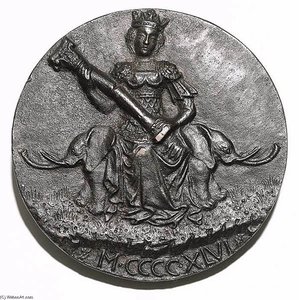
The breadth of Pasti’s influence is further evidenced by the illustrious patrons who sought his hand. His prolific output spanned commissions for influential figures such as Lionello d'Este, reflecting a flourishing artistic environment where civic pride and religious piety were celebrated through art. His talent for portraiture led him to produce numerous busts and medals for noble families across Italy, capturing the likenesses of prominent individuals with remarkable realism. This mastery extended even to the realm of metalwork, where his intricately crafted bronze medals became celebrated artifacts of Renaissance symbolism, often featuring complex allegories such as Fortitude seated upon elephants.
Legacy and Historical Significance
The historical trajectory of Matteo di Andrea de’ Pasti is as dramatic as the art he produced. In 1461, his reputation reached far beyond the borders of Italy when he was sent by Sigismondo Malatesta to the court of Mekhmed II in Istanbul. However, this grand diplomatic and artistic mission was cut short when he was arrested during his journey, a moment that serves as a poignant coda to a life of immense creative achievement. Though his career was marked by such turbulent interruptions, his impact on the sculptural tradition remains indelible.
Today, the legacy of Pasti is preserved in some of the world's most prestigious institutions, allowing modern viewers to connect with the grandeur of the Renaissance. His works serve as vital links to a period of unparalleled human achievement, embodying the following:
- Technical Mastery: The seamless integration of Gothic traditions with innovative Renaissance structural solutions.
- Humanist Expression: The use of idealized human forms to convey complex religious and civic narratives.
- Artistic Versatility: An ability to transition effortlessly between monumental cathedral sculpture and the delicate precision of commemorative medal making.
- Cultural Impact: A lasting presence in collections such as the Cleveland Museum of Art and the British Museum, where his pieces continue to inspire awe.
Osnovne informacije
- Artistic Movement Or Style: Renaissance
- Artists Or Movements Influenced By This Artist: ['Leone Battista Alberti']
- Date Of Birth: Verona, Italy ()
- Date Of Death: Living
- Full Name: Matteo di Andrea de' Pasti
- Nationality: Italian
- Notable Artworks:
- Bust of Leon Battista Alberti
- Fortitude, seated on two elephants (reverse)
- Tempio Malatestiana
- Place Of Birth: Verona
Povezani članci

Bronze Age to Modern Masters: 10 Sculptures That Redefined Art | ArtsDot
Journey through art history with 10 legendary bronze sculptures – from Michelangelo's David to Rodin’s Thinker. Explore the stories, techniques & timeless beauty of these masterpieces. Find museum-quality reproductions & elevate your home decor on ArtsDot.com.

Bronze Sculptures That Defined Art History | ArtsDot
Journey through art history with our Top 10 bronze sculptures! Explore masterpieces by Rodin, Michelangelo & more. Discover stories behind iconic statues and find museum-quality reproductions for your home decor at ArtsDot.com.

The Enduring Legacy of Bronze: A Historical & Artistic Exploration for the Collector
Explore the rich history & enduring appeal of bronze sculpture with expert insights for collectors at ArtsDot. Learn about casting techniques, iconic artists, collecting tips & contemporary interpretations.
The Enduring Legacy of Bronze: History, Technique & Artistic Expression for the Collector
Explore the rich history & enduring appeal of bronze sculpture with expert insights for collectors at ArtsDot. Learn about casting techniques, iconic artists, and collecting tips.

The Enduring Legacy of Bronze Sculpture: A Collector's Guide to Form & Cultural Significance
Explore the rich history & enduring appeal of bronze sculpture with expert insights for collectors at ArtsDot. Learn about casting techniques, iconic artists, and collecting tips to build a discerning art collection.

