

 Pregledaj u prostoru
 Pošalji
 Podeli
 Detalji o delu

 Преузми
 Slični predmeti
 Rendgenski snimak
 Slajdovi
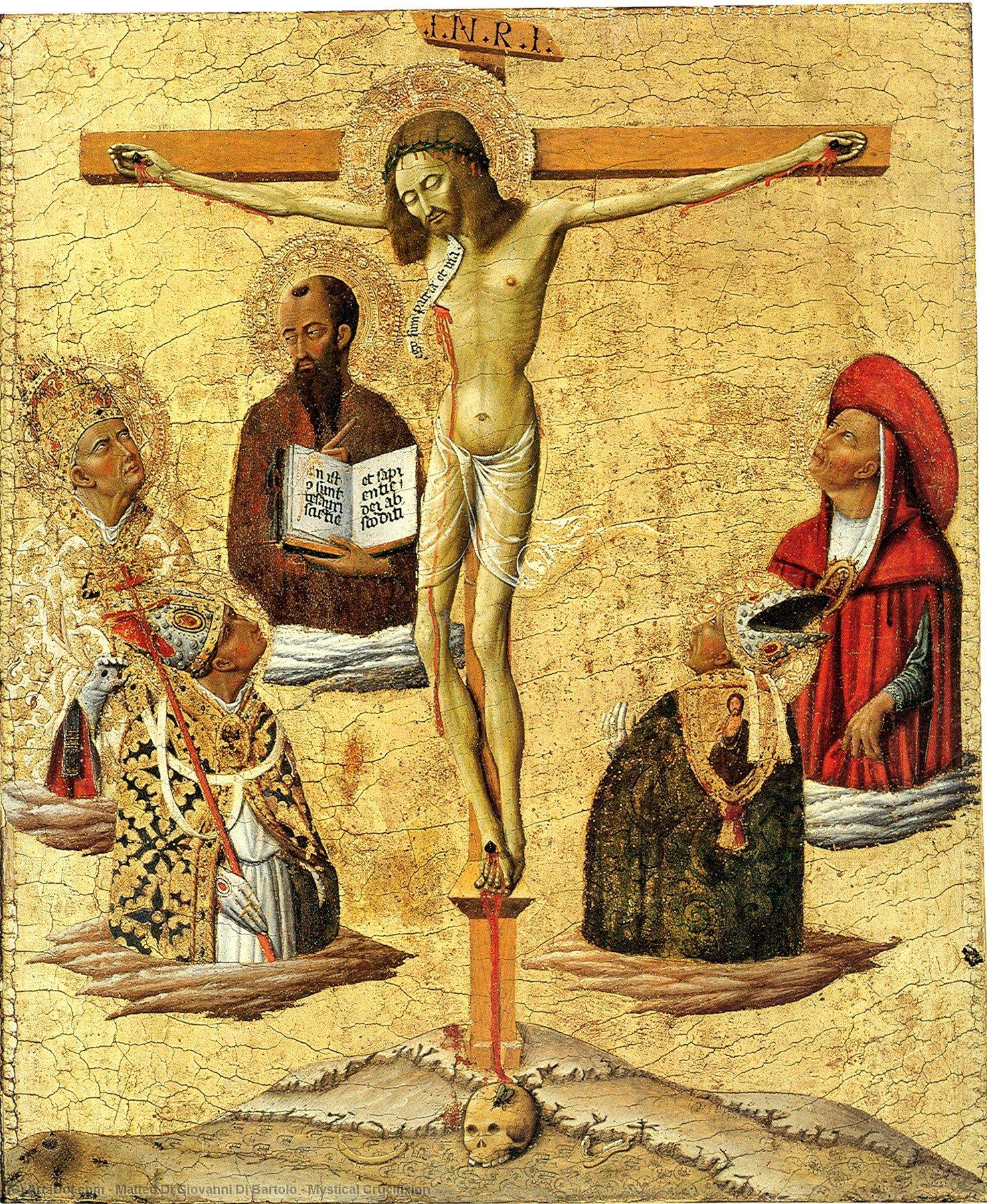
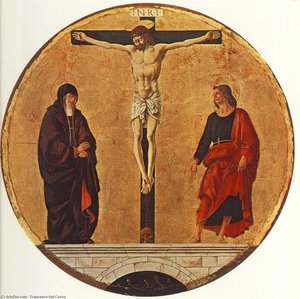
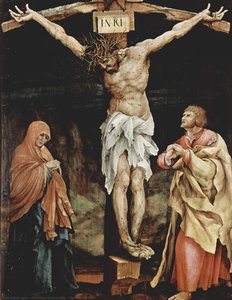
Mystical Crucifixion

 Pročitaj više
Giclee štampa / Umetnički otisak
Giclée štampa ili print na platnu muzejskog kvaliteta uz brzu proizvodnju i fleksibilne opcije završne obrade. ( Kupi ručno naslikanu sliku Kupi digitalnu sliku)




































Izaberite jednu od naših unapred definisanih veličina koje odgovaraju originalnim proporcijama umetničkog dela.

Možete uneti sopstvene dimenzije kako biste umetničko delo prilagodili specifičnom okviru ili prostoru. Ako odabrani format ne odgovara proporcijama originalne slike, mi ćemo ili iscrtati deo dela ili proširiti sliku pomoću ogledane ivice ili jednobojnog popunjavanja. Digitalni prikaz će vam biti poslat na odobrenje pre početka proizvodnje.
Imajte na umu da pregled na ekranu ne odražava stvarno iscrtavanje ili proširivanje. Samo će prikaz (mockup) precizno pokazati finalnu kompoziciju.
Iako su prilagođene dimenzije dostupne, preporučujemo da odaberete dimenziju sa unapred definisane liste kako biste očuvali originalne proporcije.
Dostava širom sveta () za 2 nedelje umesto uobičajenih 4/5 nedelja. (24 август)

Besplatna ekspresna dostava širom sveta

Visokokvalitetno laneno platno

Kompletno osiguranje transporta

Garancija povraćaja carine i uvoznih dažbina

Garancija vernosti boja

Politika povrata u roku od 60 dana (samo u slučaju nedostataka)

Garancija povrata novca od 100%

Popust pri grupnoj kupovini
 Opcija sa staklom dostupna je samo za dimenzije manje od 110 cm

Mystical Crucifixion
Giclee štampa / Umetnički otisak
Dimenzije reprodukcije
-


Konačna cena
$ 62
Srodna umetnička dela

Biografija umetnika
A Sienese Master of Renaissance Grace: The Life and Art of Matteo di Giovanni
Matteo di Giovanni di Bartolo, born around 1430 in Borgo Sansepolcro, stands as a compelling figure within the vibrant tapestry of the Sienese School during the Italian Renaissance. Though his early life remains somewhat shrouded in mystery—details regarding his apprenticeship are scarce—his artistic journey quickly became inextricably linked with the city of Siena, where he firmly established himself as a painter of considerable renown. His family’s relocation to Siena marked not merely a change of address but an immersion into a rich artistic tradition that would profoundly shape his style and subject matter. Twice married, first to a noblewoman in 1463 and later to a wealthy widow, Matteo benefited from the financial stability these unions provided, allowing him to acquire property and raise a large family—a testament to his success both as an artist and a provider.Early Influences and Collaborative Beginnings
The artistic lineage of Matteo di Giovanni is fascinatingly complex, reflecting a synthesis of diverse influences. While speculation suggests training within the workshop of Lorenzo di Pietro, known as Vecchietta, it’s clear that he absorbed the stylistic nuances of Stefano di Giovanni, affectionately called Sassetta, and Domenico di Bartolo—cornerstones of Sienese painting. Beyond these local masters, Matteo demonstrated an awareness of broader artistic currents, notably the miniaturist Girolamo da Cremona and the Florentine painter Antonio del Pollaiuolo. This openness to external innovation would become a defining characteristic of his work. In 1452, he entered into partnership with Giovanni di Pietro, sharing living quarters in Siena’s San Salvatore neighborhood. This collaboration wasn't limited to shared space; they undertook joint projects, including the coloring and gilding of sculptures—a common practice for artists of the period—and contributed to the embellishment of organ shutters and chapels within the Siena Cathedral. This early phase reveals Matteo as a versatile craftsman eager to hone his skills through diverse artistic endeavors.The Pienza Commission and Stylistic Development
A pivotal moment in Matteo’s career arrived with his selection, alongside three other Sienese painters, to create altarpieces for the chapels of the newly constructed Pienza Cathedral during the urban renewal spearheaded by Pope Pius II. This prestigious commission, undertaken between 1460 and 1462, provided a crucial platform for Matteo to showcase his burgeoning talent and solidify his artistic identity. The three altarpieces he produced offer invaluable insight into his evolving style. The first, depicting the *Madonna and Saints*, reveals echoes of Sano di Pietro’s compositions and figure types, while the draperies bear the imprint of Vecchietta's influence. Notably, the Saint Catherine type draws inspiration from Domenico di Bartolo. Above this panel, a dramatic *Flagellation of Christ* scene introduces a new dynamism—violent action, anatomically correct bodies, and volumetric plasticity—suggesting an engagement with the progressive draftsmanship flourishing in Florence under Pollaiuolo’s guidance. This blending of local tradition with Florentine innovation became a hallmark of Matteo's artistic approach.Mature Works: The *Massacre of the Innocents* and Beyond
As Matteo matured, his work increasingly reflected a refined sensibility and a growing mastery of narrative detail. The altarpiece commissioned for the oratory of Santa Maria delle Nevi in Siena (1477) and the *Santa Barbara* altarpiece created for the baker’s guild's chapel in San Domenico (1478-79) demonstrate his continued exploration of religious themes. However, it is the *Massacre of the Innocents*, signed and dated 1482, that is widely considered his masterpiece. This powerful depiction of Herod’s decree—a scene fraught with anguish and brutality—showcases Matteo's ability to convey complex emotions through expressive figures and a carefully constructed composition. During this period, he also began incorporating idyllic and naturalistic landscape scenes into his paintings, characterized by delicate lyricism and subtle atmospheric effects.Historical Significance and Lasting Legacy
Matteo di Giovanni’s significance lies not in radical innovation but in his skillful synthesis of diverse artistic influences and his ability to imbue traditional Sienese painting with a renewed sense of vitality and emotional depth. He successfully navigated the shifting currents of Renaissance art, absorbing lessons from Florence while remaining deeply rooted in the aesthetic principles of his native Siena. His paintings—characterized by gracious figures, harmonious color palettes, and meticulous attention to detail—continue to captivate viewers today. His work represents a bridge between the late Gothic traditions of Sienese painting and the emerging Renaissance style, offering a unique perspective on the artistic landscape of 15th-century Italy. Matteo di Giovanni’s legacy endures as a testament to his talent, versatility, and enduring contribution to the rich cultural heritage of Siena.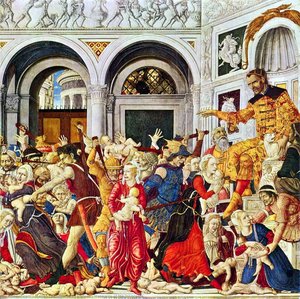
matteo di giovanni di bartolo
1435 - 1495
Osnovne informacije
- Artistic Movement Or Style: Renaissance, Sienese School
- Artists Who Influenced This Artist:
- Sassetta
- Domenico di Bartolo
- Antonio del Pollaiuolo
- Date Of Birth: c. 1430
- Date Of Death: 1495
- Full Name: Matteo di Giovanni di Bartolo
- Nationality: Italian
- Notable Artworks:
- Madonna and Child
- Massacre of Innocents
- Saint Bernardino restoring a child
- Place Of Birth: Borgo Sansepolcro, Italy

