

 Pregledaj u prostoru
 Pošalji
 Podeli
 Detalji o delu

 Преузми
 Slični predmeti
 Rendgenski snimak
 Slajdovi
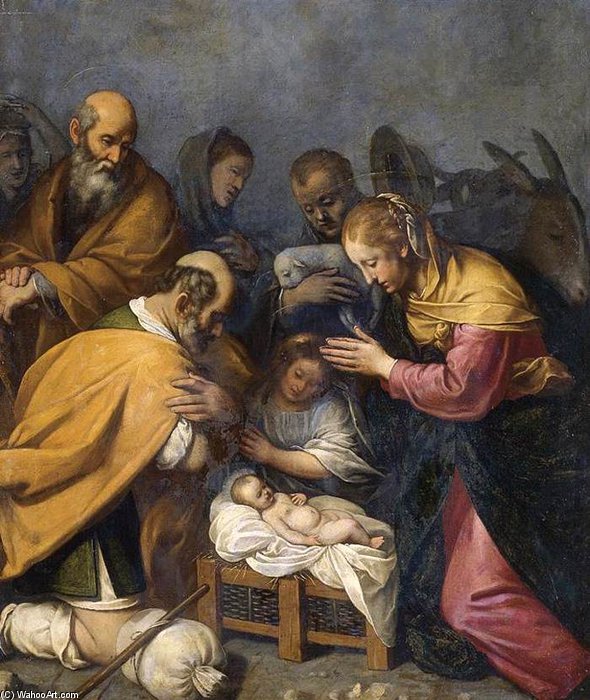
The Adoration Of The Shepherds
 Pročitaj više
Giclee štampa / Umetnički otisak
Giclée štampa ili print na platnu muzejskog kvaliteta uz brzu proizvodnju i fleksibilne opcije završne obrade. ( Kupi ručno naslikanu sliku Kupi digitalnu sliku)




































Izaberite jednu od naših unapred definisanih veličina koje odgovaraju originalnim proporcijama umetničkog dela.

Možete uneti sopstvene dimenzije kako biste umetničko delo prilagodili specifičnom okviru ili prostoru. Ako odabrani format ne odgovara proporcijama originalne slike, mi ćemo ili iscrtati deo dela ili proširiti sliku pomoću ogledane ivice ili jednobojnog popunjavanja. Digitalni prikaz će vam biti poslat na odobrenje pre početka proizvodnje.
Imajte na umu da pregled na ekranu ne odražava stvarno iscrtavanje ili proširivanje. Samo će prikaz (mockup) precizno pokazati finalnu kompoziciju.
Iako su prilagođene dimenzije dostupne, preporučujemo da odaberete dimenziju sa unapred definisane liste kako biste očuvali originalne proporcije.
Dostava širom sveta () za 2 nedelje umesto uobičajenih 4/5 nedelja. (24 август)

Besplatna ekspresna dostava širom sveta

Visokokvalitetno laneno platno

Kompletno osiguranje transporta

Garancija povraćaja carine i uvoznih dažbina

Garancija vernosti boja

Politika povrata u roku od 60 dana (samo u slučaju nedostataka)

Garancija povrata novca od 100%

Popust pri grupnoj kupovini
 Opcija sa staklom dostupna je samo za dimenzije manje od 110 cm

The Adoration Of The Shepherds
Giclee štampa / Umetnički otisak
Dimenzije reprodukcije
-


Konačna cena
$ 62
Srodna umetnička dela

Biografija umetnika
The Florentine Storyteller: The Life and Legacy of Matteo Rosselli
Matteo Rosselli stands as a pivotal figure in the artistic landscape of Florence, acting as a bridge between the fading elegance of late Mannerism and the burgeoning theatricality of the Baroque era. Born in Florence around 1578, Rosselli emerged during a period of profound stylistic transition. He was not merely a painter of static images but a master storyteller who captured monumental historical narratives with breathtaking detail and dramatic flair. This ability to weave complex human emotions into large-scale compositions became the hallmark of what historians term the grand manner, a style that would define his prolific career and shape the Florentine artistic identity for decades. His journey began under the disciplined tutelage of Gregorio Pagani, a respected sculptor and painter who instilled in him the foundational principles of disegno—the humanist art theory emphasizing rigorous observation and anatomical accuracy. This classical grounding provided the structural integrity necessary for his later, more ambitious works. In 1599, Rosselli’s ascent within the Florentine elite was cemented when he was inducted into the prestigious Accademia del Disegno, exposing him to the intellectual debates and stylistic innovations that were then reshaping Italian art.Roman Echoes and the Mastery of Fresco
A transformative chapter in Rosselli's development unfolded in 1605, when a journey to Rome brought him into contact with the works of Domenico Passignano. This six-month immersion in the Roman art scene allowed him to absorb the daring experiments of Mannerist aesthetics, which he would later blend with a more naturalistic, emotive approach. This period of exploration was crucial in refining his ability to handle large-scale compositions and complex lighting, skills that would become indispensable for his monumental fresco commissions. Upon returning to Florence, Rosselli demonstrated an extraordinary command of the fresco technique. His work on the Palazzo Pitti, specifically depicting the lives of the Servite monks, and his contributions to the cloister of Santa Maria Maggiore, showcased a growing mastery of compositional ambition. In these works, he began to move away from the rigid, often artificial elegance of Mannerism toward a style characterized by Counter-Mannerism—a movement that sought to bring clarity, piety, and emotional resonance back to religious art, aligning perfectly with the spiritual mandates of the Counter-Reformation.The Grand Manner and the Triumph of Narrative
Rosselli is perhaps most celebrated for his highly populated historical paintings, which are characterized by a sense of movement and a rich, layered application of oil paint. His masterpiece, The Triumph of David, painted around 1630, serves as a vibrant testament to this skill. In this work, the biblical victory is rendered with an astonishing dynamism; the use of chiaroscuro—the dramatic interplay of light and shadow—enhances the muscular forms and creates a palpable sense of tension. Through his use of color, such as the bold scarlet of David’s tunic against earthy landscapes, he guides the viewer's eye through complex, energetic scenes that feel both epic and intimately human. His artistic significance extends beyond his own canvases to the generations of artists he influenced, most notably Jacopo Vignali, who studied under him and carried forward the Florentine tradition of grand-manner painting. Rosselli’s legacy is found in the way he successfully synthesized the classical precision of the Renaissance with the emotional intensity of the Baroque. He left behind a body of work that remains a profound exploration of civic pride, religious devotion, and the enduring power of historical narrative, ensuring his place as one of the true masters of the Florentine seventeenth century.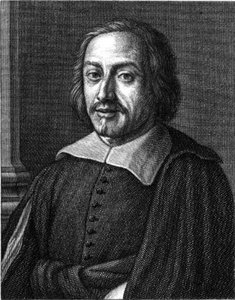
Matteo Rosselli
1578 - 1650 , Italy
Osnovne informacije
- Artistic Movement Or Style: Counter-Manierism & Baroque
- Artists Or Movements Influenced By This Artist: ['Domenico Passignano']
- Artists Who Influenced This Artist: ['Gregorio Pagani']
- Date Of Birth: August 10, 1578
- Date Of Death: January 18, 1650
- Full Name: Matteo Rosselli
- Nationality: Italian
- Notable Artworks:
- San Lorenzo Che Distribuisce I Beni Della Chiesa Ai Poveri E Risana Un Cieco
- Invenzione Della Santa Croce
- Place Of Birth: Florence, Italy

