

 Pregledaj u prostoru
 Pošalji
 Podeli
 Detalji o delu

 Преузми
 Slični predmeti
 Rendgenski snimak
 Slajdovi
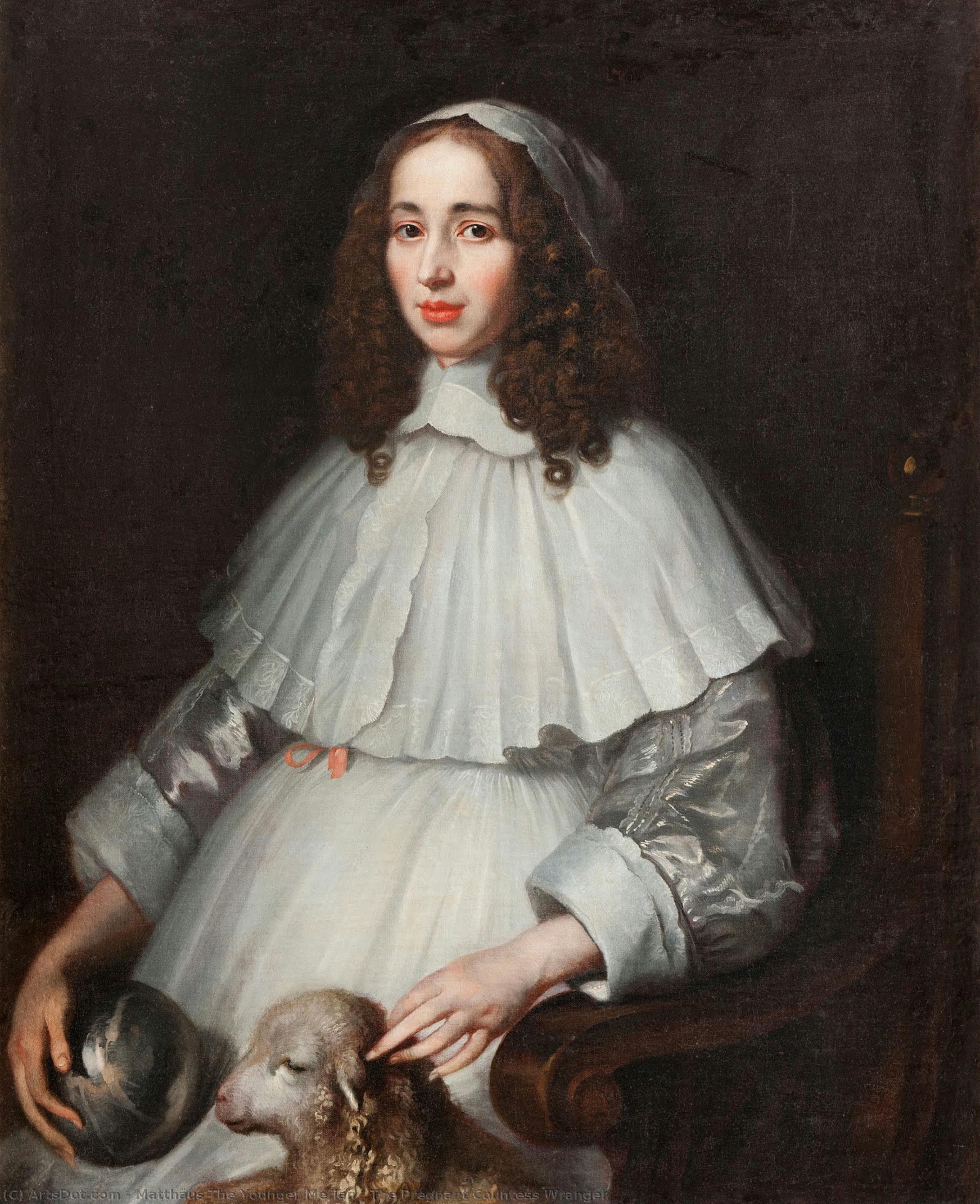
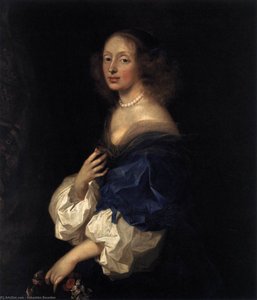
The Pregnant Countess Wrangel


 Pročitaj više
Kupite digitalnu sliku visoke rezolucije i poboljšanog kvaliteta, koja je znatno superiornija od onoga što vidite u online prikazu.
Svaka datoteka je pedantno pripremljena od strane naših stručnjaka koristeći napredne alate i profesionalnu ručnu retušu. Osiguravamo da svaka slika ima izuzetnu oštrinu, preciznu reprodukciju boja i fine detalje.
Konačna datoteka se dostavlja putem e-pošte u roku od 72 sata, optimizovana za neposrednu upotrebu u profesionalnim, izdavačkim i štamparskim okruženjima. To je isti kvalitet kojem veruju vrhunski studiji dizajna, izdavači i galerije.
Digitalna slika
Preuzmite datoteku visoke rezolucije za ličnu upotrebu, štampanje i kreativne projekte. ( Kupi print Kupi ručno naslikanu sliku)
Uključeno uz svaku porudžbinu digitalne slike
Profesionalna digitalna isporuka, zagarantovana
Kada odaberete ArtsDot.com, ne dobijate samo sliku – vi primate profesionalno unapređeno digitalno umetničko delo, izrađeno sa najvećom preciznošću i uz garanciju zadovoljstva. Evo svega što automatski dolazi uz vašu porudžbinu:

Brza dostava putem e-pošte
Vaša digitalna slika visoke rezolucije biće vam poslata putem e-pošte u roku od 72 sata od poručivanja – spremna za trenutnu upotrebu.

Digitalna datoteka unapređena veštačkom inteligencijom
Vaše umetničko delo je profesionalno optimizovano korišćenjem naprednih AI alata i ručne obrade, čime se osiguravaju maksimalni detalji, oštrina i preciznost boja.

Besplatna ponovna isporuka doživotno
Slučajno ste obrisali ili izgubili svoju datoteku? Ne brinite – poslaćemo vam je ponovo u bilo kom trenutku, potpuno besplatno.

Bez troškova uvoza – zauvek
Uživajte u svojim umetničkim delima trenutno, bez carine, dažbina ili troškova dostave – digitalni download je uvek bez poreza.

Garancija vernosti boja
Uz pomoć profesionalnih alata i upravljanja bojama, osiguravamo da vaša digitalna slika što vernije odražava originalne boje.

Garancija zadovoljstva u roku od 60 dana
Ako niste zadovoljni svojom digitalnom slikom, revidirat ćemo je ili vratiti 100% novca u roku od 60 dana – bez ikakvih pitanja.

100% garancija povrata novca
Niste zadovoljni? Obezbedite pun povrat novca u roku od 60 dana od trenutka kada ste primili svoju digitalnu datoteku – bez suvišnih pitanja.

Popusti na velike porudžbine
Kupite 3 slike, uštedite 10% - Kupite 5 slika, uštedite 15% - Kupite 10+ slika, uštedite 20%. Odlično za kreativne projekte, galerije i agencije.
A Vision of Baroque Tenderness
In the quiet intimacy of 1651, Matthäus Merian the Younger captured a moment that transcends the mere documentation of nobility, offering instead a profound meditation on life, continuity, and grace. The Pregnant Countess Wrangel is not simply a portrait of status; it is an evocative tableau that invites the viewer into a private sanctuary of maternal anticipation. The composition centers on the Countess, draped in a luminous white gown that seems to catch the soft, ambient light of a mid-seventeenth-century interior. Her presence is both regal and deeply human, anchored by the gentle weight of her pregnancy and the tender connection she shares with the small sheep resting against her lap. This unexpected juxtaposition of aristocratic elegance and pastoral innocence creates a narrative tension that is both soothing and intellectually stimulating.
The artistry of Merian the Younger shines through in his masterful command of texture and light, hallmarks of the Baroque era. Every fold of the Countess’s ruffled collar and every intricate detail of her lace-up bodice serves to highlight the artist's precision—a skill honed from his lineage of master engravers. The way the fabric cascades around her form suggests a tactile reality, making the scene feel almost breathable. Through subtle chiaroscuro, Merian directs our gaze from the luminous skin of the subject to the soft, woolly texture of the sheep, creating a rhythmic movement across the canvas. For the discerning collector or interior designer, this painting offers a sophisticated interplay of light and shadow that can serve as a soulful focal point in any curated space.
Symbolism and the Cycle of Life
Beyond its aesthetic splendor, the painting is rich with the symbolic language of the 17th century. The presence of the sheep, often a symbol of innocence, purity, and even sacrifice, acts as a poignant metaphor for the burgeoning life within the Countess. It mirrors the vulnerability and the sacredness of the maternal journey. The surrounding figures—the watchful presence behind her and the partially visible companion to the side—suggest a world of support and communal continuity, reinforcing the idea that the arrival of new life is a shared human triumph. This layer of meaning elevates the work from a mere portrait to a timeless allegory of fertility and the enduring cycles of nature.
For those seeking to bring a piece of history into their homes, a high-quality reproduction of this masterpiece offers more than just decoration; it provides an emotional anchor. The painting’s palette, dominated by soft whites, earthy tones, and deep shadows, possesses a versatile elegance that complements both classical and contemporary interiors. It evokes a sense of calm, dignity, and historical depth, making it an ideal selection for those who appreciate art that tells a story of profound human connection. To hang such a work is to invite a conversation about heritage, tenderness, and the beautiful complexity of the human experience into one's daily environment.
Srodna umetnička dela

Biografija umetnika
A Legacy of Precision: The Life and Art of Matthäus Merian the Younger
In the grand tapestry of the seventeenth century, few threads are as intricate or as vital as those woven by Matthäus Merian the Younger. Born in the historic Swiss city of Basel in 1621, Merian was destined to inherit a profound artistic lineage. As the eldest son of the renowned engraver Matthäus Merian the Elder, his very existence was intertwined with the burgeoning world of scientific illustration and cartographic excellence. His early years were shaped by a rigorous apprenticeship under Dietrich Meyer in Zürich, where he mastered the foundational principles of Renaissance composition. This early training instilled in him a reverence for detail that would later define his career, allowing him to bridge the gap between the raw observation of nature and the refined elegance of Baroque artistry.
The journey of Merian’s development was one of constant movement across the vibrant cultural hubs of Europe. His travels took him through the artistic heartlands of Paris, Amsterdam, and London, where he encountered the transformative energies of the era's greatest masters. It is whispered in the annals of art history that his time in London brought him into the orbit of Anthonis van Dyck, an encounter that undoubtedly deepened his understanding of psychological depth and the regal grace required for high-society portraiture. These wanderings were not merely for leisure but were essential pilgrimages of style; by absorbing the dramatic chiaroscuro of the Caravaggisti and the atmospheric realism found in the Low Countries, Merian developed a versatile hand capable of both the microscopic precision of an engraver and the sweeping grandeur of a painter.
The Architect of Landscapes and the Cartographic Vision
While his talent for portraiture earned him prestige among the nobility, Merian’s most enduring contribution to the historical record lies in his monumental work as a publisher and topographical illustrator. Following the passing of his father in 1650, Merian, alongside his brother Caspar, took up the mantle of the family publishing house in Frankfurt. This period marked the height of his collaborative genius. Together, they continued the production of the Topographia Germaniae and the Theatrum Europaeum—works that were far more than mere maps. They were breathtaking visual encyclopedias that captured the very soul of the German landscapes, documenting cities, flora, fauna, and the shifting political boundaries of a continent in flux.
To look upon a Merian engraving is to witness a marriage of science and art. His work demanded an unparalleled level of accuracy, yet it was never devoid of aesthetic wonder. He possessed the rare ability to render the rugged textures of a forest or the intricate architecture of a cathedral with such fidelity that his prints served as essential tools for both scholars and travelers alike. This dedication to scientific observation ensured that his name would be forever linked to the Age of Enlightenment, providing a visual foundation upon which future generations of naturalists and historians would build their understanding of the natural world.
Portraiture, Altarpieces, and Final Reflections
Beyond the meticulous lines of his maps, Merian the Younger achieved significant acclaim as a portraitist of the European elite. His ability to capture the dignity of his subjects was perhaps most famously demonstrated during the coronation of Leopold I in Frankfurt in 1658. Whether he was portraying the Swedish military leader Carl Gustaf Wrangel or creating intimate, symbolic works like The Pregnant Countess Wrangel, Merian infused his subjects with a sense of timelessness and grace. His skill extended even into the sacred realm, where he composed moving altarpieces for prestigious locations such as the Bamberg Cathedral and the Barfüßerkirche in Frankfurt, proving that his artistic range could encompass both the secular majesty of kings and the spiritual devotion of the church.
As the seventeenth century drew to a close, Merian’s influence continued to resonate through the works of his pupils, including the talented Bartholomäus Kilian. Though the family publishing house eventually saw a decline in output, the artistic standard set by Matthäus remained an unshakeable benchmark. When he passed away in Frankfurt on February 15, 1687, he left behind a world that was more clearly mapped, more beautifully documented, and more artistically enriched. His life remains a testament to the power of observation—a legacy where every etched line serves as a window into the splendor of the Baroque era.
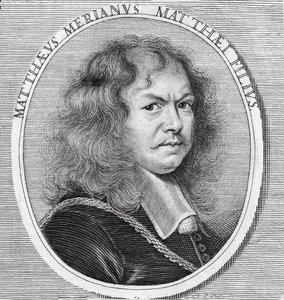
matthäus the younger merian
1621 - 1687 , Switzerland
Kratke činjenice
- Artistic Movement Or Style: Baroque
- Artists Or Movements Influenced By This Artist: Renaissance
- Artists Who Influenced This Artist: Dietrich Meyer
- Date Of Birth: March 25, 1621
- Date Of Death: February 15, 1687
- Full Name: Matthäus Merian the Younger
- Nationality: Swiss
- Notable Artworks:
- Hans Christoffer of Königsmarck
- Garden Of Burgermeister Schwind
- City map of Nuremberg, 1648
- Place Of Birth: Basel, Switzerland

