

 Pošalji
 Podeli
 Detalji o delu

 Преузми
 Slični predmeti
 Slajdovi
 Stats
StatsMadeleine Lafon


 Pročitaj više
Giclee štampa / Umetnički otisak
Giclée štampa ili print na platnu muzejskog kvaliteta uz brzu proizvodnju i fleksibilne opcije završne obrade. ( Kupi ručno naslikanu sliku Switch to Digital Image)




































Izaberite jednu od naših unapred definisanih veličina koje odgovaraju originalnim proporcijama umetničkog dela.

Možete uneti sopstvene dimenzije kako biste umetničko delo prilagodili specifičnom okviru ili prostoru. Ako odabrani format ne odgovara proporcijama originalne slike, mi ćemo ili iscrtati deo dela ili proširiti sliku pomoću ogledane ivice ili jednobojnog popunjavanja. Digitalni prikaz će vam biti poslat na odobrenje pre početka proizvodnje.
Imajte na umu da pregled na ekranu ne odražava stvarno iscrtavanje ili proširivanje. Samo će prikaz (mockup) precizno pokazati finalnu kompoziciju.
Iako su prilagođene dimenzije dostupne, preporučujemo da odaberete dimenziju sa unapred definisane liste kako biste očuvali originalne proporcije.
Dostava širom sveta () za 2 nedelje umesto uobičajenih 4/5 nedelja. (8 септембар)

Besplatna ekspresna dostava širom sveta

Visokokvalitetno laneno platno

Kompletno osiguranje transporta

Garancija povraćaja carine i uvoznih dažbina

Garancija vernosti boja

Politika povraćaja u roku od 100 dana (isključivo u slučaju nedostataka)

Garancija povrata novca od 100%

Popust pri grupnoj kupovini
 Opcija sa staklom dostupna je samo za dimenzije manje od 110 cm

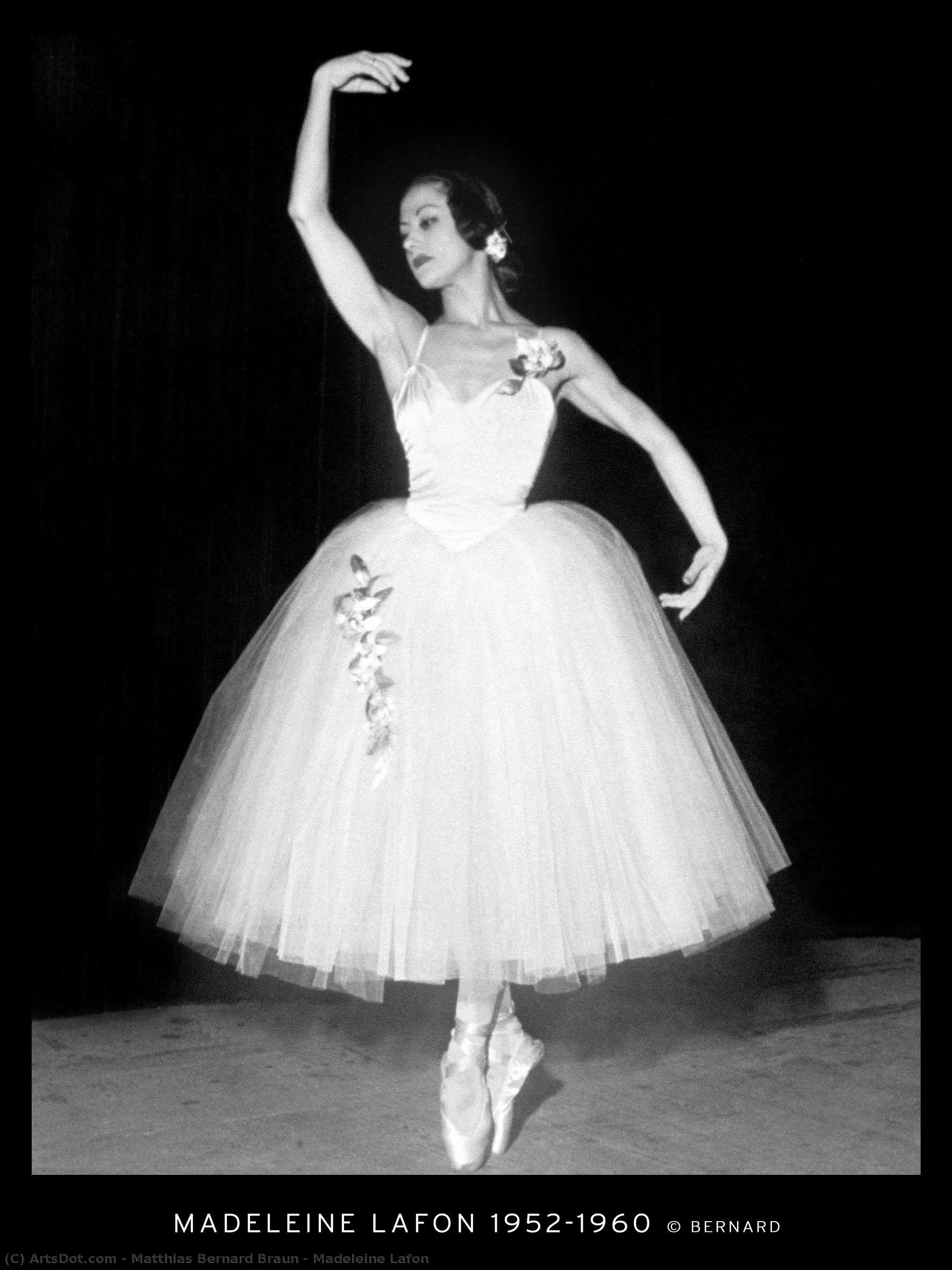
Madeleine Lafon
Giclee štampa / Umetnički otisak
Dimenzije reprodukcije
-


Konačna cena
$ 62
Madeleine Lafon - Matthias Bernard Braun: A Baroque Masterpiece Revisited
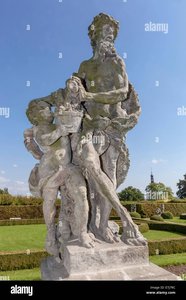
The artwork "Madeleine Lafon" by Matthias Bernard Braun stands as a testament to the grandeur and emotional depth of the Bohemian Baroque, capturing a moment of serene beauty within a meticulously crafted composition. Executed in 1725, this sculpture resides prominently at the National Gallery Prague (Czechia), offering visitors an unparalleled glimpse into the artistic sensibilities of its era.Subject Matter & Composition: Graceful Movement Amidst Stone
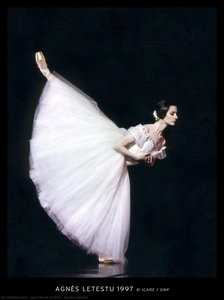
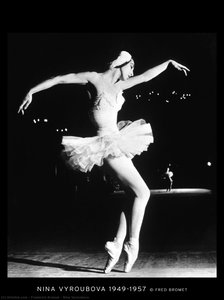
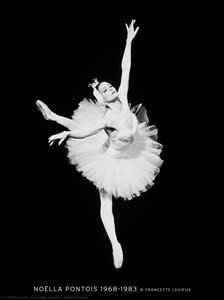
Braun’s depiction centers around a ballerina poised mid-performance—a figure embodying elegance and disciplined artistry. The sculptor skillfully employs a diagonal line traversing the sculpture's form, generating dynamic tension that draws the eye upwards towards the dancer’s torso. This deliberate placement underscores the importance of movement within stillness, reflecting the core tenets of Baroque aesthetics. The ballerina occupies most of the frame, emphasizing her centrality to the artwork’s narrative and visual impact.Technique & Material: Venetian Influence & Stone Carving Mastery
Braun's technique is rooted in the Venetian sculptural school, demonstrating exceptional mastery over stone carving—a medium favored for its ability to convey both solidity and expressive nuance. The sculpture utilizes sandstone, a material chosen not only for its durability but also for its tonal qualities that contribute to the overall mood of contemplative grace. Careful attention to detail—particularly in capturing the dancer’s musculature and drapery—highlights Braun's dedication to anatomical accuracy alongside artistic interpretation.Historical Context & Artistic Inspiration: Echoes of Michelangelo & Bernini
The sculpture emerged during a period marked by fervent religious fervor and opulent patronage, mirroring the stylistic trends prevalent throughout Europe at the time. Braun drew inspiration from titans of Renaissance art like Michelangelo Buonarroti and Gian Lorenzo Bernini—artists who championed dramatic lighting and emotive portrayal as vehicles for conveying spiritual truths. These influences are palpable in Braun’s masterful manipulation of light and shadow, creating a visual experience that transcends mere representation.Symbolism & Emotional Impact: Elegance, Discipline, and Spiritual Reflection
“Madeleine Lafon” transcends its material form to evoke profound emotions—primarily feelings of elegance, discipline, and spiritual reflection. Ballet itself symbolizes grace, precision, and unwavering dedication—values deeply ingrained in Baroque culture. Braun’s sculpture invites contemplation on these themes, prompting viewers to appreciate the beauty inherent in controlled movement and artistic excellence. It serves as a poignant reminder of the enduring power of art to inspire awe and elevate the human spirit.Concluding Remarks: A Legacy Enduring Through Time
Braun's "Madeleine Lafon" remains an iconic exemplar of Baroque sculpture, captivating audiences with its harmonious blend of technical skill and expressive vision. Its presence at the National Gallery Prague ensures that this masterpiece continues to resonate across generations, cementing Matthias Bernard Braun’s place as one of the most influential sculptors of his time—a true embodiment of artistic brilliance.Srodna umetnička dela


Biografija umetnika
The Bohemian Baroque Titan: The Life and Legacy of Matthias Bernard Braun
In the heart of Central Europe, where the dramatic landscapes of Bohemia meet the spiritual fervor of the Counter-Reformation, the name Matthias Bernard Braun resonates with the weight of stone and the fluidity of motion. Born in 1684 in the small Tyrolean village of Sautens, near Innsbruck, Braun was a sculptor whose hands possessed the rare ability to breathe life into cold minerals. His early years were shaped by the rugged, pious atmosphere of the Stams monastery region, where he began his apprenticeship under the esteemed Andreas Tamash. This formative period in Tyrol provided him with a foundational mastery of stone carving, yet it was only through his subsequent wanderings that his true artistic soul began to emerge from the mountain mists.
The trajectory of Braun’s life changed irrevocably when he embarked on a transformative journey through the great cradles of Italian art. At a young age, he traversed the vibrant landscapes of Venice, Bologna, and Rome, immersing himself in the pulsating energy of the High Baroque. Here, the shadows of Michelangelo Buonarroti and the theatrical, swirling dynamism of Gian Lorenzo Bernini became his silent mentors. He did not merely observe these masters; he absorbed their essence—the way light dances across a furrowed brow, the way drapery seems to catch an invisible wind, and the profound emotional tension held within a single, poised gesture. This Venetian-inflected sensibility, characterized by a certain rhythmic grace and intense psychological depth, would become the hallmark of his later masterpieces.
A Symphony in Stone: The Prague Years and the Kuks Masterpiece
While his roots were Austrian, Braun’s destiny was inextricably linked to the cobblestones of Prague. Arriving in the Bohemian capital around 1708, he found a city ripe with architectural ambition and religious devotion. His ascent was accelerated by the patronage of the influential Count František Antonín Špork, a nobleman whose vision for monumental art provided Braun with the canvas necessary to execute his most ambitious dreams. It was during this era that Braun established himself as a central figure in the Prague Sculptors' Guild, transforming the city’s skyline and its most sacred landmarks with works of unparalleled expressive power.
Perhaps no location serves as a more profound testament to his genius than Kuks. Under the commission of Count Špork, Braun orchestrated a sculptural program that remains one of the pinnacles of Baroque achievement. In the natural setting of Bethlehem, he sculpted the Virtues and Vices, a series of figures that transcend mere decoration to become profound allegories of human morality. These works are not static; they are caught in a state of perpetual becoming, their limbs twisting with an organic vitality that seems to defy the very medium of sandstone. His ability to weave complex theological narratives into the physical movement of stone allowed him to bridge the gap between the earthly and the divine.
Beyond the hospital at Kuks, Braun’s influence draped itself across the most iconic artery of Prague: the Charles Bridge. His contributions to this historic span, including the hauntingly beautiful Dream of St. Luitgarde and the commanding presence of St. Ives, brought a new level of dramatic intensity to the riverfront. To walk past these statues is to witness a masterclass in the use of light and shadow—a technique where deep undercuts create dark recesses that contrast sharply with polished surfaces, forcing the viewer’s eye to follow the undulating rhythm of the composition.
Historical Significance and Artistic Endurance
The legacy of Matthias Bernard Braun is not merely found in the museums that house his smaller works, but in the very atmosphere of Central European Baroque architecture. He was a bridge between the traditions of the Alps and the sophisticated theatricality of Italy, synthesizing these influences into a uniquely Bohemian style. His work represents the zenith of the late Baroque period, a time when art sought to overwhelm the senses and stir the soul through sheer technical virtuosity and emotional honesty.
Even as the tides of art history shifted toward Neoclassicism, Braun’s ability to capture the "drama of movement in space" ensured his permanence in the canon of great sculptors. His life remains a testament to the power of artistic migration—how a young apprentice from a Tyrolean village could, through study and patronage, reshape the cultural identity of an entire region. Today, we look upon his rugged, expressive stone figures not just as relics of the 18th century, but as enduring symbols of human passion captured in eternal, unyielding form.
matthias bernard braun
1684 - 1738 , Austria
Osnovne informacije
- Artistic Movement Or Style: Baroque
- Artists Or Movements Influenced By This Artist: ['Venetian sculptural school']
- Artists Who Influenced This Artist:
- Michelangelo Buonarroti
- Gian Lorenzo Bernini
- Date Of Birth: February 24, 1684
- Date Of Death: February 15, 1738
- Full Name: Matthias Bernard Braun
- Nationality: Austrian
- Notable Artworks:
- St Jude Thaddeus
- Bethlehem
- Market in Pont-Aven
- Place Of Birth: Sautens, Tyrol
Povezani članci

Bronze Age to Modern Masters: 10 Sculptures That Redefined Art | ArtsDot
Journey through art history with 10 legendary bronze sculptures – from Michelangelo's David to Rodin’s Thinker. Explore the stories, techniques & timeless beauty of these masterpieces. Find museum-quality reproductions & elevate your home decor on ArtsDot.com.

Bronze Sculptures That Defined Art History | ArtsDot
Journey through art history with our Top 10 bronze sculptures! Explore masterpieces by Rodin, Michelangelo & more. Discover stories behind iconic statues and find museum-quality reproductions for your home decor at ArtsDot.com.

Theatricality & Triumph: Baroque Drama in Painting & Sculpture
Explore the dramatic world of Baroque art! Discover its history, defining characteristics, & lasting influence on painting & sculpture. Expert insights into Caravaggio, Zurbarán, and Bernini – plus high-quality reproductions at ArtsDot.

The Enduring Form: Exploring Themes & Techniques in Sculpture Across Historical Periods
Explore the rich history of sculpture from ancient masterpieces to contemporary innovations. Discover key techniques, influential artists & investment potential for discerning art collectors.

The Enduring Form: Sculpture Across History, Technique & Emotional Resonance
Explore the rich history of sculpture with ArtsDot. Discover key techniques, influential artists & investment potential for discerning collectors. Expert insights into valuing and collecting timeless masterpieces.