

 Pregledaj u prostoru
 Pošalji
 Podeli
 Detalji o delu

 Преузми
 Slični predmeti
 Rendgenski snimak
 Slajdovi
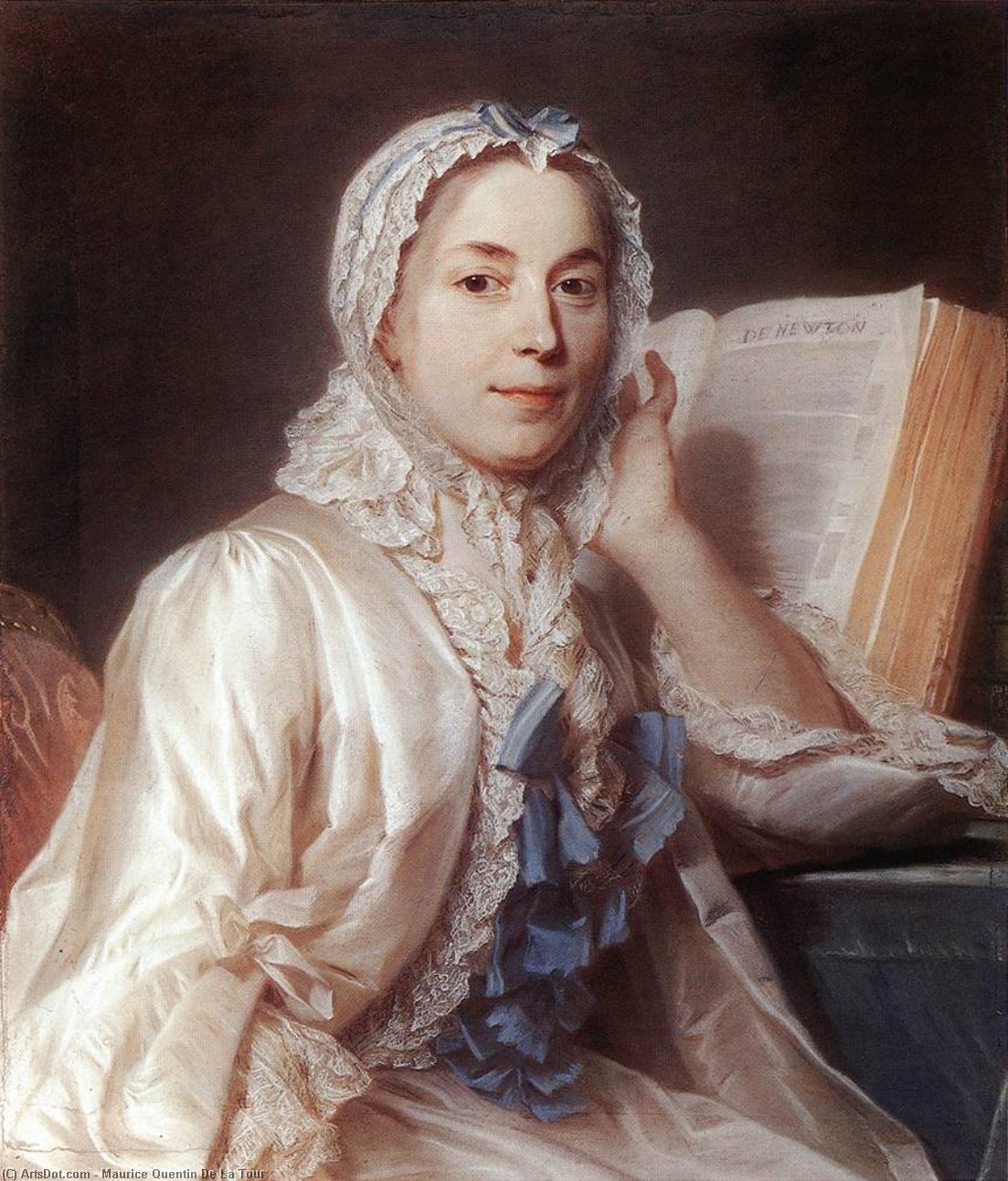
Mlle Ferrand Meditating on Newton
 Pastel
- Rococo Portraiture
 1753
1753 73.0 x 60.0 cm
 Alte Pinakothek
 Pročitaj više
Ručno rađena uljana reprodukcija
Ručno oslikano uljanim bojama na platnu u dimenzijama i okviru po vašem izboru, izrađeno po porudžbini od strane naših umetnika. ( Kupi print Kupi digitalnu sliku)




P118B $10

P118H $10

P118W $10

P438Z $10

P508JH $12

P508YH $12

P805H $10

P805Z $10

P919BZ $10

P919G $10

P919XJ $10

P959ZH $10

P968JZ $12

W106C $8

W218G $10

W218JH $8

W218Y $10

W307PJ $10

W316G $10

W316PJ $8

W316Y $10

W398PJ $8

W4111J $10

W500HY $15

W500JH $15

W692G $12

W849H $8

W940BG $15

W953PJ $8




Izaberite jednu od naših unapred definisanih veličina koje odgovaraju originalnim proporcijama umetničkog dela.

Можете унети сопствене димензије како бисте прилагодили дело одређеном оквиру или простору. Ако одабрана величина не одговара пропорцијама оригинала, слика ће бити исечена или проширена додатним елементима који се ручно насликавају. Дигитални prikaz ће вам бити послат на одобрење пре почетка производње.
Имајте на уму да преглед на екрану не одражава стварно исецање или проширење. Само приказ (mockup) ће тачно приказати коначну композицију.
Иако су доступне прилагођене величине, препоручујемо да одаберете димензију из дефинисане листе како бисте сачували оригиналне пропорције.
Nakon narudžbine, tim ArtsDot.com će klijentu putem e-pošte poslati uputstva i dostaviti prikaz predloženog rešenja
Isporuka širom sveta () za 3/4 nedelje umesto uobičajenih 5 nedelja. (6 септембар). Bez kompromisa po pitanju kvaliteta.

Besplatna ekspresna dostava širom sveta

Visokokvalitetno laneno platno

Kompletno osiguranje transporta

Garancija povraćaja carine i uvoznih dažbina

Garancija vernosti boja

Politika povrata u roku od 60 dana (samo u slučaju nedostataka)

Garancija povrata novca od 100%

Popust pri grupnoj kupovini
 Opcija sa staklom dostupna je samo za dimenzije manje od 110 cm

Mlle Ferrand Meditating on Newton
Tehnika reprodukcije
Dimenzije reprodukcije
-


Konačna cena
$ 263
The Enigmatic Contemplation of Mlle Ferrand
Maurice Quentin de La Tour’s “Mlle Ferrand Meditating on Newton,” painted in 1753, is more than just a portrait; it's a carefully constructed tableau of intellect, serenity, and subtle intrigue. Held within the esteemed Alte Pinakothek in Munich, this pastel masterpiece invites viewers into a private moment of profound thought, capturing the essence of a young woman lost in contemplation. La Tour, a master of the Rococo style, expertly utilizes the delicate medium of pastel to achieve an unparalleled softness and luminosity, imbuing the scene with a dreamlike quality that belies the meticulous detail present throughout. The painting’s power lies not just in its technical brilliance but also in its ability to evoke a sense of quiet mystery—a question posed rather than a simple likeness rendered.A Portrait of an Era: Context and Technique
The mid-18th century, the period during which “Mlle Ferrand Meditating on Newton” was created, witnessed a flourishing of intellectual curiosity and artistic innovation in France. The Enlightenment was in full swing, challenging established norms and fostering a spirit of inquiry that permeated all aspects of society. La Tour’s work reflects this cultural shift, moving beyond mere representation to explore the inner lives of his subjects. He skillfully employed the pastel technique, perfected by Rosalba Carriera, allowing for subtle gradations of tone and color—a crucial element in capturing the nuanced expressions and fleeting emotions that characterized Rococo portraiture. The layering of pastels creates a remarkable sense of depth and texture, mimicking the feel of fabric and skin with astonishing accuracy. Notice how he builds up the light on Mlle Ferrand’s face, creating an almost ethereal glow, while simultaneously employing darker tones to define her features and suggest the weight of her thoughts.The Subject: Élisabeth Ferrand – A Woman of Letters
Élisabeth Ferrand herself was a significant figure in Parisian intellectual circles. Born in 1700, she was a salon-holder—a hostess who cultivated an environment for discussion and debate among artists, writers, and philosophers. Her circle included luminaries such as Voltaire and Jean-Jacques Rousseau, suggesting that La Tour’s portrait wasn't simply a depiction of a young woman but rather a representation of the intellectual vibrancy of her time. The inclusion of Newton’s Principia Mathematica in her hands is particularly telling. It’s not merely an academic prop; it symbolizes Ferrand’s engagement with the revolutionary ideas reshaping European thought. She isn’t passively receiving knowledge, but actively wrestling with complex concepts—a visual representation of a woman challenging conventional expectations and embracing intellectual pursuits.Symbolism and Emotional Resonance
Beyond its historical context, “Mlle Ferrand Meditating on Newton” is rich in symbolic meaning. The closed book suggests introspection and the pursuit of inner wisdom. Her posture – slightly reclined, hand resting lightly on the book—conveys a sense of calm concentration, yet there’s also an underlying tension, as if she's grappling with a profound question. La Tour masterfully captures this duality through subtle shifts in expression—a hint of melancholy mixed with intellectual curiosity. The muted color palette further enhances the painting’s emotional impact, creating a mood of contemplative serenity. It is a portrait that invites us to share in her private world, to contemplate alongside her, and to ponder the mysteries of knowledge and existence. The overall effect is one of quiet beauty and profound insight—a timeless testament to the power of art to capture the complexities of human experience.Srodna umetnička dela
Biografija umetnika
Живот и рани године Мориса Кентена де Тура
Морис Кентен де Тур, рођен 5. септембра 1704. године у Сен-Кантену у Француској, био је изузетан представник Рококо стила, познат по својим прелепим портретима израђеним пастелом. Његово детињство било је обележено музиком; његов отац, Франсоа де Тур, био је музичар на двору војводе од Мена. Ипак, Морис није следио очеве стопе већ се определио за сликарство, иако је то у почетку наишло на отпор породице. Преселивши се у Париз око 1724. године, започео је своју уметничку каријеру под менторством Жака Споедеа, а кратко време провео је и у Ремсу где је стекао додатна знања. Путовање у Енглеску 1725. године имало је значајан утицај на његов стил, отварајући му нове перспективе у свету портрета. Већ рани радови, попут портрета Волтера из 1731. године, показали су његов таленат за хватање карактера и сличности са моделом, а штампање овог портрета од стране Ланглоа допринело је његовом растућем угледу.Уметнички стил и значајна дела
Де Тур је постао синоним за мајсторство у раду са пастелом. Користио је ову медијум да створи портрете изузетне мекоће и деликатности, хватајући суптилне нијансе израза лица и текстуре коже. Његов рад оличава Рококо стил, карактеристичан по елеганцији, грациозности и фокусу на приказивању модне друштвене елите. Међу његовим најзначајнијим делима издвајају се портрет Волтера (1731), који је учврстио његов углед у раној фази каријере, самопортрет "Смејући се" (око 1737. године) – дело које демонстрира његову способност да прикаже личност и духовит дух, портрет мадам де Помпадур – значајна наруџбина која је потврдила његов таленат за репродукцију ликова познатих личности, као и серија портрета Луја XV који су учврстили његов положај на двору. Редовно је излагао на Париском салону током три деценије, где је приказао око 150 портрета, што је постало посебан догађај за посетиоце.Признање и каснији живот
Године 1737. Де Тур је добио признање Краљевске академије сликарства и скулптуре, а 1750. године именован је за дворског портретисту краља Луја XV. Како је његово богатство расло, посветио се филантропији, основавши школу цртања у Сен-Кантену и помажући сиромашним уметницима. Међутим, око 1773. године доживео је нервни слом који га је довео до периода менталне болести и на крају повратка у његов родни град Сен-Кантен.Наслеђе и историјски значај
Портрети Мориса Кентена де Тура су високо цењени због психолошке проницљивости и техничке бриљантности. Он је уздигао пастел портрета на нови ниво, утичући на касније генерације уметника. Његова способност да зароби суштину својих модела – њихову личност, интелигенцију и друштвени статус – учинила га је једним од најтраженијих портретиста његовог времена. Данас се његови радови чувају у престижним музејима широм света, укључујући Лувр, пружајући драгоцене увиде у француско друштво и уметничку праксу 18. века. Његов рад је вечни пример елеганције, грациозности и психолошке дубине.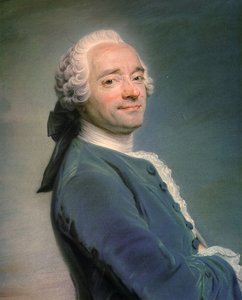
Морис Кентан Де Ла Тур
1704 - 1788 , Француска
Osnovne informacije
- Artistic Movement Or Style: Rokoko
- Date Of Birth: 5. septembar 1704.
- Date Of Death: 17. februar 1788.
- Full Name: Maurice Quentin de La Tour
- Nationality: Francuz
- Notable Artworks:
- Portret Voltera
- Samoportret smejući se
- Portret gospođe Pompadur
- Place Of Birth (City And Country): Saint-Quentin, Francuska
Povezani članci
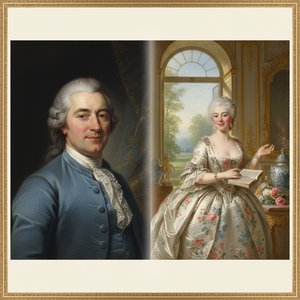
Maurice Quentin de La Tour: Light, Shadow & the Rococo Portrait
Explore the captivating world of Maurice Quentin de La Tour, a master of Rococo portraiture. Discover his innovative pastel techniques, intimate depictions of French aristocracy, and lasting artistic legacy. Learn more at ArtsDot.

Francisco Goya: 25 Remek-dela Španskog Majstora za Vaš Dom | ArtsDot
Istražite 25 remek-dela Francisca Goya, španskog slikara romantizma i impresionizma. Portreti, tamne slike & istorija umetnosti na ArtsDot.com! Kupite reprodukcije slika vrhunskog kvaliteta za dekoraciju enterijera. Otkrijte celu kolekciju online.
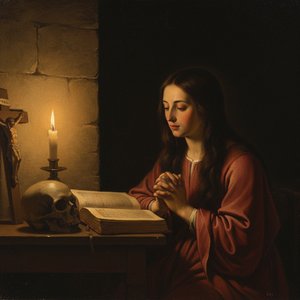
Georges de La Tour: Luminosity, Spirituality & Realism in Baroque Painting
Discover the captivating world of Georges de La Tour, a Baroque master renowned for his dramatic chiaroscuro & spiritual realism. Explore key works, influences, and his remarkable rediscovery. Learn more at ArtsDot.

The Rococo Aesthetic: Opulence, Rebellion & the Pursuit of Pleasure in 18th-Century Art
Explore the opulent world of Rococo art! Discover its origins, key artists like Watteau & Boucher, and lasting influence on design. Expert insights for collectors & enthusiasts.
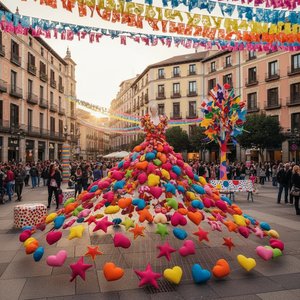
Águeda Ruiz de la Prada: A Study of Eclecticism & Emotional Resonance in Contemporary Spanish Painting
Discover the vibrant world of Ágatha Ruiz de la Prada, a leading figure in contemporary Spanish art. Explore her eclectic style, emotional depth & legacy – a must-read for discerning collectors.

