

 Pregledaj u prostoru
 Pošalji
 Podeli
 Detalji o delu

 Преузми
 Slični predmeti
 Rendgenski snimak
 Slajdovi
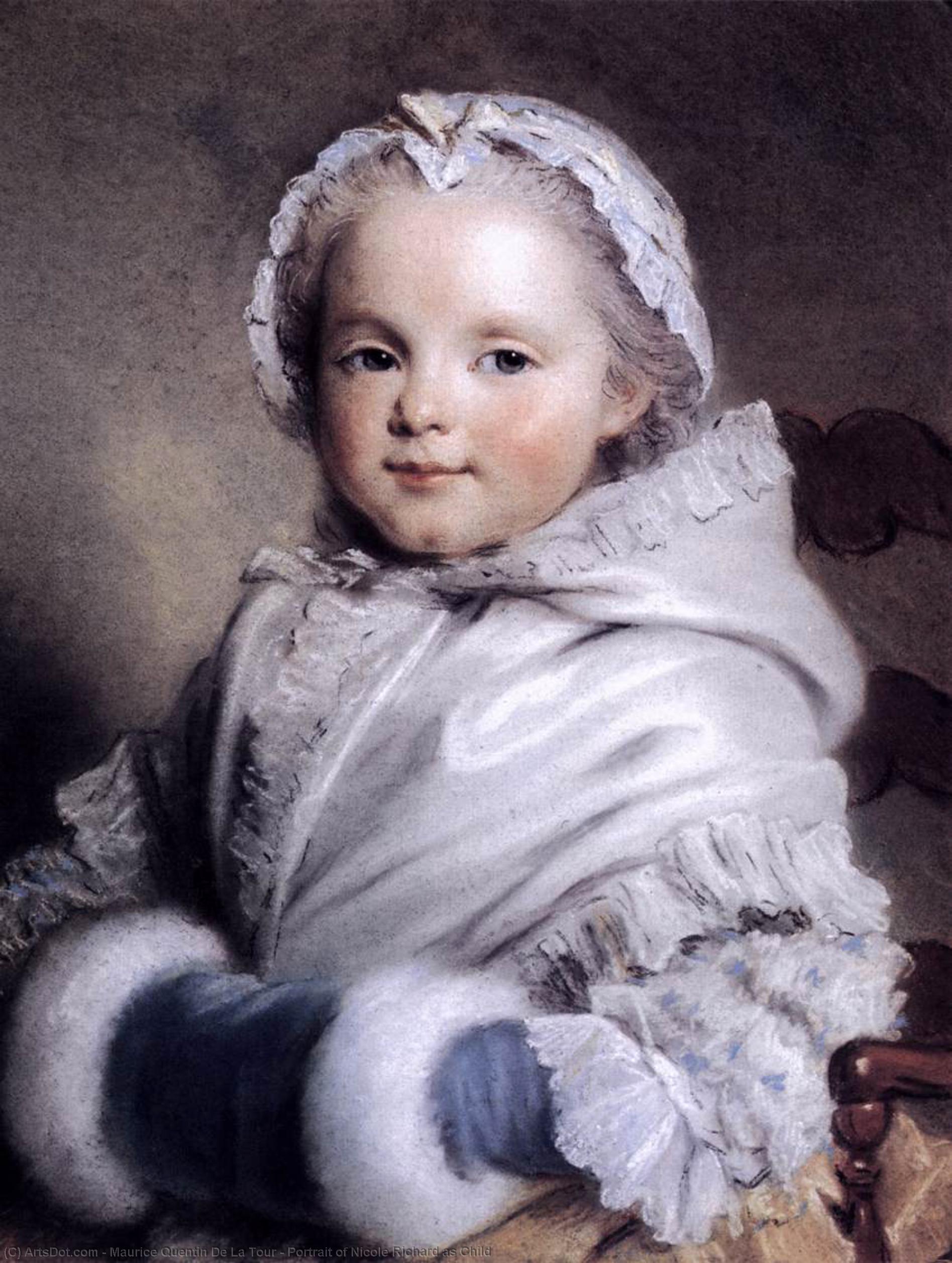
Portrait of Nicole Richard as Child
 Acrylic On Canvas
- WallArt
- Rococo Portraiture
 1748
1748 454.0 x 358.0 cm
 Louvre
 Pročitaj više
Giclee štampa / Umetnički otisak
Giclée štampa ili print na platnu muzejskog kvaliteta uz brzu proizvodnju i fleksibilne opcije završne obrade. ( Kupi ručno naslikanu sliku Kupi digitalnu sliku)




P118B $10

P118H $10

P118W $10

P438Z $10

P508JH $12

P508YH $12

P805H $10

P805Z $10

P919BZ $10

P919G $10

P919XJ $10

P959ZH $10

P968JZ $12

W106C $8

W218G $10

W218JH $8

W218Y $10

W307PJ $10

W316G $10

W316PJ $8

W316Y $10

W398PJ $8

W4111J $10

W500HY $15

W500JH $15

W692G $12

W849H $8

W940BG $15

W953PJ $8




Izaberite jednu od naših unapred definisanih veličina koje odgovaraju originalnim proporcijama umetničkog dela.

Možete uneti sopstvene dimenzije kako biste umetničko delo prilagodili specifičnom okviru ili prostoru. Ako odabrani format ne odgovara proporcijama originalne slike, mi ćemo ili iscrtati deo dela ili proširiti sliku pomoću ogledane ivice ili jednobojnog popunjavanja. Digitalni prikaz će vam biti poslat na odobrenje pre početka proizvodnje.
Imajte na umu da pregled na ekranu ne odražava stvarno iscrtavanje ili proširivanje. Samo će prikaz (mockup) precizno pokazati finalnu kompoziciju.
Iako su prilagođene dimenzije dostupne, preporučujemo da odaberete dimenziju sa unapred definisane liste kako biste očuvali originalne proporcije.
Dostava širom sveta () za 2 nedelje umesto uobičajenih 4/5 nedelja. (1 септембар)

Besplatna ekspresna dostava širom sveta

Visokokvalitetno laneno platno

Kompletno osiguranje transporta

Garancija povraćaja carine i uvoznih dažbina

Garancija vernosti boja

Politika povrata u roku od 60 dana (samo u slučaju nedostataka)

Garancija povrata novca od 100%

Popust pri grupnoj kupovini
 Opcija sa staklom dostupna je samo za dimenzije manje od 110 cm

Portrait of Nicole Richard as Child
Giclee štampa / Umetnički otisak
Dimenzije reprodukcije
-


Konačna cena
$ 62
Portrait of Nicole Richard as Child: A Pastel Masterpiece by Maurice Quentin de La Tour
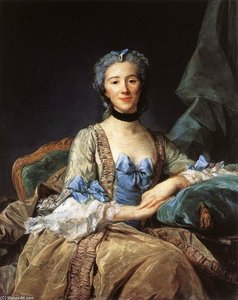
Maurice Quentin de La Tour’s “Portrait of Nicole Richard as Child,” painted in 1748, is more than just a charming depiction of youthful innocence; it's a remarkably intimate window into the Rococo era of French aristocratic life. This pastel portrait, measuring an impressive 454 x 358 cm, showcases de La Tour’s unparalleled skill in capturing character and emotion through delicate layers of color and subtle shading – techniques that firmly established him as one of the foremost portraitists of his time. The painting immediately draws the viewer in with Nicole Richard's radiant smile, a gesture both genuine and captivating, suggesting a personality brimming with curiosity and vitality despite her young age.
De La Tour’s mastery lies not just in replicating likeness but in conveying an inner world. Notice how he utilizes light to sculpt the girl’s face – a soft glow illuminating her cheekbones and highlighting the delicate curve of her lips. The subtle variations in pastel tone create a sense of depth, moving beyond mere representation to evoke a feeling of warmth and tenderness. The choice of pastel itself is significant; it was a relatively new medium at this time, favored for its ability to achieve luminous effects and capture fleeting expressions – qualities perfectly suited to de La Tour’s artistic vision.
Rococo Intimacy and Courtly Life
To fully appreciate “Portrait of Nicole Richard as Child,” we must understand the context in which it was created. The Rococo period, flourishing in 18th-century France, was characterized by a shift away from the grandeur of the Baroque era towards an atmosphere of elegance, frivolity, and intimate social gatherings. Portraits during this time were not simply records of appearance; they were carefully constructed statements about status, wealth, and social connections. De La Tour’s work exemplifies this trend, offering a glimpse into the refined world of French nobility.
The inclusion of the two figures in the background – a man standing behind Nicole and another further back – adds layers of narrative to the scene. While their identities remain somewhat enigmatic, they likely represent members of Nicole’s family or social circle, subtly reinforcing her position within this elite network. The simple chair or bench in the background provides a grounding element, anchoring the portrait within a domestic setting and suggesting a sense of comfort and familiarity.
Technique and Artistic Innovation
De La Tour's technique is truly remarkable. He was a pioneer in pastel painting, pushing the medium’s boundaries through his innovative layering and blending techniques. Unlike oil paints, pastels offer unparalleled control over color and tone, allowing for incredibly subtle gradations and delicate details. De La Tour expertly exploited this advantage, creating an image that feels both luminous and remarkably tactile – you can almost feel the softness of the pastel strokes.
Furthermore, de La Tour’s use of light is particularly noteworthy. He masterfully employs chiaroscuro—the contrast between light and dark—to create a sense of drama and depth. The subtle shadows that fall across Nicole's face not only define her features but also contribute to the overall mood of the portrait, imbuing it with an air of mystery and intrigue. His ability to capture fleeting expressions – like the slight upturn of Nicole’s lips – is a testament to his keen observational skills and artistic sensitivity.
Symbolism and Emotional Resonance
Beyond its technical brilliance, “Portrait of Nicole Richard as Child” resonates with profound emotional depth. The girl's youthful innocence and radiant smile evoke feelings of warmth, joy, and hope. The pearl necklace she wears—a symbol of purity and refinement—further emphasizes her privileged status and suggests a future filled with promise. De La Tour’s portrait is not merely a likeness; it’s an embodiment of the ideals of beauty, grace, and social harmony that defined the Rococo era.
Reproductions of this exquisite work offer a unique opportunity to bring this captivating scene into your home or office. ArtsDot's hand-painted reproductions faithfully capture the original’s delicate details and vibrant colors, allowing you to experience the artistry of Maurice Quentin de La Tour in stunning clarity. Whether you are an art enthusiast, collector, or simply seeking a touch of timeless elegance, this portrait is sure to be a cherished addition to any collection.
Srodna umetnička dela
![Three Studies Of A Woman's Head And A Study Of Hands [recto], — Žan Antoan Vato, Rococo Style](/media/artworks/images-thumb/65/73/65730255a762c06e3235059db7ffcb5f.jpg)
Biografija umetnika
Живот и рани године Мориса Кентена де Тура
Морис Кентен де Тур, рођен 5. септембра 1704. године у Сен-Кантену у Француској, био је изузетан представник Рококо стила, познат по својим прелепим портретима израђеним пастелом. Његово детињство било је обележено музиком; његов отац, Франсоа де Тур, био је музичар на двору војводе од Мена. Ипак, Морис није следио очеве стопе већ се определио за сликарство, иако је то у почетку наишло на отпор породице. Преселивши се у Париз око 1724. године, започео је своју уметничку каријеру под менторством Жака Споедеа, а кратко време провео је и у Ремсу где је стекао додатна знања. Путовање у Енглеску 1725. године имало је значајан утицај на његов стил, отварајући му нове перспективе у свету портрета. Већ рани радови, попут портрета Волтера из 1731. године, показали су његов таленат за хватање карактера и сличности са моделом, а штампање овог портрета од стране Ланглоа допринело је његовом растућем угледу.Уметнички стил и значајна дела
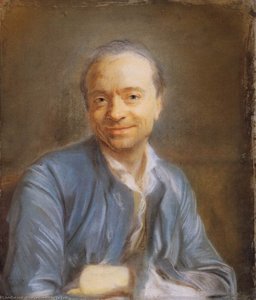
Де Тур је постао синоним за мајсторство у раду са пастелом. Користио је ову медијум да створи портрете изузетне мекоће и деликатности, хватајући суптилне нијансе израза лица и текстуре коже. Његов рад оличава Рококо стил, карактеристичан по елеганцији, грациозности и фокусу на приказивању модне друштвене елите. Међу његовим најзначајнијим делима издвајају се портрет Волтера (1731), који је учврстио његов углед у раној фази каријере, самопортрет "Смејући се" (око 1737. године) – дело које демонстрира његову способност да прикаже личност и духовит дух, портрет мадам де Помпадур – значајна наруџбина која је потврдила његов таленат за репродукцију ликова познатих личности, као и серија портрета Луја XV који су учврстили његов положај на двору. Редовно је излагао на Париском салону током три деценије, где је приказао око 150 портрета, што је постало посебан догађај за посетиоце.Признање и каснији живот
Године 1737. Де Тур је добио признање Краљевске академије сликарства и скулптуре, а 1750. године именован је за дворског портретисту краља Луја XV. Како је његово богатство расло, посветио се филантропији, основавши школу цртања у Сен-Кантену и помажући сиромашним уметницима. Међутим, око 1773. године доживео је нервни слом који га је довео до периода менталне болести и на крају повратка у његов родни град Сен-Кантен.Наслеђе и историјски значај
Портрети Мориса Кентена де Тура су високо цењени због психолошке проницљивости и техничке бриљантности. Он је уздигао пастел портрета на нови ниво, утичући на касније генерације уметника. Његова способност да зароби суштину својих модела – њихову личност, интелигенцију и друштвени статус – учинила га је једним од најтраженијих портретиста његовог времена. Данас се његови радови чувају у престижним музејима широм света, укључујући Лувр, пружајући драгоцене увиде у француско друштво и уметничку праксу 18. века. Његов рад је вечни пример елеганције, грациозности и психолошке дубине.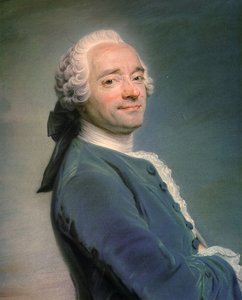
Морис Кентан Де Ла Тур
1704 - 1788 , Француска
Osnovne informacije
- Artistic Movement Or Style: Rokoko
- Date Of Birth: 5. septembar 1704.
- Date Of Death: 17. februar 1788.
- Full Name: Maurice Quentin de La Tour
- Nationality: Francuz
- Notable Artworks:
- Portret Voltera
- Samoportret smejući se
- Portret gospođe Pompadur
- Place Of Birth (City And Country): Saint-Quentin, Francuska
Povezani članci
Maurice Quentin de La Tour: Light, Shadow & the Rococo Portrait
Explore the captivating world of Maurice Quentin de La Tour, a master of Rococo portraiture. Discover his innovative pastel techniques, intimate depictions of French aristocracy, and lasting artistic legacy. Learn more at ArtsDot.

Rokoko: 10 Remek Dela Koja Su Definisala Eleganciju i Ukus
Otkrijte 10 remek dela koja su definisala rokoko umetnost! Uronite u svet Boucher-a, Watteau-a i Fragonarda. Istorija, stil i inspiracija za vaš dom. Kvalitetne reprodukcije i kuratorski odabiri na ArtsDot.com!

The Rococo Aesthetic: Opulence, Rebellion & the Pursuit of Pleasure in 18th-Century Art
Explore the opulent world of Rococo art! Discover its origins, key artists like Watteau & Boucher, and lasting influence on design. Expert insights for collectors & enthusiasts.
The Subdued Radiance of Pastel: Exploring Nuance & Emotion in Art
Explore the nuanced world of pastel art! Discover its history, techniques & emotional power with expert insights from ArtsDot.com. Find museum-quality reproductions and learn about collecting this delicate medium.
The Subtleties of Pastel: A Comprehensive Exploration of Technique, History & Emotional Resonance
Explore the captivating world of pastel art! Discover its rich history, Impressionistic masters like Degas, emotional power & unique techniques. Find museum-quality reproductions at ArtsDot.

