

 Pregledaj u prostoru
 Pošalji
 Podeli
 Detalji o delu

 Преузми
 Slični predmeti
 Rendgenski snimak
 Slajdovi
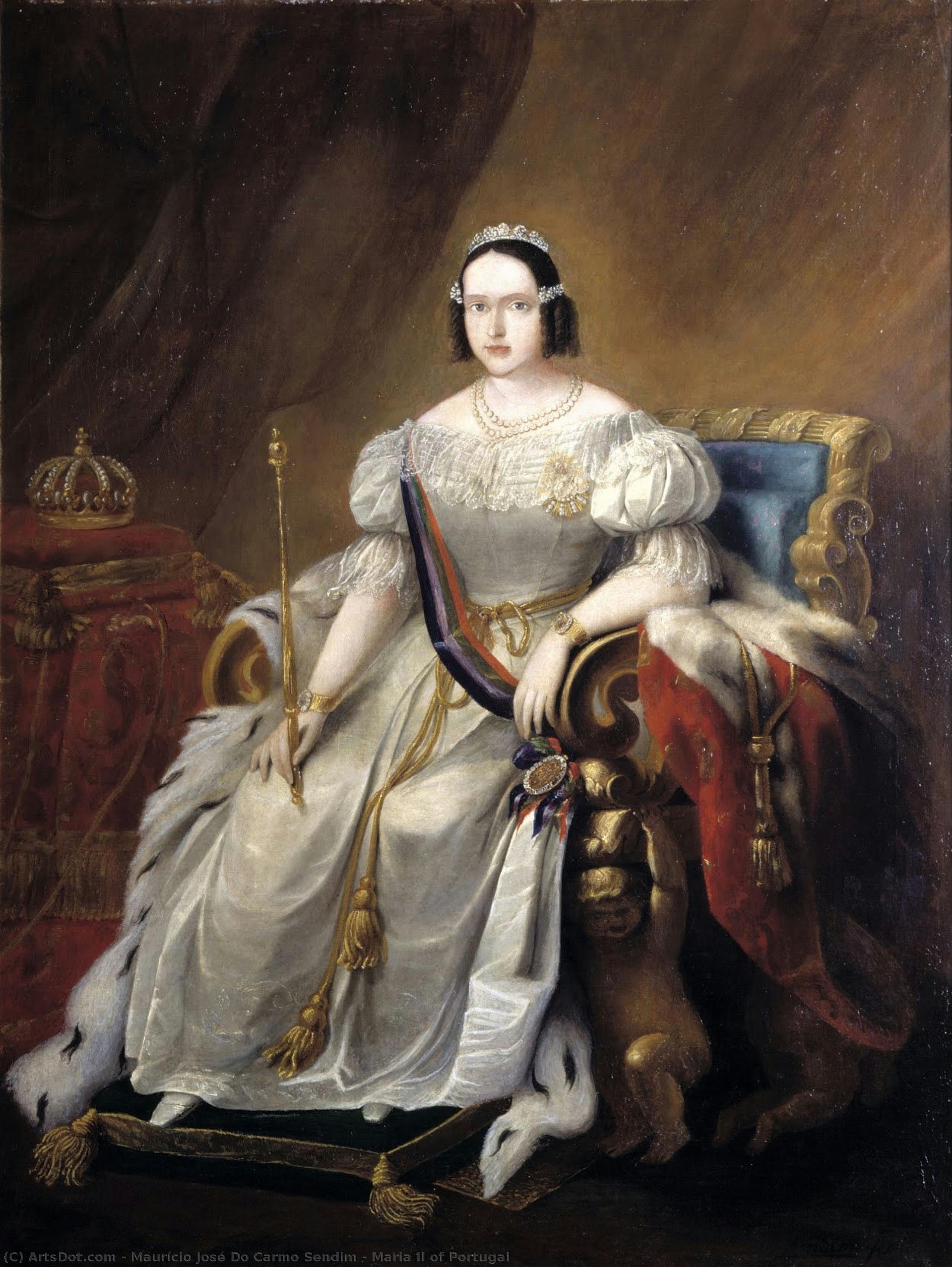
Maria II of Portugal
 1853
1853 94.0 x 72.0 cm
 Palácio Nacional da Ajuda
 Pročitaj više
Giclee štampa / Umetnički otisak
Giclée štampa ili print na platnu muzejskog kvaliteta uz brzu proizvodnju i fleksibilne opcije završne obrade. ( Kupi ručno naslikanu sliku Kupi digitalnu sliku)




































Izaberite jednu od naših unapred definisanih veličina koje odgovaraju originalnim proporcijama umetničkog dela.

Možete uneti sopstvene dimenzije kako biste umetničko delo prilagodili specifičnom okviru ili prostoru. Ako odabrani format ne odgovara proporcijama originalne slike, mi ćemo ili iscrtati deo dela ili proširiti sliku pomoću ogledane ivice ili jednobojnog popunjavanja. Digitalni prikaz će vam biti poslat na odobrenje pre početka proizvodnje.
Imajte na umu da pregled na ekranu ne odražava stvarno iscrtavanje ili proširivanje. Samo će prikaz (mockup) precizno pokazati finalnu kompoziciju.
Iako su prilagođene dimenzije dostupne, preporučujemo da odaberete dimenziju sa unapred definisane liste kako biste očuvali originalne proporcije.
Dostava širom sveta () za 2 nedelje umesto uobičajenih 4/5 nedelja. (2 септембар)

Besplatna ekspresna dostava širom sveta

Visokokvalitetno laneno platno

Kompletno osiguranje transporta

Garancija povraćaja carine i uvoznih dažbina

Garancija vernosti boja

Politika povrata u roku od 60 dana (samo u slučaju nedostataka)

Garancija povrata novca od 100%

Popust pri grupnoj kupovini
 Opcija sa staklom dostupna je samo za dimenzije manje od 110 cm

Maria II of Portugal
Giclee štampa / Umetnički otisak
Dimenzije reprodukcije
-


Konačna cena
$ 62
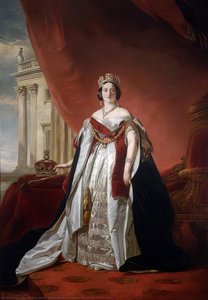
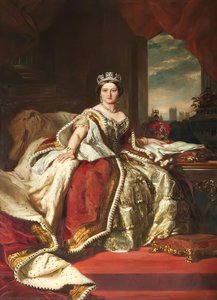
Srodna umetnička dela








Biografija umetnika
William Mulready: A Pioneer of Rural British Landscape
Born in Ennis, County Clare, Ireland, on April 1st, 1786, William Mulready’s artistic journey began far from the grand salons and formal training typically associated with landscape painting. His early life was marked by a practical upbringing, initially focused on trade before he discovered his innate talent for capturing the beauty of the Irish countryside. This grounding in observation would become the cornerstone of his distinctive style – a remarkably detailed and evocative depiction of rural British scenes.
Mulready’s formal training commenced at the Royal Academy Schools in London in 1802, where he studied under John Varley, a pivotal figure known for his loose brushwork and emphasis on capturing atmospheric effects. This exposure to Varley's approach significantly influenced Mulready’s technique, moving him away from the rigid academic style prevalent at the time. He quickly developed a reputation for his ability to render the subtle nuances of light and shadow, particularly in depicting fields, farms, and the ever-changing weather patterns of the British Isles.
Early in his career, Mulready supported himself through drawing lessons and illustration work, including a notable contribution to Robert Ker Porter’s ambitious panorama, *The Battle of Agincourt*. This experience honed his skills in composition and detail, while also exposing him to the challenges of working on large-scale projects. However, it was his dedication to capturing the authentic beauty of rural life that truly defined his artistic legacy.
A Style Defined by Observation and Detail
Mulready’s paintings are instantly recognizable for their meticulous attention to detail and remarkably realistic portrayal of the British countryside. Unlike many of his contemporaries who sought to elevate landscape painting through mythological or historical subjects, Mulready focused solely on depicting scenes from everyday rural life. He meticulously observed the textures of fields, the patterns of foliage, and the subtle shifts in light and color – elements that he rendered with astonishing accuracy.
His technique involved a rapid, almost impressionistic approach to brushwork, capturing fleeting moments and atmospheric effects. This was particularly evident in his depictions of weather conditions—misty mornings, sun-drenched fields, and dramatic storms—all conveyed through subtle variations in tone and texture. He wasn’t interested in grand vistas or idealized landscapes; instead, he sought to present a truthful representation of the world around him.
Mulready's work was often characterized by a sense of tranquility and serenity, reflecting his deep appreciation for the beauty of the natural world. His paintings offer a glimpse into a bygone era, capturing the rhythms of rural life and the enduring connection between people and their environment.
The Postage Stamp and a Legacy of Innovation
Perhaps one of Mulready’s most significant contributions to British art history lies in his role as the designer for the first pre-paid postage stamp. In 1839, he was commissioned by Henry Cole, the founder of the Victoria Institution for Promoting Education, to create a design for an adhesive postal stamp. The resulting image – a depiction of Britannia overseeing the global distribution of mail—became an instant success and revolutionized the way letters were sent.
The design’s simplicity and effectiveness demonstrated Mulready's understanding of visual communication and his ability to translate complex ideas into concise, memorable images. This innovative work cemented his place in British history as much as it secured his position as a respected landscape painter. The stamp itself became an iconic symbol of the Industrial Revolution and the rise of modern postal services.
Later Years and Recognition
Despite facing financial difficulties throughout his career, Mulready continued to paint and exhibit his work until his death on July 7th, 1863, in Bayswater, London. He was a member of several art societies, including the Royal Hibernian Academy, reflecting his commitment to the artistic community.
While he didn’t achieve widespread fame during his lifetime, Mulready's work has since been recognized for its remarkable detail and authentic portrayal of rural British life. His paintings are now housed in major museums across the country, offering a valuable insight into the history of landscape painting and the evolution of British art.
Mulready’s legacy extends beyond his artistic achievements; he represents a pioneering spirit—a dedication to observation, a commitment to realism, and an innovative approach that left an indelible mark on both the world of art and the development of modern communication.
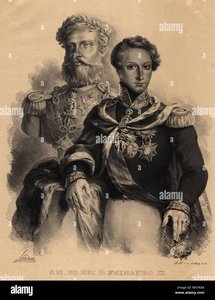
maurício josé do carmo sendim
1786 - 1870 , Portugal
Osnovne informacije
- Artistic Movement Or Style: Historical painting
- Artists Or Movements Influenced By This Artist:
- Barbizon School
- Impressionists
- Artists Who Influenced This Artist:
- Joshua Reynolds
- Anne Louis Girodet
- Date Of Birth: 26 January 1786
- Date Of Death: 22 June 1846
- Full Name: Benjamin Robert Haydon
- Nationality: British
- Notable Artworks:
- Study for ‘The Judgement of Solomon’
- Portrait of Hyder Beg Khan
- Place Of Birth: London, England

