

 Pregledaj u prostoru
 Pošalji
 Podeli
 Detalji o delu

 Преузми
 Slični predmeti
 Rendgenski snimak
 Slajdovi
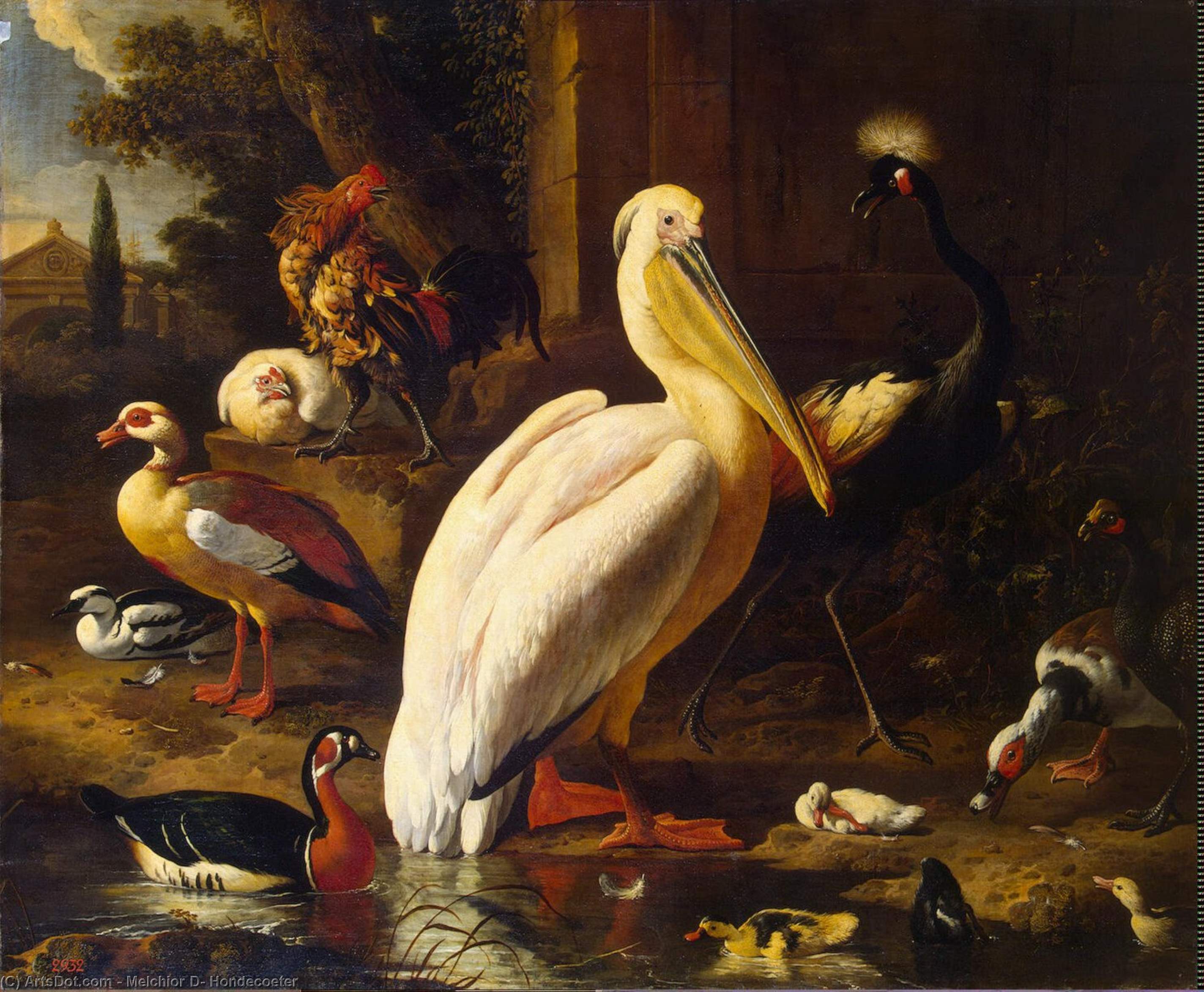
Birds in a Park
 Acrylic On Canvas
- WallArt
- Baroque
 1686
1686 135.0 x 155.0 cm
 Hermitage Museum
 Pročitaj više
Ručno rađena uljana reprodukcija
Ručno oslikano uljanim bojama na platnu u dimenzijama i okviru po vašem izboru, izrađeno po porudžbini od strane naših umetnika. ( Kupi print Kupi digitalnu sliku)




P118B $10

P118H $10

P118W $10

P438Z $10

P508JH $12

P508YH $12

P805H $10

P805Z $10

P919BZ $10

P919G $10

P919XJ $10

P959ZH $10

P968JZ $12

W106C $8

W218G $10

W218JH $8

W218Y $10

W307PJ $10

W316G $10

W316PJ $8

W316Y $10

W398PJ $8

W4111J $10

W500HY $15

W500JH $15

W692G $12

W849H $8

W940BG $15

W953PJ $8




Izaberite jednu od naših unapred definisanih veličina koje odgovaraju originalnim proporcijama umetničkog dela.

Можете унети сопствене димензије како бисте прилагодили дело одређеном оквиру или простору. Ако одабрана величина не одговара пропорцијама оригинала, слика ће бити исечена или проширена додатним елементима који се ручно насликавају. Дигитални prikaz ће вам бити послат на одобрење пре почетка производње.
Имајте на уму да преглед на екрану не одражава стварно исецање или проширење. Само приказ (mockup) ће тачно приказати коначну композицију.
Иако су доступне прилагођене величине, препоручујемо да одаберете димензију из дефинисане листе како бисте сачували оригиналне пропорције.
Nakon narudžbine, tim ArtsDot.com će klijentu putem e-pošte poslati uputstva i dostaviti prikaz predloženog rešenja
Isporuka širom sveta () za 3/4 nedelje umesto uobičajenih 5 nedelja. (23 август). Bez kompromisa po pitanju kvaliteta.

Besplatna ekspresna dostava širom sveta

Visokokvalitetno laneno platno

Kompletno osiguranje transporta

Garancija povraćaja carine i uvoznih dažbina

Garancija vernosti boja

Politika povrata u roku od 60 dana (samo u slučaju nedostataka)

Garancija povrata novca od 100%

Popust pri grupnoj kupovini
 Opcija sa staklom dostupna je samo za dimenzije manje od 110 cm

Birds in a Park
Tehnika reprodukcije
Dimenzije reprodukcije
-


Konačna cena
$ 263
Opis umetničkog dela
A Baroque Symphony of Flight: Melchior de Hondecoetter’s “Birds in a Park”
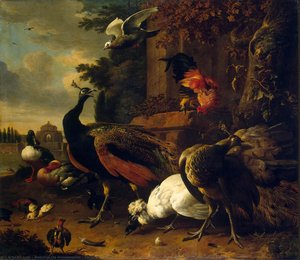
Melchior de Hondecoetter's "Birds in a Park," painted in 1686, isn’t merely a depiction of avian life; it’s a meticulously crafted window into the opulent world of Dutch Golden Age art and a testament to the artist’s extraordinary skill. This captivating scene, now faithfully reproduced as a stunning canvas print by ArtsDot.com, transports the viewer to a serene park setting teeming with an astonishing array of birds – ducks gliding across a tranquil pond, geese paddling alongside, and a vibrant peacock displaying its magnificent plumage. The painting's enduring appeal lies not just in its technical brilliance but also in the palpable sense of tranquility and natural beauty it evokes.
Hondecoetter’s mastery is immediately evident in his painstaking attention to detail. Each bird is rendered with an almost photographic realism, capturing their individual postures, plumage textures, and subtle expressions. The artist's use of light and shadow creates a remarkable sense of depth and volume, drawing the eye into the heart of the composition. Notice how the dappled sunlight filters through the trees, illuminating the birds and casting intricate patterns on the ground – a testament to Hondecoetter’s deep understanding of atmospheric perspective. The inclusion of the dog adds an unexpected element of domesticity, grounding the scene in a familiar human context while simultaneously enhancing the sense of observation and intimacy.
A Masterclass in Baroque Technique
“Birds in a Park” exemplifies the hallmarks of the Baroque style – a dramatic use of light, rich colors, and dynamic composition. Hondecoetter employed a technique known as ‘grisaille,’ utilizing shades of gray to build up the forms and values before adding color. This approach allowed him to achieve an unparalleled level of realism and control over the painting’s overall mood. The layering of glazes – thin, transparent washes of paint applied in multiple layers – creates a luminous quality that seems to emanate from within the canvas. The brushwork is remarkably delicate, almost invisible in places, contributing to the painting's smooth and polished surface.
Furthermore, Hondecoetter’s choice of subject matter—the observation of birds in their natural habitat—was a relatively novel approach at the time. While animal paintings were certainly produced before, Hondecoetter elevated them to an art form, demonstrating a profound respect for the beauty and complexity of the natural world. This fascination with nature was a defining characteristic of the Dutch Golden Age, reflecting a growing interest in scientific observation and a desire to capture the wonders of the outside world.
Symbolism and Context within Dutch Society
Beyond its aesthetic qualities, “Birds in a Park” offers valuable insights into the cultural values of 17th-century Holland. Birds were frequently depicted in art as symbols of freedom, beauty, and prosperity – attributes highly prized by the wealthy merchant class who dominated Dutch society. The presence of exotic birds like the peacock suggests an appreciation for luxury and foreign cultures, reflecting the Netherlands’ role as a major trading hub. The park itself represents a carefully cultivated landscape—a miniature world designed to provide pleasure and respite from the demands of urban life.
Melchior de Hondecoetter's biography reveals a man deeply connected to Utrecht, his birthplace, and a significant figure in the artistic community of that era. His dedication to capturing the nuances of avian forms speaks volumes about his meticulous approach and profound understanding of animal anatomy. The painting’s creation coincided with a period of immense prosperity for the Dutch Republic, fostering an environment where art flourished and artists like Hondecoetter could dedicate themselves to their craft.
Bringing “Birds in a Park” into Your Space
ArtsDot.com offers exceptional reproductions of "Birds in a Park," allowing you to bring this Baroque masterpiece into your home or office. The high-quality canvas prints capture the painting’s original luminosity and detail, while the carefully selected framing options complement its elegant aesthetic. Whether you're an art collector, interior designer, or simply someone who appreciates beauty, this reproduction is a stunning addition to any space – a timeless reminder of the artistry and tranquility captured by Melchior de Hondecoetter over three centuries ago.
Useful Links:
Srodna umetnička dela
![Vida De Miguel De Cervantes Saavedra (life Of Miguel De Cervantes Saavedra). Book V Of The Edition Of Don Quixote (biblioteca Nacional De España)\n\n[7] — Martín Fernández De Navarrete Y Ximénez De Tejada, Academic Art](/media/artworks/images-thumb/8c/b6/8cb67a4dd450447373a546c8dd039e57.jpg)
Biografija umetnika
The Avian Majesty of Melchior de Hondecoeter
In the golden twilight of the Dutch Golden Age, few artists captured the vibrant pulse of the natural world as vividly as Melchior de Hondecoeter. A master of the Baroque era, his brush possessed a rare alchemy, capable of transforming mere pigment into the iridescent sheen of a peacock’s plume or the delicate, translucent down of a songbird. Born in Utrecht around 1636, Hondecoetter emerged not merely as a painter of animals, but as a storyteller of the exotic and the magnificent. His work serves as a window into a century defined by global exploration, where the arrival of rare species from distant lands ignited a profound fascination with the wonders of the natural order.
The foundation of his extraordinary talent was laid through rigorous discipline and an unwavering commitment to anatomical truth. Apprenticeship under the esteemed Willem van Royen provided him with the technical scaffolding necessary to master the complexities of light and shadow. Yet, Hondecoetter’s genius lay in his ability to transcend mere scientific documentation. While he approached his subjects with the precision of a naturalist—studying musculature and skeletal structure with almost clinical devotion—he infused every composition with a theatrical energy characteristic of the Baroque movement. His canvases are never static; they are stages where birds interact, preen, and take flight amidst lush, atmospheric landscapes.
A Symphony of Color and Motion
To gaze upon a Hondecoeter masterpiece is to experience a sensory deluge. He rejected the muted, somber palettes that often characterized much of Dutch genre painting, opting instead for a bold, expressive use of color that commands the viewer's attention. His technique was a sophisticated balance of precise observation and expressive bravura. Through masterful rendering of texture, he could differentiate between the heavy, waxy surface of a waterfowl’s wing and the soft, airy lightness of a forest dweller. This tactile quality creates an immersive experience, pulling the observer into a world where the rustle of feathers feels almost audible.
The development of his style saw him move toward increasingly complex and dynamic compositions. He became renowned for his ability to arrange multiple subjects within a single frame, creating a sense of organized chaos that mirrors the untamed beauty of nature. These works often featured:
- Exoticism: The inclusion of rare, brightly colored birds that symbolized wealth, discovery, and the expanding horizons of the Dutch Republic.
- Dramatic Lighting: A use of chiaroscuro that highlighted the intricate details of plumage while casting deep, mysterious shadows in the surrounding foliage.
- Narrative Depth: Scenes that suggested a larger story, whether it be a moment of predatory tension or a peaceful interlude in a sun-drenched garden.
Legacy and Historical Significance
Melchior de Hondecoeter’s influence extended far beyond the borders of the Netherlands. As an animalier, he helped establish a specialized genre that would captivate collectors across Europe, from the courts of kings to the homes of wealthy merchants. His ability to marry scientific accuracy with high art ensured that his work was valued both for its aesthetic splendor and its contribution to the era's burgeoning interest in natural history.
Though his life ended in 1695, his artistic footprint remains indelible. He did not simply paint birds; he elevated them to subjects of profound dignity and drama. In an age of discovery, Hondecoeter acted as a visual chronicler of the earth's splendor, leaving behind a legacy of canvases that continue to breathe with life, color, and an eternal sense of wonder. His work remains a testament to the power of art to bridge the gap between the observed world and the human imagination.
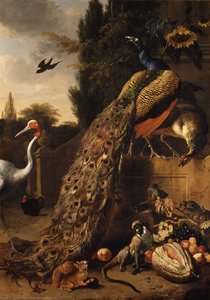
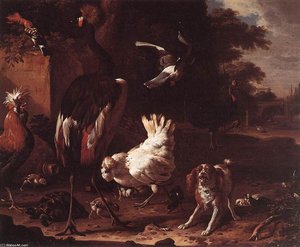
melchior de hondecoetter
1636 - 1695
Osnovne informacije
- Artistic Movement Or Style: Baroque
- Artists Or Movements Influenced By This Artist: ['William Hendrik Wilhemus van Royen']
- Artists Who Influenced This Artist: ['None Known']
- Date Of Death: 1695
- Full Name: Melchior de Hondecoetter
- Nationality: Dutch
- Notable Artworks:
- A Cock
- The Menagerie
- Birds, Butterflies and a Frog Among Plants and Fungi
- Place Of Birth: Utrecht, Netherlands
Povezani članci

Francisco Goya: 25 Remek-dela Španskog Majstora za Vaš Dom | ArtsDot
Istražite 25 remek-dela Francisca Goya, španskog slikara romantizma i impresionizma. Portreti, tamne slike & istorija umetnosti na ArtsDot.com! Kupite reprodukcije slika vrhunskog kvaliteta za dekoraciju enterijera. Otkrijte celu kolekciju online.

Dutch Baroque Masters: 10 Paintings That Shaped an Era | ArtsDot
Journey through the Golden Age with our guide to the Top 10 Dutch Baroque masterpieces! Explore iconic paintings by Rembrandt, Vermeer & Frans Hals. Find museum-quality art reproductions and elevate your home decor at ArtsDot.com.

Golden Age Reflections: Dutch Baroque Painting & Cultural Innovation
Explore the Dutch Golden Age of painting! Discover key artists like Vermeer & ter Borch, their innovative techniques, and the rich cultural context behind these Baroque masterpieces. Learn about collecting & appreciating this iconic art period.
Pieter de Hooch: Illuminating Dutch Domestic Life & Golden Age Charm
Explore the captivating world of Pieter de Hooch, a master of Dutch Golden Age painting. Discover his innovative use of light, intimate domestic scenes, and lasting influence on art history. Learn more at ArtsDot.

About Us
Discover our story! We bring world-class art into your life through expert curation, personalized creations, and free previews. Trusted by individuals and businesses since 2000.

