

 Pregledaj u prostoru
 Pošalji
 Podeli
 Detalji o delu

 Преузми
 Slični predmeti
 Rendgenski snimak
 Slajdovi
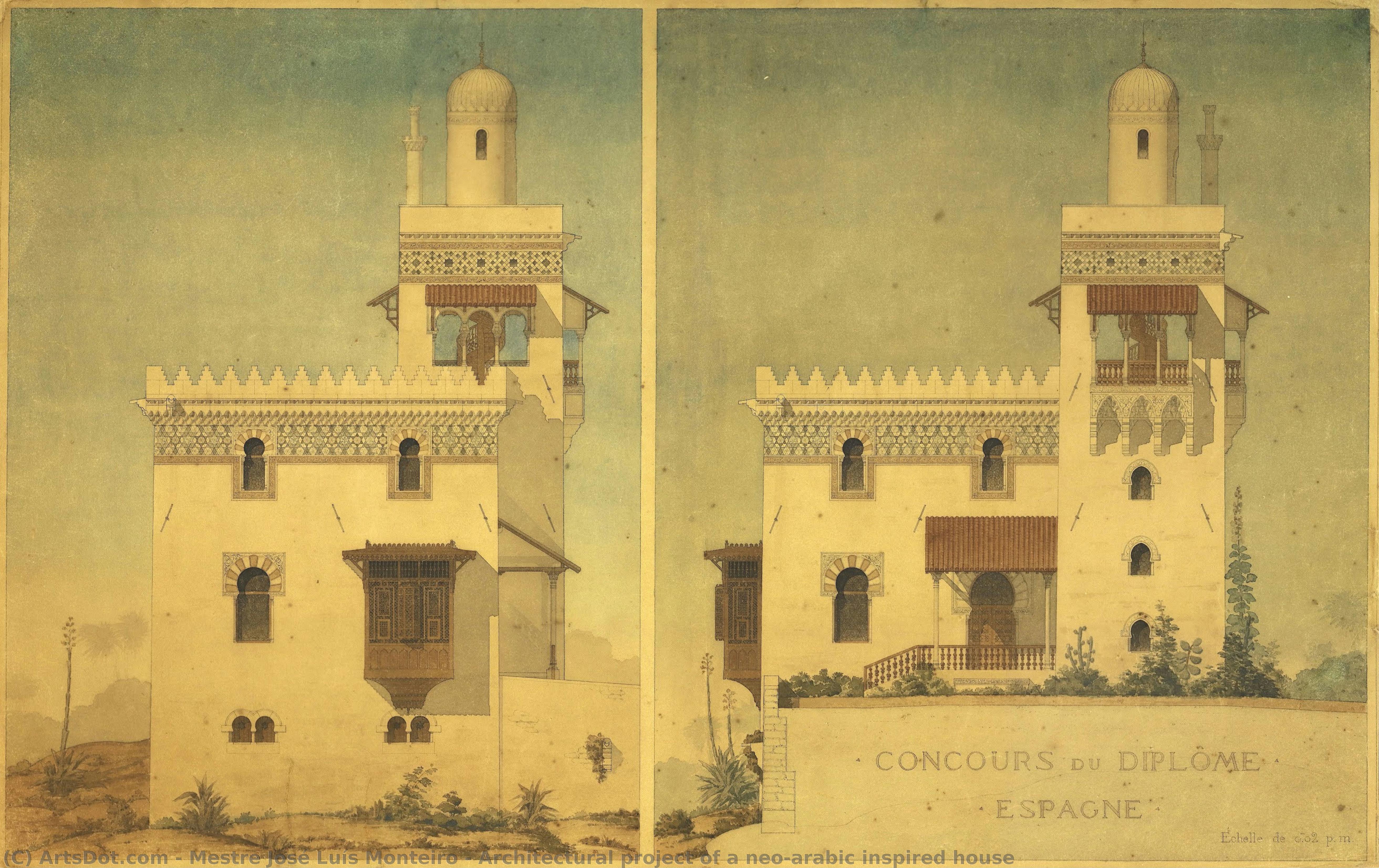
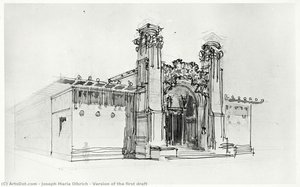
Architectural project of a neo-arabic inspired house
 Neoclassicism
 1878
1878- 19th Century
 58.0 x 92.0 cm
 Lisboa Municipal Archive
 Pročitaj više
Ručno rađena uljana reprodukcija
Ručno oslikano uljanim bojama na platnu u dimenzijama i okviru po vašem izboru, izrađeno po porudžbini od strane naših umetnika. ( Kupi print Kupi digitalnu sliku)




P118B $10

P118H $10

P118W $10

P438Z $10

P508JH $12

P508YH $12

P805H $10

P805Z $10

P919BZ $10

P919G $10

P919XJ $10

P959ZH $10

P968JZ $12

W106C $8

W218G $10

W218JH $8

W218Y $10

W307PJ $10

W316G $10

W316PJ $8

W316Y $10

W398PJ $8

W4111J $10

W500HY $15

W500JH $15

W692G $12

W849H $8

W940BG $15

W953PJ $8




Izaberite jednu od naših unapred definisanih veličina koje odgovaraju originalnim proporcijama umetničkog dela.

Можете унети сопствене димензије како бисте прилагодили дело одређеном оквиру или простору. Ако одабрана величина не одговара пропорцијама оригинала, слика ће бити исечена или проширена додатним елементима који се ручно насликавају. Дигитални prikaz ће вам бити послат на одобрење пре почетка производње.
Имајте на уму да преглед на екрану не одражава стварно исецање или проширење. Само приказ (mockup) ће тачно приказати коначну композицију.
Иако су доступне прилагођене величине, препоручујемо да одаберете димензију из дефинисане листе како бисте сачували оригиналне пропорције.
Nakon narudžbine, tim ArtsDot.com će klijentu putem e-pošte poslati uputstva i dostaviti prikaz predloženog rešenja
Isporuka širom sveta () za 3/4 nedelje umesto uobičajenih 5 nedelja. (26 август). Bez kompromisa po pitanju kvaliteta.

Besplatna ekspresna dostava širom sveta

Visokokvalitetno laneno platno

Kompletno osiguranje transporta

Garancija povraćaja carine i uvoznih dažbina

Garancija vernosti boja

Politika povrata u roku od 60 dana (samo u slučaju nedostataka)

Garancija povrata novca od 100%

Popust pri grupnoj kupovini
 Opcija sa staklom dostupna je samo za dimenzije manje od 110 cm

Architectural project of a neo-arabic inspired house
Tehnika reprodukcije
Dimenzije reprodukcije
-


Konačna cena
$ 263
Opis umetničkog dela
A Vision of Orientalist Grandeur
In this captivating architectural study from 1878, we are transported to a world where the boundaries between East and West dissolve into a singular, breathtaking vision. The painting presents an evocative architectural project for a neo-Arabic inspired house, rendered with a precision that speaks to both the artist's structural intellect and his romantic soul. Two majestic buildings dominate the composition, their towers rising like silent sentinels reminiscent of minarets. The stark, pristine white walls are contrasted beautifully by deep brown roofs, creating a rhythmic interplay of light and shadow that draws the eye upward toward the heavens. Through the meticulous depiction of windows—some perched high near the summits and others nestled within the mid-sections—the artist invites us to imagine the life unfolding behind these storied facades.
The scene is imbued with a sense of quiet, lived-in majesty. A subtle inclusion of a clock on one of the structures serves as a poignant reminder of the passage of time amidst the permanence of stone and design. The presence of a solitary figure, standing small against the monumental scale of the architecture, adds a layer of human narrative; whether this person is an admirer of the burgeoning neo-Arabic movement or a traveler caught in the splendor of the moment, their presence provides a vital sense of scale and contemplative stillness. This is not merely a blueprint for a building, but a window into a dream of cultural fusion.
The Mastery of Mestre José Luís Monteiro
To understand the profound technical depth of this work, one must look to the hand of Mestre José Luís Monteiro. A titan of Portuguese architecture and a graduate of both the Royal Academy of Fine Arts in Lisbon and the prestigious École Nationale Supérieure des Beaux-Arts in Paris, Monteiro brought a unique dual perspective to his canvas. While he is celebrated for his structural innovations—such as the masterful use of metal in Lisbon's Rossio station—this particular painting reveals his softer, more imaginative side. Here, the rigorous discipline of Neoclassicism meets the flowing, decorative spirit of the Second Empire and Orientalist influences.
The technique employed in this piece demonstrates a sophisticated command over light and texture. The artist uses subtle gradations to give the white walls a three-dimensional weight, ensuring they do not appear flat but rather as surfaces that catch the warmth of an unseen sun. For collectors and interior designers, this work offers more than just aesthetic beauty; it offers a conversation piece rooted in historical significance. It captures a moment in the late 19th century when architects were daring to reimagine urban landscapes through the lens of exoticism and structural innovation.
An Inspiration for Modern Interiors
For the discerning collector or the interior designer seeking to infuse a space with character, this reproduction serves as an extraordinary focal point. The architectural subject matter lends itself perfectly to sophisticated, eclectic, or even minimalist environments where a sense of history and "worldliness" is desired. The neutral palette of whites, creams, and earthy browns allows it to integrate seamlessly into contemporary decor while providing a profound emotional anchor.
Owning a high-quality reproduction of this work means bringing a piece of architectural history into the home. It evokes feelings of wanderlust, curiosity, and structural elegance. Whether placed in a sunlit library or a grand hallway, the painting acts as an invitation to dream of distant lands and the timeless beauty of structures that bridge the gap between different worlds. It is a testament to the enduring power of architectural art to inspire awe and provide a sense of sanctuary through its balanced, harmonious composition.
Srodna umetnička dela


Biografija umetnika
The Formative Years of a Master
Born in Lisbon on October 25, 1848, José Luís Monteiro was destined to become a cornerstone of Portuguese architecture. His early education at the Royal Academy of Fine Arts in Lisbon provided a sturdy foundation, but it was his subsequent journey to Paris that truly expanded his artistic horizons. Immersed in the rigorous atmosphere of the École Nationale Suprollère des Beaux-Arts, Monteiro absorbed the sophisticated nuances of French architectural thought. This period of intense study allowed him to blend the classical traditions of his homeland with the sweeping, imperial grandeur of the Second Empire style, creating a stylistic synthesis that would define much of Lisbon's urban character for decades to come.Architectural Legacy and Urban Transformation
Monteiro’s career was marked by a profound commitment to the civic identity of Lisbon. Serving as the chief architect for the Lisbon City Council, he played an instrumental role in directing the city's growth during a period of significant transition. His work is characterized by a masterful command of Neoclassical elements and the ornate elegance of the Second Empire French style, bringing a sense of monumental dignity to the streets. Beyond his structural achievements, Monteiro was a dedicated educator, imparting his vast knowledge to students at the Royal Academy of Fine Arts. His influence extended far beyond the blueprints he drafted; he helped shape the very aesthetic consciousness of his era through both his practice and his pedagogy.A Synthesis of Metal and Majesty
One of the most enduring aspects of Monteiro’s genius was his ability to embrace the industrial revolution's technological advancements without sacrificing classical beauty. He became renowned for his innovative use of metal in interior architecture, a technique that brought a modern, light-filled energy to traditional structures. The Rossio Railway Station remains his most iconic achievement in this regard, where the structural integrity of iron is seamlessly integrated into a grand architectural setting, creating a space that feels both robust and ethereal. This ability to harmonize the old with the new earned him international acclaim, including the prestigious Legion d'honneur in 1901. As he lived through the turn of the century and passed away in 1942, his legacy remained etched in the stone and iron of Lisbon, a permanent testament to a life dedicated to the art of building.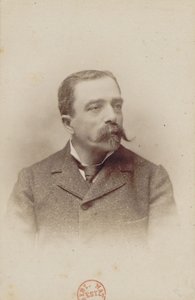
mestre josé luís monteiro
1848 - 1942 , Portugal
Osnovne informacije
- Artistic Movement Or Style: Neoclassical and Second Empire
- Date Of Birth: October 25, 1848
- Date Of Death: January 27, 1942
- Full Name: José Luís Monteiro
- Nationality: Portuguese
- Notable Artworks: ['Rossio railway station']
- Place Of Birth: Lisbon, Portugal
Povezani članci

White on Canvas: 10 Masterpieces & Timeless Elegance for Your Home Decor
Explore 10 iconic white paintings by Monet, Whistler & Rothko! Discover the stories behind these serene masterpieces and their impact on art history. Find museum-quality reproductions for your home decor at .
Povratak freske: Zidne slike kao novi luksuzni izraz u savremenoj arhitekturi i dizajnu
Otkrijte luksuz zidnih slika i fresaka za savršen enterijer! Ekskluzivni dizajn, stručni umetnici & kvalitetna izrada. Inspiracija i rešenja za hotele i privatne prostore.
Neo-Classicism's Greatest Hits: 10 Masterpieces for Your Home |
Journey through Neo-Classicism's finest! Explore 10 iconic masterpieces by David, Ingres & Canova. Discover art history, techniques & timeless beauty – perfect for inspiring your home decor. Find museum-quality reproductions at
Transforming Spaces: A Comprehensive Exploration of Wall Decor Through Art History & Contemporary Practice
Explore the art of transforming spaces with our comprehensive guide to wall decor. From historical movements to contemporary trends, discover how to curate impactful interiors and commission bespoke artwork for a truly personalized aesthetic.
Rosy Brown Hues: 10 Master Paintings & Timeless Decor Ideas |
Explore 10 iconic paintings bathed in captivating rosy brown tones! From Rembrandt to Titian, discover the stories behind these masterpieces & their warm color palettes. Find museum-quality art reproductions and decor inspiration at .

