

 Pregledaj u prostoru
 Pošalji
 Podeli
 Detalji o delu

 Преузми
 Slični predmeti
 Rendgenski snimak
 Slajdovi
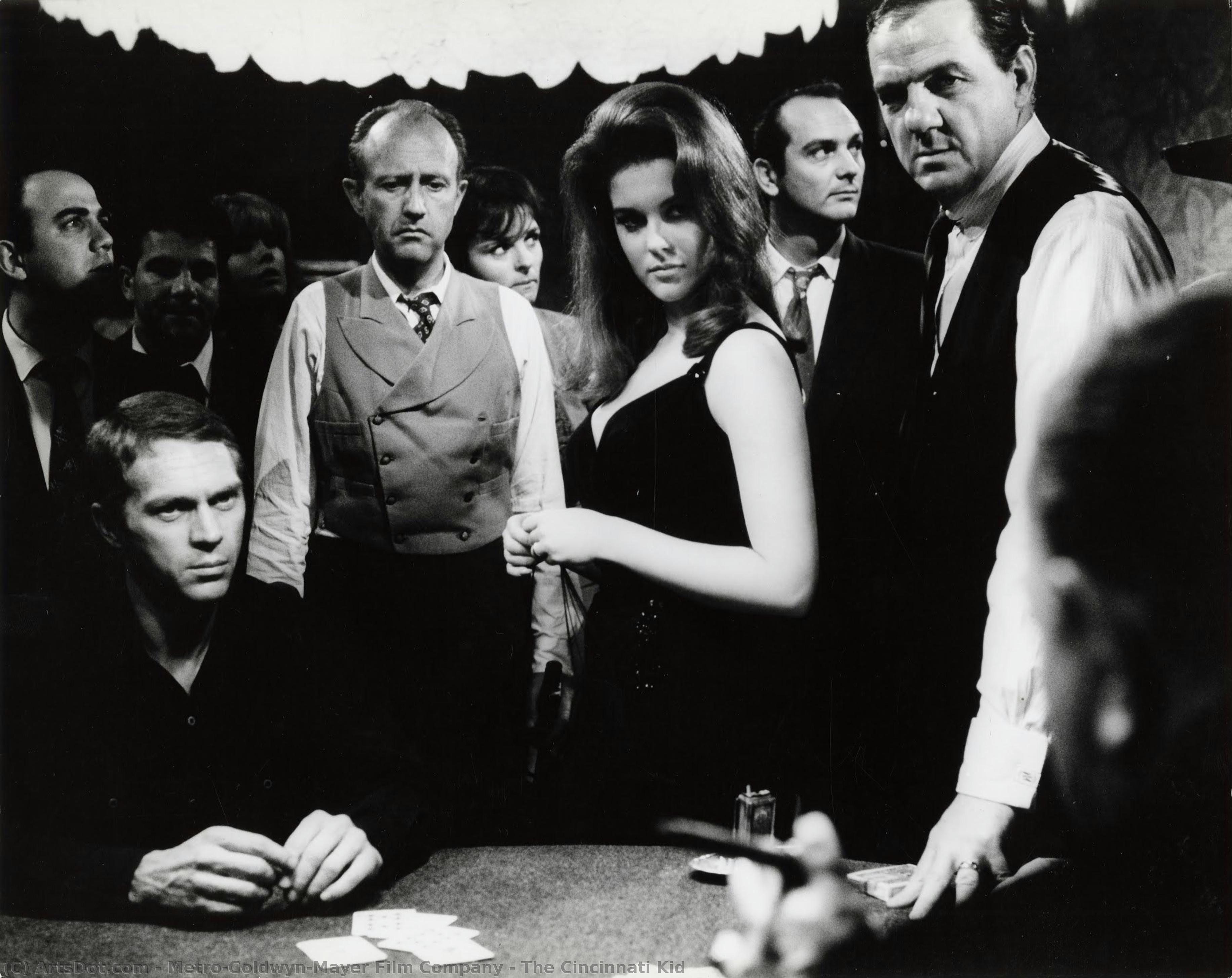
The Cincinnati Kid


 Pročitaj više
Giclee štampa / Umetnički otisak
Giclée štampa ili print na platnu muzejskog kvaliteta uz brzu proizvodnju i fleksibilne opcije završne obrade. ( Kupi ručno naslikanu sliku Kupi digitalnu sliku)




































Izaberite jednu od naših unapred definisanih veličina koje odgovaraju originalnim proporcijama umetničkog dela.

Možete uneti sopstvene dimenzije kako biste umetničko delo prilagodili specifičnom okviru ili prostoru. Ako odabrani format ne odgovara proporcijama originalne slike, mi ćemo ili iscrtati deo dela ili proširiti sliku pomoću ogledane ivice ili jednobojnog popunjavanja. Digitalni prikaz će vam biti poslat na odobrenje pre početka proizvodnje.
Imajte na umu da pregled na ekranu ne odražava stvarno iscrtavanje ili proširivanje. Samo će prikaz (mockup) precizno pokazati finalnu kompoziciju.
Iako su prilagođene dimenzije dostupne, preporučujemo da odaberete dimenziju sa unapred definisane liste kako biste očuvali originalne proporcije.
Dostava širom sveta () za 2 nedelje umesto uobičajenih 4/5 nedelja. (28 август)

Besplatna ekspresna dostava širom sveta

Visokokvalitetno laneno platno

Kompletno osiguranje transporta

Garancija povraćaja carine i uvoznih dažbina

Garancija vernosti boja

Politika povrata u roku od 60 dana (samo u slučaju nedostataka)

Garancija povrata novca od 100%

Popust pri grupnoj kupovini
 Opcija sa staklom dostupna je samo za dimenzije manje od 110 cm

The Cincinnati Kid
Giclee štampa / Umetnički otisak
Dimenzije reprodukcije
-


Konačna cena
$ 62
Srodna umetnička dela
Biografija umetnika
The Roar of the Lion: A Legacy Forged in Silver and Light
The Metro-Goldwyn-Mayer Film Company, more commonly known as MGM, isn’t a single artist in the traditional sense; it is an entity, a collective creative force that shaped the very landscape of 20th-century entertainment. To speak of MGM is to speak of a studio system, a meticulously crafted dream factory born from the ambitions of Marcus Loew and the visionary talents of Louis B. Mayer and Samuel Goldwyn. Its origins lie in the early nickelodeon boom, evolving from Loew’s chain of theaters into a vertically integrated powerhouse that controlled production, distribution, and exhibition – a model that would define Hollywood for decades. While individual artists flourished *within* its walls—directors like Victor Fleming, George Cukor, and Vincente Minnelli; stars such as Greta Garbo, Clark Gable, Judy Garland, and Elizabeth Taylor—MGM itself became the defining aesthetic, a brand synonymous with glamour, spectacle, and enduring storytelling.From Vaudeville Roots to Technicolor Dreams
The early years of MGM were characterized by a pragmatic approach, consolidating smaller studios and leveraging Loew’s theater network. However, it was the partnership between Mayer, who understood the power of star personas and emotional resonance, and Goldwyn, with his artistic sensibilities, that truly set the studio apart. The 1920s saw MGM rapidly ascend, acquiring Polydor Pictures and establishing a reputation for lavish productions. A pivotal moment arrived with the advent of sound, which MGM embraced wholeheartedly, transforming its silent film stars into captivating vocal performers. But it was the introduction of Technicolor in the 1930s that irrevocably altered the studio’s trajectory. Films like The Wizard of Oz (1939) and Gone with the Wind (1939) weren't merely movies; they were immersive experiences, vibrant tapestries woven from color, music, and compelling narratives. This commitment to technological innovation became a hallmark of MGM’s identity, constantly pushing the boundaries of cinematic possibility.The Golden Age: A Constellation of Stars
The 1930s and 40s represent MGM's undisputed golden age. The studio cultivated an unparalleled stable of stars, each carefully molded into iconic figures. Clark Gable embodied rugged masculinity; Greta Garbo radiated enigmatic allure; Judy Garland possessed a heartbreaking vulnerability. These weren’t simply actors; they were meticulously constructed brands, their public images managed and refined by the studio’s publicity machine. Beyond the stars, MGM fostered a unique collaborative environment. Production teams remained largely intact for years, developing a shorthand and understanding that translated into consistently high-quality filmmaking. Musicals flourished under Arthur Freed, becoming synonymous with escapism and joy. The studio's backlot became legendary, a miniature world capable of recreating any setting imaginable. This period cemented MGM’s reputation as the “Aristocracy of Hollywood,” producing films that not only entertained but also reflected—and often shaped—American culture.Challenges and Transformations: The Decline and Legacy
The post-war era brought significant challenges to the studio system. The Paramount Decree, an antitrust ruling, forced MGM to divest its theater chain, disrupting its vertical integration model. Television’s rise presented a formidable competitor for audience attention. While MGM attempted to adapt—exploring new genres and production techniques—it struggled to maintain its dominance. The studio began selling off its vast backlot and star contracts, signaling the end of an era. Despite these difficulties, MGM continued to produce notable films throughout the 1950s and 60s, including Singin’ in the Rain (1952) and Ben-Hur (1959). However, the studio's financial struggles led to a series of mergers and acquisitions. Today, MGM exists as part of Amazon Studios, its iconic library serving as a valuable asset in the streaming age.An Enduring Symbol: The Lion Still Roars
Despite its tumultuous history, the legacy of Metro-Goldwyn-Mayer remains profoundly influential. Its films continue to captivate audiences worldwide, inspiring generations of filmmakers and performers. The studio’s commitment to craftsmanship, spectacle, and star power set a standard that continues to be emulated. More than just a production company, MGM represented a particular vision of American optimism and glamour—a world where dreams could come true, and anything was possible. And perhaps most enduringly, the iconic lion roar that precedes each film serves as a potent symbol of Hollywood’s golden age, a reminder of a time when movies truly were magic.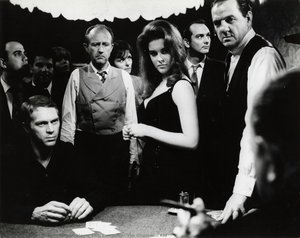
Osnovne informacije
- Artistic Movement Or Style: Film Production
- Date Of Death: Living
- Full Name: Metro-Goldwyn-Mayer Film Company
Povezani članci
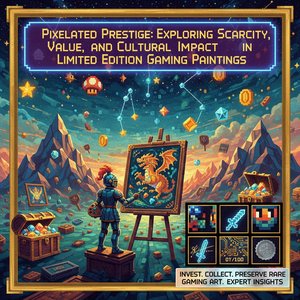
Pixelated Prestige: Exploring Scarcity, Value, and Cultural Impact in Limited Edition Gaming Paintings
Explore the world of limited edition gaming paintings! Discover investment strategies, artist insights & preservation tips for collectors. Trusted expertise in rare video game art.
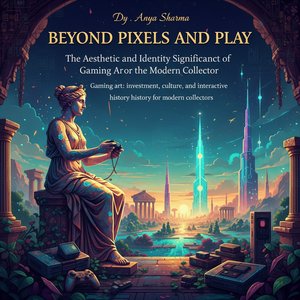
Iznad Piksela i Igre: Estetski i Identitetski Značaj Gejming Umetnosti za Modernog Kolekcionara
Istražite svet gejming umetnosti! Ekskluzivna analiza kolekcionarskih predmeta, trendova i investicionih mogućnosti. Saveti stručnjaka za modernog kolekcionara.
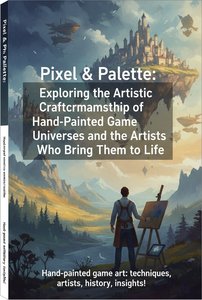
Pixel & Palette: Exploring the Artistic Craftsmanship of Hand-Painted Game Universes and the Artists Who Bring Them to Life
Explore the artistry of hand-painted game universes! Discover techniques, artists & history behind this unique style. Expert insights for collectors & developers.

Pikseli na trotoaru: Estetska revolucija video igara i savremena vizuelna kultura
Istražite kako su video igre revolucionirale vizuelnu kulturu i uticale na umetnost, modu i dizajn. Analiziramo trendove, estetiku indie igara poput Limbo i budućnost interaktivnog stila.
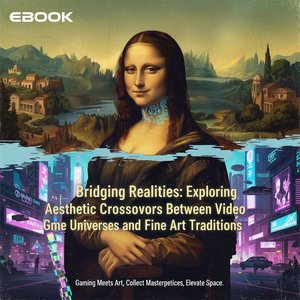
Bridging Realities: Exploring Aesthetic Crossovers Between Video Game Universes and Fine Art Traditions
Explore the fascinating intersection of video game aesthetics & fine art traditions. Discover how gaming influences design, collect iconic art reproductions, and elevate your space with expert guidance from ArtsDot.

